.jpg)
279 min walk
IJmeer
- Must see · Heritage site
- Nature site
Language · 11 published
Nature site · Amsterdam
Reviewed by Elena Voss · Roavina Travel Editor

This place is a Body of water.
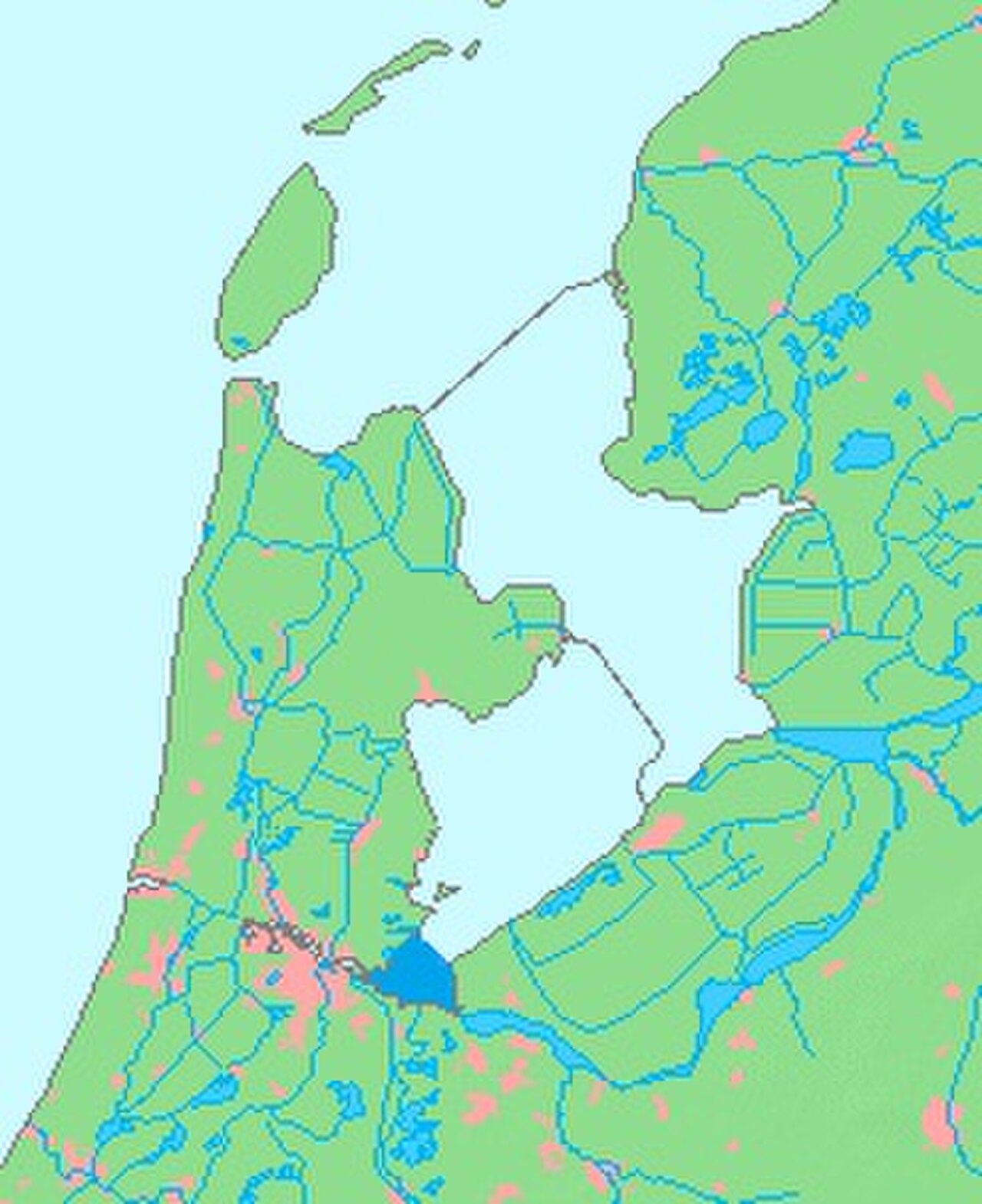
Markermeer is a broad freshwater lake in the Netherlands, separated from the IJsselmeer by the Houtribdijk in 1976. It is not a single fenced attraction, museum or managed park with one entrance, but an extensive waterscape of open water, dikes, polders, harbours and shoreline settlements. Its character comes from the meeting of Dutch water engineering and outdoor recreation: the horizon is wide, the land is unusually open, and the experience changes with the shore you choose. Treat Markermeer as a landscape destination with a selected access point, not as a compact attraction that can be covered in one short circuit.
Checked 2026-08-26 · Source
There is no conventional interior to explore at Markermeer. The visit unfolds along dike paths, beaches, marinas, small harbours, polders and broad views across the water. The Marker Wadden nature-restoration project adds constructed islands and habitat for birds and other wildlife, giving the lake a strong ecological dimension as well as its engineered one. Nearby Edam, Volendam and Marken can anchor a day out with historic streets and waterfront scenery, while quieter shoreline sections suit walking, cycling and landscape watching. Facilities are spread unevenly along the extensive coast, so decide which town or shore will be your base before leaving Amsterdam.
Checked 2026-08-26 · Source
Allow two to three hours for a focused visit to one shoreline area, including a dike walk, time beside the water and a pause at a harbour or viewpoint. A half-day works well when Markermeer is paired with one nearby town such as Edam, Volendam or Marken. Plan a full day for cycling between several lakeside stops or adding a boat excursion when an operator is running one. The lake is too extensive for a meaningful complete circuit on foot in one visit, so choose a manageable section, leave room for stops, and allow time for the return journey.
Checked 2026-08-26 · Source
Markermeer is an outdoor landscape that can be visited throughout the year, but daylight, wind and temperature change the experience considerably. Late spring through early autumn is generally more comfortable for walking and cycling beside the water. Summer brings long days and better opportunities to combine outdoor stops, although popular waterfronts may be busier. Spring and autumn offer quieter paths and softer light. Winter can be stark and atmospheric, but exposed dikes feel colder in wind and daylight hours are shorter. The open setting makes weather part of the visit rather than background detail.
Checked 2026-08-26 · Source
Markermeer is an open natural water body with no single entrance or ticket desk. No admission information is recorded for the lake as a whole. Costs may arise from separate services around it, including transport, parking, equipment hire, dining, boat trips or distinct attractions in nearby towns; those are separate purchases rather than a lake entrance fee. A simple outing can focus on a shoreline or dike walk and views across the water, provided the chosen access point is suitable for public visiting.
Checked 2026-08-26 · Source
Markermeer extends east of Amsterdam and has no single entrance. Travel towards a chosen lakeside town or access point such as Edam, Volendam or Marken, then continue on foot or by bicycle according to the local roads and paths. Cycling from Amsterdam can make the journey part of the outing, while driving is more practical when combining separated locations. Public transport is useful for reaching the towns, but the final lakeside section depends on the exact destination. Boat excursions, where available, are separate operator-run activities rather than a general way into the lake.
Checked 2026-08-26 · Source
Markermeer is exposed, and conditions on open water can change quickly. Wind can make a dike walk feel colder and can create difficult conditions for small boats, so check the forecast before committing to water activities. Shoreline facilities are not continuous; carry water and food when heading away from towns. Dikes may share space with cyclists or nearby traffic, and some edges are unsuitable for entering the water. Keep to signed paths and respect wildlife protection measures around nature-restoration areas and bird habitat. The landscape rewards preparation because distances between useful services can be substantial.
Checked 2026-08-26 · Source
Markermeer’s open scale is well suited to horizon, sky and reflection photographs, especially from a dike or harbour edge. Contrast the straight lines of Dutch embankments with water, boats, wind turbines or distant settlements. Sunrise and sunset can add colour in clear weather, while broken cloud gives the broad surface more texture. Birdlife around nature areas may require a longer lens and patience. The Marker Wadden islands offer distinctive perspectives when reached as a separate excursion. Keep wildlife at a respectful distance, stay on permitted paths and follow Dutch rules for drone use.
Checked 2026-08-26 · Source
Some designated areas allow swimming, but conditions in Markermeer vary and the water can remain cold. Anyone entering the lake should use a clearly designated bathing area and follow local safety notices.
Certain Marker Wadden islands are accessible via organised boat tours. Specific schedules and access restrictions apply, particularly around the developing nature-restoration areas, so plan the islands as a separate excursion from a mainland lakeshore visit.
Lakeside towns contain dining options, but remote shoreline areas lack commercial facilities. Plan meals around the settlement or access point you choose, especially when walking or cycling away from towns along dikes and quieter stretches of shore.
No. The Houtribdijk separated Markermeer from the IJsselmeer in 1976, creating two distinct water bodies. They remain part of the wider Dutch lake and water-management landscape, but a visit to one does not automatically mean you have reached the other.
No. Cycling and walking along dikes, visiting shoreline towns and viewing the water from land provide meaningful ways to experience Markermeer. A boat is relevant for water-based activities or organised excursions to separate destinations such as the Marker Wadden islands.
Visitors seeking natural landscapes, cycling routes or quieter alternatives to central Amsterdam attractions may find Markermeer worthwhile for a half-day or full-day excursion. The outing is most rewarding when planned around a specific shore, town or activity rather than an attempt to see the entire lake.
Loading the interactive map…
The interactive map could not be loaded.

Last updated:
Source: OpenStreetMap contributors, Wikidata ·