
8 min walk
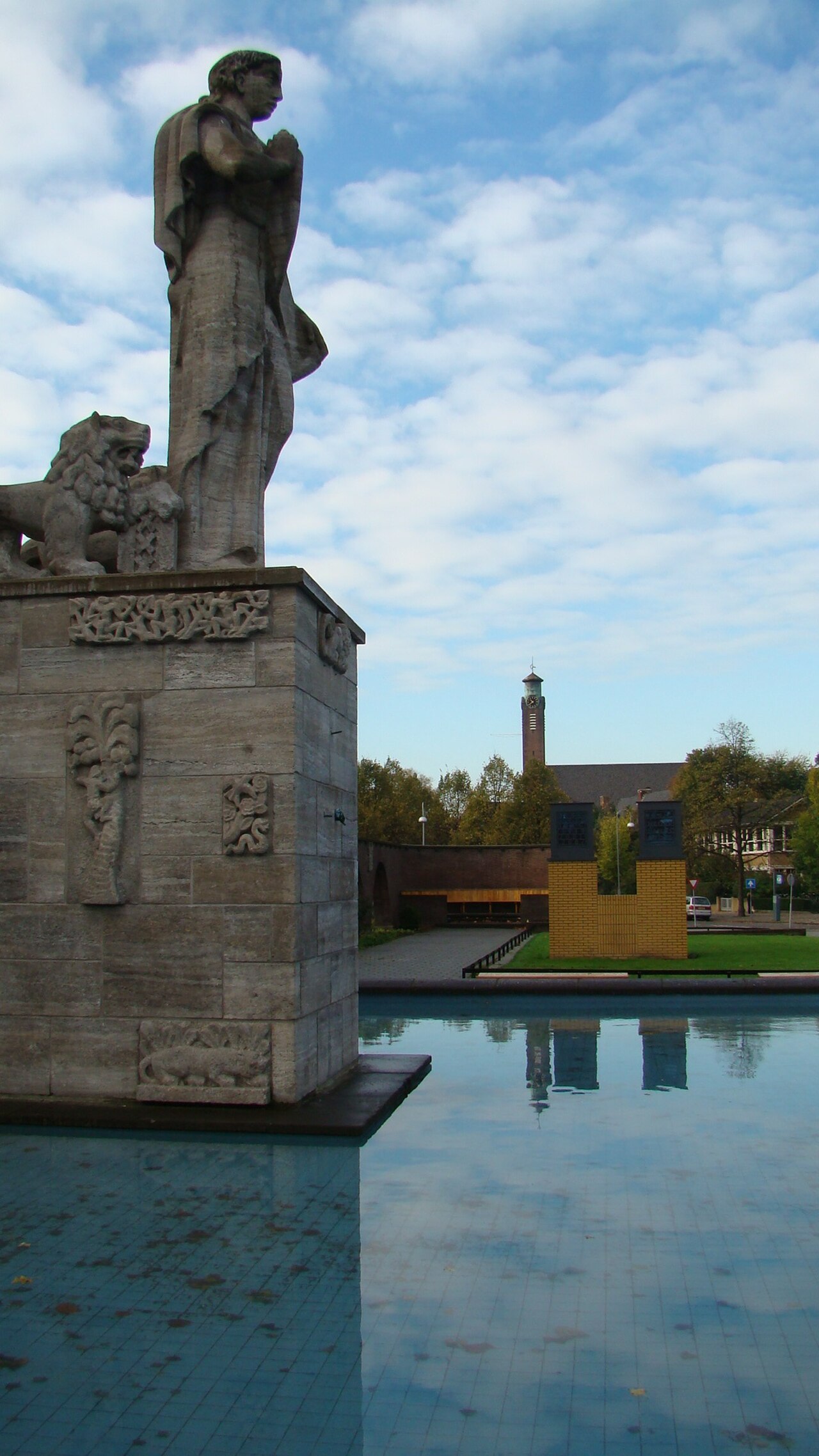
Monument Indië-Nederland
- High · Heritage site
- Art and culture venue
Language · 11 published
Historic monument · Amsterdam
Reviewed by Elena Voss · Roavina Travel Editor
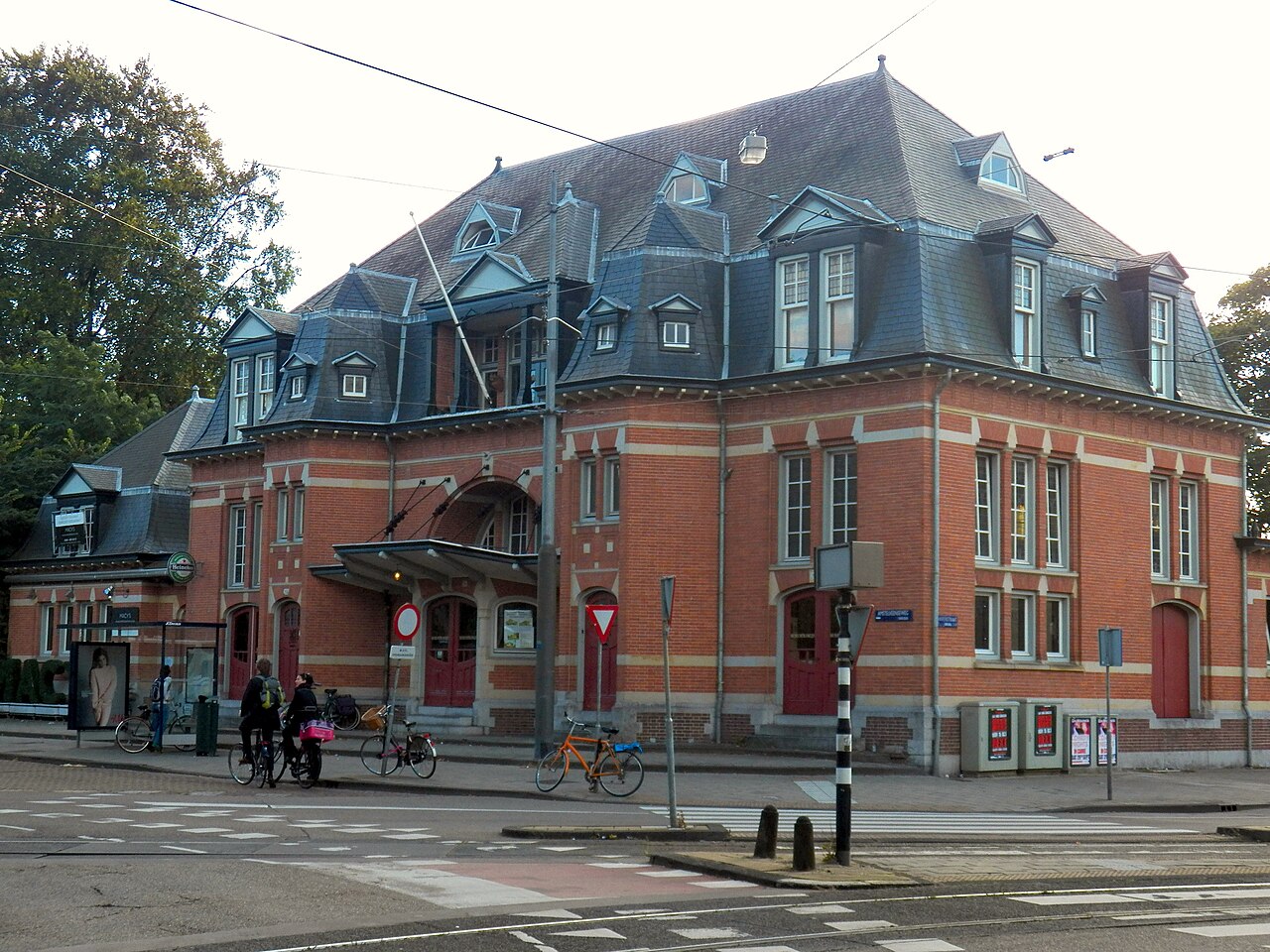
This place is a Attraction. It opened in 1915. It carries the Rijksmonument heritage designation.
Haarlemmermeerstation is a historic railway station building in Amsterdam. It formerly served as a terminus for the Haarlemmermeer railway lines and represents the period when railways connected the capital with surrounding polder communities. Today, its interest lies in preserved railway architecture and transport history rather than ordinary passenger travel. The building suits visitors who enjoy industrial heritage, old stations, and the way former infrastructure remains visible within a modern city. Haarlemmermeerstation is a historic railway station building located in Amsterdam, Netherlands. It formerly served as the terminus for the Haarlemmermeer railway lines. The structure represents 19th-century Dutch railway architecture and stands as a preserved monument to the region's transportation history. The station played a significant role in connecting Amsterdam to the surrounding polder areas, facilitating both passenger and goods movement during the era of expanding rail networks across the Netherlands.
Checked 2026-08-26 · Source
The station’s historical purpose helps explain its architectural layout: railway buildings traditionally brought together passenger waiting areas, ticketing functions, staff rooms, and operational spaces. Concentrate on the preserved structure and its former role in the railway network. If an authorised opening provides interior access, treat the rooms as heritage spaces rather than as a functioning modern station. The interior features characteristic elements of period railway station design, including original architectural details that reflect its historical function. The building's layout would have originally accommodated passenger waiting areas, ticketing facilities, and operational spaces for railway staff. Visitors should expect a preserved historical structure rather than a fully operational modern transport hub.
Checked 2026-08-26 · Source
Allow fifteen to thirty minutes for Haarlemmermeerstation. A shorter stop works for exterior architecture and a longer one suits travellers who want to examine the station’s historical form in detail or enter during an authorised opening. It is a compact landmark, so most visitors will not need a long standalone visit. Add time around it only when the surrounding neighbourhood or a railway-history route is part of your plan. A visit to Haarlemmermeerstation typically requires approximately 15 to 30 minutes for exterior appreciation and brief interior observation if accessible. Photography enthusiasts or architectural historians may spend longer examining structural details. The surrounding area may offer additional points of interest for those wishing to extend their visit.
Checked 2026-08-26 · Source
Daylight is the practical choice for reading the building’s facade, roofline, entrances, and surviving railway character. Spring and summer make an exterior walk more comfortable, while the station remains a heritage sight in other seasons. Build the stop into a flexible route because the building is not described as a normal active passenger station. If interior access forms part of a special programme, its scheduled time will determine the most useful arrival period.
Checked 2026-08-26 · Source
Exterior appreciation from public space is the straightforward way to include Haarlemmermeerstation in a city walk. Any event, exhibition, or alternative use inside the building could have its own terms. For itinerary planning, treat the station as a free heritage sight from outside and keep paid activities separate unless a specific event has already been arranged.
Checked 2026-08-26 · Source
Reach Haarlemmermeerstation through Amsterdam’s urban transport network, then continue on foot or by bicycle to the building. Trams and buses serve the city’s neighbourhoods, while cycling is practical for a heritage route that links several points of interest. Use the mapped station name as the destination and allow time to orient yourself around the surrounding streets. A car is less convenient for a brief central-city stop because parking is difficult and the final approach may be better on foot.
Checked 2026-08-26 · Source
Haarlemmermeerstation is a historic structure, so steps, uneven surfaces, private boundaries, or restricted areas may be part of the setting. Stay on public paths and use only clearly authorised entrances. Do not cross barriers for a closer photograph. Watch traffic, bicycles, and construction around the building, and dress for an outdoor stop because shelter may be limited.
Checked 2026-08-26 · Source
Photograph Haarlemmermeerstation as a piece of railway architecture. A wider frame can show the building in its urban setting, while closer views can isolate the roofline, facade, entrances, and period details. Morning or late-afternoon light may give the structure stronger modelling than harsh midday sun. Keep tripods and bags out of circulation routes. Interior photographs belong to any rules governing an authorised opening, and aerial images require compliance with Dutch aviation restrictions.
Checked 2026-08-26 · Source
It is a historic railway station building and heritage landmark, formerly associated with the Haarlemmermeer railway lines rather than ordinary current passenger travel.
The main interest is the preserved station structure and its connection with Amsterdam’s railway and transport history.
Plan fifteen to thirty minutes for exterior viewing, with more time only if an authorised interior opening or a detailed heritage walk is part of your visit.
The building is described as a former railway terminus and a preserved heritage structure, not as a normal modern passenger station.
The guide material identifies no regular public interior route. Plan an exterior visit and enter only through a clearly authorised opening.
Exterior photography suits the visit. Keep equipment clear of paths and respect barriers, private areas, and any rules applying to authorised interior access.
Loading the interactive map…
The interactive map could not be loaded.
Last updated:
Source: OpenStreetMap contributors, Wikidata ·