
2 min walk
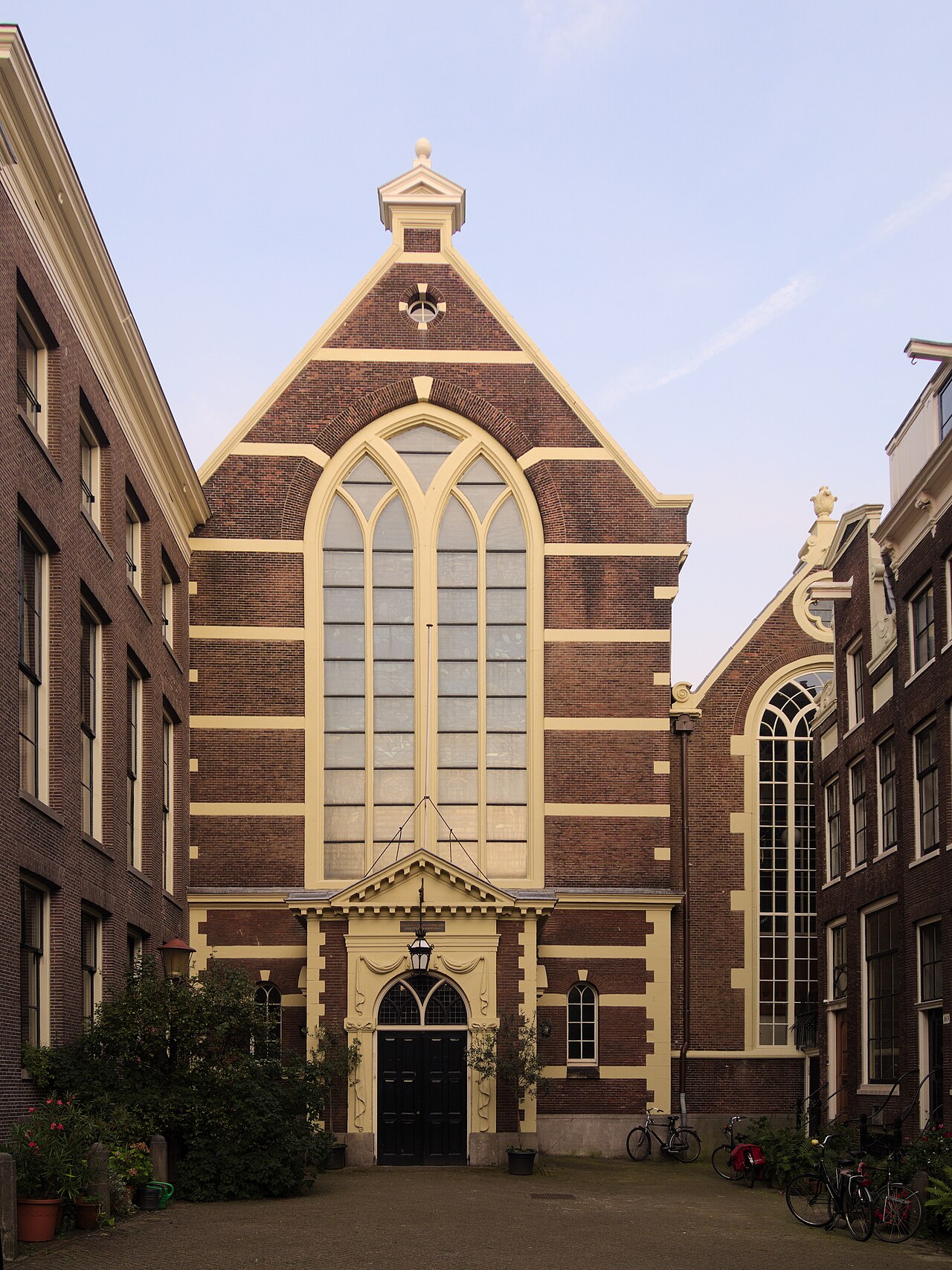
Walloon Church
- Must see · Heritage site
- Place of worship
Language · 11 published
Museum · Amsterdam
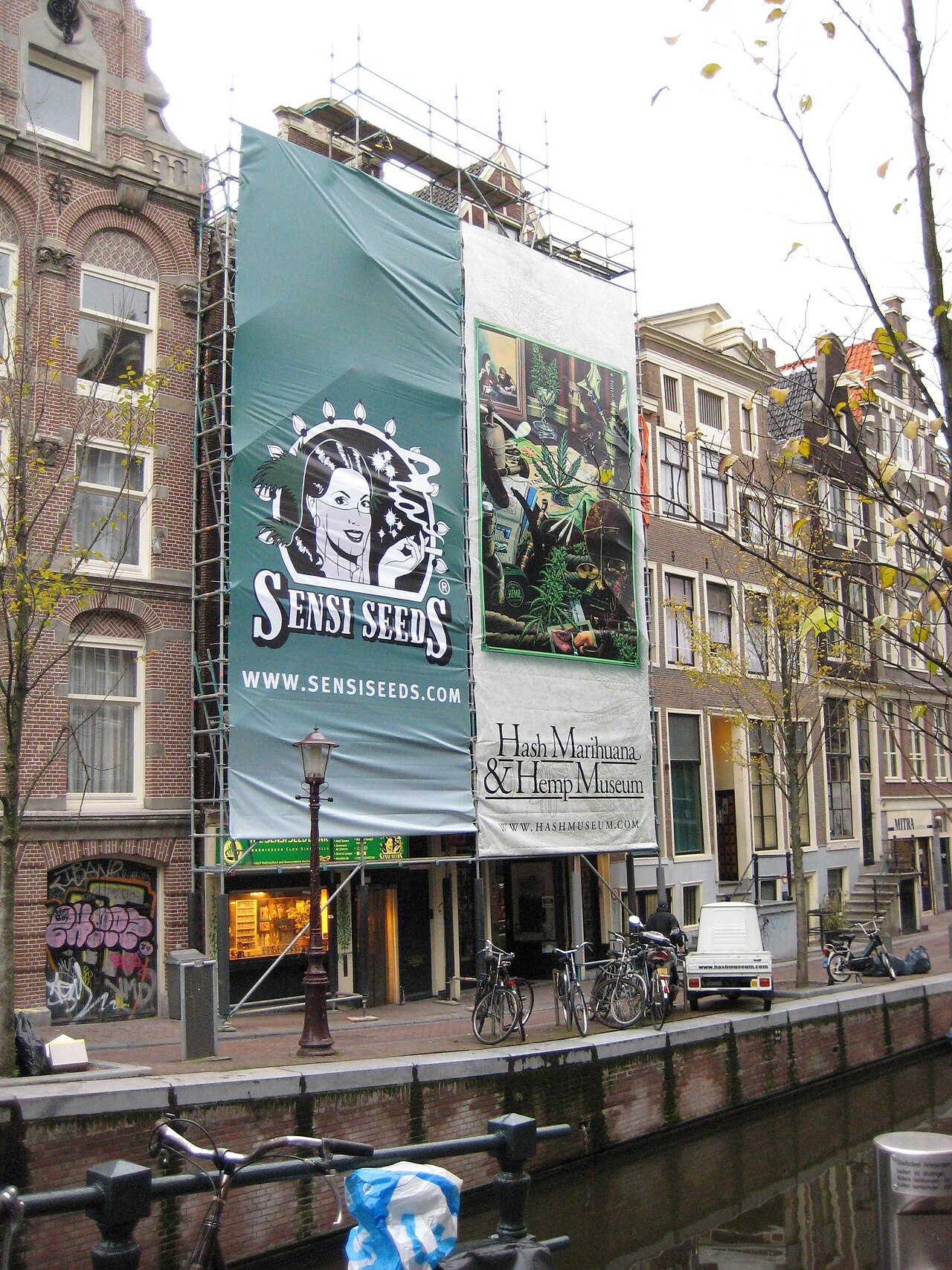
Hash Marihuana & Hemp Museum
Reviewed by Elena Voss · Roavina Travel Editor
| Monday | 10:00 – 22:00 |
|---|---|
| Tuesday | 10:00 – 22:00 |
| Wednesday | 10:00 – 22:00 |
| Thursday | 10:00 – 22:00 |
| Friday | 10:00 – 22:00 |
| Saturday | 10:00 – 22:00 |
| Sunday | 10:00 – 22:00 |
Parsed from OpenStreetMap opening hours on 2026-09-09.
This place is a Museum. It was established in 1985.
The Hash Marihuana & Hemp Museum in Amsterdam is a museum dedicated to cannabis culture and the history of hemp. It explores the plant's multifaceted uses across medicine, industry, and recreation. Located in the city centre, it occupies a historic building and presents itself as an educational institution. The museum documents the long relationship between humans and cannabis, from ancient cultivation to contemporary policy debates. Its existence reflects Amsterdam's historically tolerant approach to cannabis, though visitors should note that legal frameworks continue to evolve both locally and nationally.
Checked 2026-08-26
The museum contains exhibits on cannabis cultivation, processing techniques, and historical applications. Displays reportedly include botanical specimens, historical artefacts, and documentation of hemp's industrial uses in textiles, rope, and paper. There may be information about medicinal cannabis and changing legal statuses worldwide. Some accounts suggest grow room demonstrations or visual presentations of cultivation cycles. The exact current exhibit configuration is not confirmed. Visitors should expect an educational rather than recreational focus, with emphasis on botanical and cultural history rather than consumption guidance or product sales on site.
Checked 2026-08-26
A typical visit to a specialised museum of this size generally requires between forty-five minutes and ninety minutes, depending on individual reading pace and interest depth. Visitors who examine each display thoroughly, read all informational panels, and watch any audiovisual content should allocate towards the longer end of this range. Those with cursory interest may complete a circuit more quickly. The museum's compact city-centre location means it can reasonably be combined with nearby attractions in a broader itinerary. Personal pacing determines actual duration spent inside.
Checked 2026-08-26
Amsterdam experiences significant seasonal tourism variation, with summer months drawing larger crowds throughout the city centre. The museum's indoor setting makes it theoretically suitable for any weather condition. Weekend visits typically see higher footfall across Amsterdam attractions. Morning periods often offer quieter conditions at museums generally. Visitors should verify current opening times directly with the museum before travel, as hours may change without widespread notification. Holiday periods and special events in Amsterdam can affect accessibility and congestion in the surrounding district. Check the operator's own site for the travel date before relying on a schedule or fare.
Checked 2026-08-26
Amsterdam museums employ various pricing structures, with some offering concessions for students, seniors, or residents. Combination tickets with affiliated attractions may exist. Payment methods and advance booking requirements vary by institution. Visitors should consult the museum's official channels for current admission costs and any reservation obligations. Budget-conscious travellers might investigate whether city tourist cards include entry. Group rates and guided tour supplements are common practices in the sector but require direct confirmation. Currency is euros throughout the Netherlands. Check the operator's own site for the travel date before relying on a schedule or fare.
Checked 2026-08-26
The museum occupies a central Amsterdam location accessible by multiple transport modes. The city's compact historic core permits extensive walking access from major accommodation concentrations. Tram services operate throughout central Amsterdam, with stops typically within short walking distance of major attractions. Cycling represents a dominant local transport method, with rental options widely available though unfamiliarity with local traffic patterns warrants caution. Canal boat services serve tourist routes but may not provide the most direct access. Driving into the centre is generally discouraged due to congestion, limited parking, and environmental zone restrictions.
Checked 2026-08-26
Cannabis-related activities in Amsterdam operate within specific regulatory frameworks that differ from many jurisdictions. Visitors should understand that museum content does not constitute legal advice or consumption endorsement. The surrounding neighbourhood features coffee shops operating under distinct regulations; these are separate establishments from the museum. Age restrictions apply to cannabis-related venues. Personal possession limits and public consumption rules exist under Dutch law. Visitors must not assume that museum entry permits or encourages illegal behaviour elsewhere. Photographic documentation of certain exhibits may be restricted. Respectful conduct is expected in this educational setting.
Checked 2026-08-26
Photography policies at specialised museums vary considerably, with some permitting unrestricted personal photography, others restricting flash or tripod use, and some prohibiting cameras in specific galleries. Copyright protections may apply to certain displays or artworks. Visitors should observe posted signage and staff instructions regarding image capture. Social media sharing of museum interiors may raise privacy concerns if other visitors appear in frames. Commercial or promotional photography typically requires advance arrangement. When uncertain, asking staff before photographing represents prudent practice. Respect for exhibit preservation and fellow visitor experience should guide photographic behaviour.
Checked 2026-08-26
The museum functions as an educational institution. Visitors should not assume consumption is permitted or encouraged on the premises. Dutch regulations regarding cannabis use in public and semi-public spaces apply.
The museum's stated purpose is educational documentation of cannabis and hemp history. Product sales are not indicated as a museum function. Amsterdam coffee shops operate under separate regulations and licensing.
Parental discretion is advised given the subject matter. The museum presents botanical and cultural information that some families may consider appropriate for educational purposes, while others may prefer to avoid the topic with younger visitors.
Whether the museum offers guided tours, audio guides, or self-directed visit formats is not confirmed. Visitors should inquire directly with the institution regarding current interpretive services and any associated requirements.
The museum is a distinct entity from coffee shops where cannabis sale and consumption occur under specific municipal regulations. Proximity in the city centre does not indicate operational connection or shared access policies.
Accessibility features including step-free entry, lift access, and adapted facilities are not recorded. Historic Amsterdam buildings often present architectural barriers. Direct contact with the museum before visiting is recommended for specific accessibility requirements.
Loading the interactive map…
The interactive map could not be loaded.

Last updated:
Source: OpenStreetMap contributors, Wikidata ·