.jpg)
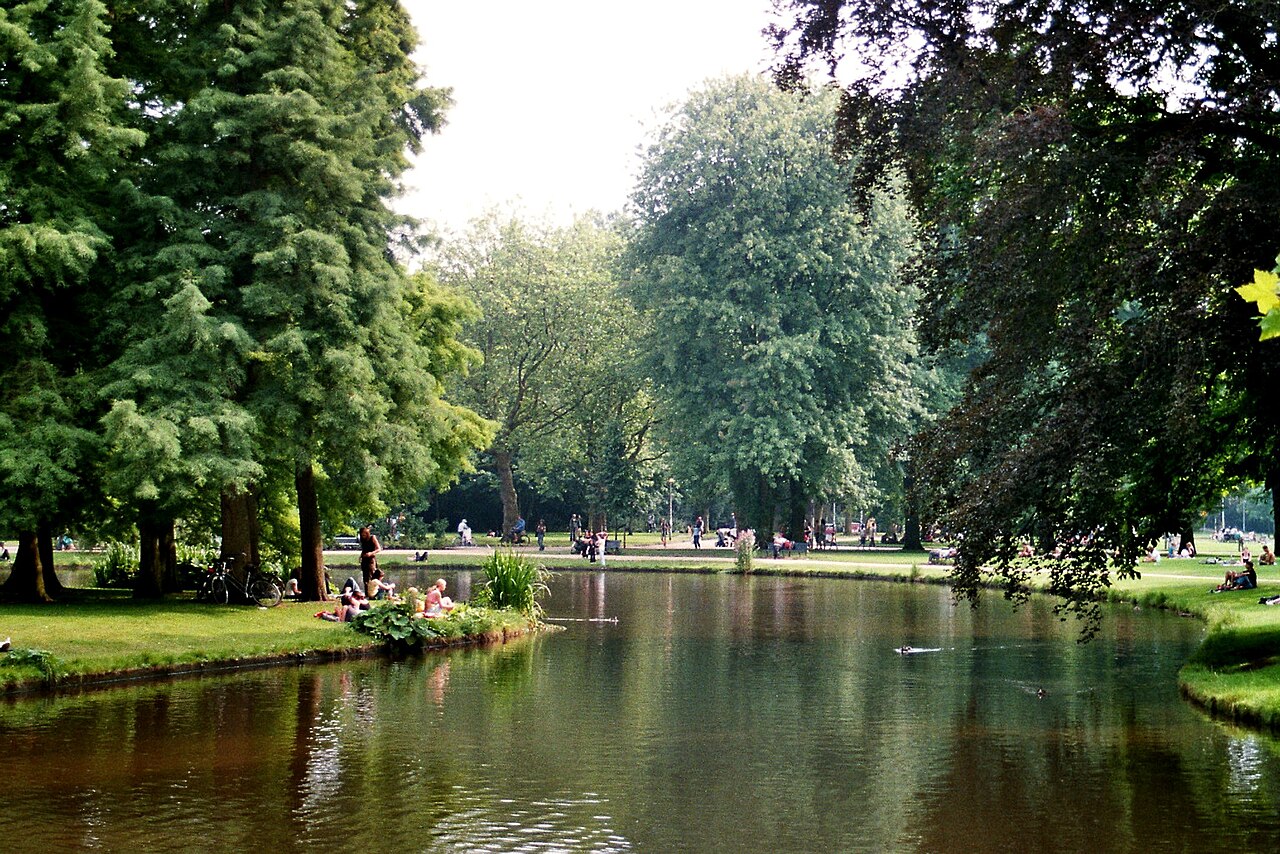
7 min walk
Vondelpark
- Must see · Heritage site
- Nature site
Language · 11 published
Historic monument · Amsterdam
Reviewed by Elena Voss · Roavina Travel Editor
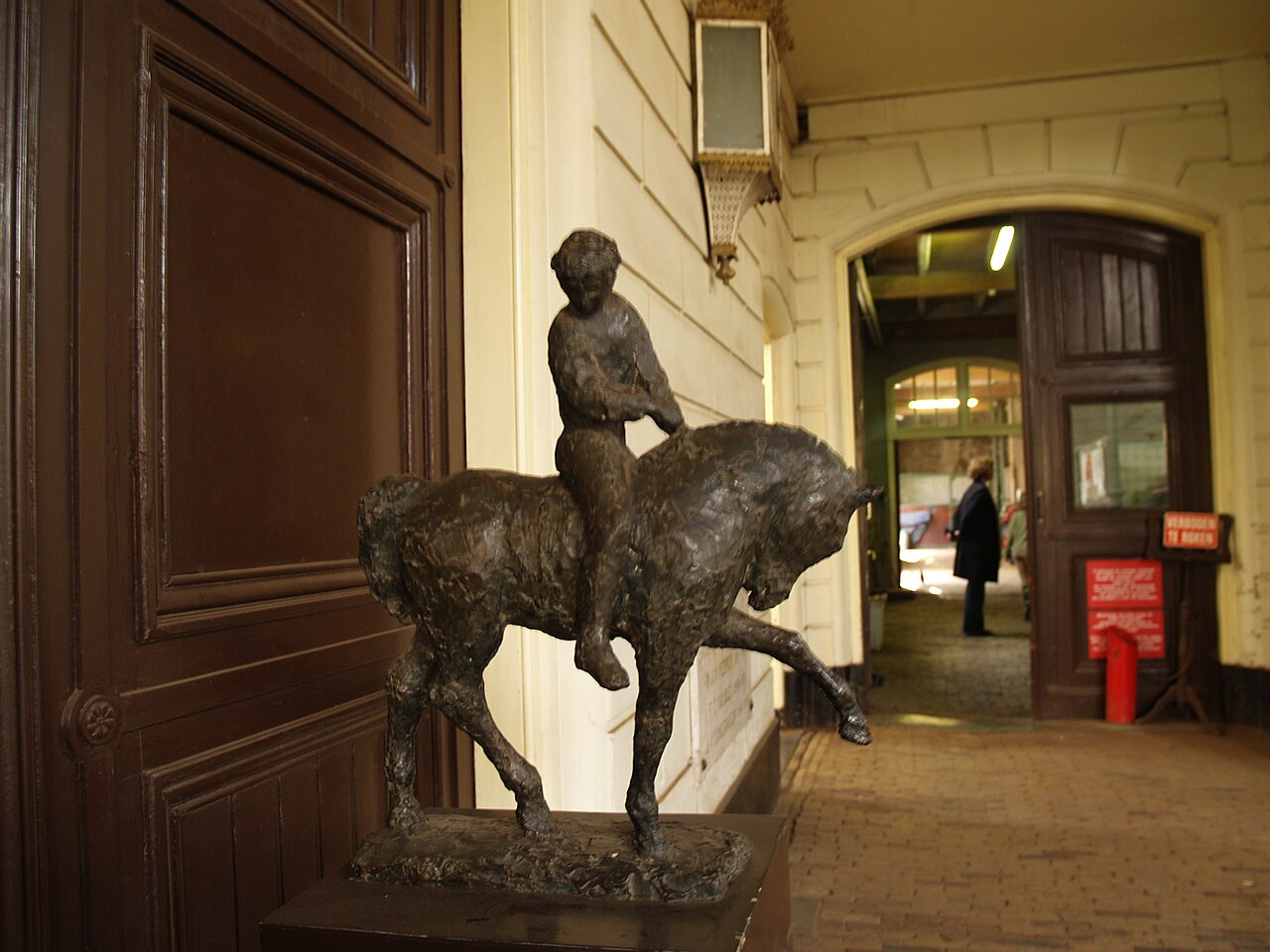
This place is a Attraction. It was established in 1882. It was built in the Neoclassicism style. It was designed by Dolf van Gendt. It carries the Rijksmonument heritage designation.
The Hollandsche Manege is a historic riding school in Amsterdam, Netherlands. Established in the nineteenth century, it represents one of the oldest indoor riding facilities in the country. The building occupies a prominent position within the urban fabric of Amsterdam. Its classical architectural character distinguishes it from surrounding structures. The institution has served equestrian purposes for generations, maintaining traditions of horsemanship. Visitors encounter a working facility rather than a conventional museum or tourist attraction. The Manege continues operational use, hosting riding activities and related events. Its historical significance derives from sustained cultural function rather than singular architectural monument status.
Checked 2026-08-26
The interior comprises a large indoor riding hall with spectator accommodation. Classical architectural elements include columned galleries and an ornate ceiling structure. Equestrian equipment and facilities occupy functional spaces. The building retains period character through surviving decorative features. Stabling areas house horses used for riding instruction. Visitors may observe training sessions depending upon scheduling. The spatial arrangement reflects nineteenth-century design priorities for equestrian display. Spectator galleries permit observation of riding activities from elevated positions. The combination of working stables and ceremonial spaces creates distinctive atmosphere. Architectural historians note surviving neoclassical decorative schemes.
Checked 2026-08-26
Duration of visit varies substantially based upon individual interest and available activities. Casual observation of architectural interiors requires limited time. Those attending scheduled riding demonstrations or events should allocate corresponding periods. Photography enthusiasts examining decorative details may extend their stay. The facility functions primarily as working premises rather than dedicated visitor destination. Unplanned visits may encounter restricted access during instructional periods. Visitors should anticipate variable circumstances affecting available experience. No standardised tour duration applies. Personal discretion determines appropriate time allocation. Preparation for potentially brief access advisable given operational priorities of functioning equestrian centre.
Checked 2026-08-26
The facility maintains operational schedules determined by riding instruction programmes and private bookings. Public access varies according to these commitments. Visitors should verify accessibility before attempting visit. Seasonal variations may affect available activities. Evening events occasionally occur, though specific scheduling requires direct confirmation. The working nature of the establishment means unrestricted public access cannot be assumed. Advance inquiry recommended to establish whether observation of riding activities or architectural features possible. No definitive guidance on optimal visiting periods can be provided without verified operational information from management. Check the operator's own site for the travel date before relying on a schedule or fare.
Checked 2026-08-26
Admission arrangements remain unverified through authoritative sources. The facility may operate differential pricing for event attendance versus casual observation. Riding instruction constitutes separate commercial activity with independent fee structures. Visitors should not assume standard museum admission protocols apply. Potential charges for specific events or guided access require direct confirmation. No reliable information on payment methods, concession eligibility, or advance booking requirements available. Financial preparation advisable though exact expenditure unpredictable. Direct contact with management necessary to establish cost obligations before visit. Avoid presumption of free public access. Check the operator's own site for the travel date before relying on a schedule or fare.
Checked 2026-08-26
The Hollandsche Manege occupies a central Amsterdam location accessible by established urban transport networks. Multiple tram routes serve the surrounding district. Walking access possible from numerous central accommodation areas. Cyclists find dedicated infrastructure typical of Amsterdam. The exact street address requires verification through current mapping services. Proximity to major canals and recognised landmarks assists orientation. Visitors familiar with Amsterdam's concentric canal pattern navigate efficiently. Public transport integration with national rail services facilitates day visits. Parking availability for private vehicles uncertain given central location and urban density. Journey planning should incorporate Amsterdam's characteristic transport modalities.
Checked 2026-08-26
Operational restrictions apply given functioning equestrian premises. Visitors must respect boundaries between public and working areas. Horses require appropriate conduct from observers. Noise and activity levels fluctuate with riding schedules. Floor surfaces may present hazards characteristic of stable environments. Spectator galleries have height exposure requiring caution. Access limitations during private functions or instruction periods probable. Photography restrictions may apply though unverified. Children require supervision near animals and elevated areas. The historic fabric contains uneven surfaces and period fixtures demanding attention. Insurance and liability considerations may affect visitor behaviour requirements. Respect for ongoing equestrian activities paramount.
Checked 2026-08-26
The ornate interior presents photographic interest, particularly the columned galleries and decorative ceiling. Natural light conditions vary within the enclosed hall. Artificial illumination supports riding activities though may not optimise architectural photography. Tripod use likely restricted in working environment. Flash photography potentially disruptive to horses and riders. Spectator gallery positions offer elevated perspectives. Technical challenges include mixed lighting and spatial depth. No confirmed policy on commercial or extended photographic sessions. Discretion advisable, prioritising operational requirements. The classical architectural elements reward patient composition. Respect for ongoing activities must govern photographic behaviour. Advance inquiry regarding specific restrictions prudent.
Checked 2026-08-26
The facility functions primarily as a working riding school. Public access varies according to operational schedules and cannot be guaranteed without prior verification.
Observation possibilities depend upon current programming and scheduling. Spectator galleries exist, though availability for public use requires confirmation at time of visit.
No verified information on guided tour provision available. The establishment's primary function as equestrian centre suggests standard tourist tour infrastructure may not operate.
The nineteenth-century structure exhibits classical design elements including columned galleries and decorative ceilings, representing period equestrian architecture.
Given uncertain access protocols, advance contact with management advisable to establish whether visit objectives achievable on intended date.
Language provision unverified. Amsterdam's international character suggests some English capability probable, though not guaranteed for all interactions.
Loading the interactive map…
The interactive map could not be loaded.
Last updated:
Source: OpenStreetMap contributors, Wikidata ·