
9 min walk
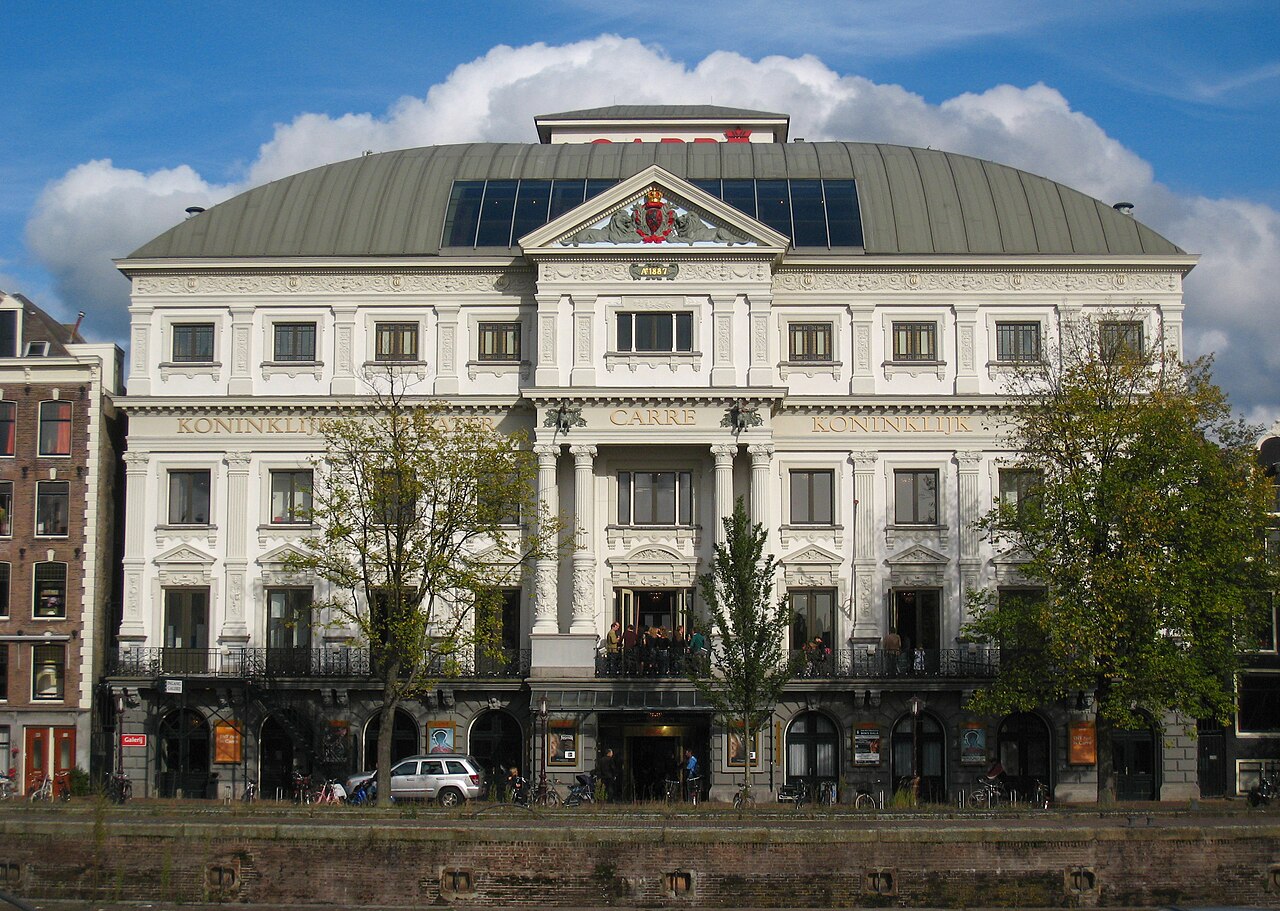
Carré Theatre
- High · Heritage site
- Art and culture venue
Historic monument · Amsterdam
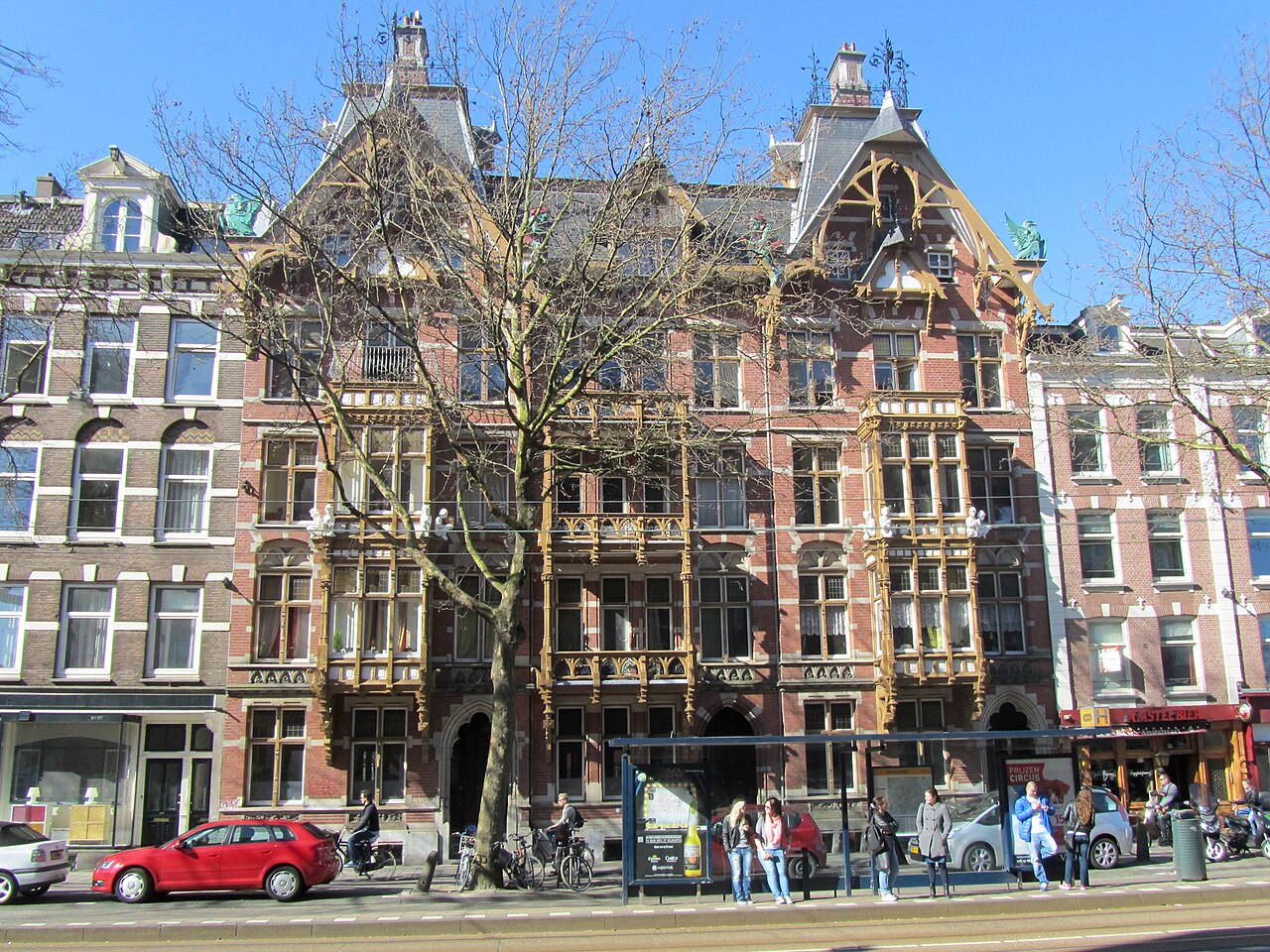
Huis met de Kabouters means House with the Gnomes. It is a distinctive Amsterdam building known for decorative gnome figures and an unusual facade. The attraction is the building’s exterior character: a small architectural discovery that rewards travellers who enjoy eccentric details, historic streetscapes, and self-guided city walks. It is not presented as a large indoor attraction. Instead, its charm comes from noticing how playful ornament can make one urban building stand apart from its neighbours. Huis met de Kabouters, meaning House with the Gnomes, is a notable building in Amsterdam distinguished by its distinctive architectural character and decorative sculptural elements featuring gnome figures. The structure contributes to the city's rich tapestry of historic canal house architecture. Its unique ornamentation sets it apart from neighbouring buildings, making it a point of interest for visitors exploring Amsterdam's heritage streetscapes. The building exemplifies the creative decorative traditions found in Dutch urban architecture. A flexible visit lets travellers connect Huis met de Kabouters with the rest of the day without treating one room, viewpoint or photograph as the whole experience. The useful pace depends on personal interest and conditions on arrival. The gnome decorations are exterior architectural features visible from the public street. No fee is required for street-level exterior viewing.
Checked 2026-08-26 · Source
The visitor interest is on the street-facing exterior, especially the gnome sculptures and decorative architectural elements. The guide material identifies no public rooms, exhibition displays, interior artworks, or visitor route inside the building. Plan to look closely from public space rather than expecting an indoor tour. The facade works best as part of a broader architecture walk, where its playful details can be compared with Amsterdam’s canal houses, narrow plots, and varied historic ornament.
Checked 2026-08-26 · Source
Allow ten to fifteen minutes for Huis met de Kabouters. That is enough time to find a clear viewing position, study the gnome figures and facade, and take a few photographs without turning a residential-looking building into an extended stop. Architecture enthusiasts may linger longer over details. The place fits naturally into a walking route, where the time spent reaching it and continuing through nearby streets becomes part of the experience.
Checked 2026-08-26 · Source
Visit during daylight if you want to see the gnome figures and facade details clearly. The exterior can be incorporated into a morning, afternoon, or evening walk because the building is viewed from the public street. Daytime is more comfortable for careful observation and photography, while evening can create a different atmosphere around the surrounding streets. Choose a moment when you can stop without obstructing pedestrians, cyclists, entrances, or residents.
Checked 2026-08-26 · Source
Street-level viewing of the exterior does not require a ticket. The building is a self-guided architectural sight, so there is no entry procedure for the public view described in this guide. A commercial walking tour that includes the facade would be a separate experience arranged by that tour provider. Keep the stop in the free section of an Amsterdam walking itinerary and reserve paid admission planning for attractions with indoor displays or scheduled programmes.
Checked 2026-08-26 · Source
Navigate to Huis met de Kabouters through Amsterdam’s central streets and include it in a walking or cycling route. Trams and buses connect the wider city with central neighbourhoods, after which the final approach is best made on foot. Use the mapped place name when setting the destination, then leave enough space around the building for a safe viewing position. The surrounding canal-district streets are part of the reward, so avoid treating the destination as an isolated roadside stop.
Checked 2026-08-26 · Source
Respect the building as part of a lived urban neighbourhood. Do not enter private areas, press against windows, block doorways, or linger in front of entrances. Amsterdam’s cycle traffic can be fast and quiet, especially when attention is directed upward at the facade. Keep bags and cameras close in crowded streets, and move aside after taking a photograph. Rain, parked bicycles, foliage, or street furniture may partly hide the decorative details from one angle.
Checked 2026-08-26 · Source
The gnome figures are the natural photographic subject. Start with a wider view that places the decorated facade within its street, then move only where the pavement remains clear for pedestrians and cyclists. Daylight helps reveal relief and colour, while a position across the street may make the building easier to frame. Use compact equipment, avoid photographing through private windows, and never let a tripod or group stop obstruct the public way.
Checked 2026-08-26 · Source
You can see the building’s distinctive exterior facade and its decorative gnome figures from the public street.
No ticket is needed for street-level exterior viewing. A paid walking tour would be a separate service provided by its organiser.
Ten to fifteen minutes is enough for a focused look at the facade, the gnomes, and a few photographs.
Daylight gives the clearest view of the decorative figures and facade details. Choose a position that leaves the pavement clear.
The guide presents the building as an exterior sight and identifies no public interior visitor route. View it from lawful public space.
Respect residents and passers-by: keep entrances clear, avoid private windows, watch for bicycles, and move aside after taking photographs.
Loading the interactive map…
The interactive map could not be loaded.
Last updated:
Source: OpenStreetMap contributors, Wikidata ·