
2 min walk
Dutch Resistance Museum
- Must see
- Museum
Language · 11 published
Museum · Amsterdam
Reviewed by Elena Voss · Roavina Travel Editor
| Monday | 09:00 – 18:00 |
|---|---|
| Tuesday | 09:00 – 18:00 |
| Wednesday | 09:00 – 18:00 |
| Thursday | 09:00 – 20:00 |
| Friday | 09:00 – 20:00 |
| Saturday | 09:00 – 20:00 |
| Sunday | 09:00 – 18:00 |
Parsed from OpenStreetMap opening hours on 2026-09-09.
This place is a Museum. It was established in 2014.
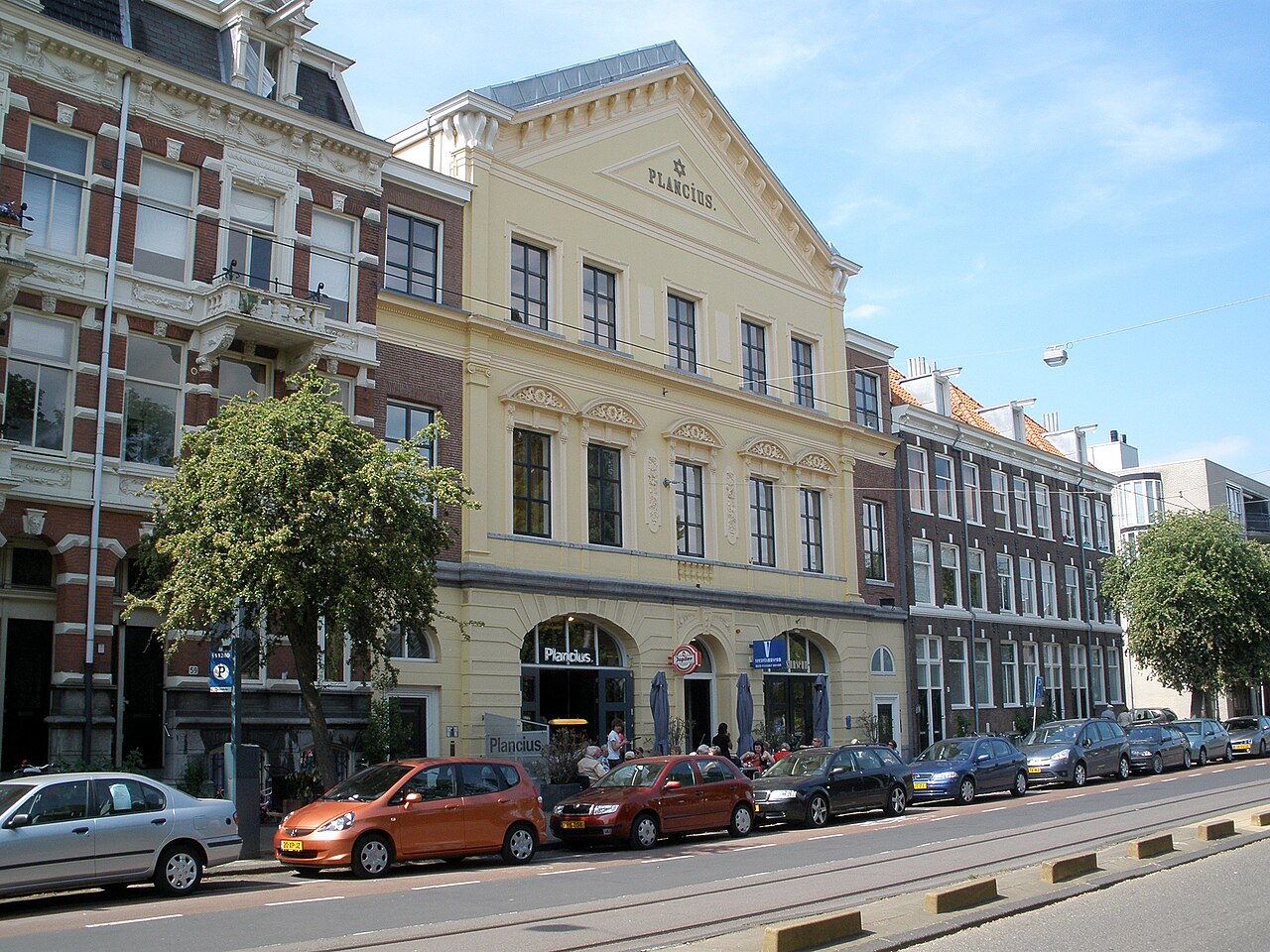
Micropia is Amsterdam’s museum devoted to microbial life, in the Plantage district beside Artis Zoo. Its subject is the living world of bacteria, fungi, and other microorganisms that normally remains beyond unaided sight. The visit turns that hidden scale into the main attraction through observation, explanation, and technology. Micropia connects microscopic life with bodies, ecosystems, food, decomposition, fermentation, and symbiosis, giving the museum a clear identity within Amsterdam’s cultural landscape. It suits visitors who enjoy science presented through close looking and active interpretation, including families prepared to explore at a slower, more attentive pace.
Checked 2026-08-26 · Source
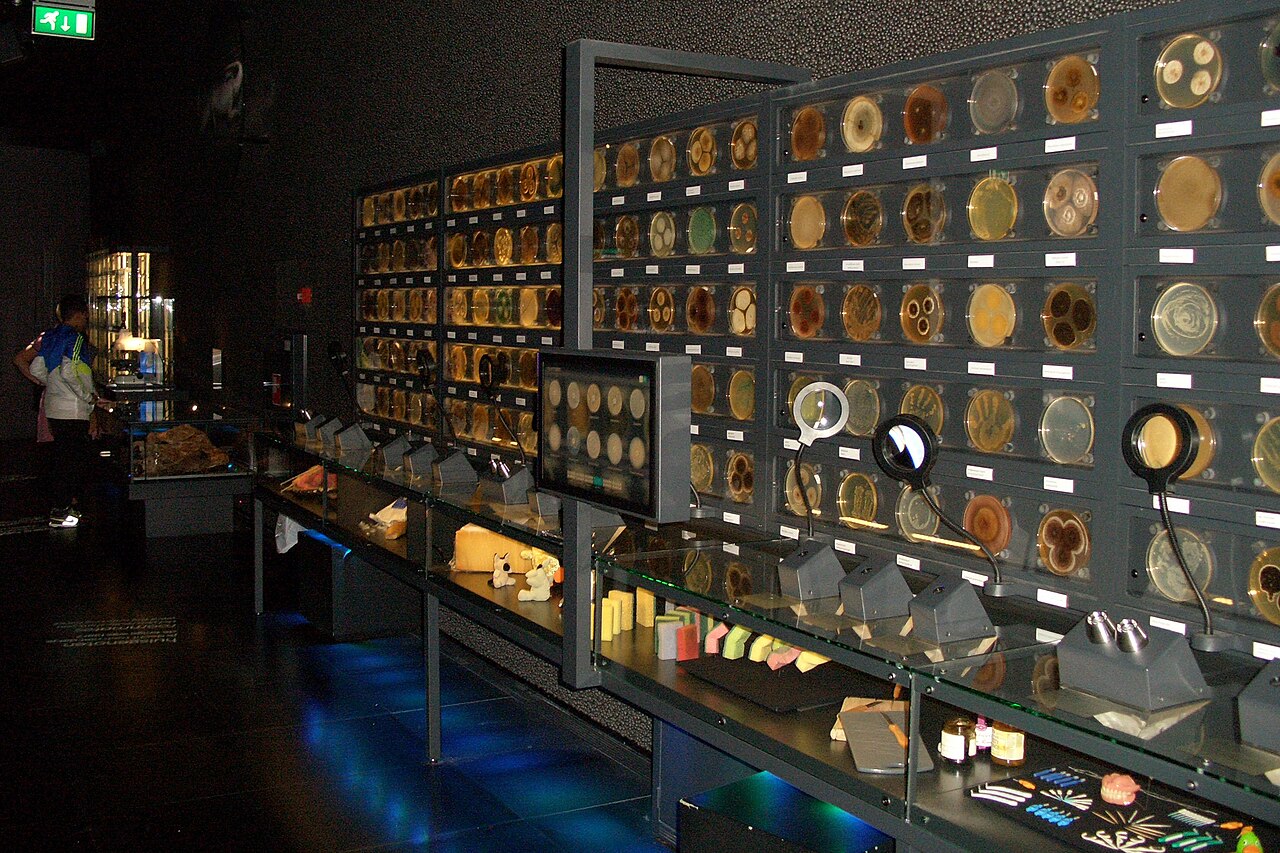
Inside, visitors encounter living microorganisms, cultivation displays, interactive installations, and microscopes that enlarge forms and activity impossible to see unaided. Exhibits connect microbial life with decomposition, fermentation, symbiosis, and the human microbiome. The presentation has a laboratory-like character, with illuminated specimens and projections standing out against darker surroundings. This is less a procession of static objects than a sequence of investigations: visitors look closely, compare forms of life, and consider the work microorganisms perform in familiar biological processes. Real-time observation and hands-on interpretation keep the subject connected to ordinary experiences rather than presenting microbes as remote laboratory abstractions.
Checked 2026-08-26 · Source
Allow about one to two hours for a focused visit. Micropia is compact, but its displays reward time spent at microscopes, interactive stations, explanations, and demonstrations rather than a quick walk-through. Visitors who enjoy detailed scientific interpretation can linger over individual processes, while families may move at the pace set by hands-on discoveries. The museum also fits naturally into a longer Plantage itinerary or a day that includes nearby Artis, although combining attractions calls for substantially more time than the Micropia visit alone. A rushed circuit can miss the point, since the smallest displays often need the longest look.
Checked 2026-08-26 · Source
Micropia is an indoor attraction and suits a wet or unsettled Amsterdam day. Its displays reward unhurried attention, so a quieter period is preferable if you want time at the microscopes and interactive stations. The Plantage setting works well for a day built around museums and nearby cultural attractions. Its concentrated format makes it easy to place between other activities, while the darkened exhibition environment remains independent of outdoor weather. Families may prefer a visit when they can give younger visitors enough time to understand each station instead of treating the museum as a quick stop.
Checked 2026-08-26 · Source
No operator-sourced admission price is recorded for Micropia in this guide. Its position beside Artis is useful for planning a combined day geographically, but proximity does not establish shared entry conditions, concessions, or free admission. Treat Micropia and Artis as separate attractions when estimating the shape of a day unless the responsible institution states otherwise. This guide therefore makes no claim about fares, discounts, booking requirements, or ticket validity. The practical planning point is the museum’s location and compact format, not an unverified ticket arrangement.
Checked 2026-08-26 · Source
Micropia is in Amsterdam’s Plantage district, next to Artis Zoo, which provides a clear landmark when approaching the area. The neighborhood is connected to the wider city by tram routes and is practical to reach by bicycle, with nearby cycling infrastructure. It can also be incorporated into a walk from central Amsterdam, including routes from the Rembrandtplein area. Central Station is a useful orientation reference for the eastward journey. Water transport on surrounding canals can help place the museum within a broader city itinerary, although no dedicated parking guidance is confirmed. Signage supports approaches from different directions.
Checked 2026-08-26 · Source
Micropia asks visitors to adjust to a different scale of observation. Some displays require patience and close attention, while the darker interior can make movement and visual orientation less immediate. Content about bodily microorganisms may not suit every visitor. Children benefit from supervision around interactive stations, especially when several people share a display. If a microscope or demonstration is busy, continue through the exhibition and return later. The subject may surprise visitors expecting large animals or conventional cases, because the museum’s interest lies in processes, cultures, and magnified activity rather than monumental objects.
Checked 2026-08-26 · Source
The museum’s dark rooms and bright microscope displays create difficult conditions for ordinary photography. Images may capture the atmosphere more successfully than the fine detail shown through the exhibits themselves. Visitors should follow any signs or staff instructions concerning cameras, flash, and equipment in crowded areas. Keeping equipment compact helps preserve the viewing experience for other visitors. The strongest visual impression may come from the contrast between darkness, illuminated displays, and the act of looking closely. Photography works best when it records the atmosphere rather than attempting to reproduce every microscopic detail.
Checked 2026-08-26 · Source
Children who enjoy hands-on science can find the microscopes and interactive displays engaging. The subject is less immediately obvious than a collection of large animals, so younger visitors may benefit from an adult explaining what each station reveals and why microorganisms matter. Supervision is useful around shared interactive displays. No specific age recommendation is recorded for Micropia.
Micropia and Artis are neighboring attractions with distinct identities. Their proximity makes a combined day easy to plan geographically, but no operator-sourced ticket terms establish whether entry is independent or bundled. Do not treat the attractions’ locations as proof of shared admission, and do not rely on an unverified combination ticket when planning the day.
The museum presents living microorganisms through cultivation displays and observation-based exhibits. That emphasis is central to the experience: visitors encounter microbial life as an active process rather than only as preserved images or static specimens. The displays also connect those processes with decomposition, fermentation, symbiosis, and the human microbiome, showing why microscopic activity matters beyond the exhibition itself.
A guided-tour programme is not established by the cited research. The described experience is primarily self-directed, using interpretive material, interactive stations, microscopes, and cultivation displays to structure the visit. No specific tour schedule or duration is established, so the guide describes the exhibition experience without promising a hosted tour.
The guide makes no accessibility promise and does not infer one from the museum’s institutional setting. Visitors with specific access requirements should obtain information from the responsible institution before planning their visit, because the darkened exhibition environment may also affect navigation comfort.
Micropia makes invisible biological systems its subject. Instead of centering taxidermy or large preserved specimens, it uses microscopes, living cultures, interactive technology, and explanations of microbial activity to show how small organisms influence bodies, environments, and everyday processes. The result is an investigation of processes rather than a conventional display of large specimens, with looking and interpretation at the center.
Loading the interactive map…
The interactive map could not be loaded.

Last updated:
Source: OpenStreetMap contributors, Wikidata ·