

1 min walk
Madame Tussauds Amsterdam
- High
- Museum
Historic monument · Amsterdam
Nationaal Monument
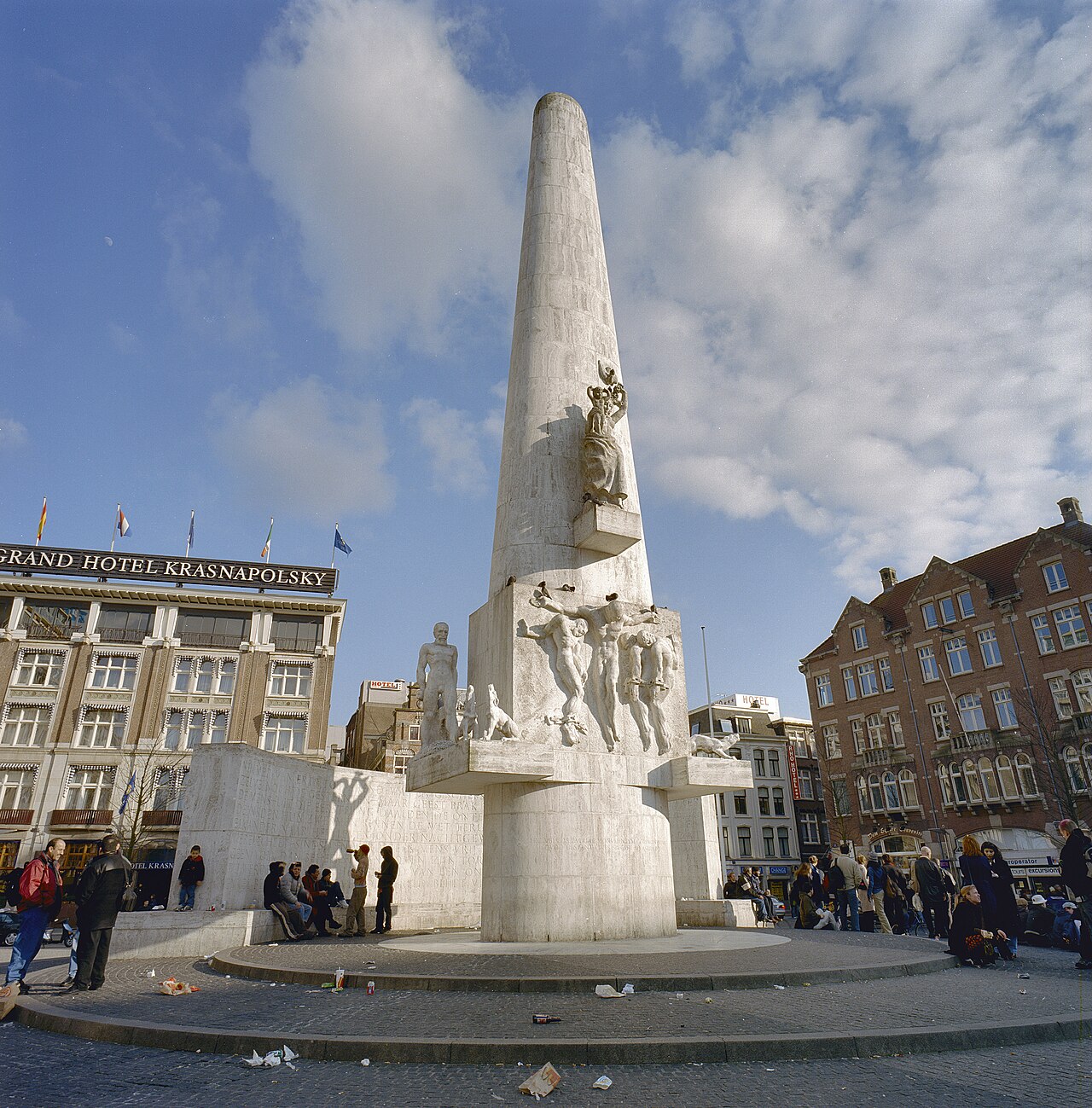
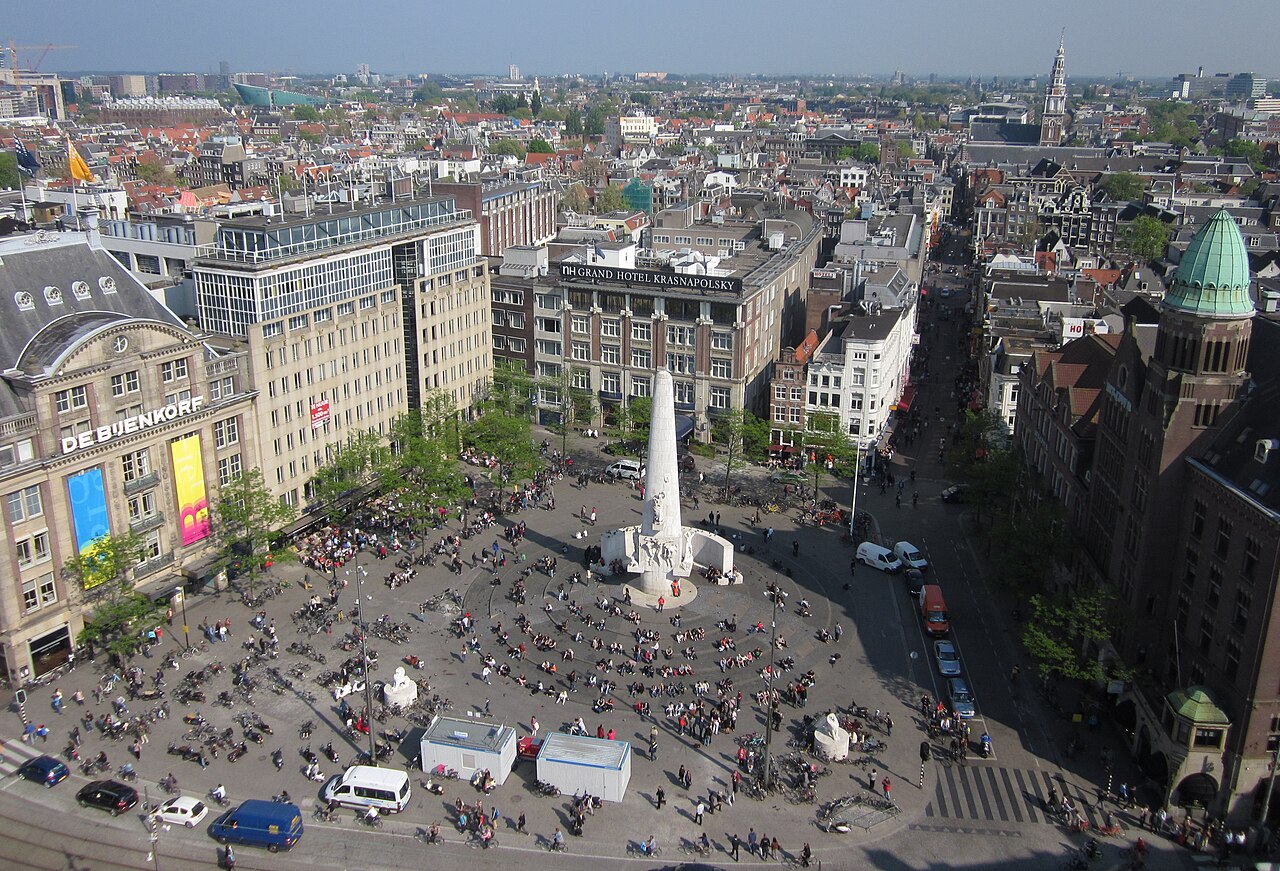
The National Monument is a white stone memorial pillar located on Dam Square in central Amsterdam. Erected in 1956, it commemorates Dutch victims of World War II and subsequent conflicts. The monument stands approximately 22 metres tall and features sculptures by architect J.J.P. Oud and sculptor John Rädecker. It serves as the Netherlands' principal national site of remembrance. Annual ceremonies take place here, most notably on Remembrance Day, May 4th, when the Dutch observe two minutes of silence at 8:00 PM. The monument occupies a prominent position facing the Royal Palace and attracts numerous visitors throughout the year.
Checked 2026-08-26
The monument consists of a central obelisk-like pillar with sculptural reliefs and figures at its base. These include representations of suffering, resistance, and peace. Four male figures symbolising the suffering of war stand at the corners. A female figure with a child represents victory, peace, and new life. The monument contains an internal space with urns holding soil from Dutch provinces and former colonies. The sculptural programme extends to the surrounding pavement. Visitors cannot enter the monument itself but may examine the exterior sculptures and inscriptions from all sides. The site functions purely as an outdoor memorial without enclosed exhibition spaces.
Checked 2026-08-26
A visit to the National Monument requires minimal time commitment. Most visitors spend between ten and twenty minutes observing the monument, reading inscriptions, and appreciating the sculptural details. The experience may extend to thirty minutes for those examining each sculptural element carefully or reflecting at the site. The monument forms part of broader Dam Square exploration, where visitors typically combine this stop with surrounding attractions. No queues or entry procedures delay access. The memorial suits brief contemplative pauses during city walks. Those attending commemorative ceremonies should allocate additional time for the structured programme and crowd dispersal.
Checked 2026-08-26
The National Monument remains accessible at all hours as an open-air public structure on Dam Square. No barriers restrict visiting times. The monument holds special significance during evening ceremonies on May 4th, when large crowds gather for Remembrance Day observances. Visitors seeking quiet reflection may prefer early mornings or late evenings on ordinary days. The square becomes exceptionally busy during peak tourist seasons and shopping hours. Weather conditions affect comfort but not access. Night illumination highlights the monument's form. Personal discretion should guide timing based on desired atmosphere and crowd tolerance. Check the operator's own site for the travel date before relying on a schedule or fare.
Checked 2026-08-26
No admission fee applies to viewing the National Monument. The memorial stands in unrestricted public space. No tickets, reservations, or guided tours are required for basic visitation. Commercial tour operators may include the monument in paid walking tours of Amsterdam's central district, but such arrangements remain entirely optional. Visitors should exercise standard caution regarding personal belongings in crowded conditions. No facilities for payment or ticketing exist at the monument itself. Any request for payment to access the immediate area would indicate fraudulent activity requiring avoidance and potential reporting to authorities. Check the operator's own site for the travel date before relying on a schedule or fare.
Checked 2026-08-26
Dam Square occupies central Amsterdam, accessible by multiple transport modes. Trams 4, 9, 14, 16, 24, and 25 serve nearby stops. Amsterdam Central Station lies approximately ten minutes' walk south. The square sits at the terminus of Damrak, the main approach from the station. Numerous bus routes pass through surrounding streets. Cycling remains prevalent; bicycle parking fills quickly in this high-traffic zone. Walking from major central hotels and attractions proves straightforward given the monument's prominent location. Water transport options exist on nearby canals but require additional walking. Visitors should anticipate heavy pedestrian congestion throughout the area regardless of transport choice.
Checked 2026-08-26
Dam Square experiences persistent crowding and associated petty crime risks. Visitors should secure valuables against pickpockets, particularly during ceremonies when distracted crowds create opportunities. Pigeon concentrations around the square present hygiene considerations. The monument's steps and base attract sitters despite their commemorative purpose; respectful conduct is appropriate. Political demonstrations occasionally occur in this symbolic public space, causing unpredictable crowd dynamics and access variations. Aggressive street performers and souvenir sellers operate in the vicinity. Weather exposure is complete with no shelter at the monument itself. Evening illumination, while attractive, coincides with reduced visibility of surrounding hazards and increased personal security considerations.
Checked 2026-08-26
The National Monument permits unrestricted photography from all exterior angles. No flash restrictions or tripod prohibitions are indicated for standard visitor photography. The white stone surface presents exposure challenges in bright conditions; overcast skies may yield more balanced results. Early morning and late afternoon light accentuate sculptural relief details. The monument's height requires consideration of shooting angles to capture full structure against sky backgrounds. Crowd management in compositions proves necessary given constant foot traffic. Night photography benefits from artificial illumination though tripod stability competes with pedestrian flow. Drone operation would require appropriate regulatory compliance given urban location and proximity to royal and governmental properties.
Checked 2026-08-26
No. The monument contains internal urns but offers no public access to enclosed spaces. Visitors may only examine exterior sculptures and inscriptions.
No. The National Monument stands in unrestricted public space with no admission charge.
Remembrance Day ceremonies occur annually, including two minutes of national silence at 8:00 PM. Large crowds gather for this commemoration.
No dedicated monument tours exist. Commercial walking tours of central Amsterdam may include the site incidentally.
Yes. The open-air structure remains accessible continuously, with artificial illumination after dark.
The monument was erected in 1956, making it approximately seven decades old.
Loading the interactive map…
The interactive map could not be loaded.
Last updated:
Source: OpenStreetMap contributors, Wikidata ·