
6 min walk
ARTIS Amsterdam Royal Zoo
- Must see
- Family attraction
Language · 11 published
Historic monument · Amsterdam
Reviewed by Elena Voss · Roavina Travel Editor
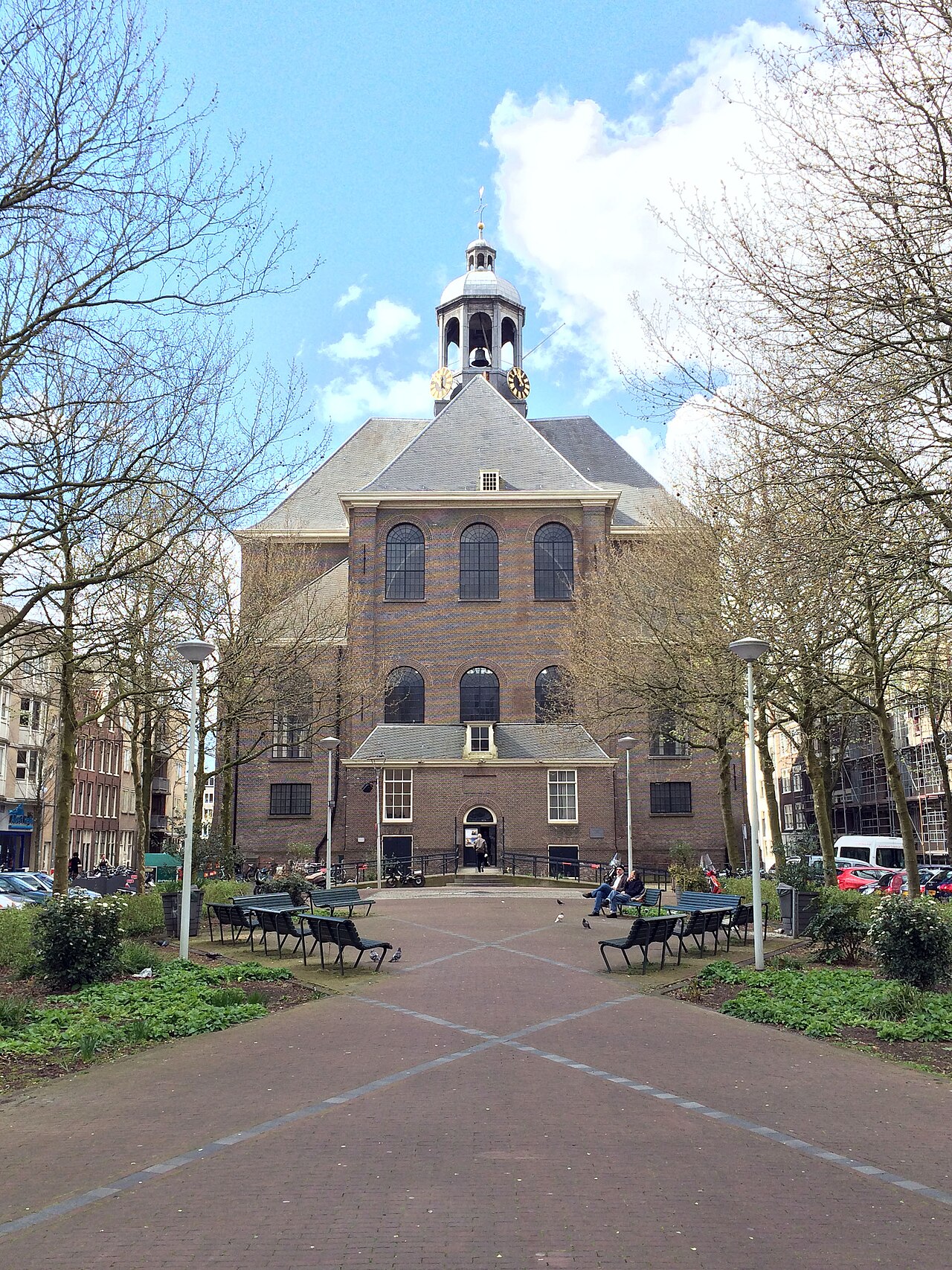
It was established in 1671. It was built in the Renaissance architecture style. It was designed by Adriaan Dortsman. It carries the Rijksmonument heritage designation.
Oosterkerk, or East Church, is a historic church building in Amsterdam. Its name points to the eastern part of the city, while the building itself belongs to Amsterdam’s religious and architectural heritage. It is best approached as a neighbourhood landmark: a place to pause, examine the exterior, and understand how historic worship buildings form part of the city’s urban fabric. The visit suits travellers interested in architecture, local history, and quieter alternatives to Amsterdam’s busiest attractions. Oosterkerk is a historic church building in Amsterdam, Netherlands. The name translates from Dutch as East Church, indicating its location in the eastern part of the city. It represents part of Amsterdam's religious architectural heritage. The structure dates from a period of significant church construction in the Dutch capital. The building's local name and stored coordinates were copied without approximation during cataloguing. Visitors should verify current status independently before planning. Direct contact with operators or recent visitor reports should be consulted. Fee structures require direct verification before visiting.
Checked 2026-08-26 · Source
The confirmed point of interest is the church building itself, but the available guide material identifies no particular interior artwork, memorial, organ, stained glass, exhibition, or other interior feature. Treat the outside as the reliable focus of a visit. If the doors are open for worship or another public purpose, enter quietly and follow any instructions displayed inside. The character of the building is most useful when observed as part of Amsterdam’s historic streets rather than as a large museum collection. Any historical artifacts, memorial plaques, or notable artworks remain unverified. Visitors interested in interior features should contact the site directly or consult recent visitor reports.
Checked 2026-08-26 · Source
Allow about fifteen minutes for a focused exterior stop at Oosterkerk. That gives enough time to study the building’s scale, facade, entrances, roofline, and relationship with the surrounding streets. Travellers with a strong interest in church architecture may stay longer, especially when combining the church with a broader walk through eastern Amsterdam. There is no reason to build a full half-day around the building alone; it works best as one measured pause within a neighbourhood itinerary.
Checked 2026-08-26 · Source
Daylight is the most useful time to visit because it reveals architectural form and makes exterior photography easier. Spring and summer provide longer daylight for a walking route, while autumn and winter give the surrounding streets a different atmosphere. Keep the stop flexible around worship or community use, since a church is a living place as well as a heritage building. A quiet daytime visit is the most suitable choice for travellers who want to look closely without disturbing local activity.
Checked 2026-08-26 · Source
The practical focus is therefore an exterior visit from the public street. If an interior event, service, concert, or organised programme is taking place, its own arrangements may apply, but no specific price or ticket system is established here. Plan this stop as a low-cost architectural sight and reserve paid-attraction planning for places with documented admission details.
Checked 2026-08-26 · Source
Use the mapped Oosterkerk location as the navigation destination and approach through Amsterdam’s eastern urban streets. The city is well suited to walking and cycling, and public transport provides practical access across the wider city. A bicycle can be convenient for a neighbourhood route, while walking gives more time to notice canals, facades, and street details on the way. Leave the car outside the historic core where possible, since central parking is limited and inconvenient for a short landmark stop.
Checked 2026-08-26 · Source
Oosterkerk sits in an active Amsterdam neighbourhood, so bicycles, pedestrians, traffic, and narrow pavements deserve attention. Keep clear of entrances and do not block the route while looking up at the building or taking photographs. If the church is being used for worship or community activity, give people priority and keep voices low. Historic streets may include steps or uneven paving. The building should be enjoyed from lawful public space unless an open door clearly welcomes visitors inside.
Checked 2026-08-26 · Source
Photograph Oosterkerk from the public street, using daylight to bring out the building’s architectural shape and surface detail. Step back where the pavement allows so the composition includes the full facade, then make closer studies of entrances, masonry, windows, or decorative elements. Keep equipment compact on busy paths and never stand in a cycle lane. If interior photography becomes possible during a public opening, follow the rules of the space and avoid photographing worshippers without permission.
Checked 2026-08-26 · Source
Oosterkerk is a historic church building in eastern Amsterdam and a suitable stop for travellers interested in religious architecture and neighbourhood heritage.
Focus on the church exterior, its architectural form, and its relationship with the surrounding streets.
About fifteen minutes is suitable for a focused exterior visit, with extra time if you are making a detailed architectural study or adding it to a neighbourhood walk.
Daylight is the most useful time for seeing the building’s form and photographing the exterior. A quiet daytime visit is also considerate of local activity.
Exterior photographs from public space suit the visit. Keep equipment compact, stay out of cycle lanes, and respect privacy and any worship taking place.
Use it as a short architectural pause within a walking or cycling route through eastern Amsterdam, alongside other streets and landmarks in the neighbourhood.
Loading the interactive map…
The interactive map could not be loaded.
Last updated:
Source: OpenStreetMap contributors, Wikidata ·