
4 min walk
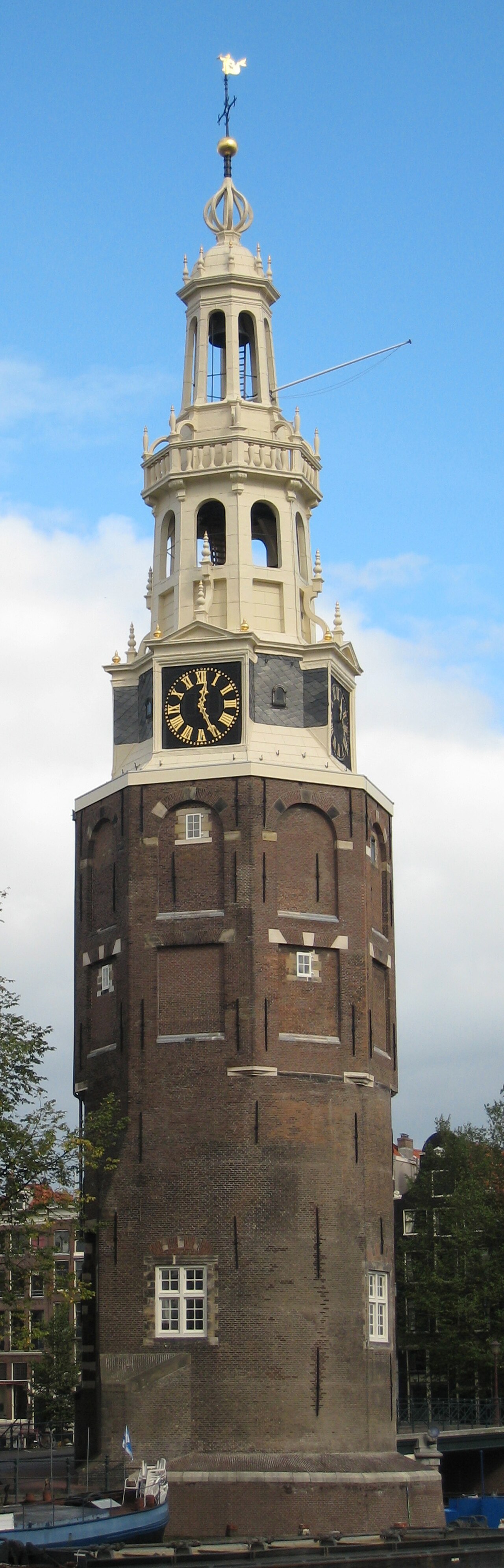
Montelbaanstoren
- Must see · Heritage site
- Historic monument
Language · 11 published
Historic monument · Amsterdam
Reviewed by Elena Voss · Roavina Travel Editor
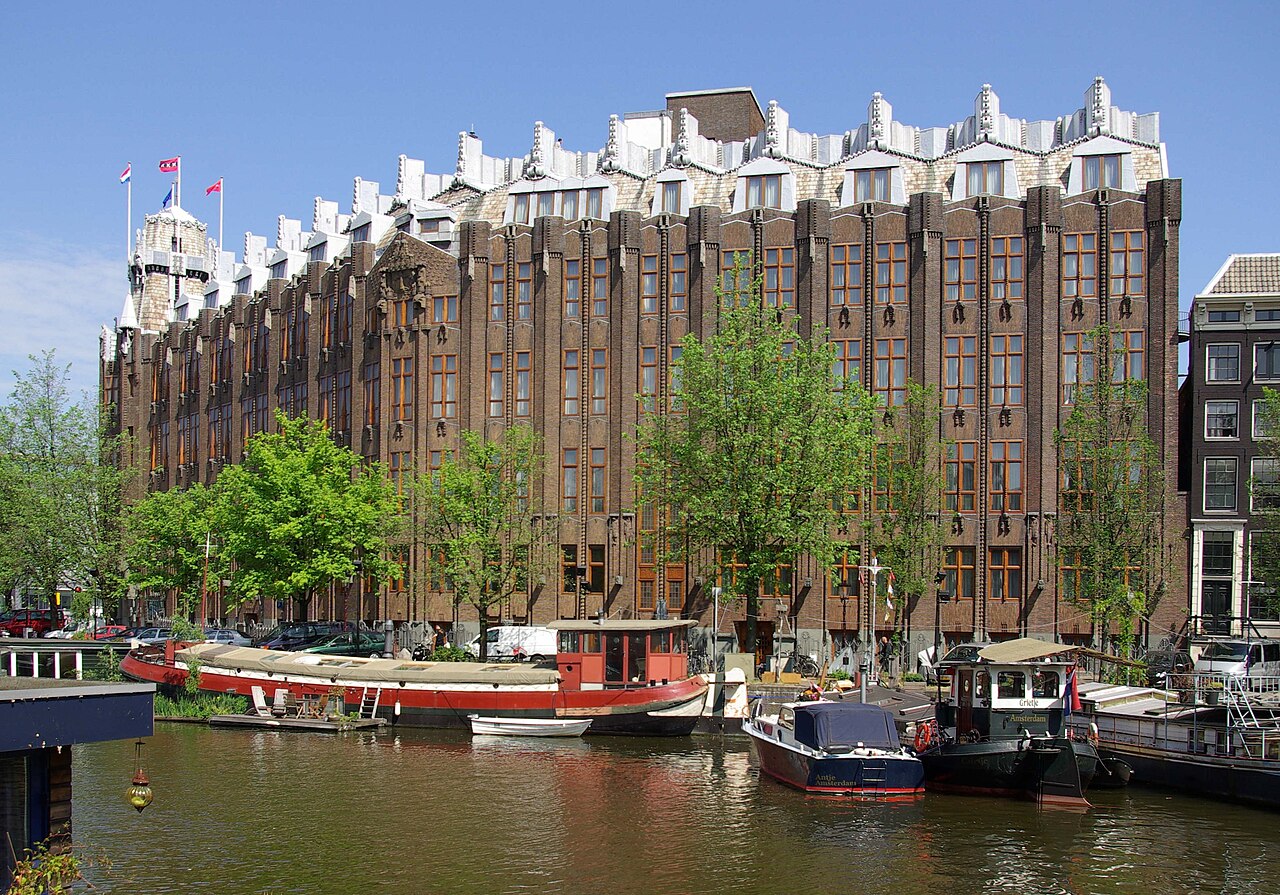
This place is a Attraction. It was established in 1913. It was built in the Amsterdam School style. It was designed by Joan van der Mey. It carries the Rijksmonument heritage designation.
Scheepvaarthuis is an Amsterdam landmark whose identity is unusually clear: it was built between 1912 and 1916 as the headquarters of six shipping companies. The building’s maritime purpose is expressed through the Amsterdam School’s forceful architectural language, including richly patterned brickwork, sculptural ornament and nautical imagery. This is not simply an old office block; its design joins commerce, craftsmanship and the city’s seafaring history in one highly individual façade. For visitors, the principal experience is architectural: study how decorative details are integrated into the building rather than applied as a separate layer. Its central setting makes it a compact stop for travellers exploring historic Amsterdam, especially those interested in architecture, design and the visual history of Dutch maritime trade.
Checked 2026-08-26 · Source
Scheepvaarthuis was designed for shipping-company offices, meetings and administration, not as a museum with a permanent collection or a standard visitor route. That original function helps explain why the building should be read as an architectural whole: structure, decoration and maritime symbolism work together across the exterior. Visitors can examine the changing brick patterns, carved details and integrated ornament from public areas, while indoor access is a separate matter from seeing the landmark in the city. Do not build a visit around an assumed interior tour or exhibition. The most dependable sightseeing experience is the building’s public-facing architecture; anything beyond the street depends on the current use of the premises and the arrangements in force when you arrive.
Checked 2026-08-26 · Source
Allow about 30 to 45 minutes for an exterior-focused visit to Scheepvaarthuis. That is enough time to approach it from more than one side, examine the brickwork and sculptural details, and place the building within Amsterdam’s central waterfront landscape. Architecture enthusiasts may want longer for comparing motifs, elevations and the way ornament changes across the façade. It also works well as a compact stop during a broader walk through the historic centre and eastern harbour area. A shorter pause gives a useful first impression, while a slower circuit suits photographers and visitors who enjoy close architectural observation. Since no indoor visit duration is established, keep the timing flexible and treat any interior opportunity as additional rather than essential.
Checked 2026-08-26 · Source
Daylight is the most useful time to see Scheepvaarthuis because relief work, brick tones and sculptural ornament are easier to distinguish. Morning and afternoon can both work; choose the period that gives you comfortable time outdoors and enough light for close observation. Changing weather affects how long you will want to linger, so rain protection is sensible for an exterior-focused visit. Plan around the building’s public setting and the rest of your Amsterdam route rather than around a confirmed museum timetable or scheduled indoor programme. The landmark is best treated as a flexible architectural stop, allowing you to pause, move around it and continue through the surrounding central streets without depending on an established visitor calendar.
Checked 2026-08-26 · Source
No confirmed tariff, ticketed interior route, membership requirement or donation arrangement is established for the building. Its former role as a shipping-company headquarters means it should not automatically be approached as a conventional museum visit. The practical sightseeing plan is to observe the architecture from public streets. If you hope to enter, treat that as a separate possibility dependent on the premises’ current use and access arrangements, rather than as part of a confirmed visitor experience.
Checked 2026-08-26 · Source
Scheepvaarthuis is in central Amsterdam and can be incorporated into a walk through the historic centre and eastern harbour area. Walking is practical when it forms part of a wider city route, and the city’s established tram and bus network serves the surrounding districts. Exact route numbers, stop names and cycle-parking arrangements are not established in the place research, so use current local transport information when planning a timed journey. Cycling is a natural Amsterdam option, but park without obstructing streets or pavements. Driving is generally discouraged in the central area. Once nearby, allow time to view the building from more than one public approach.
Checked 2026-08-26 · Source
Scheepvaarthuis stands in an active central-city environment, so take care around cyclists, cycle lanes and other pedestrians while stopping to look at the façade. Avoid blocking the pavement or stepping into traffic for a better view. Several details are positioned high on the building, so look upward only when you are clear of moving paths. Rain can make a longer architectural pause uncomfortable and may reduce the visibility of surface detail. The practical challenge is not a special visitor hazard but maintaining awareness in a busy urban setting while examining a building that rewards slow looking. Give yourself space to observe without obstructing people moving through the area.
Checked 2026-08-26 · Source
Scheepvaarthuis offers strong material for architectural photography: layered brickwork, sculptural decoration and maritime references create detail at several scales. Walk around the building rather than relying on one frontal view, because changing distance and angle reveal different relationships between ornament and the overall mass. Include surrounding central streets or the waterfront when you want context, then move closer for patterns, relief and carved details. Daylight helps separate the façade’s textures, while changing conditions can give the brickwork a different character. Be considerate of pedestrians and cyclists when framing a shot, particularly where pavement space is narrow. Interior photography is not established as part of the visit.
Checked 2026-08-26 · Source
Scheepvaarthuis can be viewed from public streets as an exterior architectural landmark. Regular public entry or current interior access is not established, so plan around the building’s façade rather than a confirmed indoor attraction.
Scheepvaarthuis is associated with the Amsterdam School, an expressive movement recognised for elaborate brickwork, sculptural ornament and integrated decorative imagery.
It was built between 1912 and 1916 as the headquarters of six shipping companies, linking the building’s architecture with Amsterdam’s maritime commerce and office-based trade.
Allow roughly 30 to 45 minutes for an exterior-focused visit. Add time if you want to study the façade closely or photograph the building from several viewpoints.
No confirmed tariff or ticketed interior route is established, so the dependable plan is exterior viewing from public streets.
Built between 1912 and 1916 as headquarters for six shipping companies, Scheepvaarthuis represents Amsterdam’s maritime commerce through the distinctive architectural language of the Amsterdam School.
Loading the interactive map…
The interactive map could not be loaded.
Last updated:
Source: OpenStreetMap contributors, Wikidata ·