
1 min walk
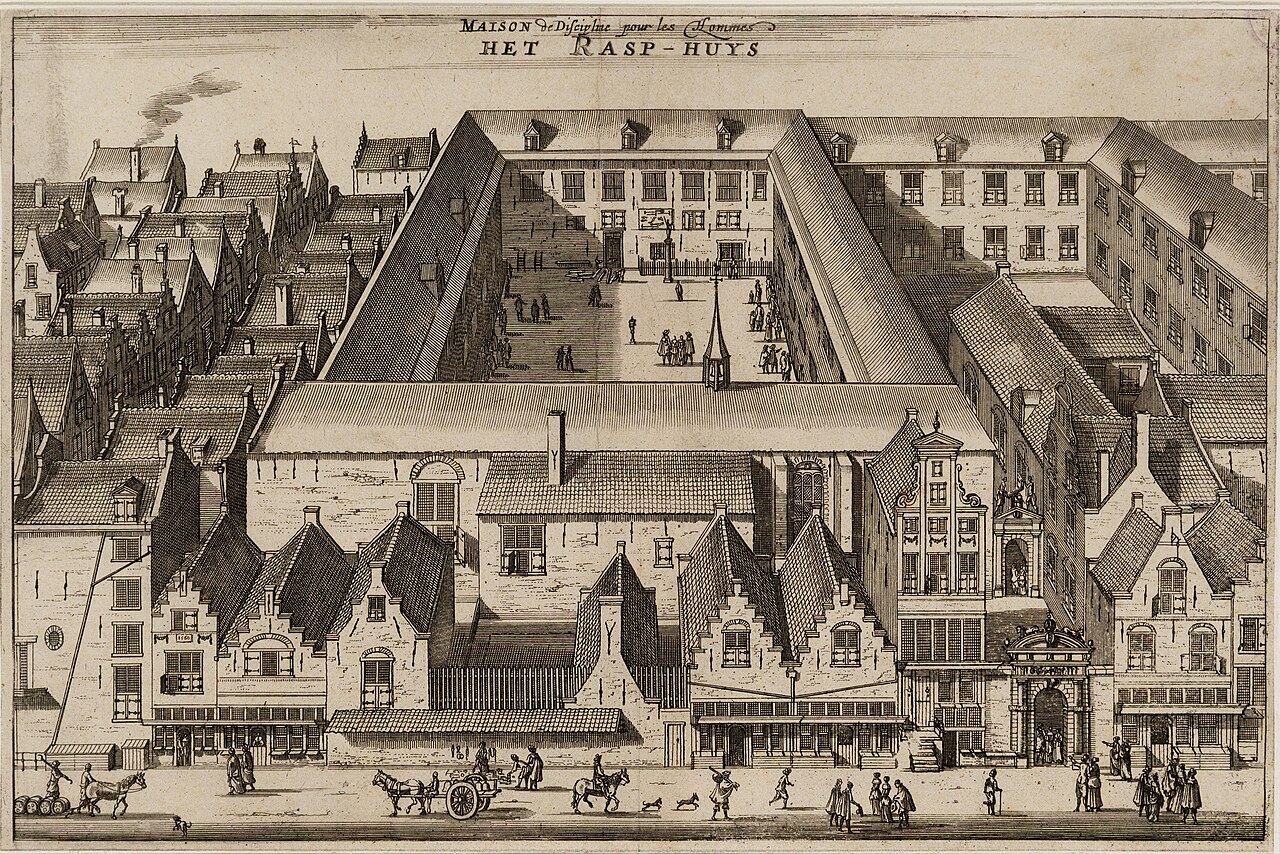
Rasphuis
- Notable
- Historic monument
Language · 11 published
Museum · Amsterdam
Reviewed by Elena Voss · Roavina Travel Editor
| Monday | 10:00 – 23:00 |
|---|---|
| Tuesday | 10:00 – 23:00 |
| Wednesday | 10:00 – 23:00 |
| Thursday | 10:00 – 23:00 |
| Friday | 10:00 – 23:00 |
| Saturday | 10:00 – 23:00 |
| Sunday | 10:00 – 23:00 |
Parsed from OpenStreetMap opening hours on 2026-09-09.
This place is a Museum.
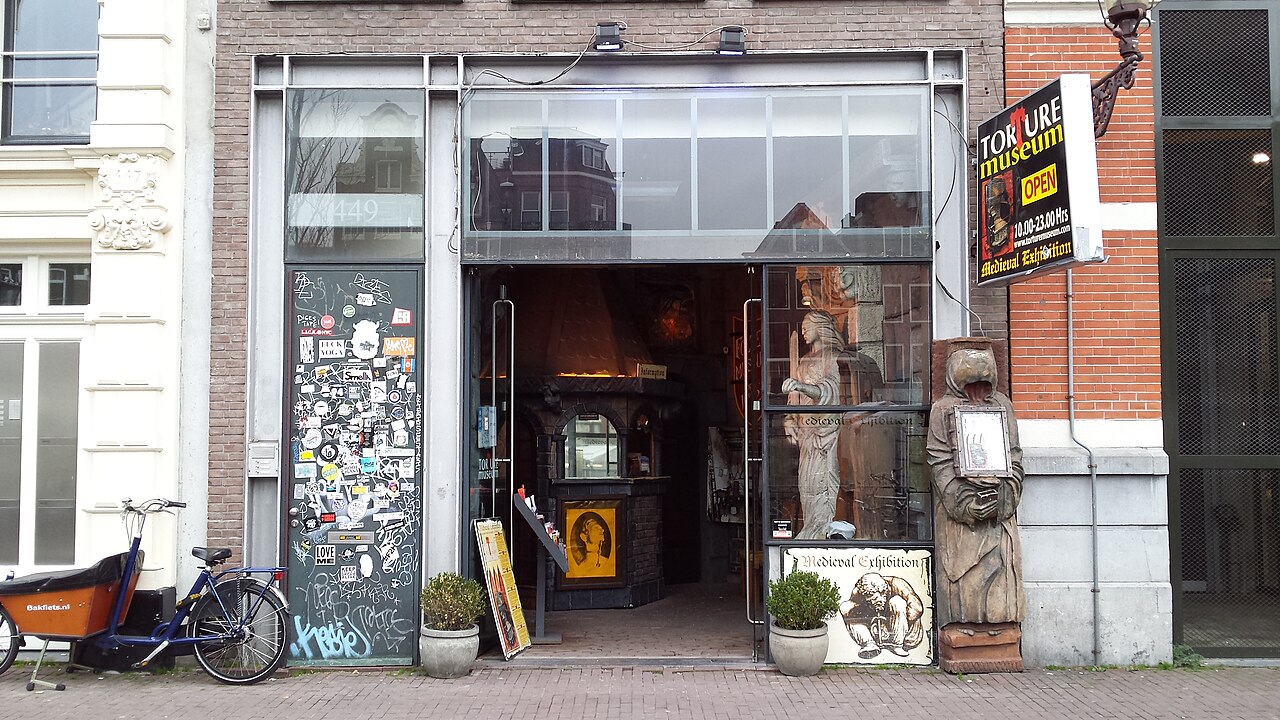
Amsterdam’s Torture Museum is a compact specialist museum devoted to judicial torture and punishment in European history. Its narrow canal-house setting gives the visit an intimate old-city character unlike Amsterdam’s large national museums. The displays consider how punishment was imagined and applied in earlier legal systems, using instruments, reconstructions and explanatory material. This is a focused stop for visitors interested in social history, criminal justice and historical beliefs about confession and deterrence. It is best understood as a small interpretive collection rather than a comprehensive survey of torture across every period and region.
Checked 2026-08-26 · Source
Displays include devices associated with restraint, interrogation and physical punishment, alongside figures or reconstructions showing how some objects were used. Explanatory panels place the exhibits within European legal and social history, while the route leads through several small rooms in a historic interior. Narrow passages and subdued lighting create an atmospheric presentation, but they can make close reading and movement less comfortable. The collection includes objects described as original as well as reconstructed examples, so claims about provenance and historical use deserve a measured reading. Expect a concentrated exhibition built around unsettling material, not a broad art or city-history museum.
Checked 2026-08-26 · Source
Allow roughly forty-five to sixty minutes for a normal visit. The museum is small and its route is relatively linear, so the experience fits easily into a central Amsterdam walking itinerary. Visitors who read every panel carefully may stay longer, while a quicker pass through the rooms will take less time. Narrow stairways and compact rooms can slow movement when several groups arrive together. Because the visit is self-contained, it works well as a short, subject-specific stop between canal walks, shopping streets or other museums in the centre.
Checked 2026-08-26 · Source
Plan this museum as a daytime stop within a wider central-Amsterdam route. The canal-house interior is separate from outdoor weather, but the approach involves busy streets and waterways, so arriving with enough daylight can make the entrance easier to identify. Compact rooms may feel more constrained when several visitors enter at once; a quieter period should make the displays easier to absorb. No hours or seasonal opening pattern are recorded here, so timing should be based on the operator’s current information rather than an assumed daily schedule. This matters when building a tightly timed museum day.
Checked 2026-08-26 · Source
This guide does not record an admission amount or ticket category for the Torture Museum. No price should be inferred from other Amsterdam museums, from the museum’s size or from general expectations about small private attractions. The recorded material also does not establish online sales, combination tickets, concessions, child pricing or payment methods. Those details are therefore not part of the ticket information for this guide, and a visit should not be planned around an assumed fare or booking arrangement.
Checked 2026-08-26 · Source
From Amsterdam Centraal, the museum is reachable on foot in approximately fifteen to twenty minutes through the central canal district. Trams serving the Damrak and Rokin corridors can shorten the approach, after which the final section is a walk along busy historic streets. The entrance is narrow and modestly signed on a smaller canal-side street, so use the exact map position and look carefully rather than relying on a prominent frontage. Cycling is practical for reaching the district, but secure parking immediately outside is limited. Canal boats pass nearby, yet they do not provide a dedicated museum landing.
Checked 2026-08-26 · Source
The museum deals directly with violence, coercion and bodily punishment, and its imagery or descriptions may be distressing. Parents should consider whether the subject suits the children in their group, particularly younger or sensitive visitors. Inside, steep and narrow staircases connect the rooms, creating a real limitation for people who have difficulty with stairs, balance or confined circulation. Compact spaces may become uncomfortable during busy periods. Some objects and historical explanations concern disputed or popularly repeated claims, so read labels critically and distinguish reconstructed presentation from securely documented original evidence where the display allows.
Checked 2026-08-26 · Source
The recorded material does not establish whether personal photography is permitted inside the museum. Visitors should follow any operator notices and staff directions at the entrance. The rooms are narrow, so cameras, tripods and selfie sticks could interfere with circulation even if ordinary photographs are allowed. The subject matter also calls for consideration of other visitors’ comfort before sharing images publicly. Flash use should not be presumed acceptable, particularly around displayed objects and in a subdued interior.
Checked 2026-08-26 · Source
The museum presents violent punishment and disturbing historical material. Parents should use their own judgement, as younger or sensitive children may find the subject, imagery or reconstructions frightening.
The museum is in a historic canal house with steep, narrow staircases between rooms. That layout creates significant access difficulties for visitors who cannot use stairs or who need generous circulation space.
Allow about forty-five to sixty minutes for the main circuit. Careful reading, a slower pace or congestion on the stairs can extend the visit, while a quick look through the rooms may take less time.
The collection includes reconstructed devices and objects presented as original or historically associated examples. Treat provenance and claims about use with a critical eye, since the display combines material history with an atmospheric interpretation of a difficult subject.
The recorded material does not establish whether online advance ticketing is offered. No digital booking method or fixed-entry arrangement is included in the available ticket information.
The recorded material does not establish the museum’s photography policy. Flash, tripods, selfie sticks and unrestricted personal photography should not be assumed to be permitted.
Loading the interactive map…
The interactive map could not be loaded.
Last updated:
Source: OpenStreetMap contributors, Wikidata ·