
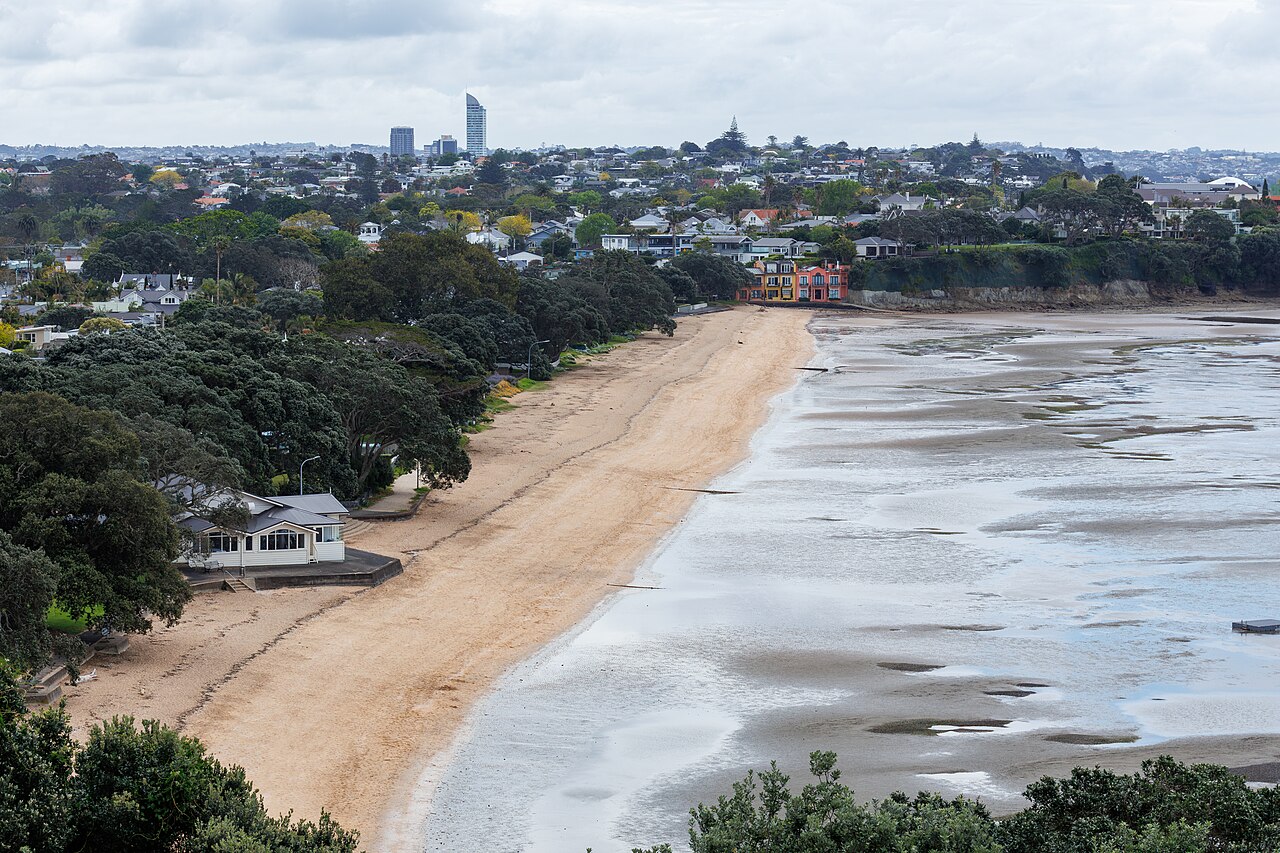
9 min walk
Cheltenham Beach
- Must see
- Nature site
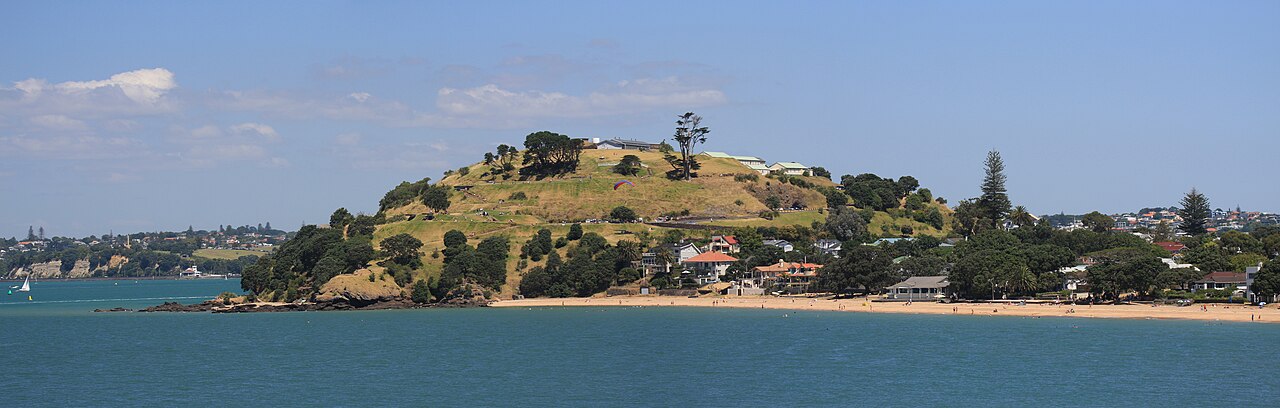
Viewpoint · Auckland
Maungaūika / North Head
| Monday | 07:00 – 20:30 |
|---|---|
| Tuesday | 07:00 – 20:30 |
| Wednesday | 07:00 – 20:30 |
| Thursday | 07:00 – 20:30 |
| Friday | 07:00 – 20:30 |
| Saturday | 07:00 – 20:30 |
| Sunday | 07:00 – 20:30 |
Checked 2026-08-31 · Source
| Per person | Free entry |
|---|
Checked 2026-08-31 · Source
Read from the OpenStreetMap access tags; anything not listed has no tag recorded.
Set the group type to family in the planner and the day window contracts to about three quarters of a solo day.
Maungauika North Head is a volcanic summit and historic military reserve on Auckland's North Shore. The site occupies a prominent headland at the entrance to Waitemata Harbour, formed by volcanic activity. It served as a coastal defence installation from the late nineteenth century through much of the twentieth century. The Department of Conservation administers the reserve as part of the Tawharanui Open Sanctuary. The dual name reflects Maori and European heritage. Summer: vehicle gate 06:00–20:00; pedestrian gate 06:00–22:00. Summer: vehicle gate 06:00–20:00; pedestrian gate 06:00–22:00. Winter: vehicle gate 07:00–19:00; pedestrian gate 07:00–20:30.
Checked 2026-08-31 · Source
The reserve contains extensive military remnants including gun emplacements, underground tunnels, searchlight positions, and fortifications from multiple eras. A historic walk traverses these features. The volcanic landscape supports native vegetation regenerating across the headland. Interpretive elements explain the site's military and geological history. The summit area provides panoramic outlooks across the harbour entrance toward Rangitoto Island and the Auckland city centre. Defensive structures date from the Russian scare period of the 1880s through both world wars, with later modifications for twentieth-century threats. Open every day of the year with no scheduled closure days. Winter hours apply on the checked date.
Checked 2026-08-31 · Source
Visitors typically allocate two to three hours for comprehensive exploration of the historic walk and tunnel network. The circuit covers varied terrain with some steep sections. Those with limited mobility or time may prefer a shorter summit visit of forty-five minutes to one hour. Tunnel exploration requires appropriate footwear and a torch. The complete experience demands pacing for numerous stops at gun emplacements and viewing positions. Weather conditions affect walking speed on exposed coastal sections. Free general admission; no ticket or booking is required for ordinary visits.
Checked 2026-08-31 · Source
Visitors should consult the Department of Conservation website or contact their Auckland office for current access times. Daylight hours offer safest tunnel and track navigation. Summer provides extended evening light for photography and longer visits. Winter visits require preparation for exposed coastal conditions with reduced daylight. Tide state does not affect headland access. Summer: vehicle gate 06:00–20:00; pedestrian gate 06:00–22:00. Winter: vehicle gate 07:00–19:00; pedestrian gate 07:00–20:30. The easiest ascent follows the former road and is manageable with a pram or pushchair. The direct descent includes stairs; returning by the former road avoids them.
Checked 2026-08-31 · Source
Department of Conservation reserves typically operate without entry fees for standard access. Special events or guided tours may incur separate charges. Visitors should verify current arrangements through official channels before visiting. Parking at nearby Devonport streets or facilities may involve time restrictions or charges administered by Auckland Council. Free general admission; no ticket or booking is required for ordinary visits. The easiest ascent follows the former road and is manageable with a pram or pushchair. The direct descent includes stairs; returning by the former road avoids them. The historic tunnels and fortifications include dark, uneven surfaces and are not step-free throughout.
Checked 2026-08-31 · Source
Devonport ferry services connect from Auckland's downtown terminal to the township below North Head. The ferry terminal sits within walking distance of the reserve entrance. Bus services also serve the Devonport area from wider Auckland. Private vehicles reach Devonport via Lake Road from the northern motorway network. From Downtown Ferry Terminal, take the ferry to Devonport. The crossing takes about 12 minutes. From Devonport Ferry Terminal, walk to the Council's suggested path start at 2 Cheltenham Road, or use AT bus route 807 toward Cheltenham; routes 806, 807 and 814 all connect with Devonport Ferry Terminal. The vehicle entrance is on Takarunga Road.
Checked 2026-08-31 · Source
Tunnel interiors are unlit and uneven underfoot; visitors must carry torches and wear sturdy footwear. Some passages are narrow with low ceilings. Exposed cliff edges lack barriers in places. Weather changes rapidly on the headland with minimal shelter. Children require close supervision near fortification drops and tunnel mouths. Historic structures contain hazards from ageing concrete and metal. The easiest ascent follows the former road and is manageable with a pram or pushchair. The historic tunnels and fortifications include dark, uneven surfaces and are not step-free throughout. Public toilets are available along the North Head Path.
Checked 2026-08-31 · Source
The summit offers exceptional harbour entrance compositions including Rangitoto Island framing and city skyline backdrops. Gun emplacements provide dramatic foreground elements for landscape shots. Tunnel interiors demand long exposures or flash with careful white balance for artificial lighting. Morning light illuminates the Auckland city face; afternoon light favours harbour and island views. Overcast conditions reduce harsh contrast across white concrete structures. Tripods assist in dim tunnel spaces. Wide-angle lenses accommodate confined military interiors. Public toilets are available along the North Head Path. Visitor parking is available at both the bottom and top of the hill.
Checked 2026-08-31 · Source
Yes. General admission to the reserve and its historic fortifications is free.
In summer, the vehicle gate opens 06:00–20:00 and the pedestrian gate 06:00–22:00. In winter, the respective hours are 07:00–19:00 and 07:00–20:30.
No. It is open every day of the year, subject to its seasonal gate hours.
The marked path is 1.8 kilometres and takes about 40 minutes.
Yes, but dogs must remain under control and on a leash throughout the park.
Bring a torch: the historic tunnels are dark, and their surfaces can be uneven.
Loading the interactive map…
The interactive map could not be loaded.
Last updated:
Source: OpenStreetMap contributors, Wikidata ·