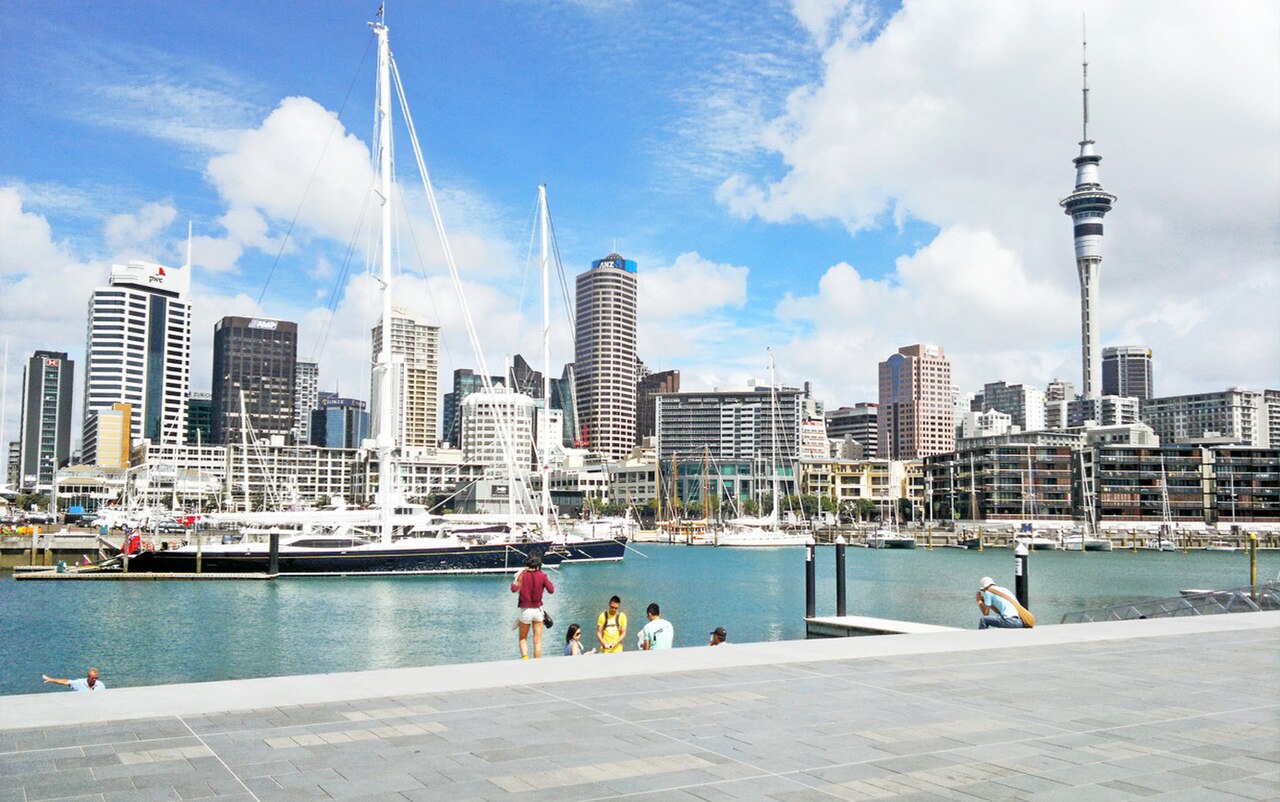
A photograph of Auckland

City guide · New Zealand

Nature sites in Auckland, New Zealand

Auckland is organised by two harbours, volcanic terrain and a narrow urban isthmus. The city centre descends to the Waitematā waterfront, while Ponsonby, Parnel...

Photograph · ChewyPineapple · CC BY-SA 3.0

10,100 Places
Suggested stay
Not recorded
Getting around
Walking, bus, train and ferry

Turn this list into a plan

Set your days, your pace and the hours you actually want to be out. The planner works around closing days and travel time, and leaves room to eat.

Plan Auckland

Reviewed by Elena Voss · Roavina Travel Editor

Auckland is organised by two harbours, volcanic terrain and a narrow urban isthmus. The city centre descends to the Waitematā waterfront, while Ponsonby, Parnell and Newmarket sit on separate ridges. Devonport and the harbour islands require water crossings, and the west-coast beaches lie beyond the central public-transport pattern. A useful visit therefore alternates compact neighbourhood walks with planned outward journeys.

Checked 2026-08-26

Practical information

Language spoken
English, Māori and New Zealand Sign Language
National practical orientation; regional and minority languages may also be used
Dialling code
+64
International calling code; local area and mobile prefixes still apply
Currency
New Zealand dollar (NZD)
Use the official local currency; card acceptance varies by place
Emergency number
111
Use only for an emergency; tourist assistance may use a separate number
Plug type
Type I · 230 V
Check that chargers support the recorded voltage before using an adapter
Tap water
Safe from treated public supplies
Follow local notices for remote or untreated supplies

Planning a visit

September · September reaches only 16.4°C by day in Auckland and falls in spring, the region's generally windiest season.

  1. January: good time to visit
  2. February: good time to visit
  3. March: best time to visit
  4. April: best time to visit
  5. May: good time to visit
  6. June: viable with meaningful trade-offs
  7. July: viable with meaningful trade-offs
  8. August: viable with meaningful trade-offs
  9. September: viable with meaningful trade-offs — current month
  10. October: good time to visit
  11. November: best time to visit
  12. December: good time to visit

Sources

Top things to see

Ranked by importance — sitelinks, pageviews and heritage status, not editor preference.

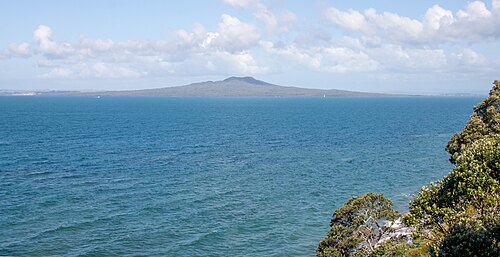
  1. Rangitoto Island Rangitoto Island
    02 1 hour

    Rangitoto Island

    Rangitoto Island is a volcanic island in the Hauraki Gulf near Auckland, New Zealand.

    • Must see
    • Nature site
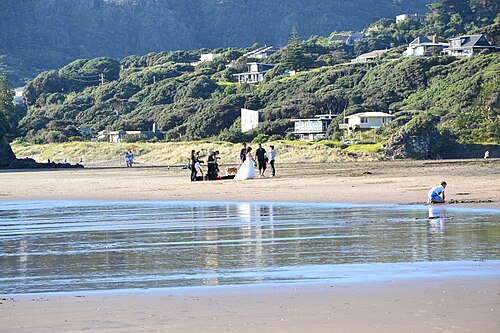
  2. Piha Beach Piha Beach
    03 1 hour

    Piha Beach

    Piha

    Piha is a coastal settlement on Auckland's western coast, located within the Waitākere Ranges. It features a black sand beach renowned for its dramatic natural scenery, including the prominent volcanic peak Lion Rock rising from the shoreline.

    • Must see
    • Nature site
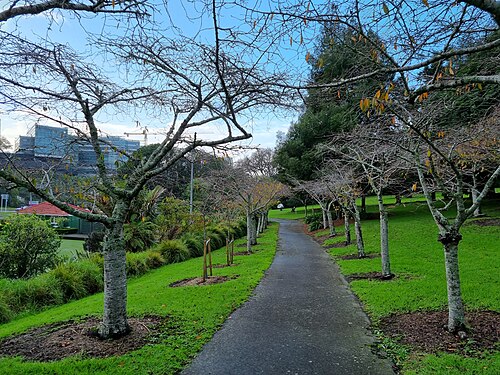
  3. Auckland Domain Auckland Domain
    04 1 hour

    Auckland Domain

    Pukekawa / Auckland Domain

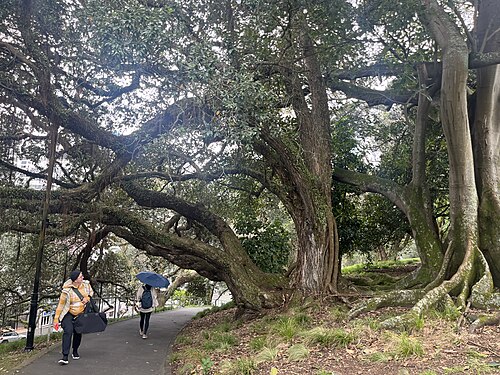
    Pukekawa / Auckland Domain is Auckland’s central historic park. The principal reason to include it is open lawns, planted gardens, paths, and the wider museum precinct.

    • Must see
    • Nature site
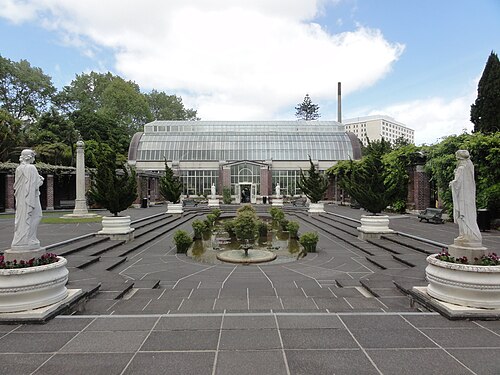
  4. Auckland Domain Wintergardens Auckland Domain Wintergardens
    05 2 hours

    Auckland Domain Wintergardens

    The Auckland Domain Wintergardens is a heritage glasshouse complex situated within Auckland Domain, the city's oldest park. Established in the early twentieth century, the Wintergardens comprise two main display houses and an adjoining courtyard area.

    • Must see
    • Nature site
  5. Albert Park Albert Park
    06 1 hour

    Albert Park

    Albert Park is a landscaped central-city park. The principal reason to include it is lawns, mature planting, paths, memorial features, and city-centre views. Its setting is between the university precinct and central Auckland.

    • Must see
    • Nature site

Source: OpenStreetMap contributors, Wikidata ·

How the city is laid out

Combine the central waterfront, Britomart and nearby city sights before climbing into an inner neighbourhood. Put Devonport or another harbour destination into a ferry-led block whose return sailing is known in advance. Western beaches need a dedicated excursion and should not share a day with island travel. This structure avoids repeatedly crossing the city and makes Auckland's geography part of the plan rather than an afterthought.

Checked 2026-08-26

Getting around

Auckland's centre is walkable but steep in places. Buses and trains connect the urban isthmus, while ferries are part of the everyday network for Devonport and selected islands. Match the mode to the geography: rail or bus for inland corridors, ferry for harbour crossings, and a separately checked connection for western landscapes. Consult Auckland's official visitor transport guidance and current operator timetables before departure.

Checked 2026-08-26

Common questions

How many days should I spend in Auckland?

No official city-wide duration is recorded. Begin with the centre and Waitematā waterfront, then add an inner neighbourhood, a ferry destination or a west-coast outing according to the days available.

How should I organise sightseeing in Auckland?

Plan the waterfront and central streets together. Use separate blocks for ridge-top neighbourhoods and for any harbour island, because ferry timing changes the shape of that day. Keep the west coast independent from both.

How do I get around Auckland?

Walk in the centre, use buses or trains along the isthmus and take ferries for harbour destinations. Check the official journey information for the exact sailing or connection rather than treating every Auckland trip as a road journey.

Can I explore Auckland mainly on foot?

The centre and waterfront join naturally on foot, although the climb to surrounding ridges is noticeable. Devonport, the islands, outer suburbs and western beaches all require transport beyond a central walking circuit.

Which Auckland trips need separate planning?

Harbour islands and west-coast beaches need separate planning. Confirm ferry returns for island visits and the full outward-and-back connection for regional landscapes before committing the day.