
1 min walk
Museo Inka
- Must see
- Museum
Language · 11 published
Place of worship · Cusco
Catedral del Cusco
Reviewed by Elena Voss · Roavina Travel Editor
| Monday | 10:00 – 18:00 |
|---|---|
| Tuesday | 10:00 – 18:00 |
| Wednesday | 10:00 – 18:00 |
| Thursday | 10:00 – 18:00 |
| Friday | 10:00 – 18:00 |
| Saturday | 10:00 – 18:00 |
| Sunday | 10:00 – 18:00 |
Checked 2026-08-31 · Source
Read from the OpenStreetMap access tags; anything not listed has no tag recorded.
Set the group type to family in the planner and the day window contracts to about three quarters of a solo day.
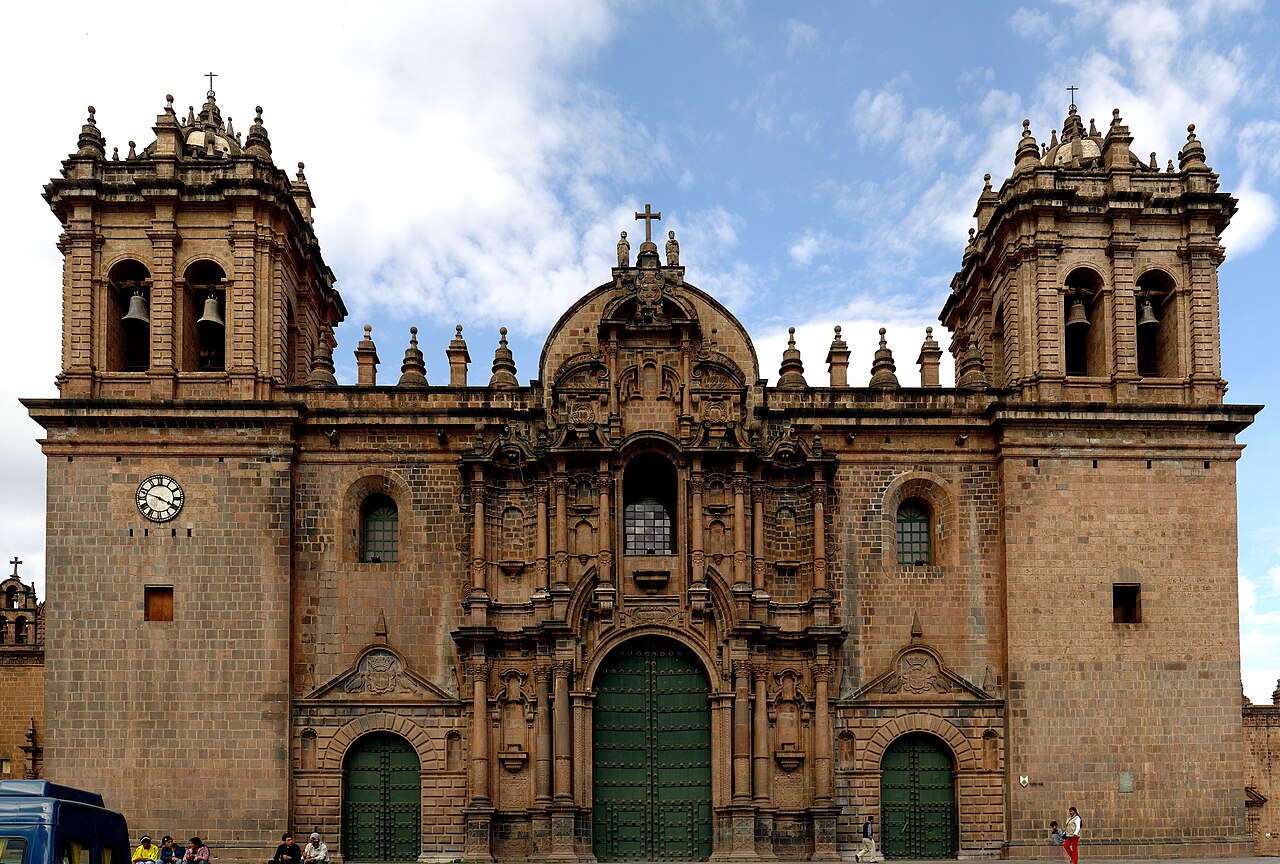
This place is a Place of worship. It was established in 1559. It was built in the baroque architecture style. It carries the cultural heritage of Peru heritage designation.
The Cusco Cathedral, locally named Catedral Basílica de la Virgen de la Asunción, stands as the preeminent colonial religious monument in Cusco, Peru. It dominates the historic Plaza de Armas, the city's central square. Construction began in the mid-16th century on the site of an Inca palace, reflecting Spanish colonial ambition and religious authority. The structure represents a fusion of architectural styles and serves as the seat of the Roman Catholic Archdiocese of Cusco. Monday–Sunday and public holidays, 10:00–18:00. Open for visits year-round; no regular weekly closure day is listed.
Checked 2026-08-31 · Source
The cathedral interior houses an extensive collection of colonial art, including paintings attributed to the Cusco School, a distinctive artistic tradition blending European and indigenous Andean influences. Notable works include large canvases and ornate altarpieces. The main altar and side chapels contain significant religious imagery. Silverwork and carved wooden elements adorn various spaces. The sacristy reportedly holds additional artistic treasures. The building also contains historical artifacts reflecting centuries of religious practice. Open for visits year-round; no regular weekly closure day is listed. General adult admission: S/25. Cusco residents enter free with DNI; entry during worship hours is free.
Checked 2026-08-31 · Source
Visitor duration varies considerably based on individual interest in colonial religious art and architecture. Casual observation of the main spaces may require less than an hour. Those examining the Cusco School paintings, altarpieces, and architectural details in greater depth typically spend additional time. Photography restrictions, if enforced, may reduce or extend visits. The cathedral's scale and artistic density reward unhurried exploration. Visitors should allocate sufficient time to appreciate the monument's significance without rushing. General adult admission: S/25. Cusco residents enter free with DNI; entry during worship hours is free.
Checked 2026-08-31 · Source
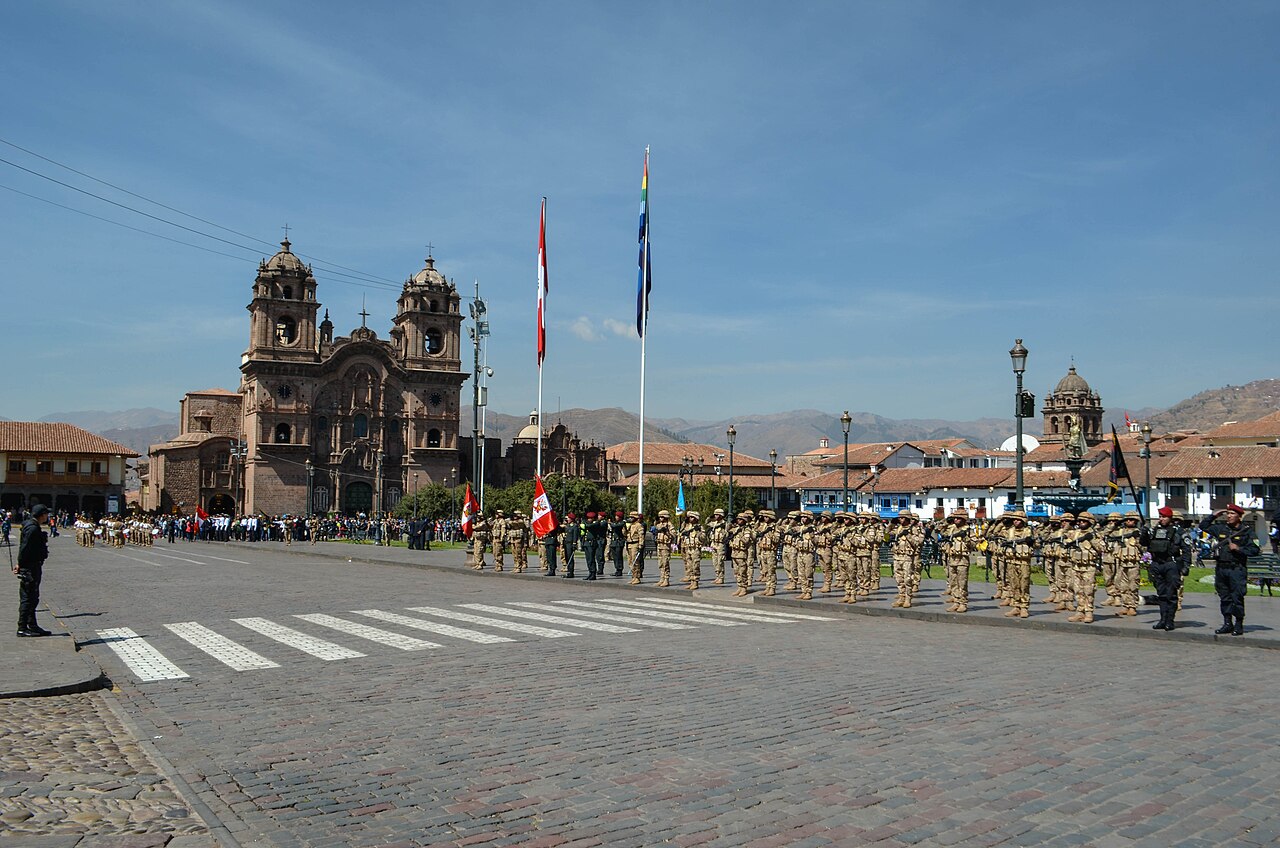
The cathedral's location on Plaza de Armas means the surrounding area remains active throughout daylight hours. Religious services occur regularly and may affect visitor access to certain areas. Major Catholic observances, including Holy Week and Corpus Christi, involve significant local celebrations that transform access conditions. Morning visits may offer different atmospheric conditions than afternoon exploration. Monday–Sunday and public holidays, 10:00–18:00. The cathedral stands on Plaza de Armas. The official access record names Plaza de Armas as the arrival point and lists the final approach as a 20-metre, approximately one-minute walk on a paved surface.
Checked 2026-08-31 · Source
The cathedral may operate with entry fees for tourists while maintaining free access for worshippers during services. Combination tickets with nearby religious sites have been reported in some contexts but require verification. Payment methods accepted are unspecified. Budget-conscious travelers should verify current pricing structures before committing to extended itineraries in Cusco's historic center. General adult admission: S/25. Cusco residents enter free with DNI; entry during worship hours is free. The OpenStreetMap record is tagged wheelchair=limited, indicating partial rather than complete step-free access. Its full name is the Cathedral Basilica of the Virgin of the Assumption.
Checked 2026-08-31 · Source
The cathedral occupies the northeastern side of Plaza de Armas in Cusco's historic center. Most central accommodations lie within walking distance. The plaza serves as a primary orientation point for the city. Taxis and local buses connect peripheral areas, though traffic restrictions may apply in the historic core. The cathedral stands on Plaza de Armas. The official access record names Plaza de Armas as the arrival point and lists the final approach as a 20-metre, approximately one-minute walk on a paved surface. Its full name is the Cathedral Basilica of the Virgin of the Assumption.
Checked 2026-08-31 · Source
Altitude affects all visitors; symptoms include breathlessness and fatigue. The historic center's uneven cobblestone surfaces present tripping hazards, particularly when wet. Crowd density fluctuates with tour group arrivals. Respectful conduct is essential at active religious sites; appropriate dress covering shoulders and knees is prudent. Bag security warrants attention in busy tourist zones. Interior lighting may be dim in certain areas. The OpenStreetMap record is tagged wheelchair=limited, indicating partial rather than complete step-free access. It occupies the principal atrium of Plaza de Armas in Cusco’s historic centre, on the site of the Inca palace of Kiswarkancha.
Checked 2026-08-31 · Source
Many historic religious sites restrict or prohibit interior photography, particularly flash photography that may damage artworks. Some permit photography in specific areas while prohibiting it near altars or during services. Video recording may face separate restrictions. Tripods and professional equipment typically require special permission. Visitors should observe posted signage and staff instructions. Exterior photography from Plaza de Armas faces no restrictions and offers numerous vantage points. The facade's architectural details and the plaza's open space permit varied compositional approaches throughout daylight hours. Construction ran from 1559 to 1654. The cathedral holds more than 300 paintings, including major groups from the Cusco School.
Checked 2026-08-31 · Source
Its full name is the Cathedral Basilica of the Virgin of the Assumption.
It occupies the principal atrium of Plaza de Armas in Cusco’s historic centre, on the site of the Inca palace of Kiswarkancha.
Construction ran from 1559 to 1654.
The cathedral holds more than 300 paintings, including major groups from the Cusco School.
The 1753 painting places guinea pig, purple-corn drink and rocoto peppers on the supper table.
The Lord of the Tremors is a dark-toned crucified Christ sculpture dated to 1570 and carried in Cusco’s principal religious procession each Holy Monday.
Loading the interactive map…
The interactive map could not be loaded.

Last updated:
Source: OpenStreetMap contributors, Wikidata ·