
3 min walk
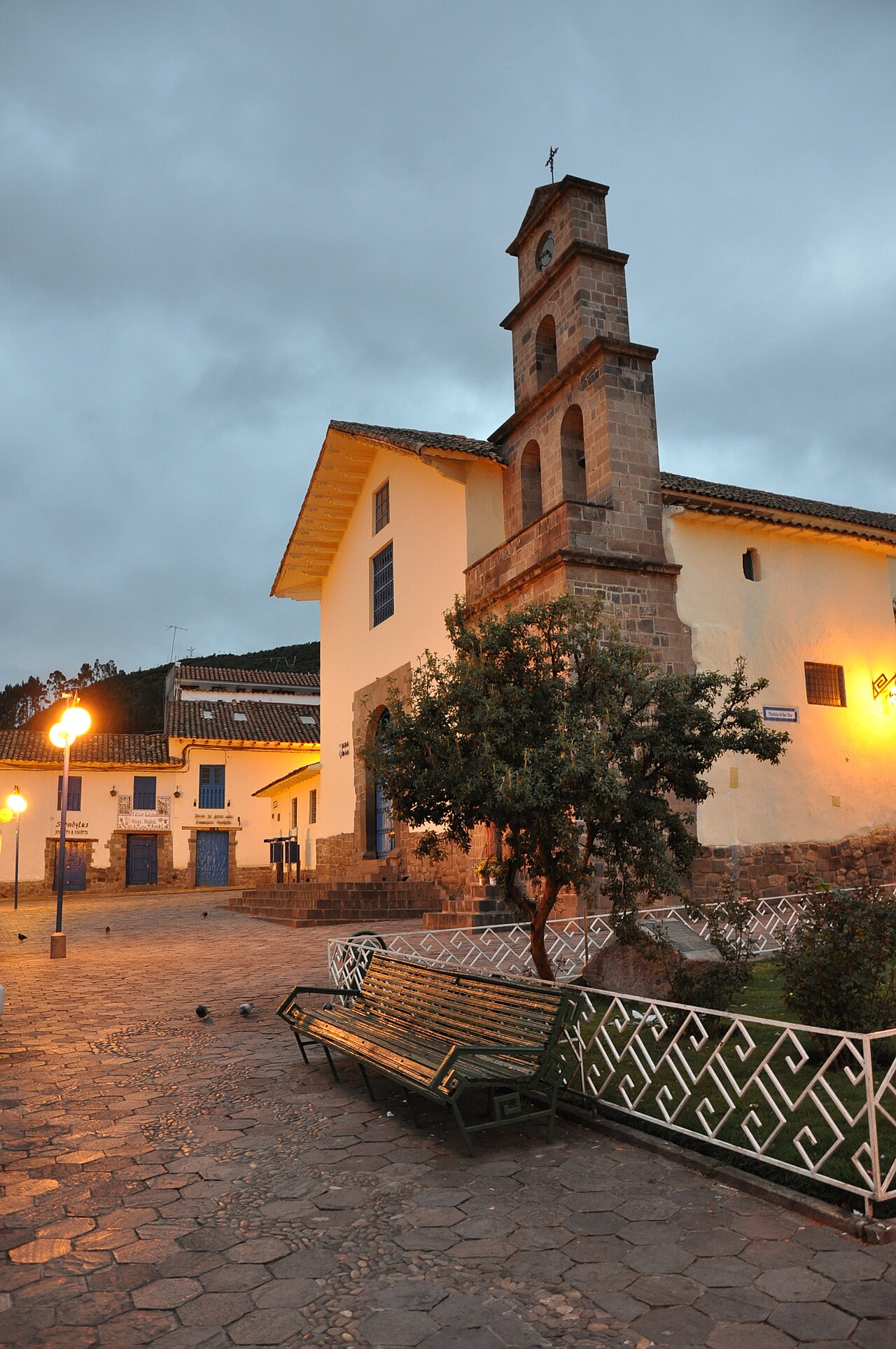
San Blas Church
- Must see
- Place of worship
Language · 11 published
Historic monument · Cusco
Reviewed by Elena Voss · Roavina Travel Editor

| Monday | 00:00 – 23:59 |
|---|---|
| Tuesday | 00:00 – 23:59 |
| Wednesday | 00:00 – 23:59 |
| Thursday | 00:00 – 23:59 |
| Friday | 00:00 – 23:59 |
| Saturday | 00:00 – 23:59 |
| Sunday | 00:00 – 23:59 |
Checked 2026-08-31 · Source
Read from the OpenStreetMap access tags; anything not listed has no tag recorded.
Set the group type to family in the planner and the day window contracts to about three quarters of a solo day.
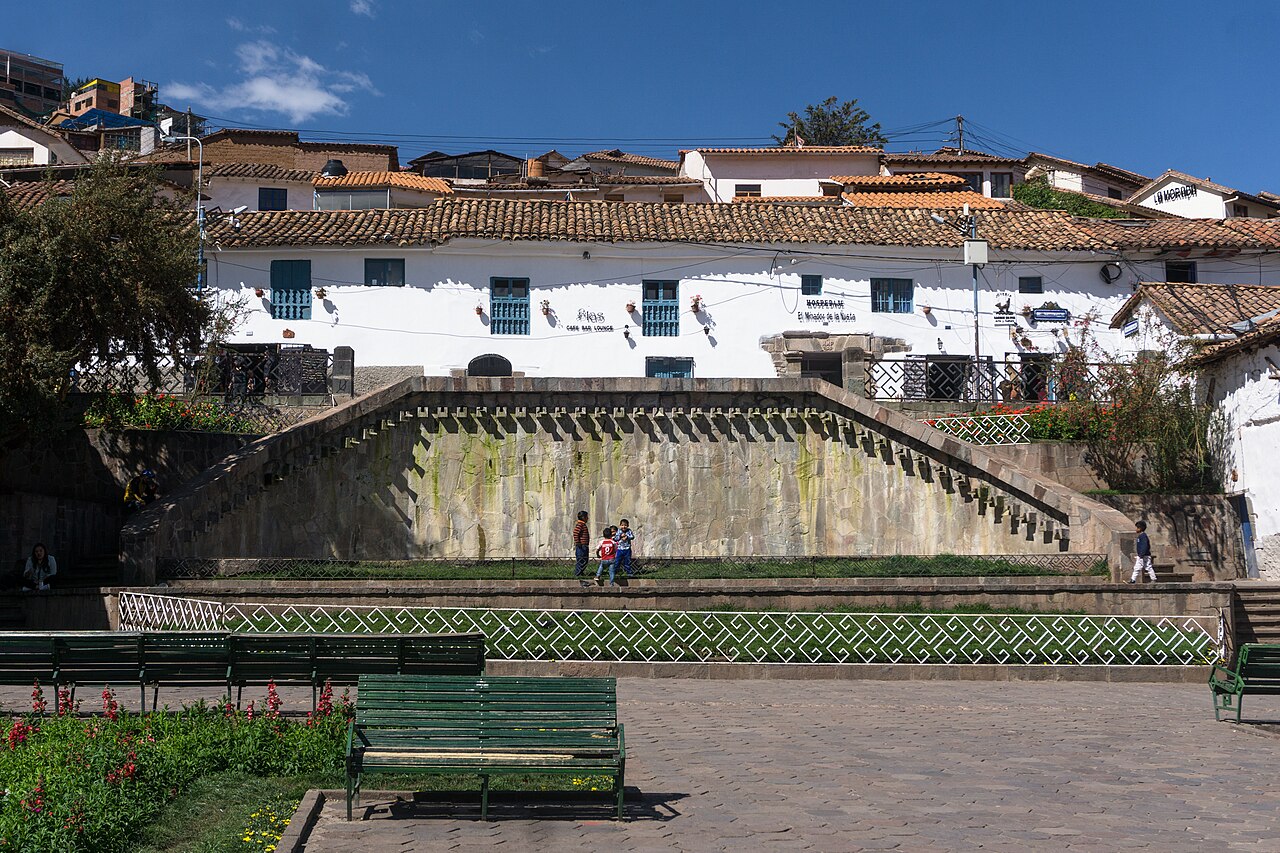
San Blas Quarter, known locally as Barrio de San Blas, is a historic neighbourhood in Cusco, Peru. It occupies a steep hillside above the city centre and retains narrow lanes from the Inca era. The quarter has developed a reputation as an artists' district, with workshops and creative spaces concentrated in its winding streets. It offers elevated viewpoints across Cusco and provides what is considered one of the city's strongest walking experiences. The area combines colonial architecture with pre-Hispanic street patterns. Daily, 24 hours.
Checked 2026-08-31 · Source
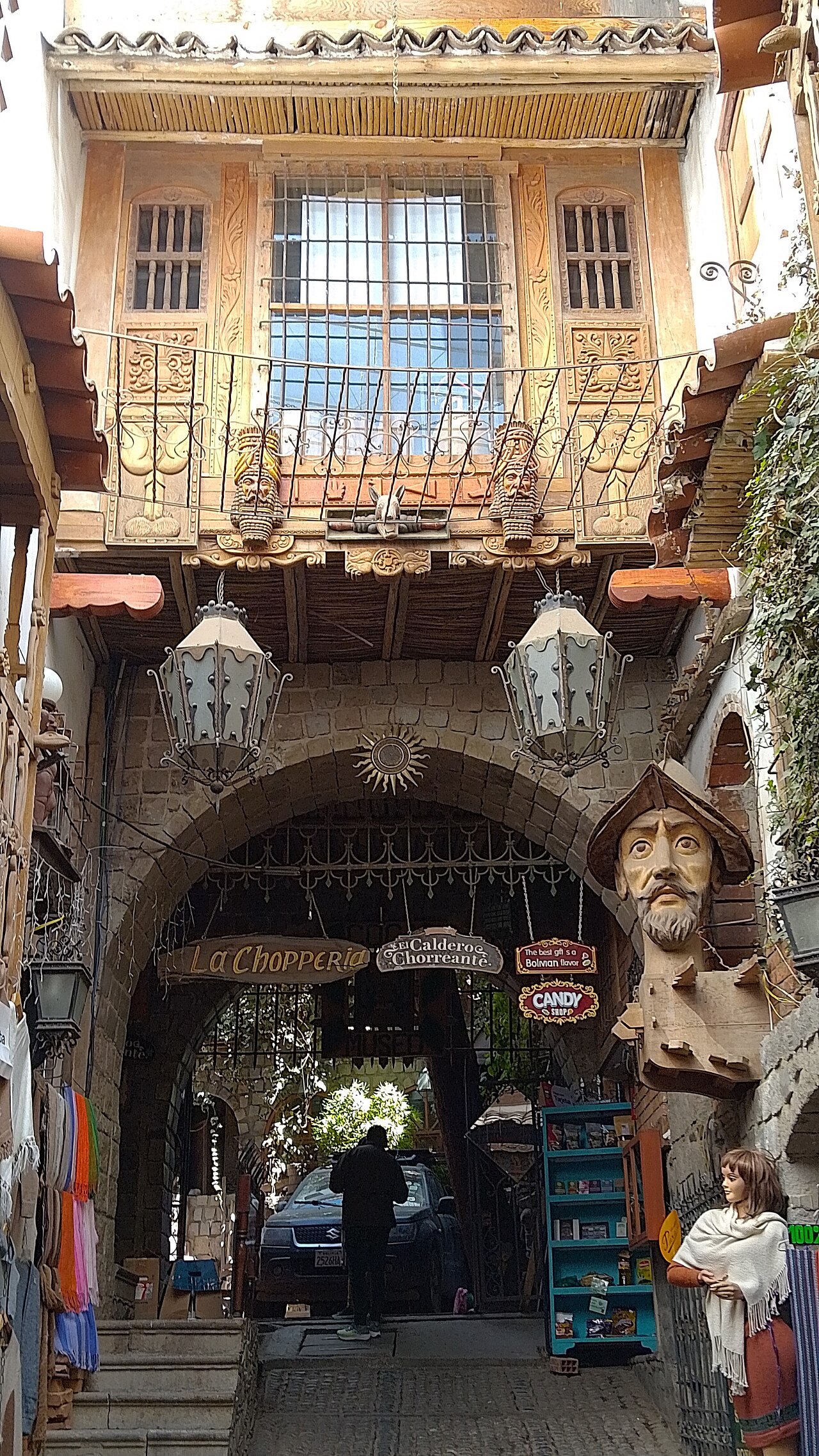
The quarter contains artist workshops, small galleries, and craft spaces where visitors can observe creative work. Narrow cobblestone streets follow original Inca alignments, creating a distinctive pedestrian environment. Several viewpoints provide panoramas of Cusco's historic centre and surrounding hills. The neighbourhood includes the San Blas church, a colonial structure with a notable timber pulpit. Various small cafes and independent businesses operate within the area. The steep terrain and irregular street plan create intimate spaces and unexpected vistas throughout the quarter.
Checked 2026-08-31 · Source
A thorough exploration of San Blas Quarter typically requires two to three hours, though this varies with individual walking pace and interest in workshop visits. The steep inclines and uneven cobblestone surfaces slow progress compared to flatter areas of Cusco. Visitors who enter multiple workshops or pause at viewpoints should allocate additional time. The compact geographical area belies the physical demands of navigating its vertical terrain. Free access to the neighbourhood’s public streets and square; admission charges may apply independently inside particular attractions or businesses.
Checked 2026-08-31 · Source
Dry season months from May to September generally offer clearer skies for viewpoint photography, though rain can occur at any time in Cusco's highland climate. Morning visits may provide quieter streets before midday foot traffic increases. Afternoon light can enhance views across the city. Visitors should verify specific opening times locally. Daily, 24 hours. Cuesta de San Blas has measured gradients of 5–10 degrees. The municipal survey records regular stone-slab sidewalks and a roadway of cobbles with some concrete-filled sections. The narrowest documented section near Plazoleta San Blas is 2.12 metres wide.
Checked 2026-08-31 · Source
San Blas Quarter itself is a public neighbourhood with no entrance fee for walking its streets. The San Blas church may require a separate admission charge. Individual workshops and galleries set their own policies regarding entry; some welcome visitors freely while others may restrict access during active work. No comprehensive ticketing system covers the entire area. Free access to the neighbourhood’s public streets and square; admission charges may apply independently inside particular attractions or businesses. Cuesta de San Blas has measured gradients of 5–10 degrees. The municipal survey records regular stone-slab sidewalks and a roadway of cobbles with some concrete-filled sections.
Checked 2026-08-31 · Source
The quarter lies approximately four blocks uphill northeast of Cusco's Plaza de Armas, accessible on foot via steep paved lanes. The most direct approaches climb stairways and cobbled ramps from the city centre. Taxis can approach the upper edges of the neighbourhood, though many streets are pedestrian-only. San Blas is a few blocks from Plaza de Armas. The named walking approach runs from Plaza de Armas through Calle Triunfo and Hatun Rumiyoc toward the quarter; Cuesta de San Blas then climbs from Calle Choquechaca to Plazoleta San Blas. Public-service taxis also use Cuesta de San Blas, although its narrow mixed-traffic layout makes walking conditions constrained.
Checked 2026-08-31 · Source
The cobblestone streets become slippery when wet and uneven throughout, requiring sturdy footwear with good grip. Narrow lanes occasionally channel water during heavy rain. Altitude effects may intensify with physical exertion on steep climbs. Some passages are poorly lit after dark. Visitors should respect workshop spaces as active workplaces rather than pure exhibition areas. Weather changes rapidly in the Andes. Cuesta de San Blas has measured gradients of 5–10 degrees. The narrowest documented section near Plazoleta San Blas is 2.12 metres wide. Pedestrian movement shares the route with taxis and tourist-service vehicles, which the municipality says constrains pedestrian circulation.
Checked 2026-08-31 · Source
Viewpoints toward the city centre and surrounding hills offer the strongest photographic opportunities, particularly during clear conditions. Morning and late afternoon light creates dimensional shadows across the quarter's steep topography. The narrow lanes and architectural details reward patient exploration with a camera. Workshop interiors should be photographed only with explicit permission from occupants. Tripods may obstruct narrow passages and attract unwanted attention. The white walls and bright high-altitude sunlight create high contrast conditions; exposure compensation may be necessary. Pedestrian movement shares the route with taxis and tourist-service vehicles, which the municipality says constrains pedestrian circulation.
Checked 2026-08-31 · Source
The municipal heritage authority identifies its earlier name as Tococachi, also written T’oqocachi in its detailed records.
The municipality describes San Blas as a continuously occupied traditional artisans’ quarter, while Peru’s official tourism portal highlights its handicraft workshops and long-standing craft tradition.
Peru’s official tourism portal places the neighbourhood a few blocks from Plaza de Armas, in the elevated northeastern part of Cusco’s historic centre.
Cuesta de San Blas links Calle Choquechaca with Carmen Alto and Plazoleta San Blas and is documented by the municipality as a representative street of the quarter.
The municipal survey records a straight-line length of 121.59 metres and measured sections with gradients of 5, 8 and 10 degrees.
The documented route has regular stone-slab sidewalks and a cobbled roadway with some concrete-filled sections; it is a mixed street used by pedestrians, taxis and tourist-service vehicles.
Loading the interactive map…
The interactive map could not be loaded.
Last updated:
Source: OpenStreetMap contributors ·