
3 min walk
Qochapata
- Must see
- Historic monument
Language · 11 published
Historic monument · Cusco
Q'enqo Grande
Reviewed by Elena Voss · Roavina Travel Editor
| Monday | 07:00 – 17:30 |
|---|---|
| Tuesday | 07:00 – 17:30 |
| Wednesday | 07:00 – 17:30 |
| Thursday | 07:00 – 17:30 |
| Friday | 07:00 – 17:30 |
| Saturday | 07:00 – 17:30 |
| Sunday | 07:00 – 17:30 |
Checked 2026-08-31 · Source
Read from the OpenStreetMap access tags; anything not listed has no tag recorded.
Set the group type to family in the planner and the day window contracts to about three quarters of a solo day.
This place is a Archaeological site.
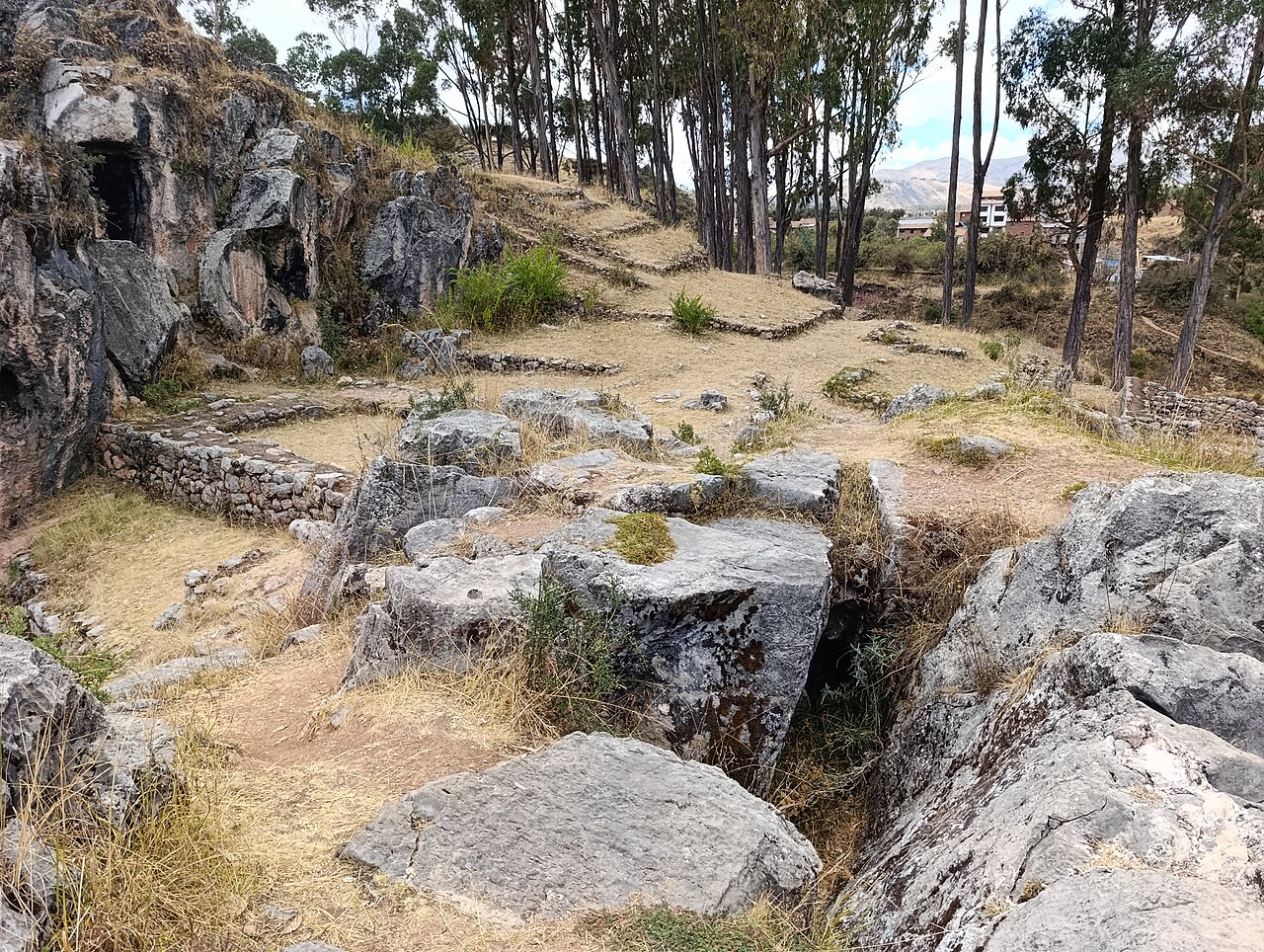
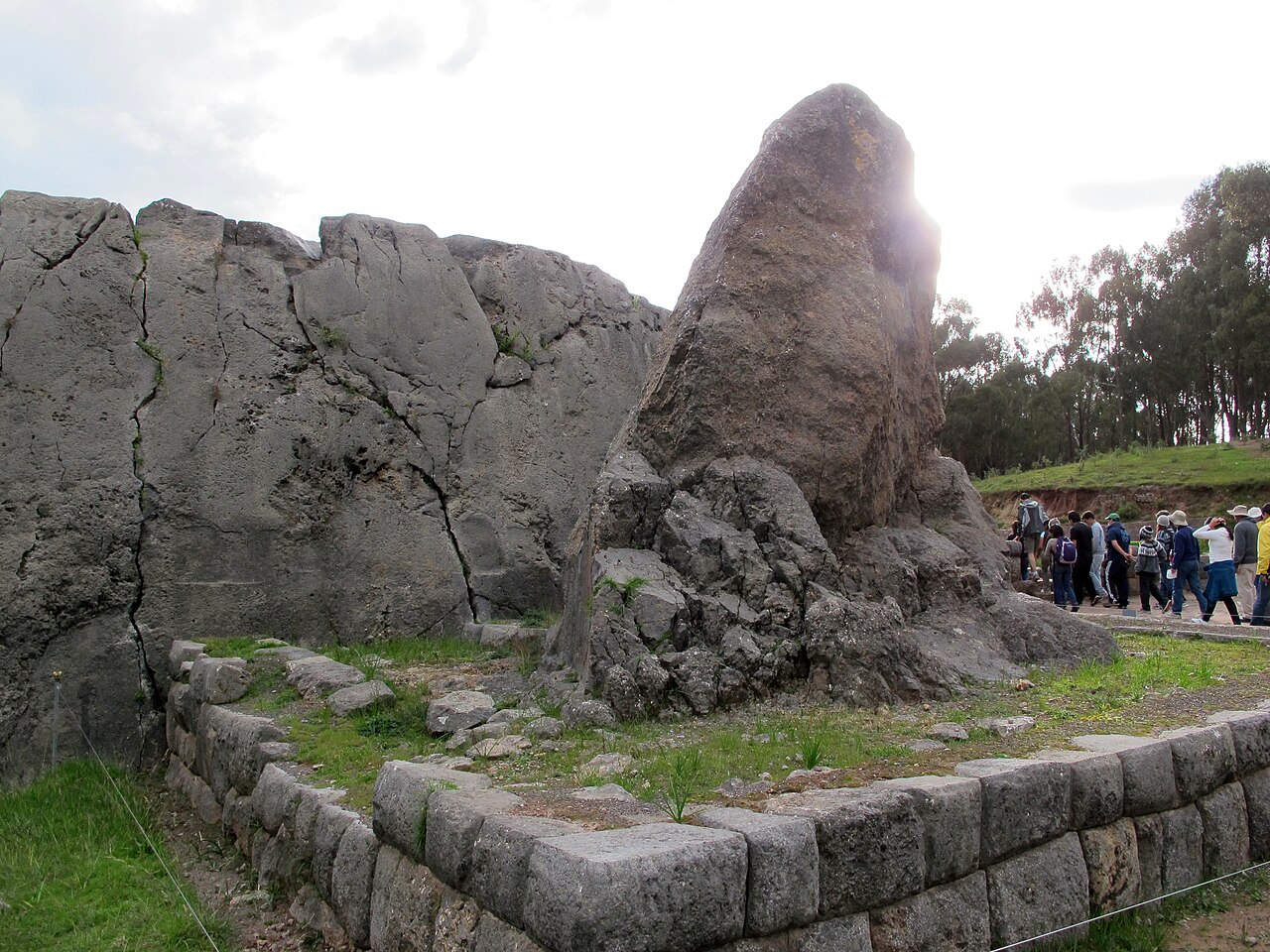
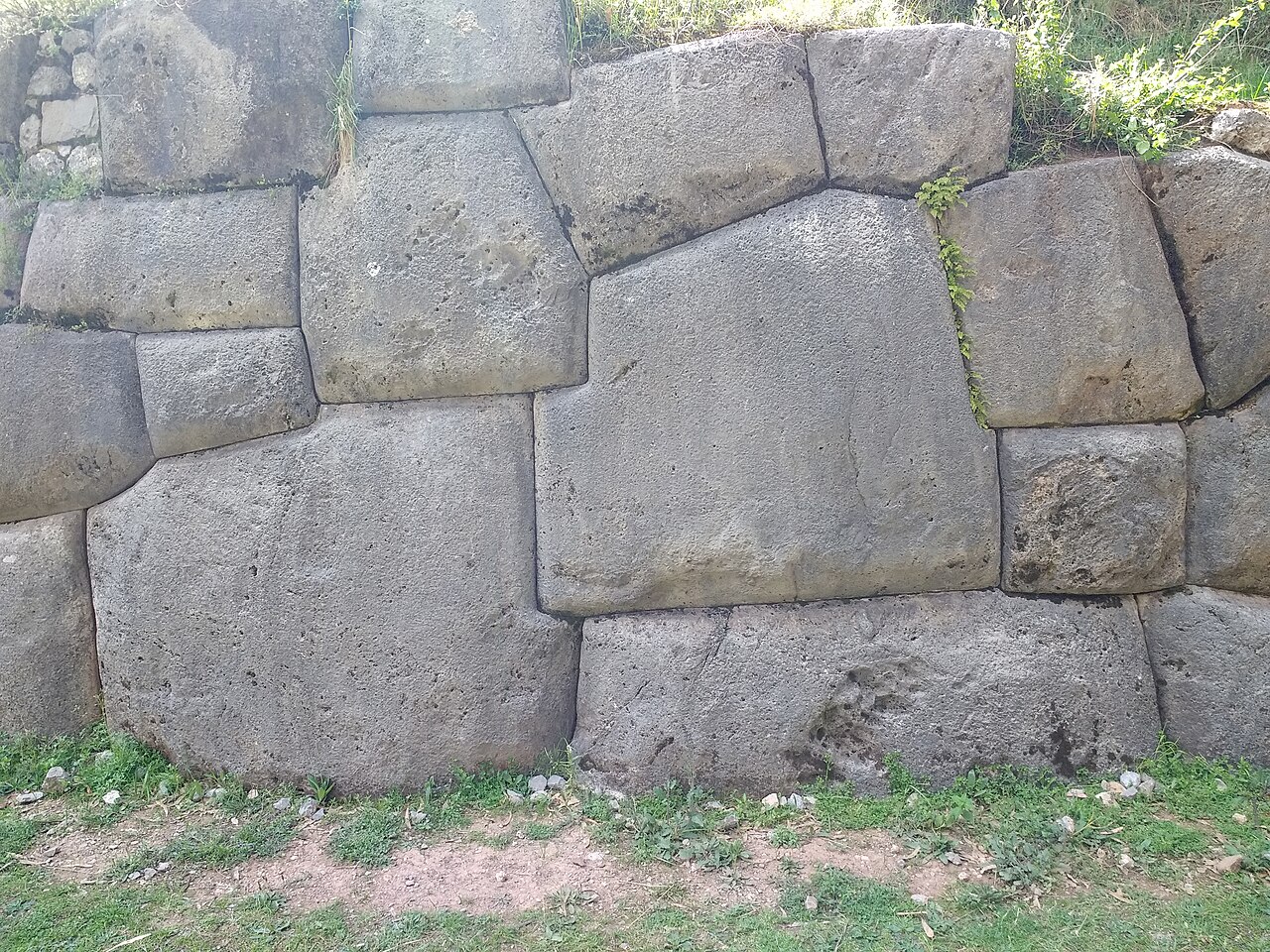
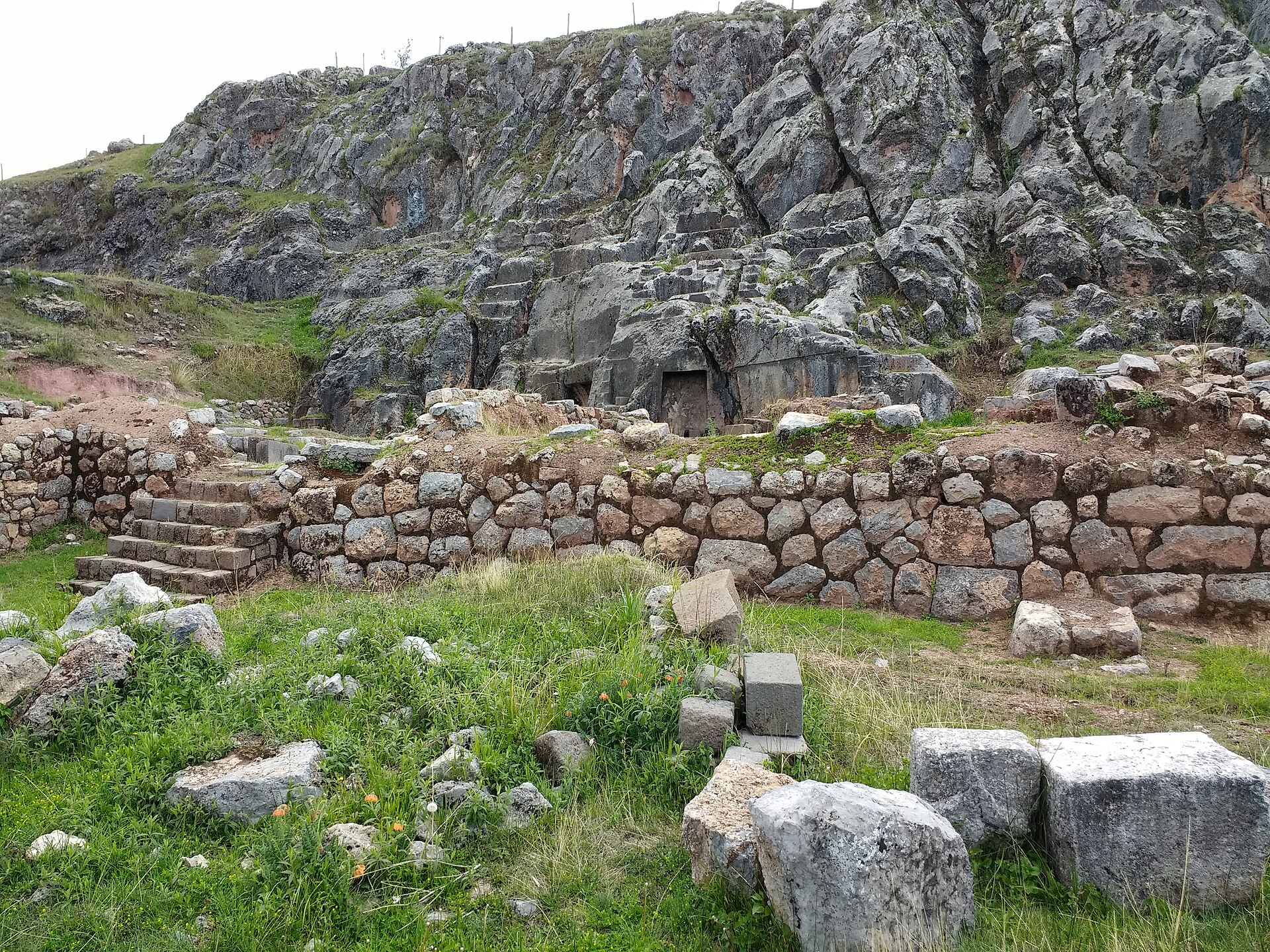
Q'enqo Grande is the principal and larger section of the Q'enqo archaeological complex near Cusco, Peru. This Inca site features ceremonial passages and altar-like rockwork carved from living stone. The name derives from a Quechua term associated with labyrinth or zigzag forms. As a major huaca, or sacred place, it formed part of the broader ritual landscape surrounding the imperial capital. The site demonstrates sophisticated Inca stoneworking and spatial organization for ceremonial purposes. Monday–Sunday, 07:00–17:30. Open daily, including weekends; no routine weekly closure day is listed. Qenqo forms part of Saqsaywaman Archaeological Park.
Checked 2026-08-31 · Source
The interior contains notable carved features including a large semicircular amphitheater, underground passages, and channels that may have carried liquids for ritual use. The altar-like rockwork represents a distinctive element of the site's ceremonial function. Visitors can observe the main plaza area with its sculpted surfaces and the tunnel-like galleries beneath. The precise original purpose of each feature remains subject to archaeological interpretation. The spatial arrangement suggests differentiated zones for various ritual activities. Open daily, including weekends; no routine weekly closure day is listed. Qenqo forms part of Saqsaywaman Archaeological Park.
Checked 2026-08-31 · Source
Most visitors allocate approximately one hour to explore Q'enqo Grande thoroughly, though individual pacing varies considerably. The compact nature of the site permits efficient viewing of principal features. Those with strong interest in Inca stoneworking techniques or ceremonial architecture may prefer extended examination. Combination visits with Q'enqo Chico and nearby sites such as Sacsayhuamán or Tambomachay typically require half a day or longer. Physical demands are moderate, with some uneven surfaces and changes in elevation to navigate carefully.
Checked 2026-08-31 · Source
Cusco's dry season from May through September generally offers more predictable conditions for outdoor archaeological exploration. Morning hours typically provide stronger illumination for examining carved details and photographic documentation. Afternoon cloudiness or precipitation becomes more probable during wet season months. Local weather patterns can shift rapidly regardless of seasonal expectations. Monday–Sunday, 07:00–17:30. From Plaza de Armas del Cusco, the official inventory specifies a tourist-bus journey on an asphalt road: 6.6 km, approximately 25 minutes. Its named walking alternative also starts at Plaza de Armas: 2.4 km, approximately 36 minutes on the asphalt approach. Vehicle parking is available at Qenqo.
Checked 2026-08-31 · Source
Access to Q'enqo Grande typically requires the Cusco Tourist Ticket, which covers multiple archaeological sites in the region. The general site admission system applies rather than separate individual entry fees. Visitors should confirm current ticket requirements, available purchase locations, and acceptable payment methods before arrival. Foreign adult admission requires the Cusco Tourist Ticket: S/70 for the Partial Saqsaywaman Circuit or S/130 for the Integral Ticket. Peruvian citizens and permanent residents pay S/40 partial or S/70 integral. Qenqo has no single-site ticket; tickets are personal, non-transferable and sold in person. The official inventory records an asphalt vehicle approach, on-site parking and a ticket office.
Checked 2026-08-31 · Source
Q'enqo Grande sits approximately four kilometers northeast of central Cusco along the road toward Sacsayhuamán. Multiple transport options serve the route, including organized tour vehicles, taxis, and public transportation along certain segments. The site lies within the broader archaeological corridor that includes several major attractions. From Plaza de Armas del Cusco, the official inventory specifies a tourist-bus journey on an asphalt road: 6.6 km, approximately 25 minutes. Its named walking alternative also starts at Plaza de Armas: 2.4 km, approximately 36 minutes on the asphalt approach. Vehicle parking is available at Qenqo.
Checked 2026-08-31 · Source
Altitude effects demand respect, as Cusco sits above 3,300 meters. Visitors recently arrived from lower elevations should pace themselves and remain alert for symptoms of soroche. Uneven stone surfaces present slip and trip hazards, particularly when wet. Narrow passages and changes in floor level require careful foot placement. Sun exposure intensifies at altitude; protective measures warrant consideration. The official inventory records an asphalt vehicle approach, on-site parking and a ticket office. Tourist-orientation signs are provided within the site. The name derives from the Quechua Q’inqu, meaning “labyrinth,” referring to the rock-cut passage leading toward the underground galleries.
Checked 2026-08-31 · Source
Natural lighting conditions significantly influence photographic outcomes at Q'enqo Grande. Morning illumination generally penetrates the carved surfaces more effectively, revealing textural details in the stonework. The semicircular amphitheater and altar features offer distinctive compositional subjects. Flash photography may prove ineffective or disruptive in narrow passages. Visitors should exercise judgment regarding appropriate documentation of sensitive ceremonial features. Weather protection for equipment warrants consideration given exposure to elements. Respect for other visitors' experience and any site-specific guidelines should inform photographic practice. The name derives from the Quechua Q’inqu, meaning “labyrinth,” referring to the rock-cut passage leading toward the underground galleries.
Checked 2026-08-31 · Source
The name derives from the Quechua Q’inqu, meaning “labyrinth,” referring to the rock-cut passage leading toward the underground galleries.
Qenqo stands on Cerro Socorro, about 4 km northeast of Cusco’s historic centre, at approximately 3,580 metres above sea level.
Yes. The site comprises Qenqo Grande and Qenqo Chico; the latter is about 350 metres from the principal sector.
The principal sector includes an approximately 55-metre semicircular amphitheatre with 19 niches, a stone monolith reaching about 6 metres, carved channels and an underground chamber.
No. COSITUC does not sell single-site admission for Qenqo; visitors must use the Partial Saqsaywaman Circuit ticket or the Integral Cusco Tourist Ticket.
No. The ticket provides temporary admission only; guide services and transport are not included.
Loading the interactive map…
The interactive map could not be loaded.
Last updated:
Source: OpenStreetMap contributors, Wikidata ·