.jpg)
3 min walk
Q'inqu
- Must see
- Historic monument
Language · 11 published
Historic monument · Cusco
Reviewed by Elena Voss · Roavina Travel Editor
This place is a Archaeological site.
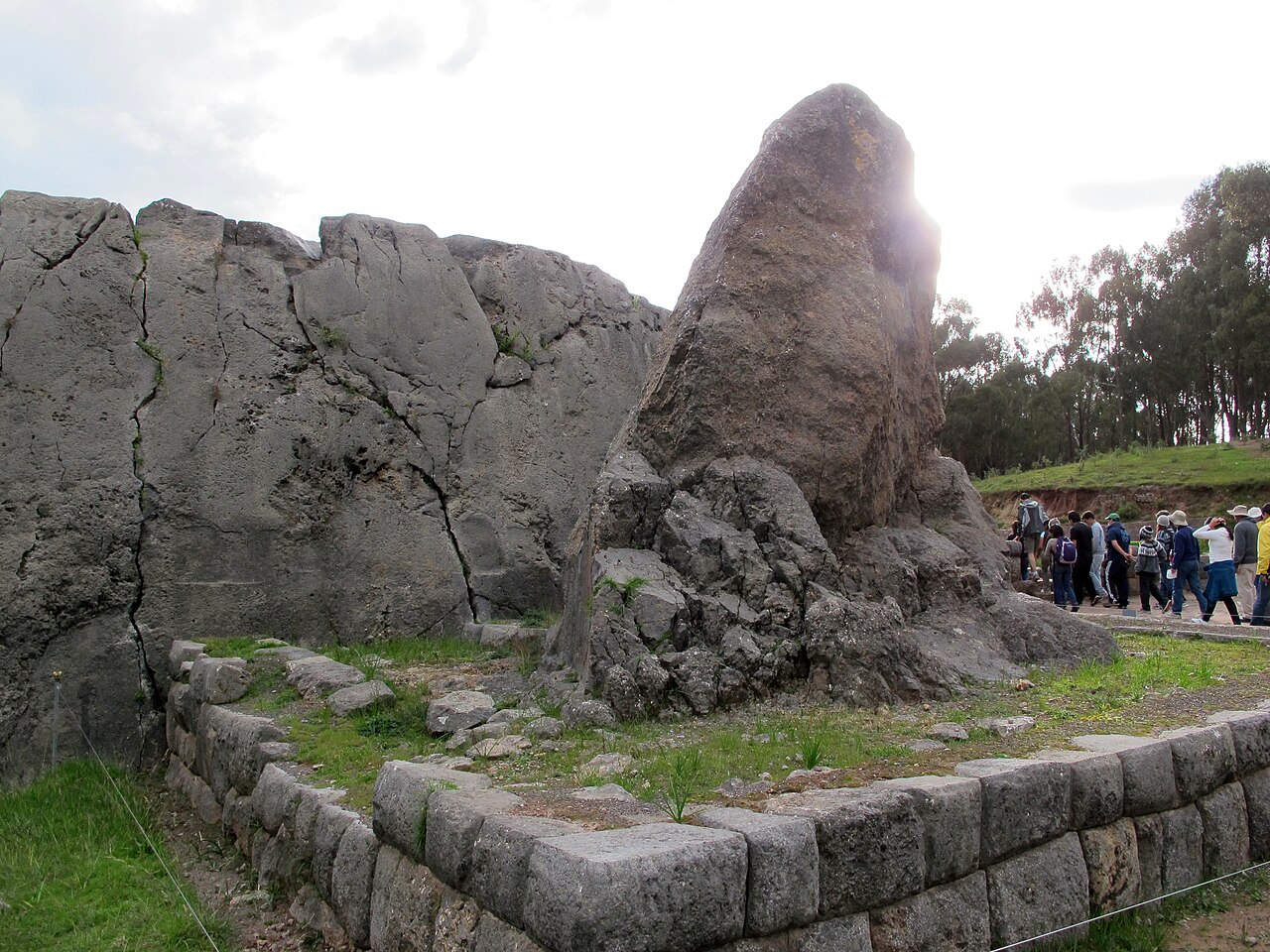
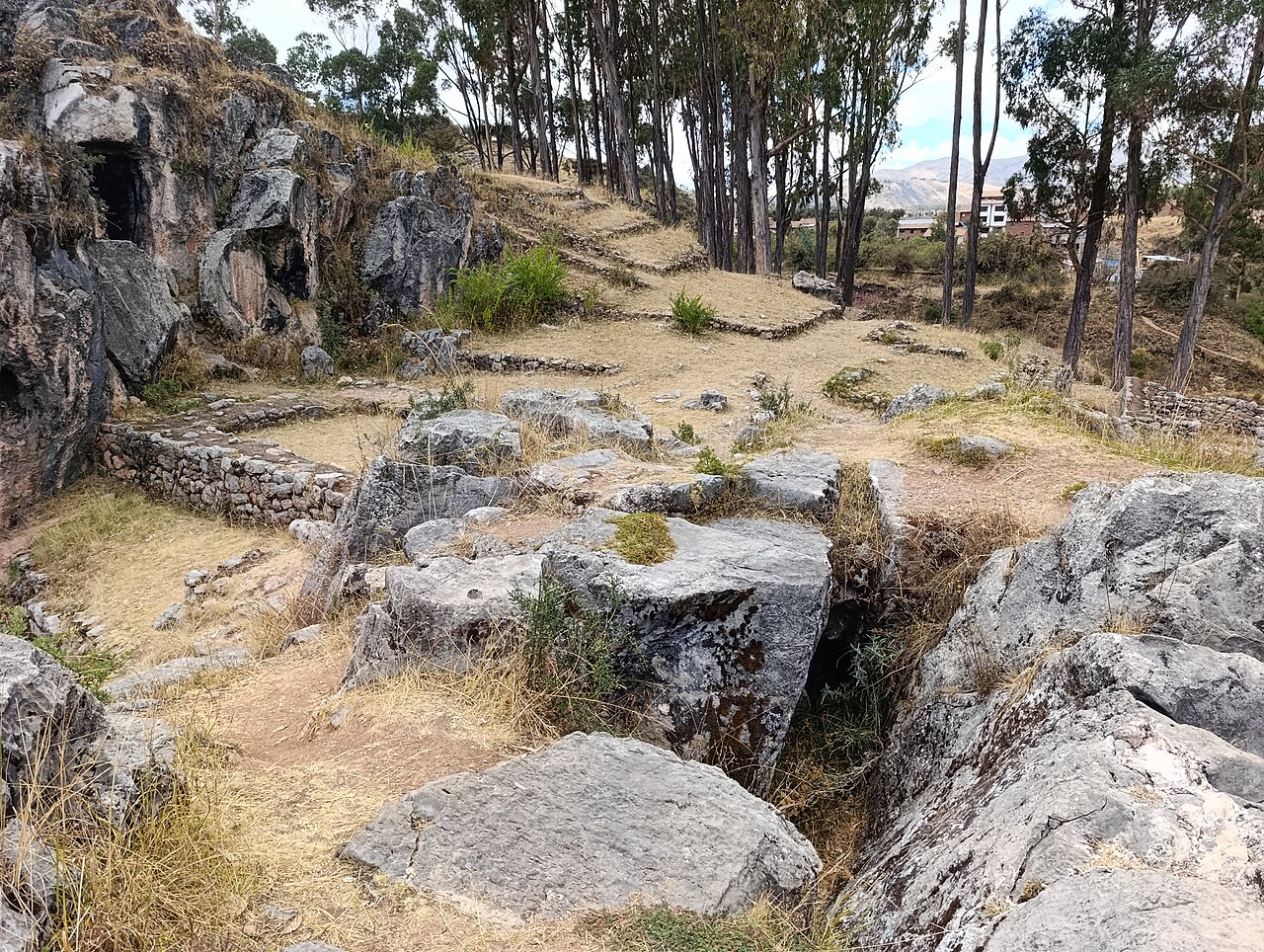
Qochapata is an Inca archaeological site at the urban edge of Cusco, where the city gives way to the wider landscape shaped by Inca settlement. It is a modest, understated heritage stop rather than one of the city’s heavily promoted attractions. Visiting Qochapata adds another layer to a Cusco itinerary by moving beyond the central historic streets and considering how Inca places extended around the urban core. The local name itself points to the site’s indigenous heritage. Come for a quieter encounter with archaeological remains and their setting, with enough time to look closely rather than expecting a large visitor complex.
Checked 2026-08-26 · Source
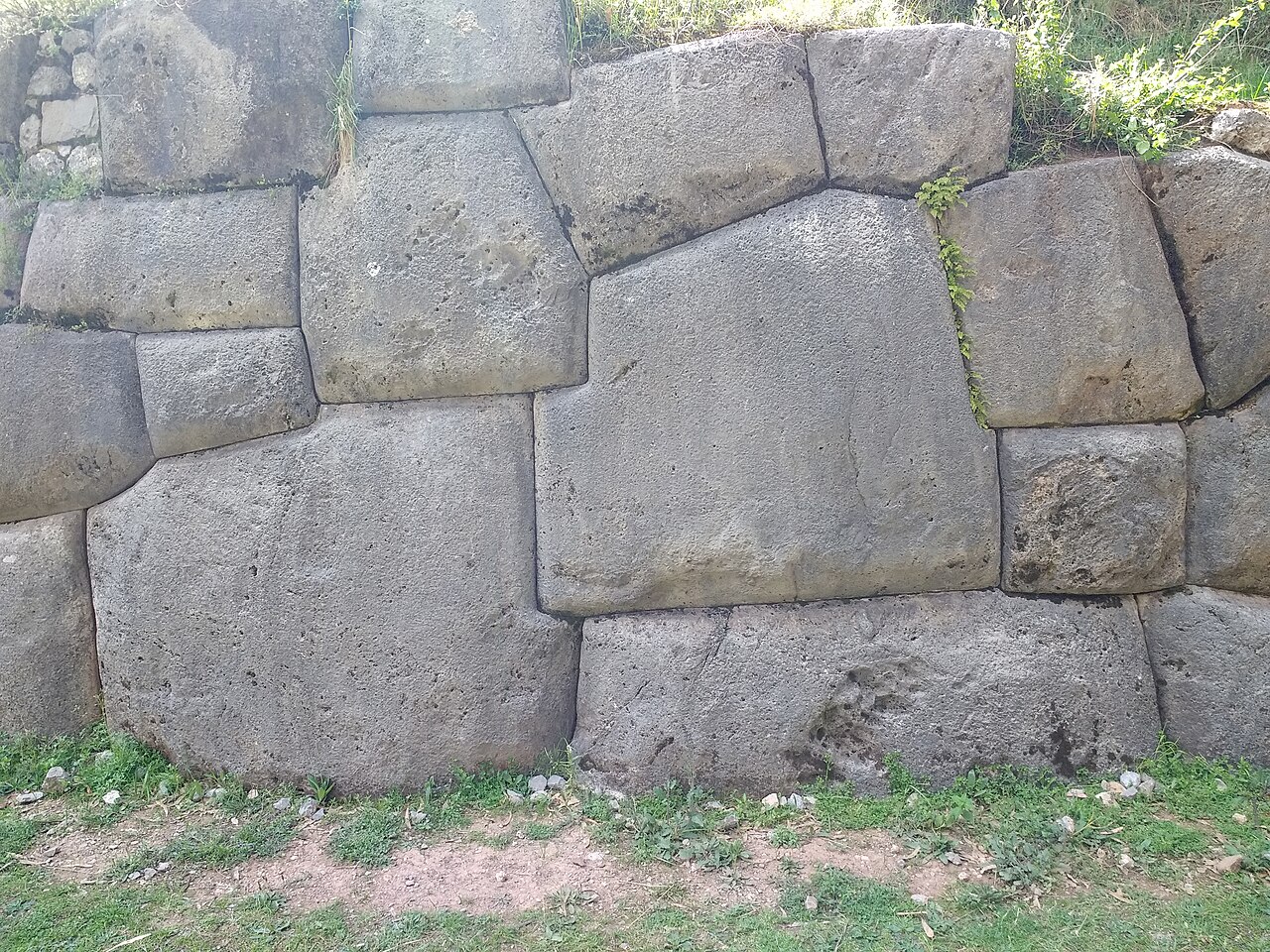
Qochapata is an outdoor archaeological place whose interest lies in the surviving Inca-period remains and the way they sit within Cusco’s urban-edge landscape. Use the visit to examine visible stone foundations, terrace walls or related construction details without treating any individual feature as a named monument unless it is identified at the site. The setting is part of the experience: modern Cusco and the archaeological traces occupy the same broader environment. Move carefully, stay with existing routes and leave every stone and fragment in place. The visit rewards attention to materials, alignment and terrain more than a checklist of famous structures.
Checked 2026-08-26 · Source
Plan about one hour for Qochapata if you want a calm, focused look at the visible remains and their surroundings. Travellers with a strong interest in archaeology or landscape may stay for up to two hours, while a shorter stop can work when the site is one element in a wider route around Cusco’s edge. Build travel time separately because this is not a central plaza attraction. Uneven ground and high altitude may slow your pace, so leave room for pauses rather than compressing the visit into a tight schedule. A flexible plan makes the modest site more rewarding.
Checked 2026-08-26 · Source
Qochapata works best as a daylight outdoor visit. Cusco’s drier period, generally from May to October, is more comfortable for walking around archaeological remains, while rain can make exposed ground and informal paths harder to cross. Morning usually gives you steadier light and a cooler start; Andean weather can still change quickly later in the day. Set the visit within a broader daytime route and leave time to return before evening. The site’s urban-edge character is most legible in daylight, when you can see both the archaeological setting and the modern city around it.
Checked 2026-08-26 · Source
Qochapata is described as a peripheral archaeological site, but the supplied place record does not provide an admission amount or establish a ticket arrangement. The practical focus is a self-contained heritage stop at the city edge. Carry the essentials for the outing and keep the plan adaptable, so the visit remains useful as an exterior archaeological encounter even without a formal ticketed experience.
Checked 2026-08-26 · Source
Qochapata is on the urban edge of Cusco rather than in the central historic core. A taxi or local shared transport is the practical starting point for reaching the general area; a longer walk is possible for travellers comfortable with altitude, distance and changing urban edges. Use the mapped location to orient the final approach, because the supplied record does not identify a named visitor entrance or a marked trailhead. Arrange the return part of the journey before setting out. The site fits a daytime excursion planned around location and terrain, not a spontaneous stop between Plaza de Armas landmarks.
Checked 2026-08-26 · Source
Treat Qochapata as an outdoor archaeological visit with limited confirmed visitor infrastructure. Wear sturdy footwear, carry water and sun protection, and allow for Cusco’s high-altitude conditions. Uneven ground and weathered stone can make the footing difficult; do not climb walls, move stones or remove any archaeological material. Signage and boundaries may be limited, so keep to existing paths and avoid wandering across fragile surfaces. Tell someone your route and expected return if you are travelling alone. A careful pace protects both you and the site, especially when weather changes quickly around Cusco.
Checked 2026-08-26 · Source
Qochapata lends itself to documentary photographs that place Inca remains within Cusco’s urban-edge landscape. Morning and late-afternoon light can reveal the texture of stone and the contrast between archaeological traces and the modern surroundings. Keep your camera work low-impact: stay on durable ground, never climb a wall for a viewpoint and do not move material for a cleaner frame. Use a compact setup on uneven terrain. If you plan aerial or commercial photography, treat that as a separate regulated activity requiring the relevant permissions. Ordinary personal images are best made quietly and without encouraging unsafe behaviour.
Checked 2026-08-26 · Source
Qochapata is an Inca archaeological site at Cusco’s urban edge, suited to travellers interested in quieter heritage places beyond the central tourist circuit.
Allow about one hour for a focused visit, or up to two hours for slower observation of the remains and their landscape.
Bring water, sun protection and sturdy footwear for an exposed archaeological setting with uneven ground and high-altitude walking conditions.
Use a taxi or local shared transport to the general urban-edge area, then orient the final approach with the mapped location; a longer walk is also possible.
No. It is presented as a modest peripheral archaeological site, so plan for a self-directed outdoor visit rather than a fully managed attraction.
Stay on existing routes, avoid climbing or moving stones, leave archaeological material in place and keep the visit quiet and respectful.
Loading the interactive map…
The interactive map could not be loaded.
Last updated:
Source: OpenStreetMap contributors ·