
6 min walk
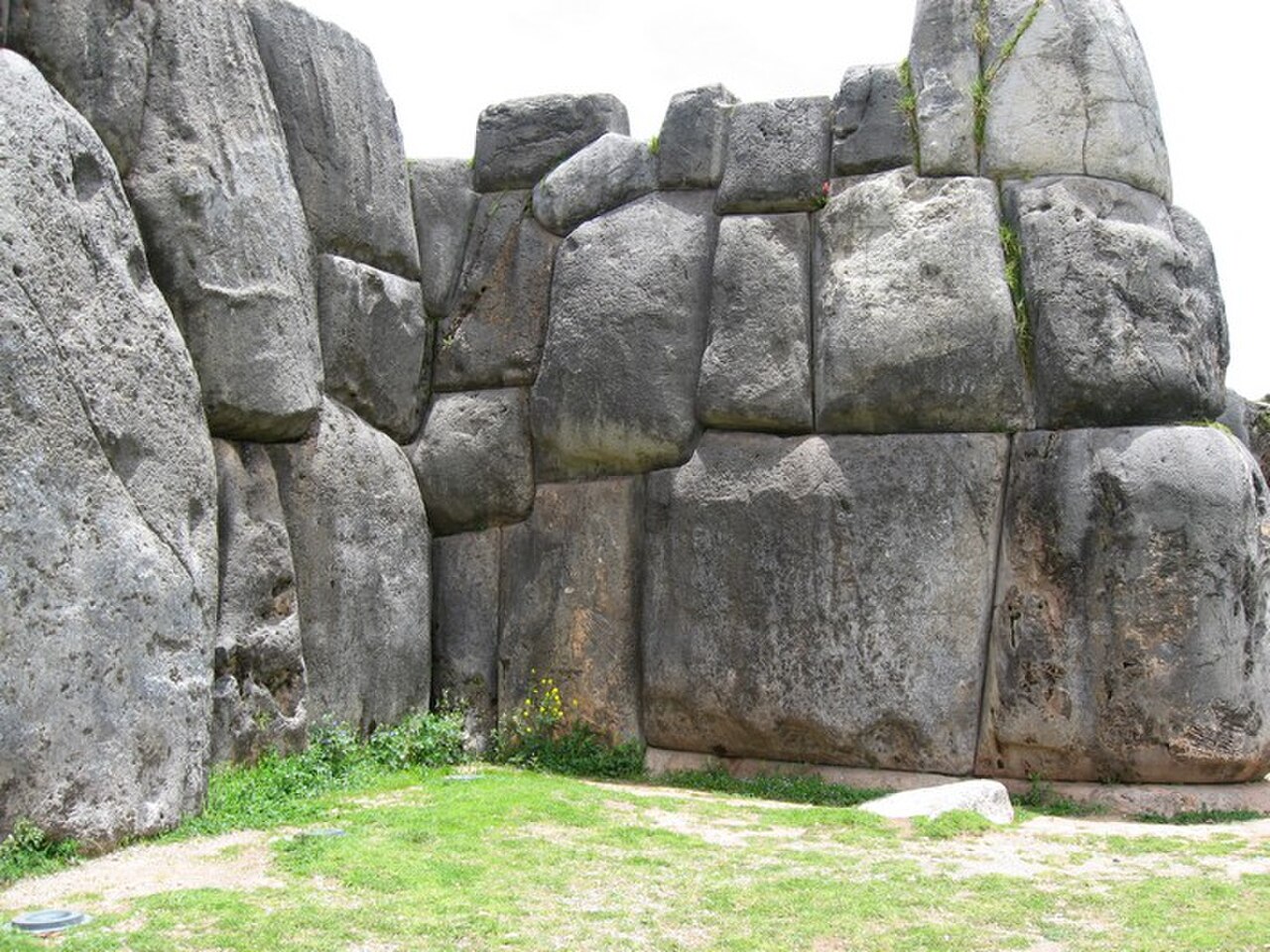
Saqsaywaman
- Must see
- Historic monument
Language · 11 published
Art and culture venue · Cusco
Cristo Blanco
Reviewed by Elena Voss · Roavina Travel Editor
| Monday | 07:00 – 17:30 |
|---|---|
| Tuesday | 07:00 – 17:30 |
| Wednesday | 07:00 – 17:30 |
| Thursday | 07:00 – 17:30 |
| Friday | 07:00 – 17:30 |
| Saturday | 07:00 – 17:30 |
| Sunday | 07:00 – 17:30 |
Checked 2026-08-31 · Source
Read from the OpenStreetMap access tags; anything not listed has no tag recorded.
Set the group type to family in the planner and the day window contracts to about three quarters of a solo day.
This place is a Artwork.
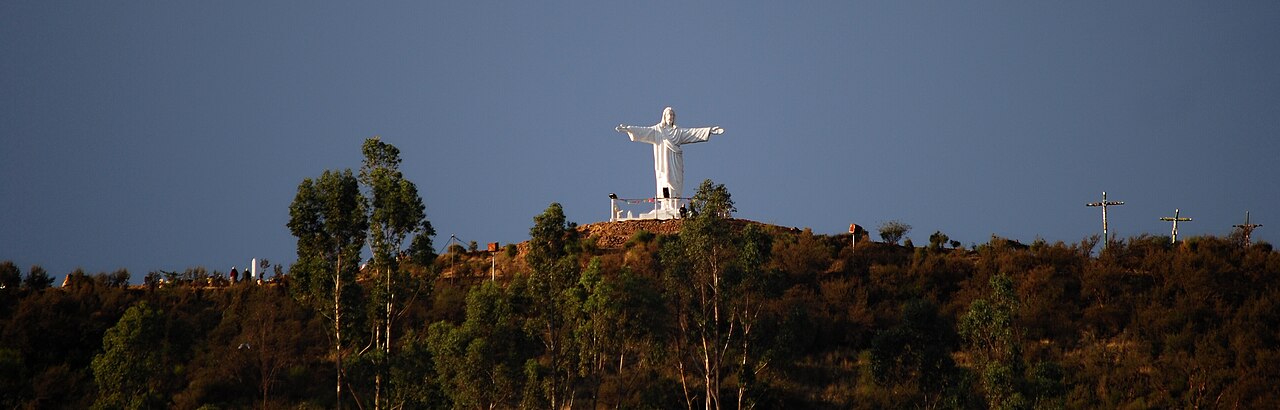
Cristo Blanco is a large white statue of Christ standing on a hill overlooking Cusco, Peru. The monument was a gift from Palestinian Christians who sought refuge in Cusco during World War II, presented as a token of gratitude to the city. Positioned prominently above the historic center, it serves as both a religious symbol and a widely recognized landmark visible from many points across the city below. The statue stands near the ruins of Sacsayhuaman. Daily 07:00–17:30.
Checked 2026-08-31 · Source
The site centers on the Christ statue itself, with no enclosed structures or museum facilities. Visitors come primarily for the panoramic vantage point. The immediate area around the monument is open ground with limited amenities. The surrounding hilltop terrain offers natural walking space and multiple angles for viewing the cityscape. There are no recorded visitor centers, exhibition halls, or commercial establishments at the monument itself. The responsible cultural authority publishes these visiting hours for Saqsaywaman, whose protected area includes the Cristo Blanco sector. MINCETUR lists Cerro Pukamoqo as a year-round attraction; no regular weekly closure day is specified.
Checked 2026-08-31 · Source
A visit to Cristo Blanco typically requires between thirty minutes and one hour for most travelers. This allows time to approach the statue, appreciate the views across Cusco and toward Sacsayhuaman, and take photographs. Those combining the visit with a walk from the city center or with exploration of nearby Sacsayhuaman should allocate additional time. The brevity of the experience makes it suitable as a stop within a broader itinerary rather than a dedicated half-day excursion. Sunset timing may extend stays. Free general admission to Cristo Blanco Viewpoint. This is separate from the ticketed monumental circuit at Saqsaywaman.
Checked 2026-08-31 · Source
The viewpoint is an open-air site without gated entry, suggesting potential access at most times, though visitors should exercise caution regarding personal safety during darkness. Daylight hours generally offer the clearest views and most secure conditions. Morning visits may provide cleaner atmospheric conditions for photography. Daily 07:00–17:30. MINCETUR records two arrivals: tourist bus from Cusco via Carretera de Circunvalación, approximately 7 km and 15 minutes; or a 3 km, approximately one-hour uphill walk from Plaza de Armas through San Cristóbal to Cerro Pukamoqo. The Saqsaywaman master plan names mirabus Route 01 via Llaullipata–Cristo Blanco–Uku Uku and Route 02 via Cristo Blanco–Q'enqo–Huayllarcocha.
Checked 2026-08-31 · Source
No admission fee structure is documented for the Cristo Blanco viewpoint itself. Visitors reaching the site independently would not encounter ticket barriers. Those arriving via organized tour or taxi service would pay according to that arrangement. Travelers should verify current conditions locally, as policies may change. Budget for transportation costs rather than entry fees. Free general admission to Cristo Blanco Viewpoint. This is separate from the ticketed monumental circuit at Saqsaywaman. The Saqsaywaman authority documents a level visitor entrance and an accessible short circuit within the wider archaeological park.
Checked 2026-08-31 · Source
Cristo Blanco sits on a hill accessible by road from central Cusco. Taxis represent the most common direct transport method. Some visitors walk from the Plaza de Armas area, though the steep uphill route demands physical fitness and acclimatization to the altitude. MINCETUR records two arrivals: tourist bus from Cusco via Carretera de Circunvalación, approximately 7 km and 15 minutes; or a 3 km, approximately one-hour uphill walk from Plaza de Armas through San Cristóbal to Cerro Pukamoqo. The Saqsaywaman master plan names mirabus Route 01 via Llaullipata–Cristo Blanco–Uku Uku and Route 02 via Cristo Blanco–Q'enqo–Huayllarcocha.
Checked 2026-08-31 · Source
Altitude affects all visitors to Cusco, situated above 3,300 meters. The additional climb to Cristo Blanco exacerbates breathlessness and fatigue for the unacclimatized. Pace yourself and carry water. The open hilltop lacks shelter from sun, wind, or rain; appropriate clothing and sun protection are essential. Path surfaces may be uneven. Limited lighting after dark creates safety considerations for those walking. The Saqsaywaman authority documents a level visitor entrance and an accessible short circuit within the wider archaeological park. The responsible authorities do not document a continuous step-free route from the Cristo Blanco parking area to every part of the viewing platform.
Checked 2026-08-31 · Source
The viewpoint excels for wide-angle cityscape photography encompassing Cusco's historic center, surrounding hills, and distant mountains. The statue itself serves as foreground interest or subject. Morning light illuminates the city from one direction, while sunset backlights the urban area. The white statue reflects strongly in midday sun, challenging exposure balance. No restrictions on photography are documented. Tripod use for stability may assist given altitude-related unsteadiness. The broad vista rewards panoramic techniques. Cloud formations and seasonal atmospheric variations dramatically alter scene character. It stands on Cerro Pukamoqo in Cusco's Saqsaywaman archaeological park.
Checked 2026-08-31 · Source
It stands on Cerro Pukamoqo in Cusco's Saqsaywaman archaeological park.
The statue was built in 1945.
The name refers to a red hill, reflecting the reddish clay found there.
The panorama includes central Cusco, Plaza de Armas, the cathedral, major churches and principal streets.
The official tourism inventory records landscape viewing, photography and filming; horse rides take place around the attraction.
Within Saqsaywaman, visitors may not bring food, animals, alcohol or drugs; climb or mark archaeological walls; camp; or fly drones without DDC Cusco authorization.
Loading the interactive map…
The interactive map could not be loaded.

Last updated:
Source: OpenStreetMap contributors ·