
1 min walk
Center for Traditional Textiles of Cusco
- Must see
- Activity
Language · 11 published
Art and culture venue · Cusco
Centro Qosqo de Arte Nativo
Reviewed by Elena Voss · Roavina Travel Editor
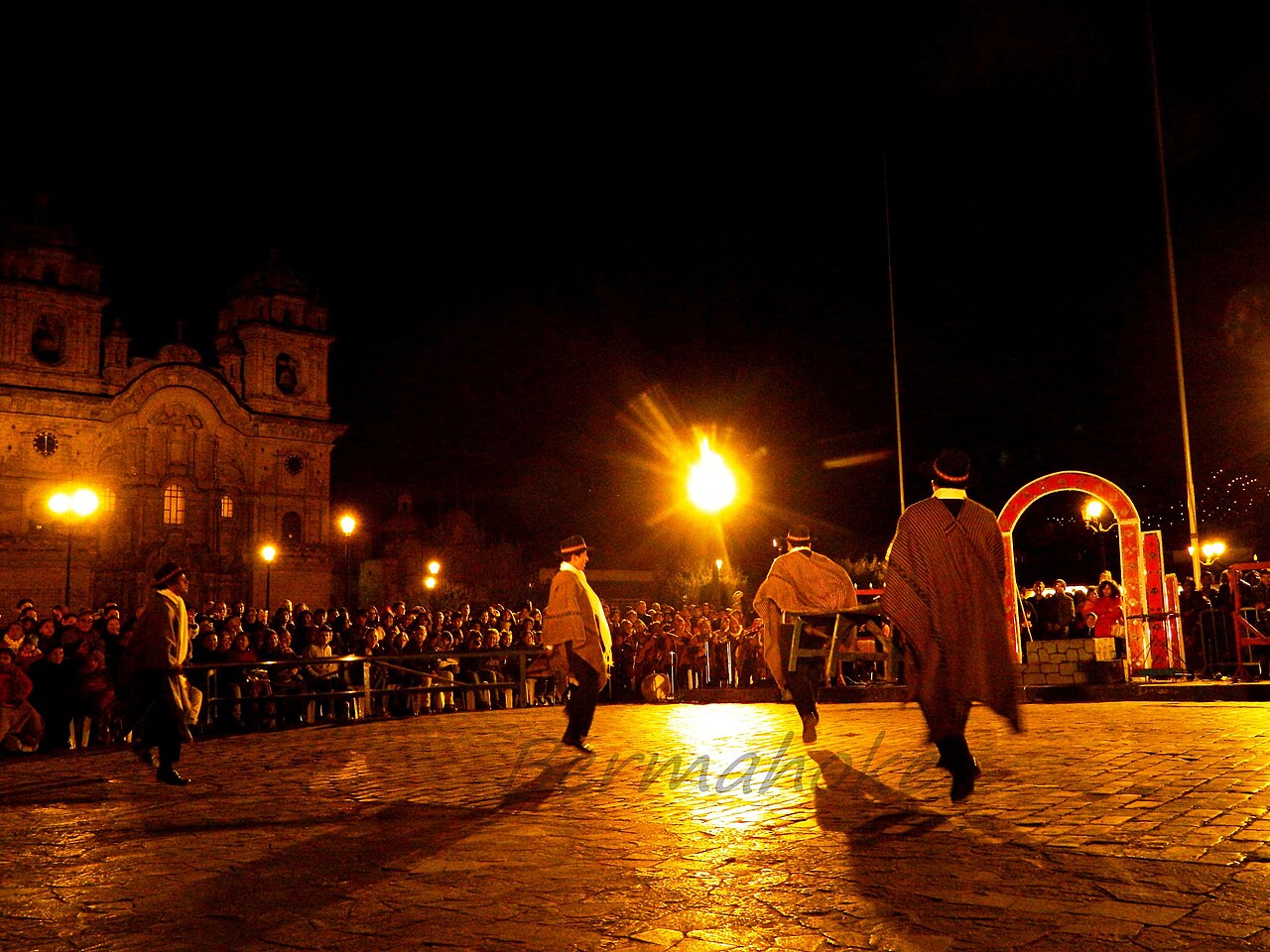
This place is a Theatre.
Qosqo Native Art Center, also known as Centro Qosqo de Arte Nativo, is a Cusco venue devoted to regional folk dance and traditional Andean music. It offers an evening cultural experience built around live performance rather than a collection of objects or a large archaeological site. For travellers interested in seeing Cusco traditions presented on stage, the centre provides a focused way to spend part of the evening in the city. It is a useful complement to daytime visits focused on architecture, archaeology and mountain scenery. The center presents folk-dance performances representing Cusco regional traditions, accompanied by traditional Andean music.
Checked 2026-08-26 · Source
The main experience is a seated presentation of regional dance and music. Expect performers, costumes, choreography and traditional instruments to carry the visit, with the stage and audience area forming the essential setting. This is a living-culture stop, so its appeal lies in movement and sound rather than galleries or permanent displays. It works especially well for travellers who want a cultural evening after exploring Cusco's streets and monuments. Watch for the contrast between energetic dance sequences and the quieter musical passages that give the presentation its regional character.
Checked 2026-08-26 · Source
Plan an evening visit of roughly two to three hours, allowing time to arrive, find your seat and watch the performance. The centre is best treated as one substantial cultural activity rather than a quick stop between landmarks. Leave enough room around it in your itinerary for the journey across Cusco, the start of the presentation and any interval. Pairing the show with dinner before or after can make the evening feel unhurried. Avoid placing another fixed activity immediately afterward, since the performance should remain the evening's main commitment.
Checked 2026-08-26 · Source
Choose an evening when you want a dedicated introduction to Cusco's regional performance traditions. The city's drier period, generally from May to October, can make moving around before and after the show more comfortable, while the performance itself remains an indoor cultural plan. Cusco's altitude can make a full sightseeing day tiring, so an evening seated activity may suit travellers who want a gentler cultural finish. Leave daytime for outdoor sites and reserve this experience for the night. It also provides a change of rhythm after busy market or archaeological visits.
Checked 2026-08-26 · Source
Treat the performance as a planned evening outing and allow time for the ticketing process before the presentation begins. The visit's value comes from experiencing live regional dance and Andean music in a dedicated cultural venue, not from wandering through several separate attractions. If you are building a compact Cusco day, keep the show as the evening's anchor and avoid scheduling another fixed activity immediately afterward. That leaves room for the performance and the transition back into the city. The format suits travellers who prefer a single cultural event with a clear beginning and end.
Checked 2026-08-26 · Source
Reach the centre within Cusco by walking, taxi or other ordinary city transport, choosing the option that best fits your evening route and altitude comfort. Cusco's historic core is compact enough for many central journeys on foot, while taxis can reduce effort after a long day. Leave a buffer for arrival and seating, especially if you are crossing the city from another district. After dark, keep the journey simple and stay attentive to your belongings in busy areas. A planned return route helps you enjoy the performance without worrying about the final journey.
Checked 2026-08-26 · Source
Cusco stands at about 3,400 metres, and altitude can affect energy, breathing and comfort during a travel day. Give yourself time to acclimatise, keep the evening pace easy and bring an extra layer because temperatures fall after sunset. During the performance, remain considerate of performers and other audience members. Keep valuables close in crowded streets before and after the show, and plan your return route before the evening becomes late. If you are still adjusting to the altitude, a seated performance may be easier than another strenuous walk.
Checked 2026-08-26 · Source
The centre is primarily a live-performance experience, so let the dancers and musicians remain the focus of the evening. Keep your camera ready for the atmosphere before or after the presentation, but do not let photography distract from the audience experience. Avoid flash during a performance, since bright light can disturb performers and viewers. If you want to record more extensively, ask venue staff first and follow the instructions given inside. Photographing costumes and movement respectfully is more important than collecting a complete visual record of the show.
Checked 2026-08-26 · Source
The centre presents regional folk dance accompanied by traditional Andean music, giving visitors a focused evening introduction to Cusco performance traditions.
It adds a live cultural experience to a Cusco trip, complementing daytime visits to streets, monuments and archaeological sites with regional dance and music in the evening.
Allow roughly two to three hours for the evening, including arrival, seating and the seated performance.
Yes. The visit centres on a seated stage presentation, making it a useful evening plan when you want a break from Cusco's outdoor sightseeing.
Cusco is at approximately 3,400 metres, so acclimatisation matters. Keep your pace comfortable and allow extra recovery time if the day's sightseeing has been demanding.
Avoid flash during the live presentation and follow venue staff instructions. The performance should remain the priority for both the audience and the artists.
Loading the interactive map…
The interactive map could not be loaded.


Last updated:
Source: OpenStreetMap contributors ·