


2 min walk
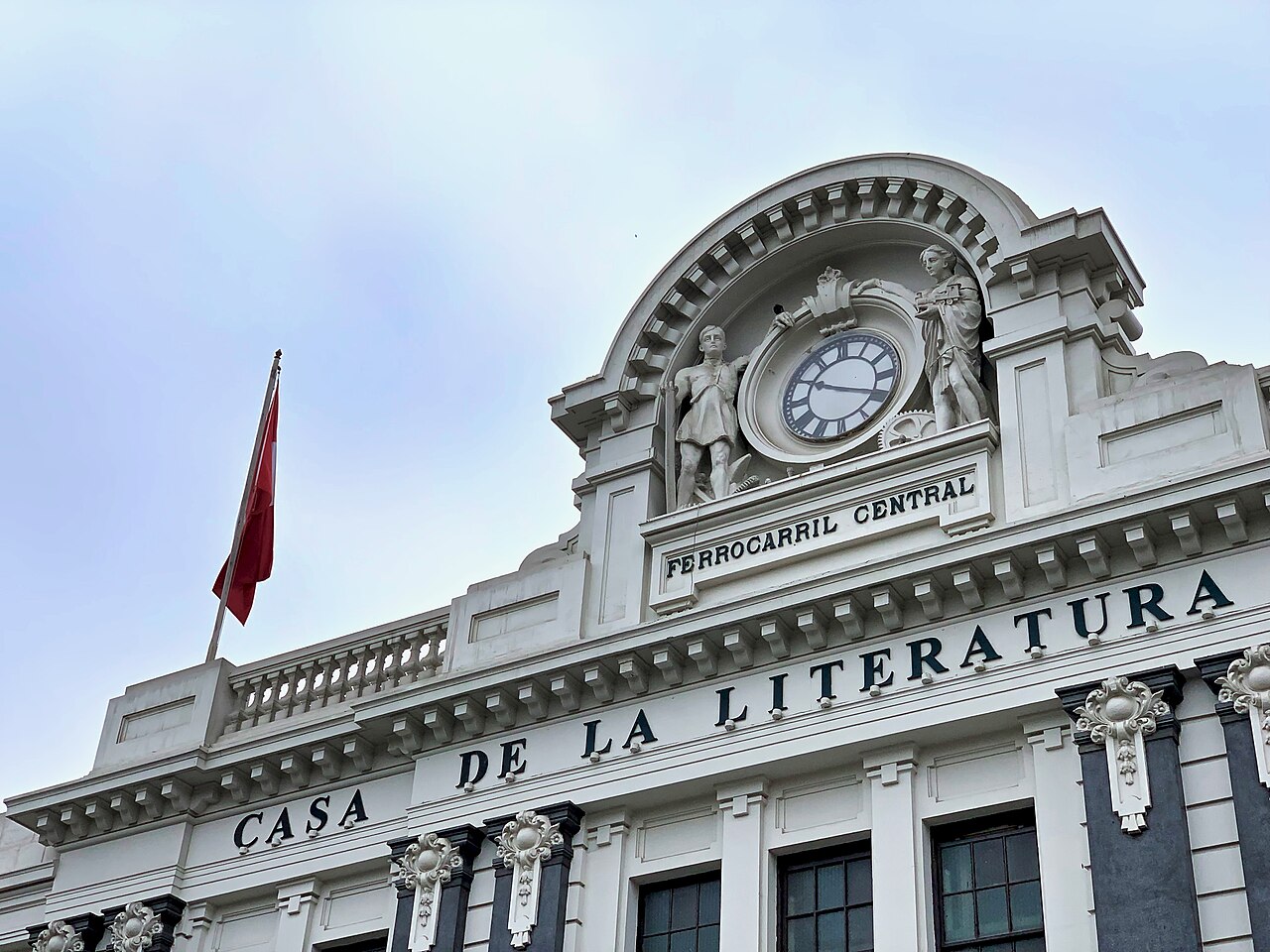
House of Peruvian Literature
- Must see
- Museum
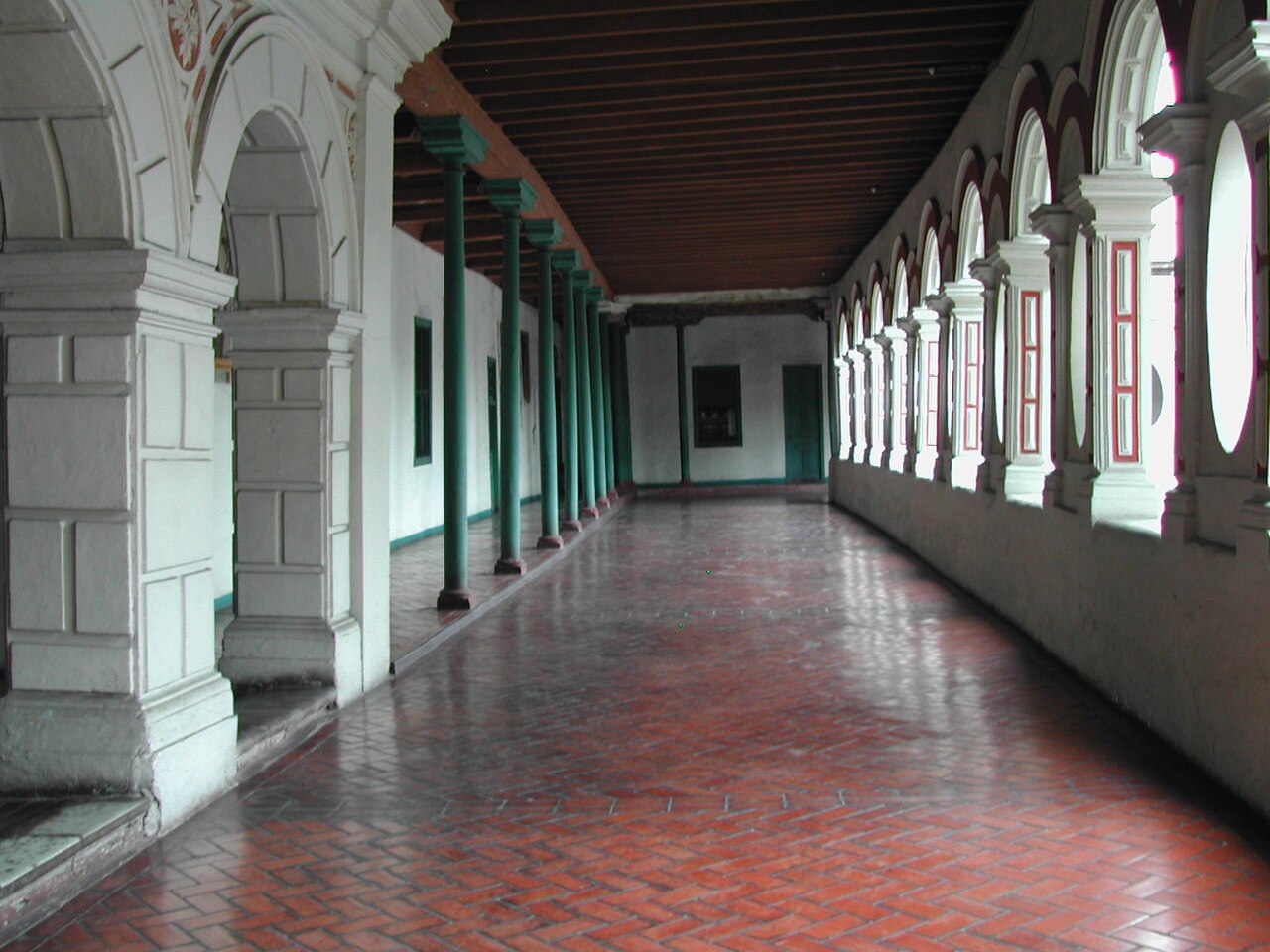
Historic site · Lima
Centro Histórico de Lima
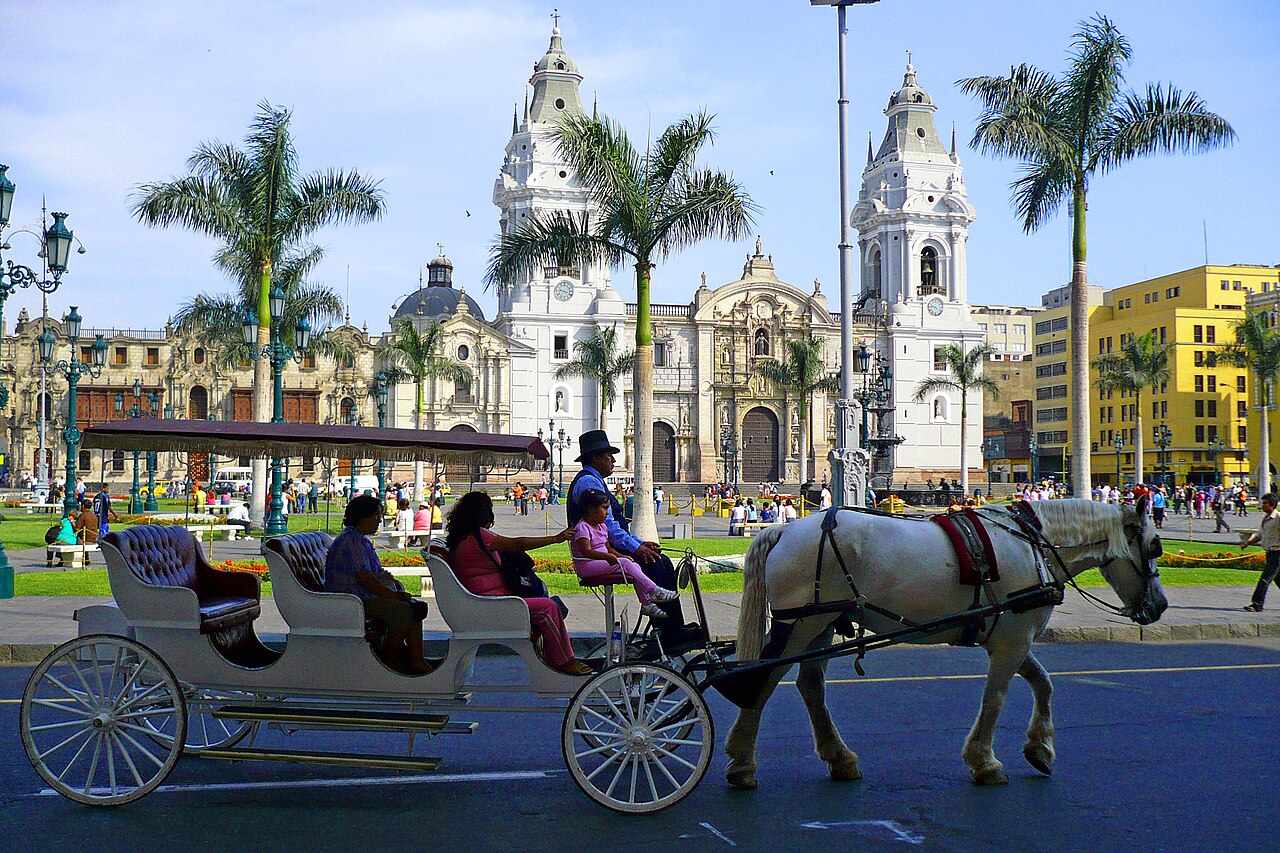
The Historic Centre of Lima, locally Centro Histórico de Lima, is the UNESCO World Heritage-listed colonial core of Peru's capital. Founded by Francisco Pizarro in 1535, it preserves a substantial ensemble of Spanish colonial architecture, religious buildings, and civic structures. The district encompasses the Plaza Mayor and surrounding blocks that formed the original Spanish grid. Its UNESCO inscription in 1991 recognized the ensemble's exceptional representation of colonial urban planning in Latin America and its fusion of European, indigenous, and later architectural traditions.
Checked 2026-08-31 · Source
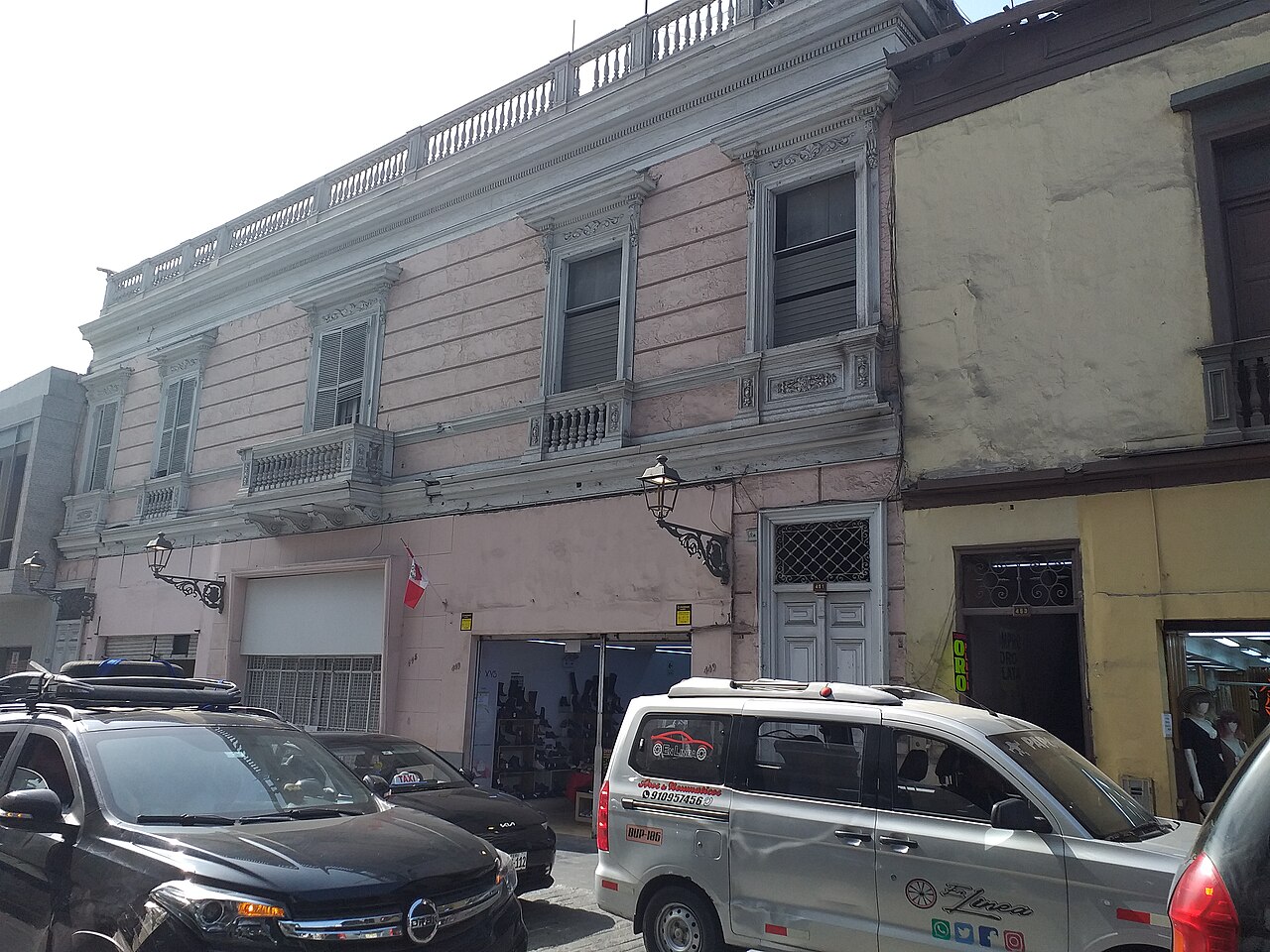
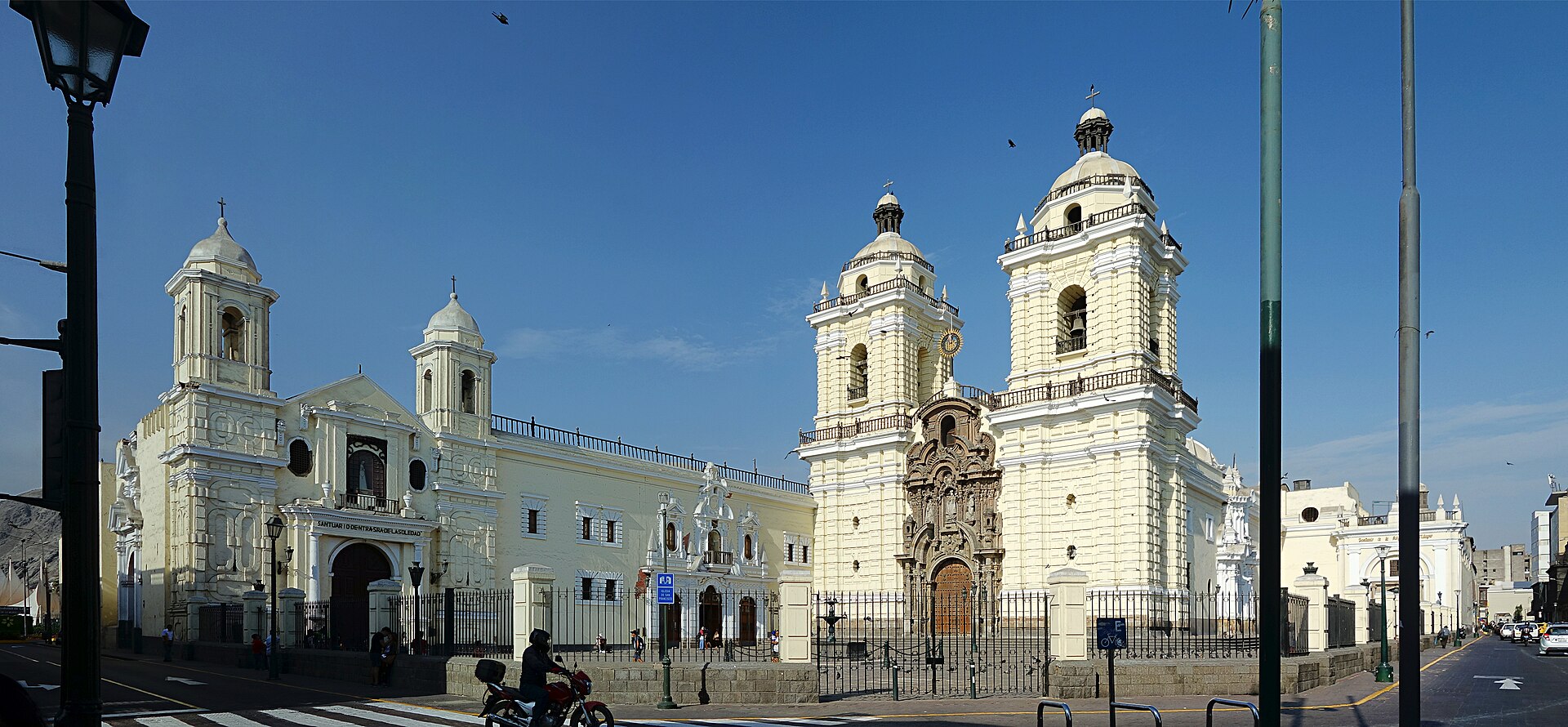
The centre contains the Plaza Mayor with its bronze fountain, the Government Palace, Lima Cathedral, and the Archbishop's Palace with its distinctive wooden balconies. The San Francisco de Asis complex includes a church, convent, and noted catacombs. Multiple colonial-era mansions with enclosed wooden balconies line the streets, reflecting traditional Lima architectural character. The area also contains the historic Desamparados railway station and various commercial buildings. Religious structures span several orders, including Santo Domingo and La Merced. The dense concentration of monuments within a walkable area creates a coherent heritage district. No regular street closure applies.
Checked 2026-08-31 · Source
Visitors typically allocate a half-day to full day for initial exploration of the Historic Centre's core monuments. Those entering religious buildings, museums, or the San Francisco catacombs should extend this estimate. The compact grid layout permits efficient walking between major sites, though interior visits add substantial time. Repeat visitors or those with specialized architectural or historical interests may benefit from multiple visits. The surrounding streets contain additional colonial structures worth incidental observation. Pace should account for altitude adjustment if newly arrived in Lima, as fatigue affects walking speed.
Checked 2026-08-31 · Source
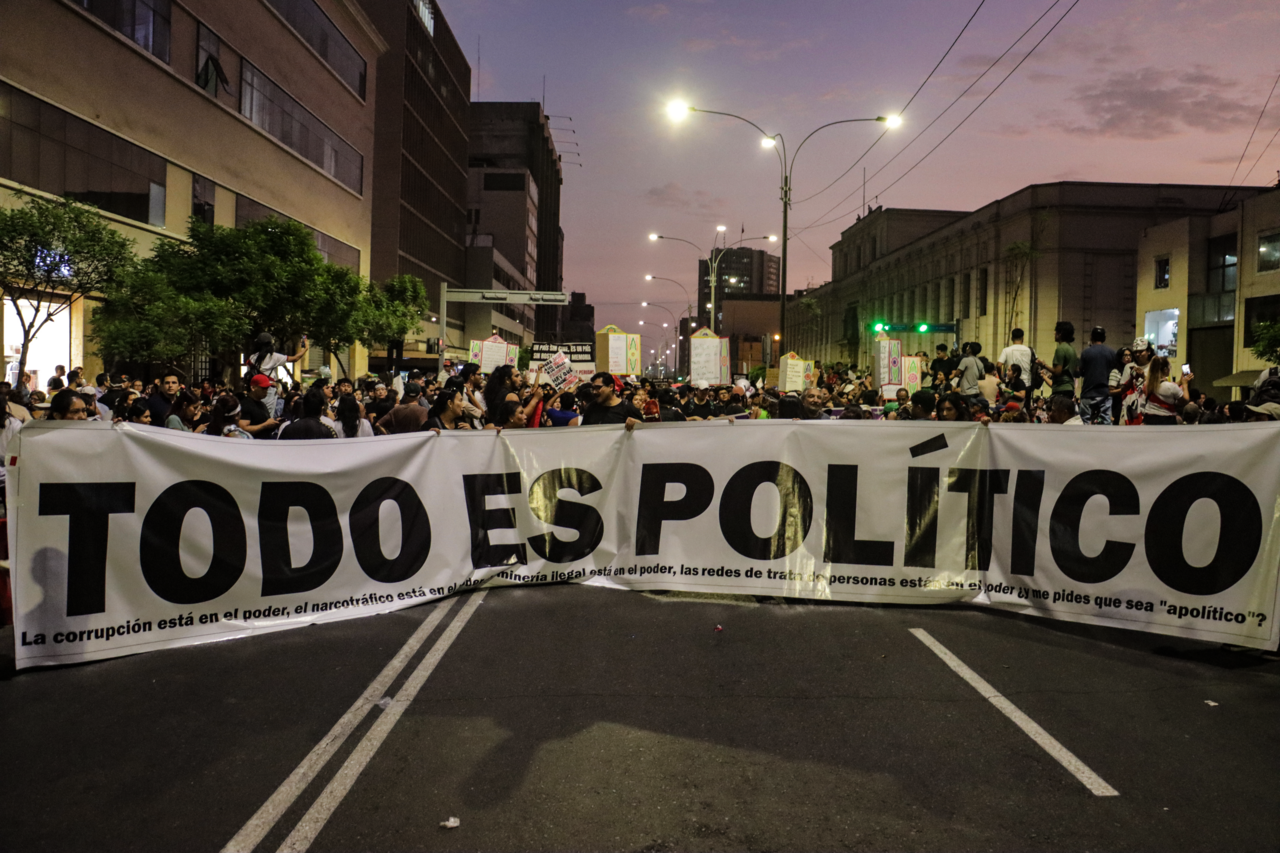
Public streets and squares are accessible 24 hours daily; churches, museums and civic buildings keep separate hours, while demonstrations and ceremonies can close blocks. Metropolitano Jirón de la Unión and Colmena stations serve the centre; the pedestrian spine links Plaza San Martín and Plaza Mayor.
Checked 2026-08-31 · Source
Walking the UNESCO historic centre is free; individual interiors and guided tours charge separately.
Checked 2026-08-31 · Source
Metropolitano Jirón de la Unión and Colmena stations serve the centre; the pedestrian spine links Plaza San Martín and Plaza Mayor.
Checked 2026-08-31 · Source
Main pedestrian streets have curb ramps, but colonial pavements, traffic, crowds and inaccessible historic interiors interrupt continuous step-free travel. Historic surfaces, crowds and security remain relevant. Public streets and squares are accessible 24 hours daily; churches, museums and civic buildings keep separate hours, while demonstrations and ceremonies can close blocks.
Checked 2026-08-31 · Source
Exterior photography of plaza monuments and streetscapes is generally unrestricted during daylight hours. The wooden balconies, church facades, and plaza fountain offer classic compositions. Night illumination of the Government Palace and cathedral permits after-dark exterior work with appropriate support.
Interior photography restrictions vary significantly by site; churches and museums commonly prohibit flash and may forbid all photography in specific areas including catacombs. Tripod use in public spaces may attract security attention near government buildings. Rooftop perspectives from certain surrounding structures provide elevated views over the plaza ensemble, though access requires specific arrangements.
Checked 2026-08-31 · Source
Yes, walking the historic centre is free; individual interiors and guided tours charge separately.
No, public streets and squares are accessible 24 hours daily.
No, churches, museums and civic buildings keep their own separate hours.
No, main pedestrian streets have curb ramps, but colonial pavements, traffic, crowds and inaccessible historic interiors interrupt continuous step-free travel.
Yes, demonstrations and ceremonies can close blocks.
The Metropolitano busway serves the centre at its Jirón de la Unión and Colmena stations.
Loading the interactive map…
The interactive map could not be loaded.
Last updated:
Source: OpenStreetMap contributors, Wikidata ·