


9 min walk
Kennedy Park
- Must see
- Nature site
Museum · Lima
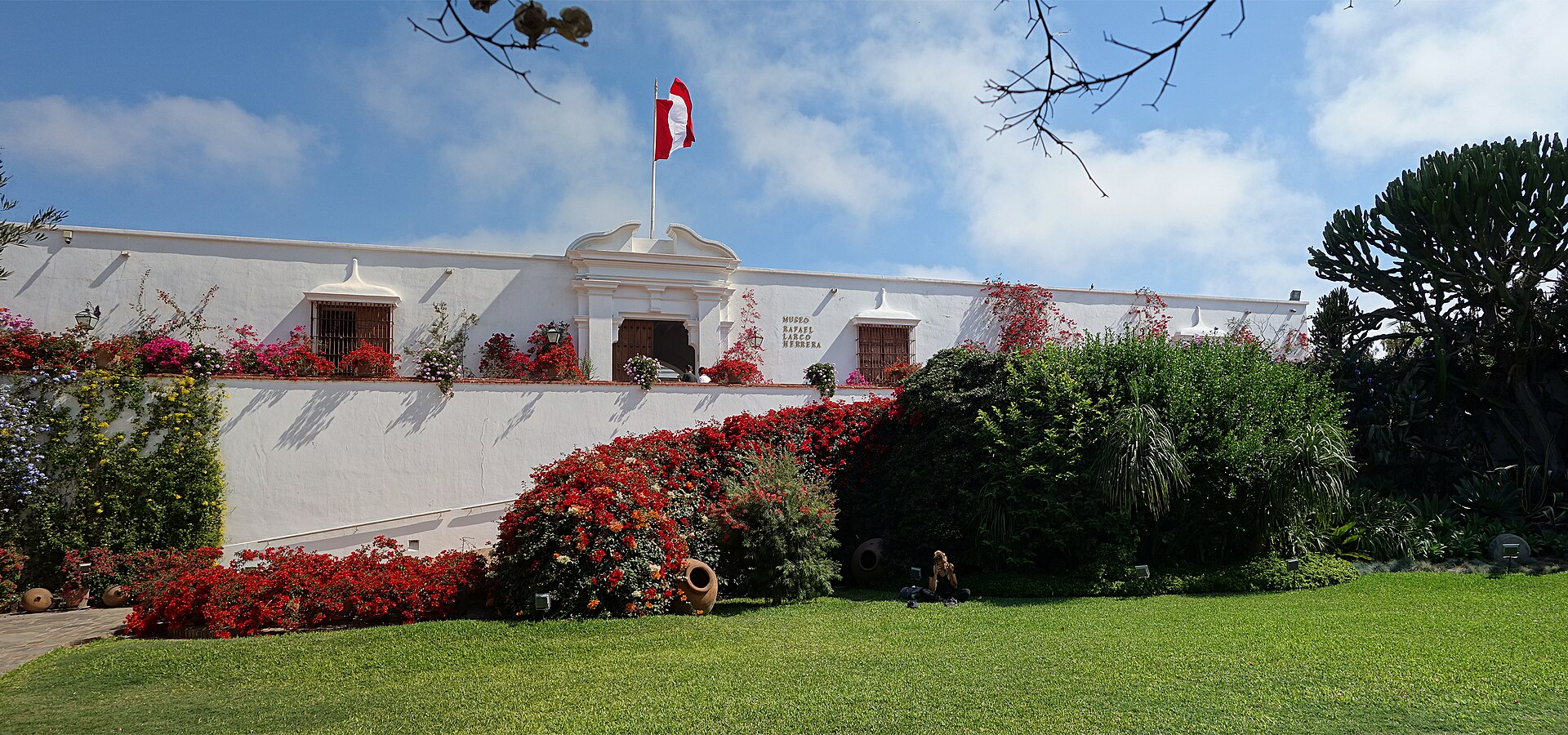
Museo Larco
| Monday | 09:00 – 19:00 |
|---|---|
| Tuesday | 09:00 – 19:00 |
| Wednesday | 09:00 – 19:00 |
| Thursday | 09:00 – 19:00 |
| Friday | 09:00 – 19:00 |
| Saturday | 09:00 – 19:00 |
| Sunday | 09:00 – 19:00 |
| Monday | 09:00 – 18:00 |
|---|---|
| Tuesday | 09:00 – 18:00 |
| Wednesday | 09:00 – 18:00 |
| Thursday | 09:00 – 18:00 |
| Friday | 09:00 – 18:00 |
| Saturday | 09:00 – 18:00 |
| Sunday | 09:00 – 18:00 |
| Monday | 09:00 – 18:00 |
|---|---|
| Tuesday | 09:00 – 18:00 |
| Wednesday | 09:00 – 18:00 |
| Thursday | 09:00 – 18:00 |
| Friday | 09:00 – 18:00 |
| Saturday | 09:00 – 18:00 |
| Sunday | 09:00 – 18:00 |
Checked 2026-11-04 · Source
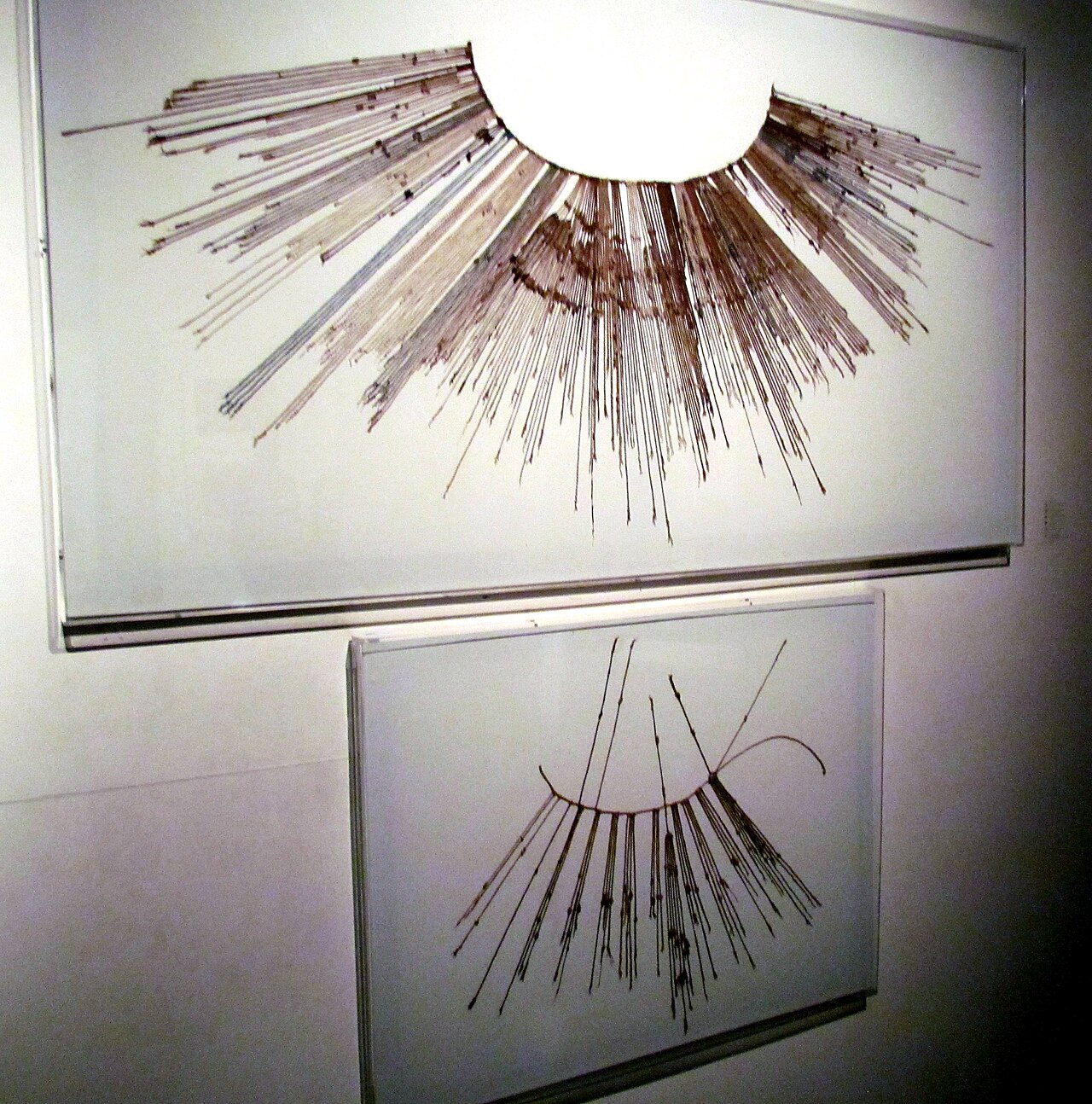
The Museo Arqueológico Rafael Larco Herrera is Lima's leading museum for pre-Columbian art and archaeology. Founded by Rafael Larco Hoyle in 1926, it occupies an eighteenth-century vice-royal mansion in the Pueblo Libre district. The museum houses one of Peru's most comprehensive collections spanning 5,000 years of ancient Peruvian history, including the Moche, Chimú, Inca, and other major cultures. Its reputation rests on scholarly curation combined with public accessibility, particularly through its pioneering visible storage system that allows visitors to view thousands of catalogued objects beyond conventional gallery displays. Open daily 09:00-19:00, including most public holidays; the museum publishes exceptions for Christmas, New Year and special events. Adult admission is PEN 50; seniors pay PEN 35, and students and visitors aged 9–17 pay PEN 25. Children aged 3–8 pay PEN 1; children aged 0–2 enter free. Ramps, lifts, accessible toilets and wheelchairs provide access to galleries, visible storage, gardens and restaurant. The museum is at Avenida Bolívar 1515 in Pueblo Libre; buses run along Bolívar and Brasil, while taxis from Miraflores take roughly 25-40 minutes depending on traffic.
Checked 2026-10-01 · Source

The collection encompasses ceramics, textiles, gold and silver work, and erotic archaeological artifacts. The Moche pottery collection is especially significant, featuring portrait vessels and stirrup-spout bottles. The visible storage galleries present rows of open shelving containing thousands of classified objects, a format rare in major museums worldwide. The museum grounds include gardens in a traditional colonial courtyard setting. A separate gallery houses the well-known collection of pre-Columbian erotic pottery, presented with archaeological context rather than sensationalism. The institution also maintains a research library and conservation facilities supporting ongoing scholarly work.
Checked 2026-10-01 · Source
Visitors typically allocate two to three hours for a meaningful visit, though enthusiasts of pre-Columbian art may prefer half a day. The visible storage system rewards extended browsing, as the sheer quantity of accessible material exceeds what conventional displays could present. The gardens and courtyard offer space for rest between gallery visits. First-time visitors should prioritize the thematic galleries before exploring the storage areas, which lack the same curatorial narrative but compensate with breadth. Audio guides or reading materials would extend visit duration for those seeking deeper understanding of specific cultures or artifact types.
Checked 2026-08-31 · Source
Open daily 09:00-19:00, including most public holidays; the museum publishes exceptions for Christmas, New Year and special events. The museum is at Avenida Bolívar 1515 in Pueblo Libre; buses run along Bolívar and Brasil, while taxis from Miraflores take roughly 25-40 minutes depending on traffic.
Checked 2026-08-31 · Source
Adult admission is PEN 50; seniors pay PEN 35, and students and visitors aged 9–17 pay PEN 25. Children aged 3–8 pay PEN 1; children aged 0–2 enter free. Open daily 09:00-19:00, including most public holidays; the museum publishes exceptions for Christmas, New Year and special events. Ramps, lifts, accessible toilets and wheelchairs provide access to galleries, visible storage, gardens and restaurant.
Checked 2026-10-01 · Source
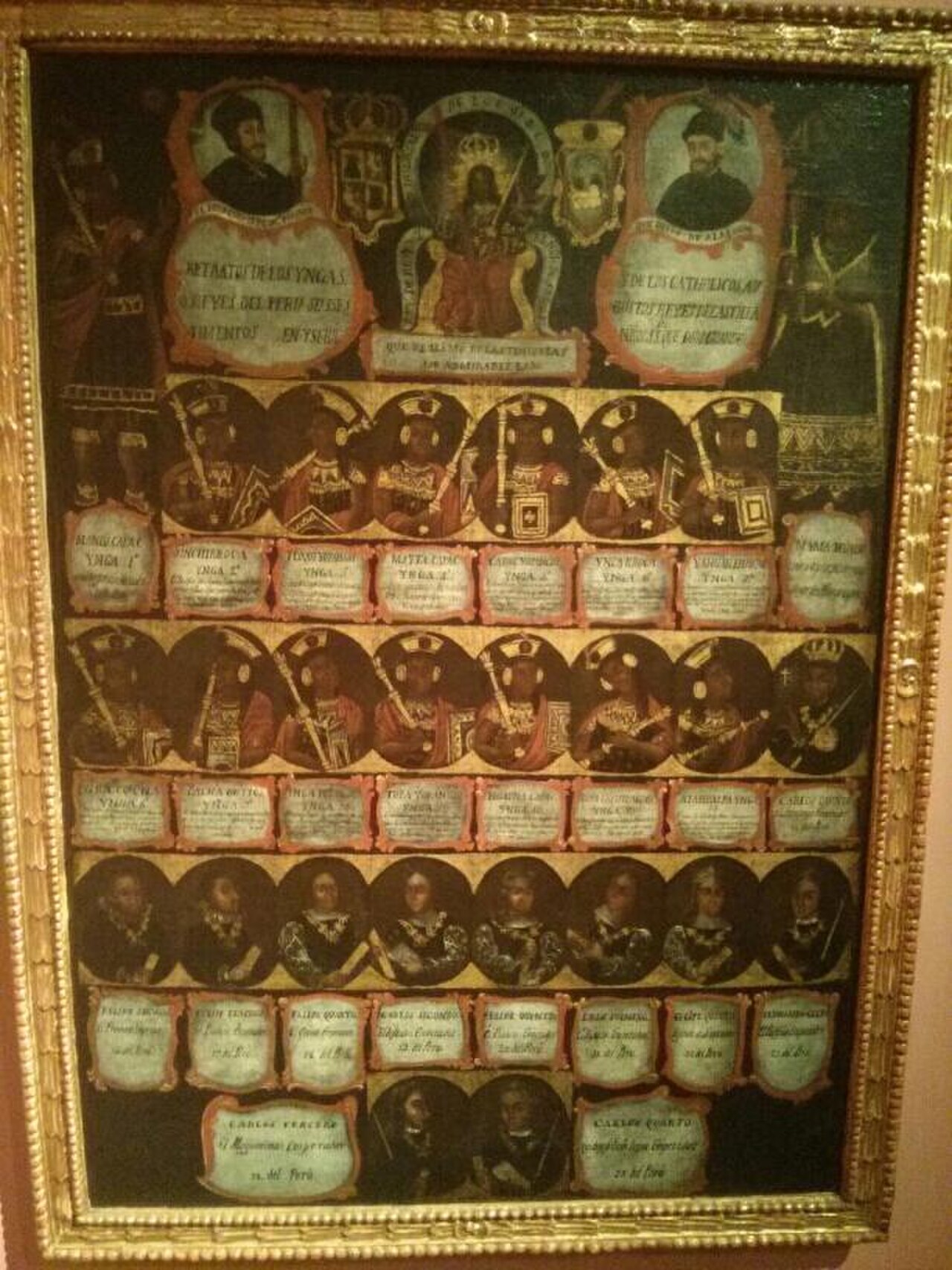
The museum is at Avenida Bolívar 1515 in Pueblo Libre; buses run along Bolívar and Brasil, while taxis from Miraflores take roughly 25-40 minutes depending on traffic. Use the named entrance or stop because hills, security and historic streets change the approach.
Checked 2026-08-31 · Source
Ramps, lifts, accessible toilets and wheelchairs provide access to galleries, visible storage, gardens and restaurant. Children aged 3–8 pay PEN 1; children aged 0–2 enter free. Historic surfaces, crowds and security remain relevant. Open daily 09:00-19:00, including most public holidays; the museum publishes exceptions for Christmas, New Year and special events.
Checked 2026-10-01 · Source
Visitors should observe posted signage in each gallery and visible storage area, as rules may differ between spaces. Tripods and professional equipment typically require advance permission at major institutions. The museum's open storage layout may complicate photography due to glass shelving reflections and spatial constraints. Visitors intending to publish or commercially use images should contact the museum administration directly, as copyright considerations apply to pre-Columbian artifacts despite their antiquity. Adult admission is PEN 50; seniors pay PEN 35, and students and visitors aged 9–17 pay PEN 25. Children aged 3–8 pay PEN 1; children aged 0–2 enter free.
Checked 2026-10-01 · Source
The museum is open daily 09:00-19:00, including most public holidays, with published exceptions for Christmas, New Year and special events.
Adult admission is PEN 50; seniors pay PEN 35, and students and visitors aged 9–17 pay PEN 25.
Children aged 3–8 pay PEN 1; children aged 0–2 enter free.
Ramps, lifts, accessible toilets and wheelchairs provide access to the galleries, visible storage, gardens and restaurant.
Yes.
The museum has a restaurant, which visitors can reach by ramps and lifts.
Loading the interactive map…
The interactive map could not be loaded.
Last updated:
Source: OpenStreetMap contributors, Wikidata ·