


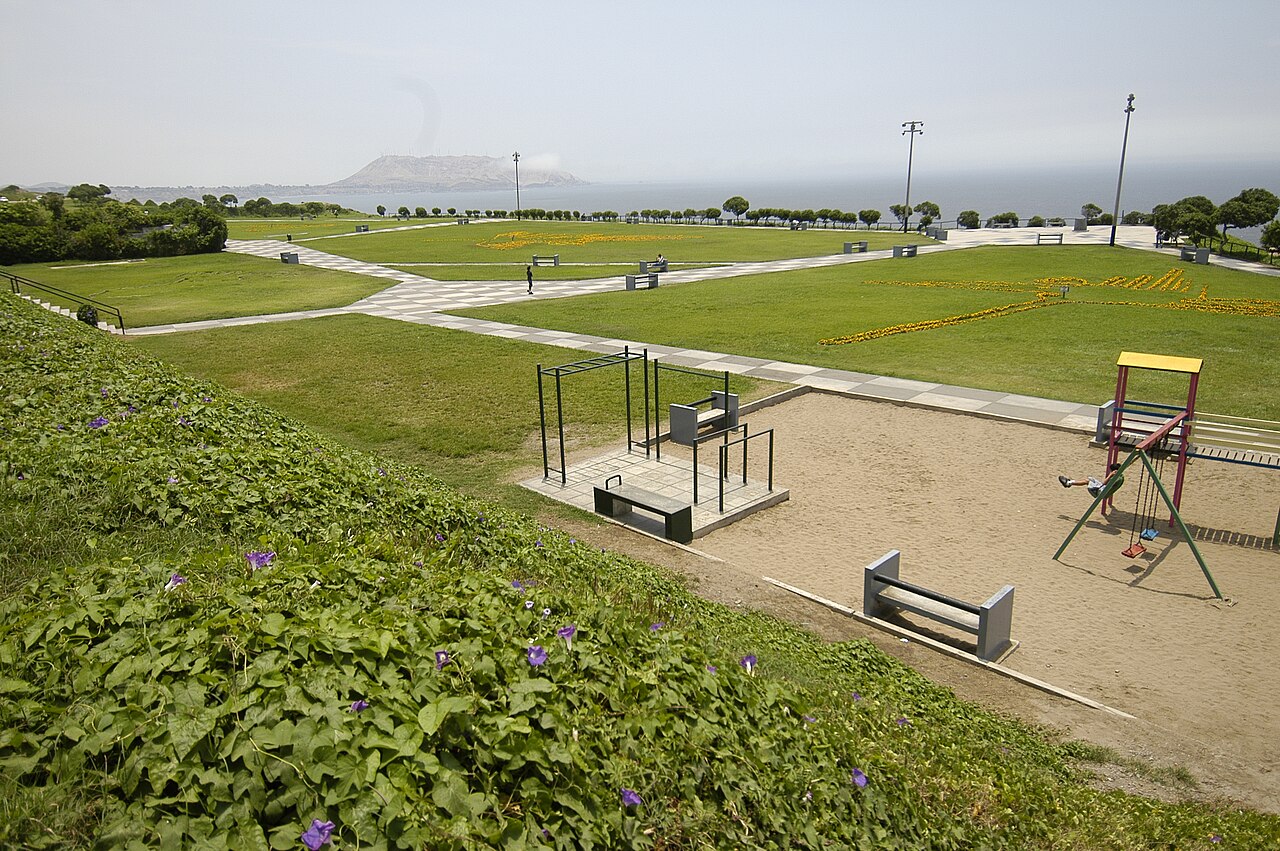
9 min walk
María Reiche Park
- High
- Nature site
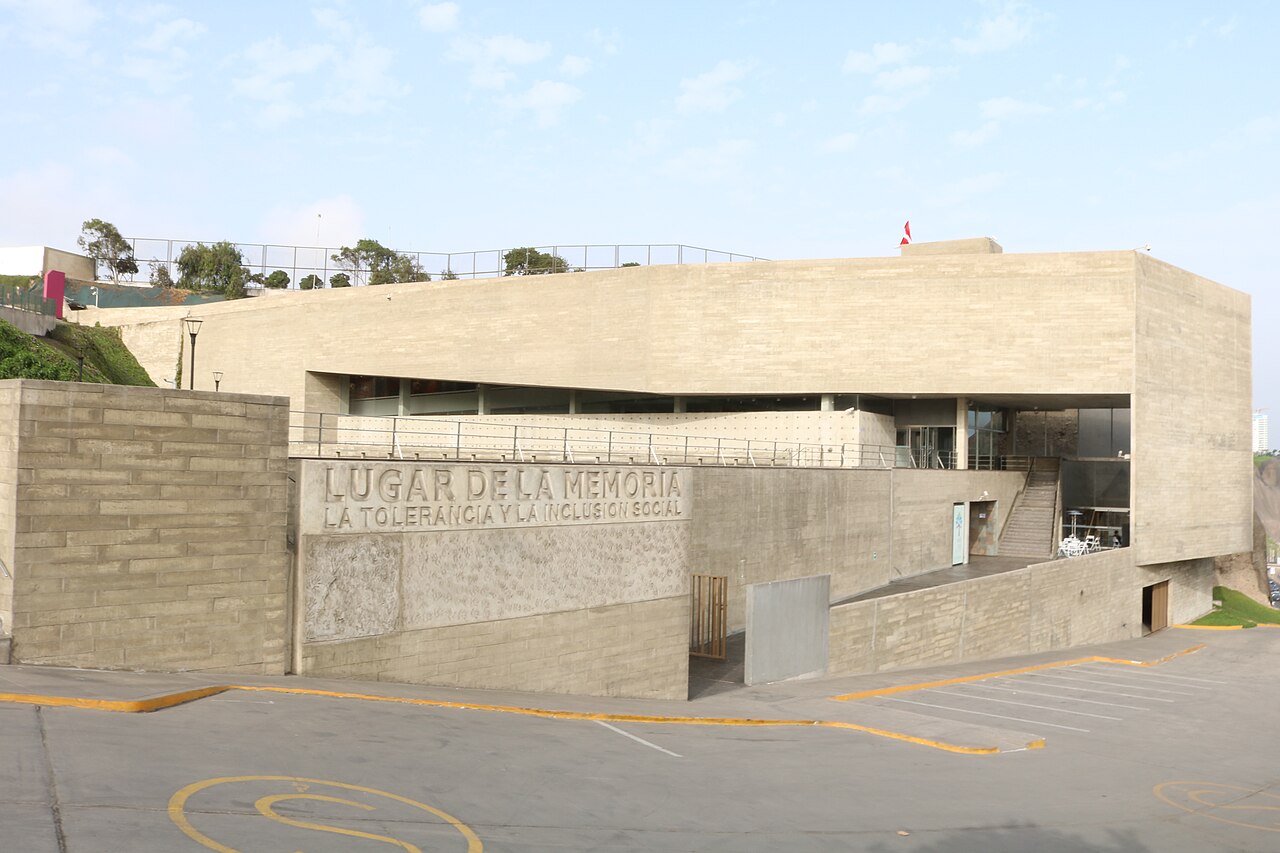
Museum · Lima
Lugar de la Memoria
| Monday | Closed |
|---|---|
| Tuesday–Sunday | 10:00 – 18:00 |
Checked 2026-11-04 · Source
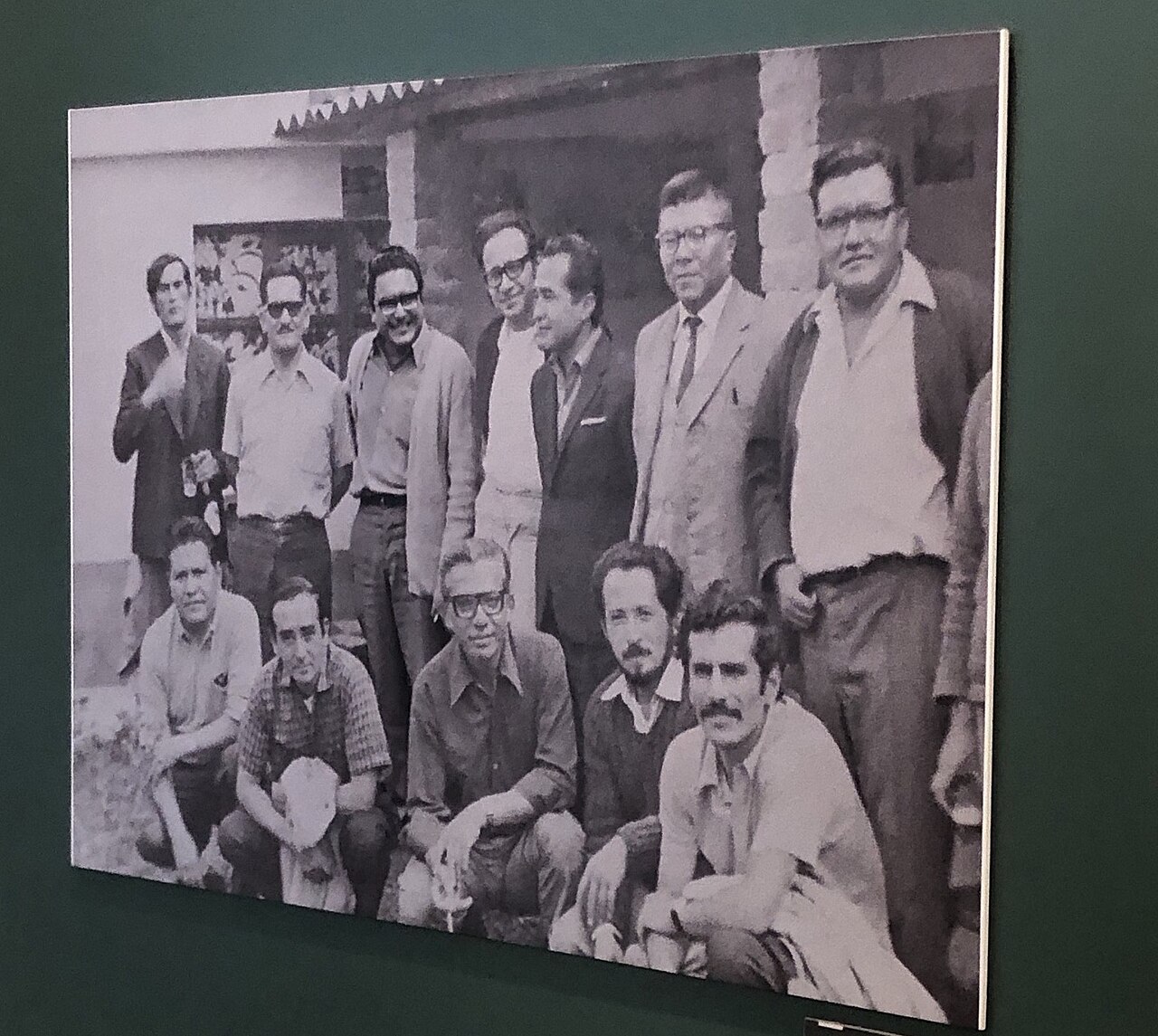
The Place of Memory, Tolerance and Social Inclusion, known locally as LUM, is a museum in Lima dedicated to documenting and reflecting upon Peru's internal armed conflict from 1980 to 2000. Located in the Miraflores district overlooking the Pacific Ocean, the institution serves as a site of memory for the victims of violence involving the Shining Path, other armed groups, and state forces. It was established through a collaborative process involving civil society, human rights organizations, and the state to address contested narratives of this traumatic period.
Checked 2026-08-31 · Source
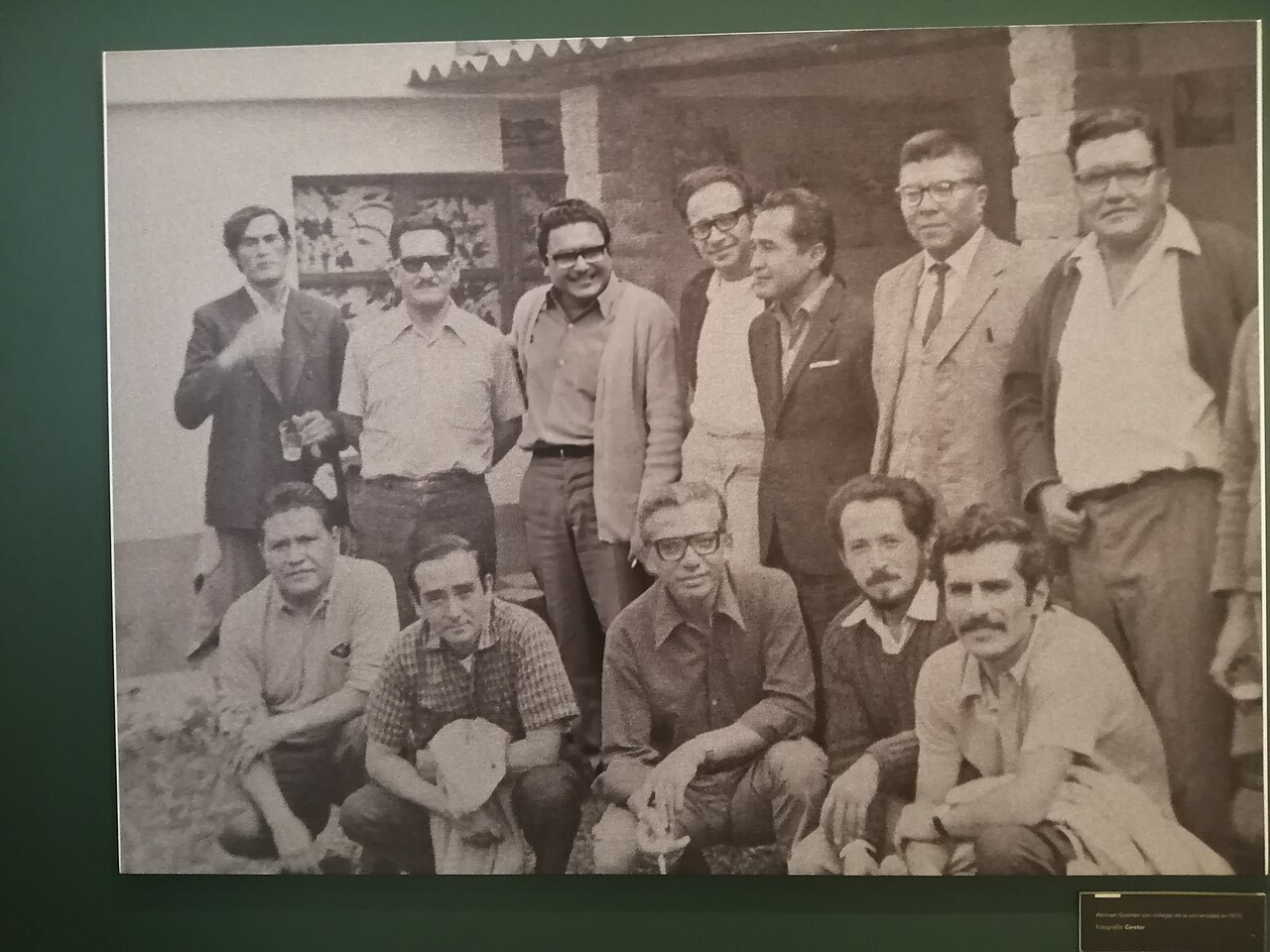
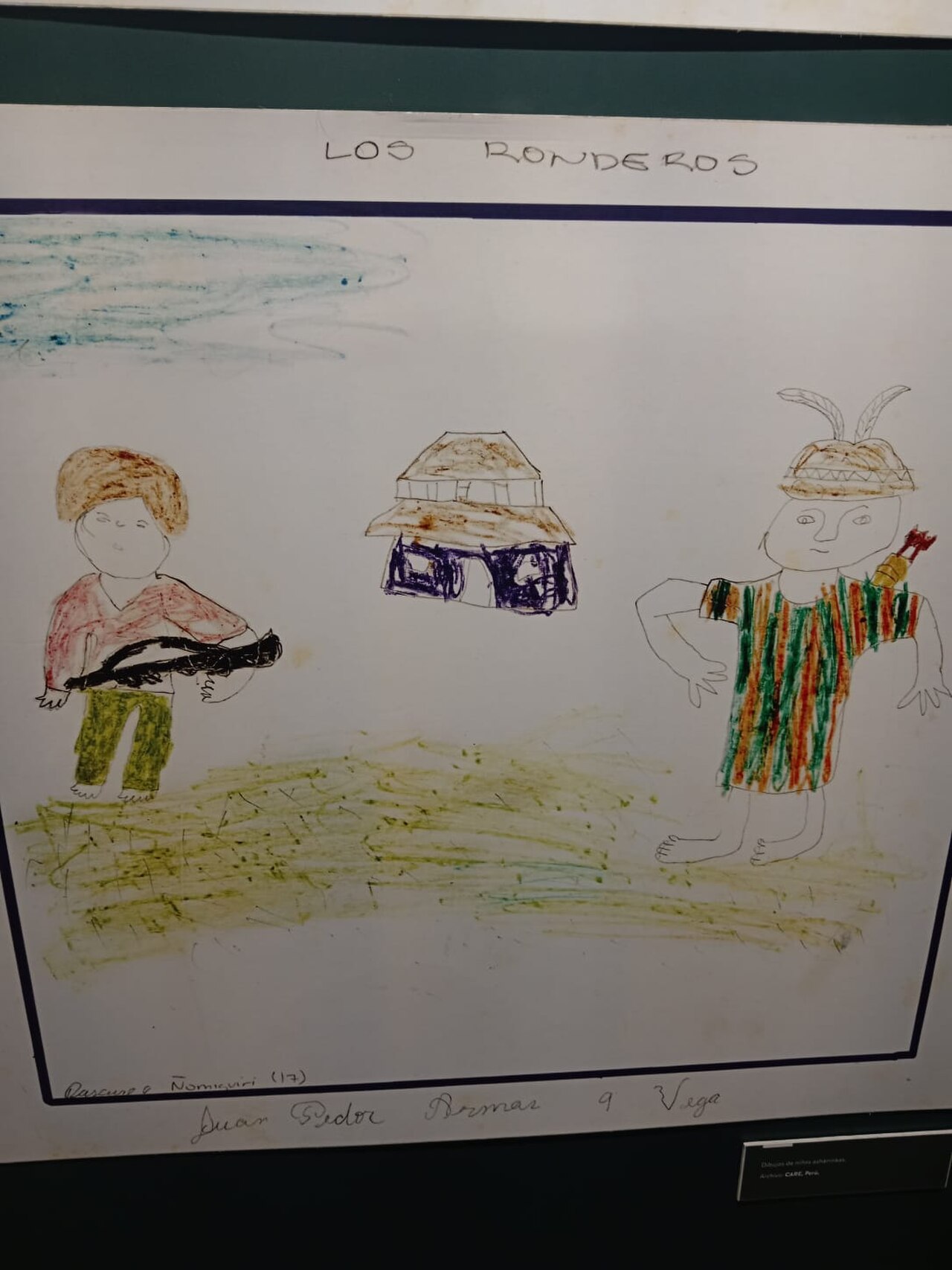
LUM houses permanent and temporary exhibitions that examine the causes, development, and consequences of Peru's internal conflict. Displays incorporate documentary photographs, testimonial videos, archival documents, and personal artifacts belonging to victims and survivors. The museum explores themes of political violence, forced disappearance, displacement, and the search for justice. Educational programs and cultural activities extend its mission beyond exhibition spaces. The architecture itself, with its cliffside location, contributes to the reflective atmosphere intended for visitors confronting difficult historical material.
Checked 2026-08-31 · Source
Visitors typically require between two and three hours to engage meaningfully with LUM's core exhibitions. Those with deeper interest in Peruvian contemporary history, transitional justice, or memorialization may wish to allocate half a day. The emotional weight of the subject matter often necessitates breaks during the visit. Audio guides and detailed textual panels encourage slower contemplation. Temporary exhibitions and special programming may extend recommended visit duration. Visitors should pace themselves given the challenging nature of the content presented.
Checked 2026-08-31 · Source
Open Tuesday-Sunday 10:00-18:00; closed Monday and national public holidays. Timed programmes can affect auditorium access.
Checked 2026-08-31 · Source
General admission is free; groups and guided activities require advance registration. Open Tuesday-Sunday 10:00-18:00; closed Monday and national public holidays.
Checked 2026-08-31 · Source
The museum is on Bajada San Martín in Miraflores; buses on Avenida del Ejército stop uphill, followed by a steep approach, so taxi drop-off is easier for limited mobility. Use the named entrance or stop because hills, security and historic streets change the approach.
Checked 2026-08-31 · Source
Ramps, lifts, accessible toilets and level galleries provide a complete step-free public route. Timed programmes can affect auditorium access.
Checked 2026-08-31 · Source
Visitors should observe posted signage and staff instructions upon arrival. Memorial and human rights museums frequently restrict photography in testimonial or sensitive exhibition zones to protect victim dignity and copyright. Flash photography may be prohibited to preserve artifacts. When permitted, photography should never disrupt other visitors' contemplation or trivialize memorial content. Visitors seeking to use images for publication or commercial purposes must obtain explicit authorization from museum administration rather than assuming general visitor permissions apply. General admission is free; groups and guided activities require advance registration.
Checked 2026-08-31 · Source
OpenStreetMap · Checked 2026-09-09
Wikidata · Checked 2026-09-09
Yes, general admission is free.
The museum is closed on Mondays and on national public holidays.
Yes, groups and guided activities require advance registration.
Yes, ramps, lifts, accessible toilets and level galleries provide a complete step-free public route.
Yes, buses on Avenida del Ejército stop uphill, followed by a steep approach, so taxi drop-off is easier for limited mobility.
Yes, the museum is closed on national public holidays.
Loading the interactive map…
The interactive map could not be loaded.
Last updated:
Source: OpenStreetMap contributors, Wikidata ·