


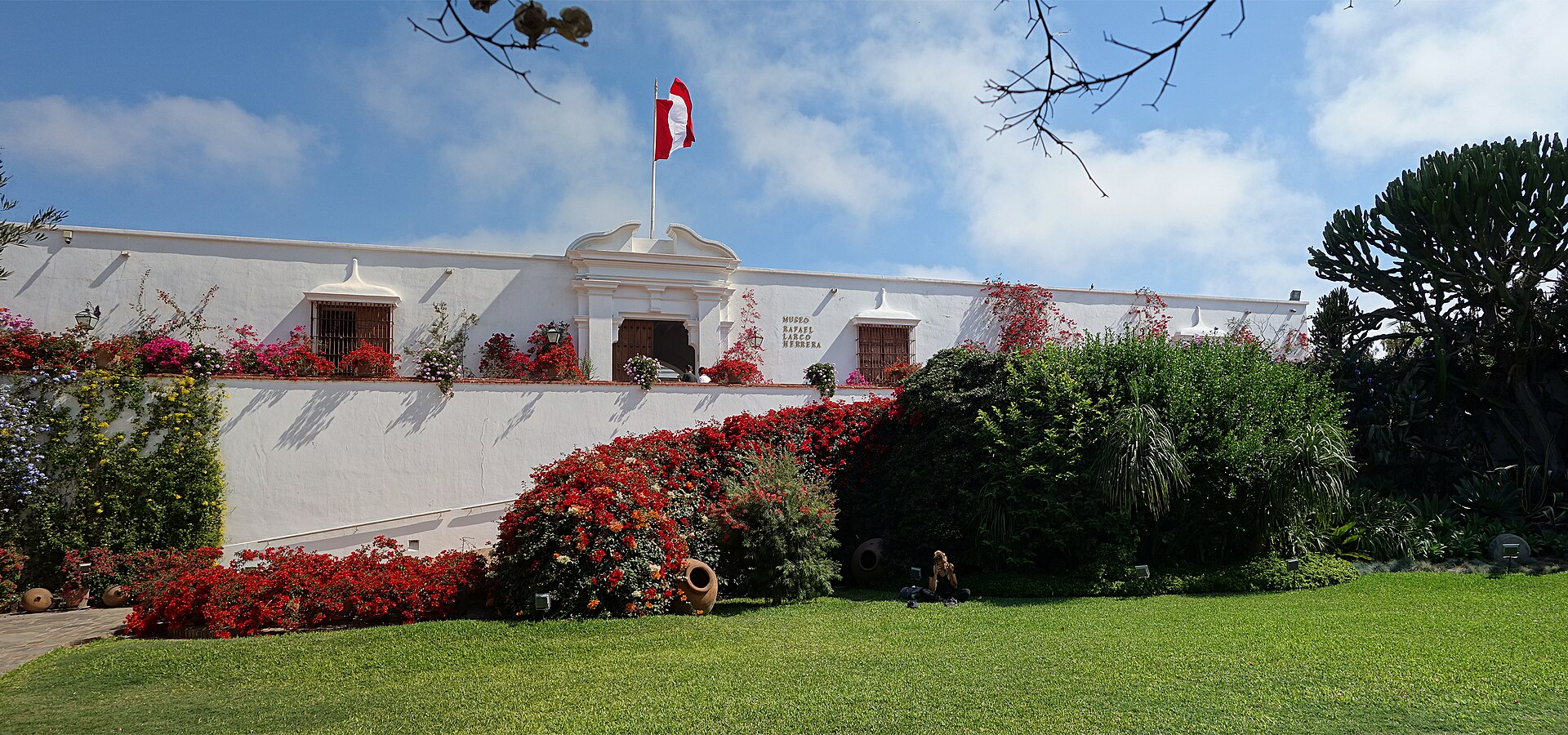
14 min walk
Larco Museum
- Must see
- Museum
Museum · Lima
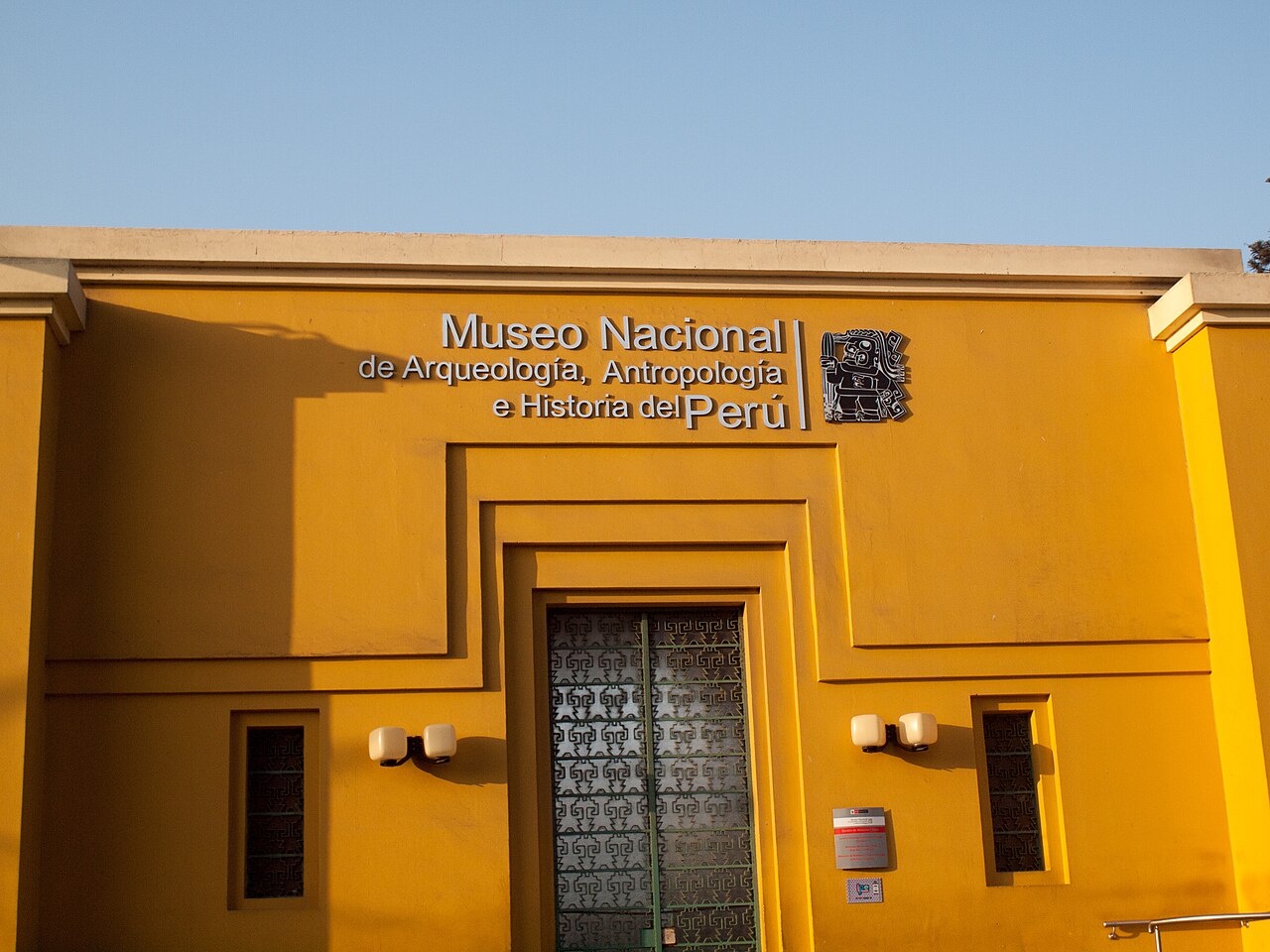
Museo Nacional de Arqueología, Antropología e Historia del Perú

The Museo Nacional de Arqueología, Antropología e Historia del Perú is Peru's oldest and largest state museum. It houses extensive collections spanning the nation's archaeological and historical heritage. The institution provides comprehensive insight into Peruvian civilizations from pre-Columbian times through the colonial period and into the republican era. Located in Lima's Pueblo Libre district, the museum occupies a historically significant building. Its holdings represent foundational aspects of Peruvian national identity and cultural memory.
Checked 2026-08-31 · Source

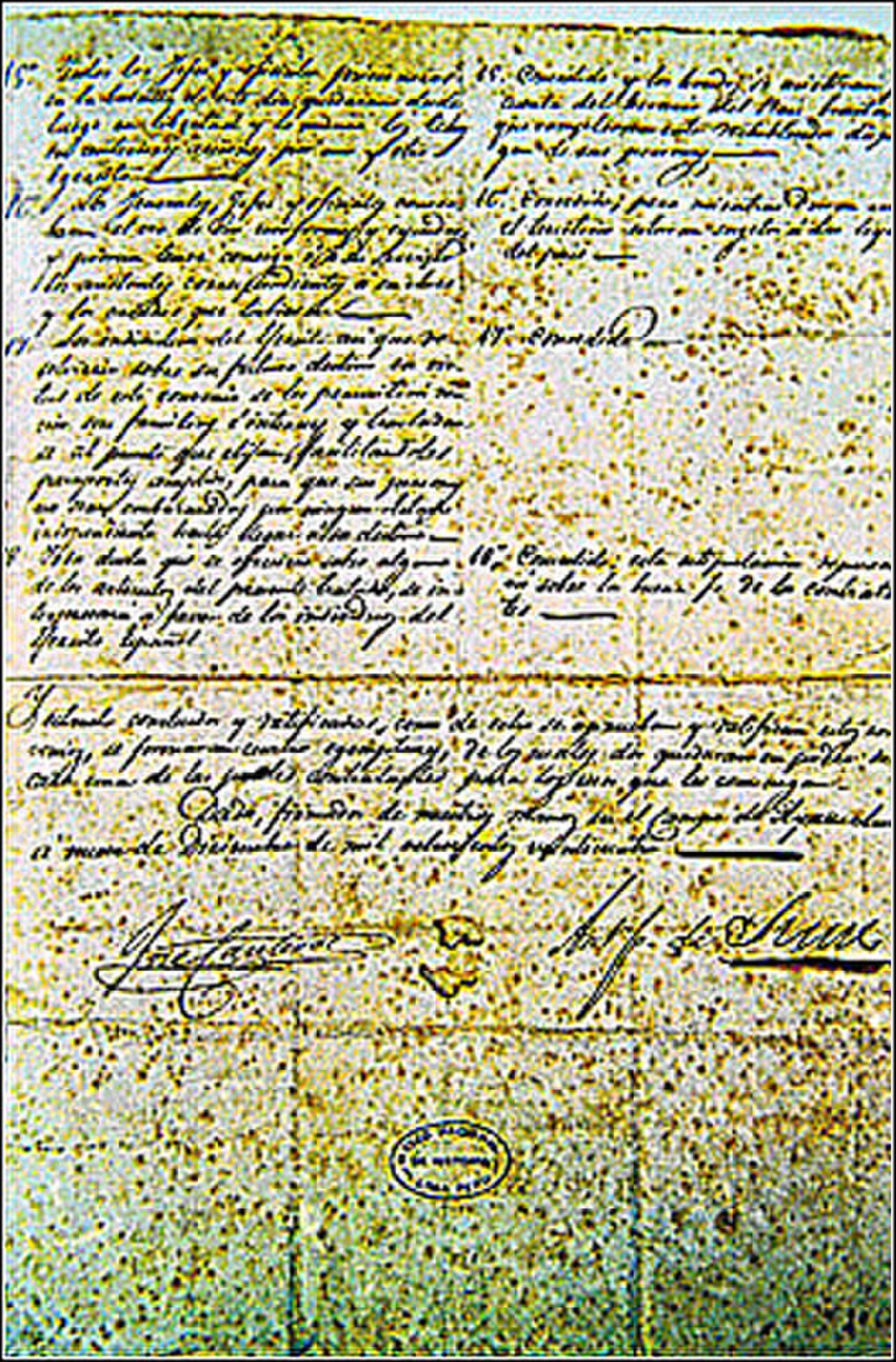
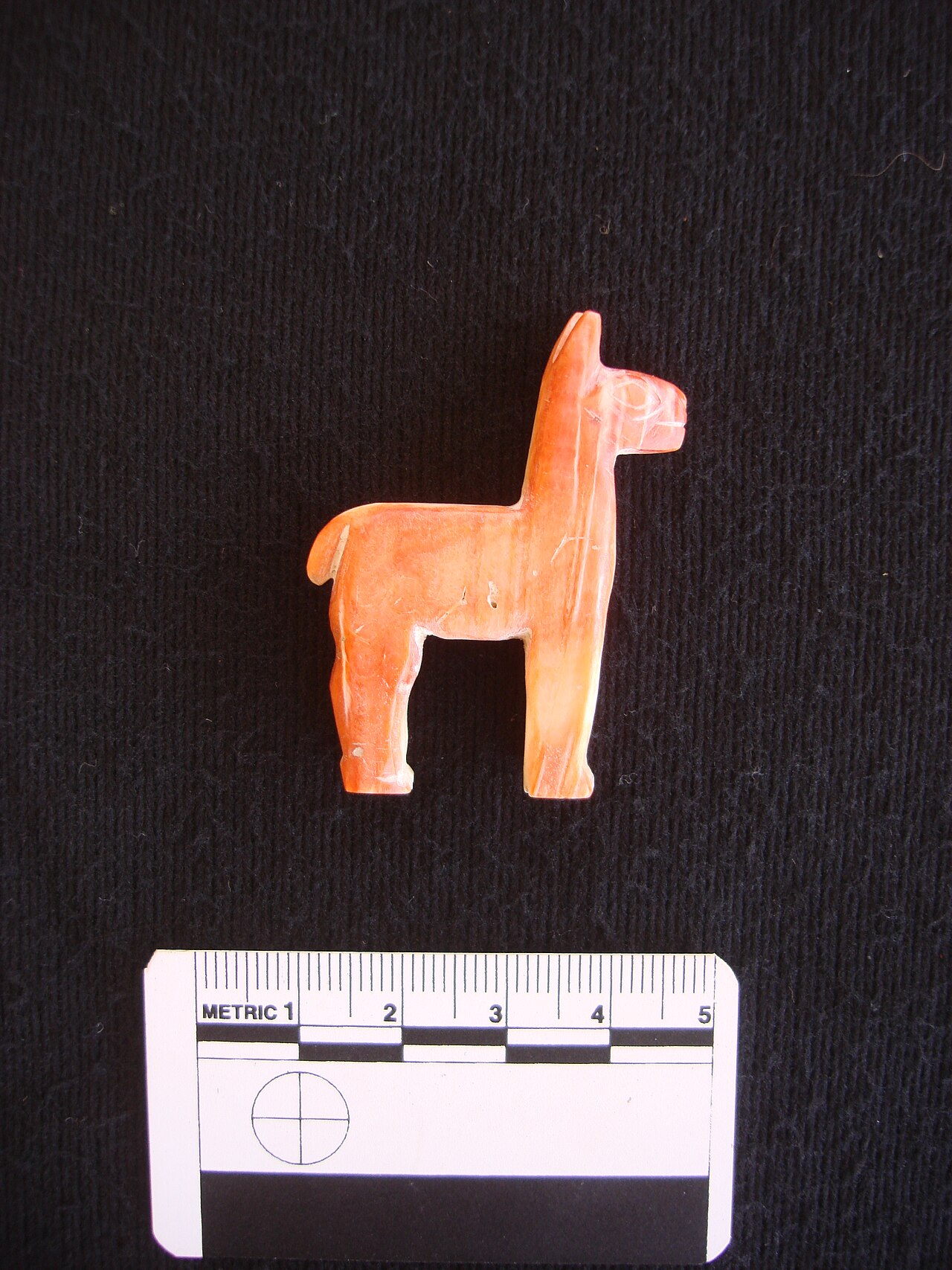
The museum contains archaeological artifacts from major Peruvian civilizations including ceramics, textiles, metalwork, and mummies. Colonial-era paintings, furniture, and documents illustrate the Spanish period. The republican collection features objects from Peru's independence and nineteenth-century development. Notable holdings include pieces from Chavín, Paracas, Nazca, Moche, Wari, and Inca cultures. The museum displays ethnographic materials documenting contemporary Andean and Amazonian communities. Historical archives support research into Peruvian social and political evolution. The breadth of collections enables visitors to trace continuity and change across thousands of years of human occupation in the region.
Checked 2026-08-31 · Source
Visitors should allocate substantial time given the museum's scale and scope. A thorough examination of all galleries demands multiple hours. Those with focused interests in specific periods or cultures may concentrate on relevant sections. The archaeological collections alone warrant extended attention due to their chronological range and artifact density. History enthusiasts examining colonial and republican displays require additional time. Casual visitors seeking overview comprehension need at minimum half a day. The museum's status as Peru's largest state collection implies significant physical extent. Planning accordingly ensures adequate engagement without rushed examination of complex material.
Checked 2026-08-31 · Source
Open Tuesday-Sunday 09:00-16:30; closed Monday. Renovation phases can leave individual galleries unavailable.
Checked 2026-08-31 · Source
Adult admission is PEN 10; students and children receive the Ministry tariff concession.
Checked 2026-08-31 · Source
The museum is on Plaza Bolívar in Pueblo Libre; buses use Avenida Bolívar and Avenida Brasil, followed by a short walk.
Checked 2026-08-31 · Source
Ramps and accessible toilets serve principal ground-floor galleries, but heritage courtyards, thresholds and renovation zones limit the full route. Historic surfaces, crowds and security remain relevant.
Checked 2026-08-31 · Source
Photography policies in Peruvian museums vary significantly between institutions. Flash photography typically damages light-sensitive artifacts including textiles and pigments. Tripods and professional equipment often require special permits that must be arranged in advance. Some collections may be entirely restricted from photographic reproduction. Visitors should observe posted signage and staff instructions regarding camera use. Non-flash photography of non-restricted areas may be permitted for personal documentation. Commercial or publication photography involves separate licensing procedures through museum administration. Respecting all restrictions protects irreplaceable cultural heritage while ensuring continued public access.
Checked 2026-08-31 · Source
OpenStreetMap · Checked 2026-09-09
Wikidata · Checked 2026-09-09
The museum is closed on Mondays; it opens Tuesday-Sunday 09:00-16:30.
Adult admission is PEN 10; students and children receive the Ministry tariff concession.
Yes, renovation phases can leave individual galleries unavailable.
No. Ramps and accessible toilets serve the principal ground-floor galleries, but heritage courtyards, thresholds and renovation zones limit the full route.
Yes, in the same Pueblo Libre district.
The museum is on Plaza Bolívar in Pueblo Libre.
Loading the interactive map…
The interactive map could not be loaded.
Last updated:
Source: OpenStreetMap contributors, Wikidata ·