

1 min walk
Archdiocesan Museum of Cebu
- Must see
- Museum
Language · 11 published
Place of worship · Cebu City
Reviewed by Elena Voss · Roavina Travel Editor

Read from the OpenStreetMap access tags; anything not listed has no tag recorded.
Set the group type to family in the planner and the day window contracts to about three quarters of a solo day.
This place is a Place of worship.
The Cebu Metropolitan Cathedral is the ecclesiastical seat of the Roman Catholic Archdiocese of Cebu, one of the oldest dioceses in the Philippines. Established during the Spanish colonial period, it serves as a major historic church in Cebu City alongside the more famous Basilica Minore del Santo Niño. The cathedral holds significant religious and cultural importance for the Catholic community in the Visayas region. Active cathedral with public liturgies; the Archdiocese publishes service and event times rather than fixed sightseeing hours. No regular weekly closure day is listed. Visitor access may pause during liturgies and special events; official 2026 notices confirm that services continue.
Checked 2026-08-31 · Source
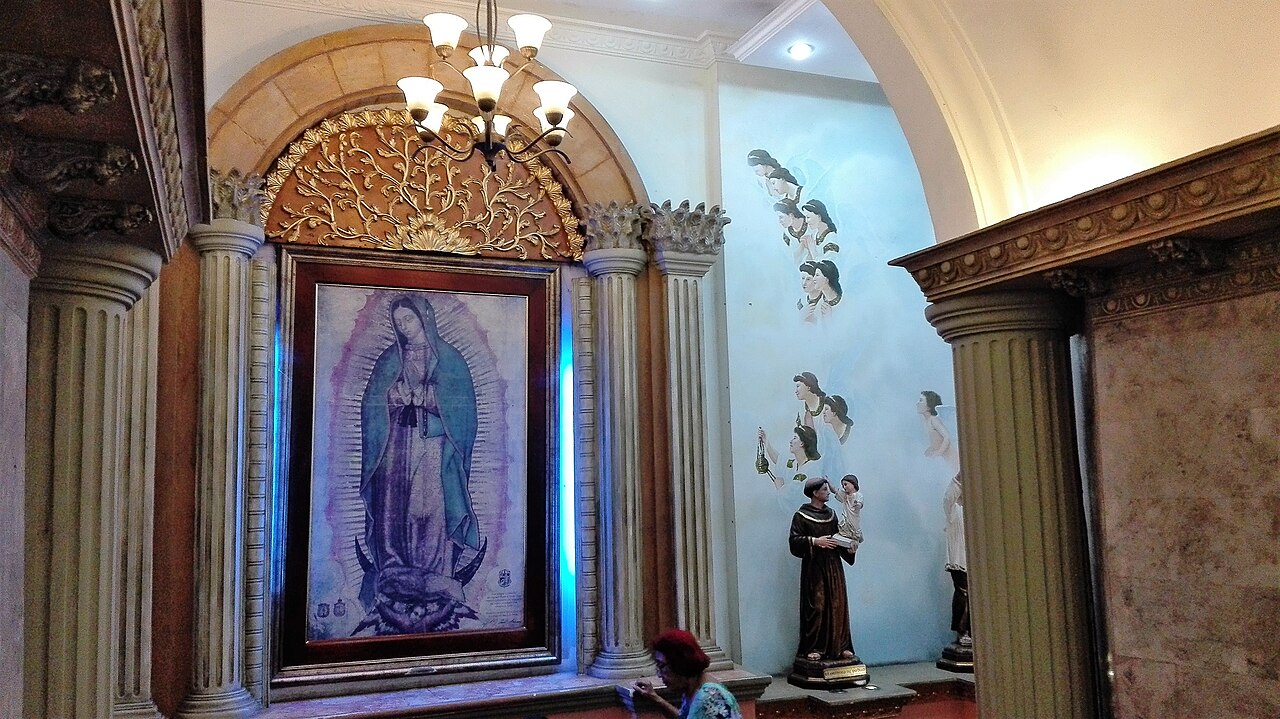
The cathedral interior reflects traditional Catholic church architecture with its nave, altars, and religious iconography typical of Spanish colonial-era construction. As the seat of the archdiocese, it contains ceremonial spaces for major religious functions and archdiocesan governance. The building houses liturgical furnishings, statues, and devotional objects consistent with Catholic cathedral practice. Visitors should expect a functioning religious space rather than a museum environment, with decor subject to liturgical seasons and archdiocesan requirements. No regular weekly closure day is listed. Visitor access may pause during liturgies and special events; official 2026 notices confirm that services continue.
Checked 2026-08-31 · Source
A respectful visit to the Cebu Metropolitan Cathedral typically requires thirty minutes to one hour for observation and prayer. Active participation in Mass or other liturgical services would extend this duration accordingly. The site functions primarily as a place of worship rather than a tourist attraction with prescribed routes. Visitors should adjust their time based on personal interest in religious architecture, prayer intentions, or observation of cathedral operations. Free entry for ordinary worship, pilgrimage and sightseeing; there is no general admission ticket. The optional Jubilee Pilgrim’s Passport is a separately sold item, not an entrance requirement.
Checked 2026-08-31 · Source
The cathedral operates as an active place of worship with regular Mass schedules, which historically occur throughout the day in Philippine Catholic churches. Major liturgical celebrations, particularly Holy Week observances and Christmas, draw significant congregations. Visitors seeking quieter observation may prefer non-liturgical hours, though these vary. Sunday and feast days feature fuller ceremonial activity. Active cathedral with public liturgies; the Archdiocese publishes service and event times rather than fixed sightseeing hours. The principal façade entrance is reached by steps. A separate ramped entrance provides access to the level nave, but the ramp is steep enough that some wheelchair users may require assistance.
Checked 2026-08-31 · Source
As a functioning Catholic cathedral, entry for worship and prayer is traditionally without charge, consistent with Philippine ecclesiastical practice. Voluntary donations for church maintenance may be solicited through designated boxes. No admission fee structure is confirmed in referenced materials. Visitors should carry modest cash for voluntary contributions. Financial expectations remain unverified without official communication. Free entry for ordinary worship, pilgrimage and sightseeing; there is no general admission ticket. The optional Jubilee Pilgrim’s Passport is a separately sold item, not an entrance requirement. The principal façade entrance is reached by steps.
Checked 2026-08-31 · Source
The Cebu Metropolitan Cathedral occupies a central location in Cebu City, accessible by standard urban transportation. Jeepneys, the Philippines' iconic public utility vehicles, serve routes through downtown Cebu. Taxis and ride-hailing services operate throughout the metropolitan area. The cathedral is on P. Burgos Street. Public-transport routes 10C (Bulacao–Cathedral via N. Bacalso Avenue and Sikatuna Street) and 10E (Bulacao–Cathedral via N. Bacalso Avenue and Junquera Street) terminate at the Cathedral. Alight at the named Cebu Metropolitan Cathedral stop beside the church. A separate ramped entrance provides access to the level nave, but the ramp is steep enough that some wheelchair users may require assistance.
Checked 2026-08-31 · Source
Visitors must observe decorum appropriate to an active cathedral and archdiocesan headquarters. Modest dress covering shoulders and knees is customary for Catholic churches in the Philippines. Silence or low conversation respects prayer and liturgical activity. Photography during Mass is generally prohibited or discouraged; visitors should observe posted regulations or staff direction. The downtown Cebu location requires standard urban awareness regarding personal belongings. The principal façade entrance is reached by steps. No accessible-toilet provision is documented for the cathedral. It is on P. Burgos Street in Cebu City. It is an active Roman Catholic parish and the episcopal seat of the Archdiocese of Cebu.
Checked 2026-08-31 · Source
Standard Philippine Catholic church practice permits discreet photography of church interiors when no liturgical service is in progress, with flash typically prohibited to protect artworks and maintain atmosphere. Professional or commercial photography usually requires advance permission from church authorities. Tripods, drones, and intrusive equipment would reasonably face restriction. Respect for worshippers' privacy and devotional concentration must guide all photographic decisions. It is on P. Burgos Street in Cebu City. It is an active Roman Catholic parish and the episcopal seat of the Archdiocese of Cebu.
Checked 2026-08-31 · Source
It is on P. Burgos Street in Cebu City.
It is an active Roman Catholic parish and the episcopal seat of the Archdiocese of Cebu.
The patron is Saint Vitalis of Milan, whose feast is observed there on April 30.
Yes. The National Historical Commission of the Philippines records it as a Level II historical-marker site; the marker was installed on November 23, 2016.
According to the NHCP marker, the façade, bell tower and perimeter walls remained standing; the cathedral was reconstructed in 1950 during Archbishop Julio Cardinal Rosales’s tenure.
Routes 10C and 10E terminate at Cathedral, approaching from Bulacao by different central-city streets.
Loading the interactive map…
The interactive map could not be loaded.

Last updated:
Source: OpenStreetMap contributors ·