_02.jpg)
4 min walk
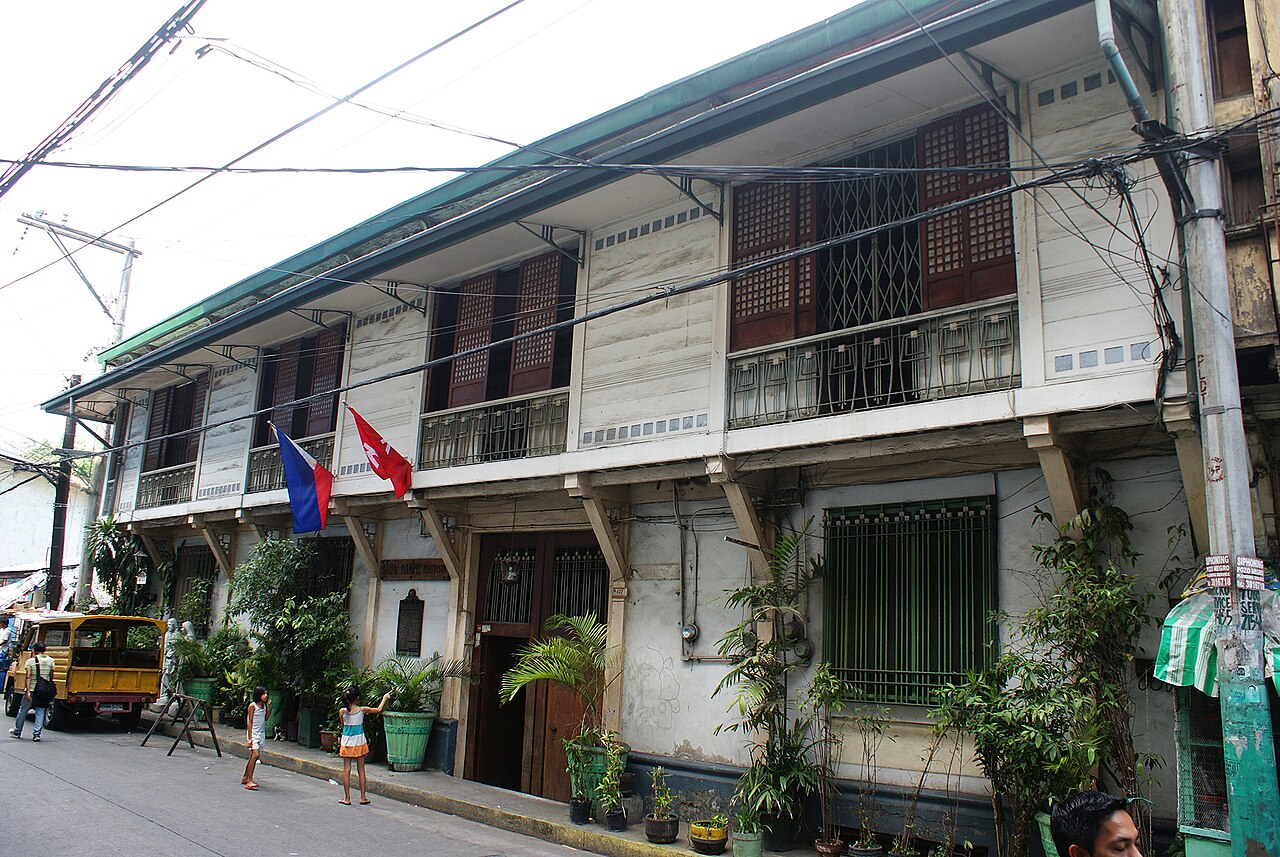
Nakpil–Bautista House
- Must see
- Museum
Language · 11 published
Place of worship · Manila
Golden Mosque
Reviewed by Elena Voss · Roavina Travel Editor
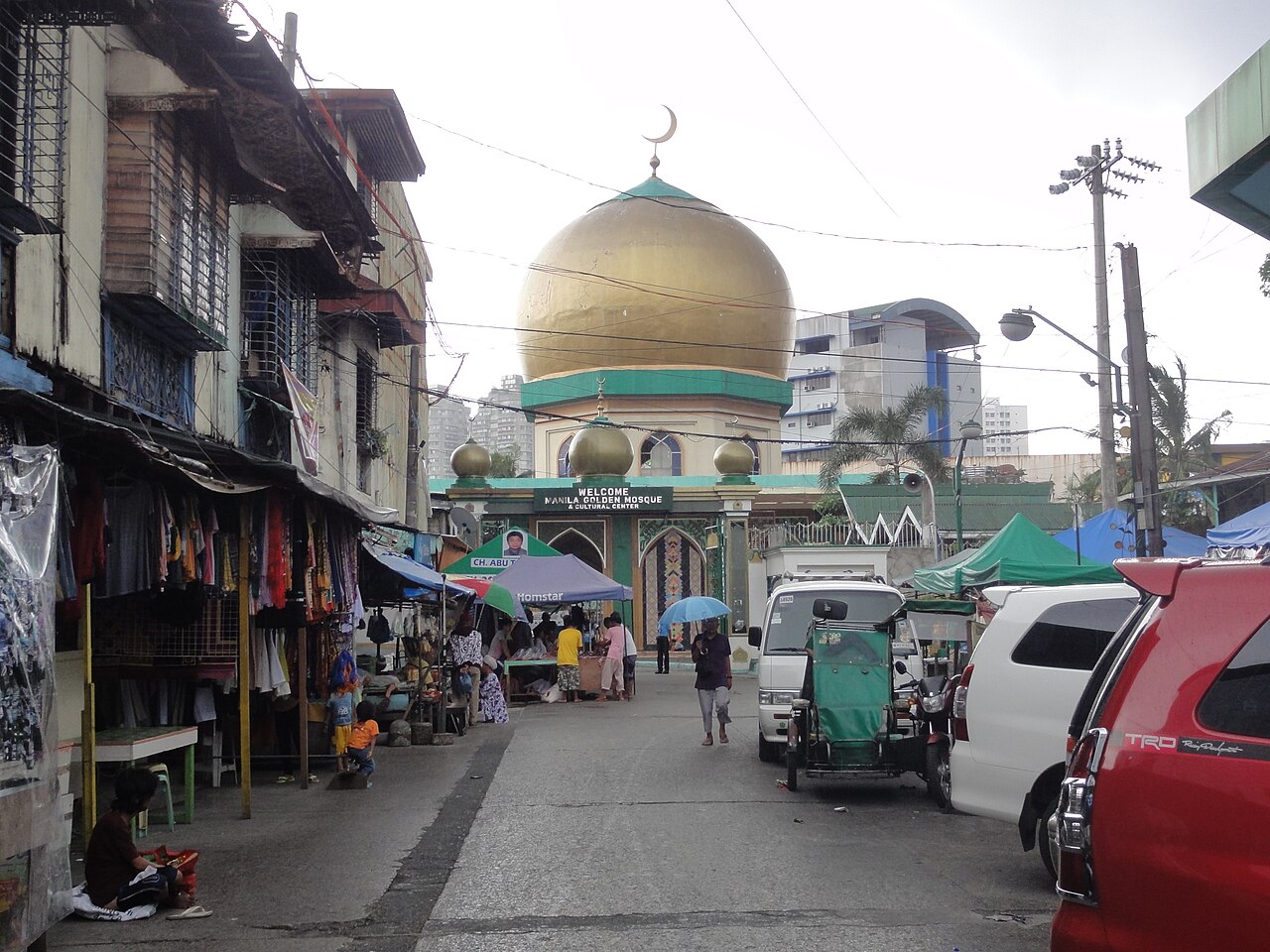
This place is a Attraction. It was established in 1976. It was built in the Islamic architecture style.
Golden Mosque is an active Islamic house of worship in Metro Manila, serving the capital region’s Muslim community. It is a religious and community space rather than a conventional museum or monument. Its presence in Manila offers travelers a direct encounter with the city’s religious diversity and with an important part of the cultural life around Quiapo. Visit with the understanding that prayer and community use come before sightseeing, and that the atmosphere may be quiet, purposeful, and private. The Golden Mosque is an Islamic house of worship located in Metro Manila. It serves the Muslim community in the capital region and stands as a recognized religious site within the city's diverse cultural landscape. The mosque represents Islamic architectural influence in a predominantly Christian nation. Visitors encountering this site will find it functions as an active place of prayer and community gathering rather than a conventional tourist attraction. Its presence in Metro Manila underscores the religious plurality of the Philippine capital. Active mosques may receive respectful visitors at certain times with appropriate conduct, but no formal visitor policy is confirmed.
Checked 2026-08-26 · Source
The mosque contains prayer spaces oriented toward Mecca, with a mihrab indicating the direction of prayer. Visitors should expect functional worship areas rather than exhibition rooms or a formal visitor display. The building’s significance comes from its continuing religious role, its architecture, and its place within Manila’s Muslim community. Any interior visit depends on permission and on the needs of worshippers. Spend time observing the setting respectfully, without treating prayer areas as ordinary sightseeing spaces. The interior of the Golden Mosque contains prayer halls oriented toward Mecca, as is standard in Islamic worship spaces. Visitors may observe mihrab niches indicating the qibla direction.
Checked 2026-08-26 · Source
Allow roughly thirty minutes for a considerate stop, including exterior observation and a brief interior visit when permission is given. The mosque is not designed for a long self-guided tour, so a shorter visit is usually more suitable than lingering without a clear purpose. Prayer activity, community gatherings, and the welcome offered at the entrance should determine your pace. Leave extra flexibility in a walking itinerary so the visit can end promptly if worship begins.
Checked 2026-08-26 · Source
Plan your visit around the mosque’s role as a working place of prayer. Friday midday is especially important for Muslim congregations, so it is a poor time for casual sightseeing. Daily prayer periods can also change the character of the building and its availability to visitors. Ramadan and other Islamic observances may bring different rhythms. A quiet daytime visit is the most practical choice, with enough flexibility to step away whenever worship or community activity takes priority.
Checked 2026-08-26 · Source
Golden Mosque is a religious institution, so travelers should not plan the stop like a ticketed museum visit. Carrying money for a voluntary donation is courteous when one is invited to contribute, but a donation is separate from an admission ticket. Keep the visit focused on respectful cultural experience rather than commercial sightseeing. If someone offers access on unusual terms, pause and speak with a mosque caretaker or community representative before paying.
Checked 2026-08-26 · Source
The mosque stands in Metro Manila’s dense urban environment, in the Quiapo area associated with the capital’s historic Muslim institutions. Jeepneys, buses, taxis, and other city transport serve the surrounding district. Use the OpenStreetMap location as your navigation point, then expect a busy urban approach with changing traffic and pedestrian conditions. Keep belongings secure while traveling, and allow time for the final walk through crowded streets before entering the mosque’s immediate surroundings.
Checked 2026-08-26 · Source
Dress modestly, covering the shoulders and knees, and remove shoes before entering prayer areas when invited inside. Keep your voice low and never interrupt worship. Do not join rituals as a sightseeing activity, and follow any separation or movement guidance given by the community. Give worshippers privacy, especially during prayer. In the surrounding Quiapo streets, use ordinary city precautions: watch traffic, keep valuables close, and avoid blocking entrances or residential activity.
Checked 2026-08-26 · Source
Ask permission before photographing inside the mosque, and never photograph people who are praying without clear consent. Exterior views from public space should still be made discreetly, without obstructing worshippers or local movement. Keep camera equipment unobtrusive and avoid flash in prayer areas. If permission is not granted, put the camera away. The most respectful image may be the building’s exterior and surrounding streets, captured without identifying or intruding on members of the congregation.
Checked 2026-08-26 · Source
It is an active Islamic house of worship and community gathering place in Metro Manila, not a conventional museum or ticketed attraction.
Wear modest clothing covering the shoulders and knees, and remove your shoes before entering prayer areas when invited inside.
The mosque contains functional prayer spaces oriented toward Mecca, including a mihrab indicating the direction of prayer.
Avoid Friday midday and any period when prayer or community activity is taking place, because worship takes priority over sightseeing.
Allow about thirty minutes for exterior observation and a brief interior visit when permission is given.
Ask permission before photographing inside, and never photograph worshippers during prayer without clear consent.
Loading the interactive map…
The interactive map could not be loaded.

Last updated:
Source: OpenStreetMap contributors, Wikidata ·