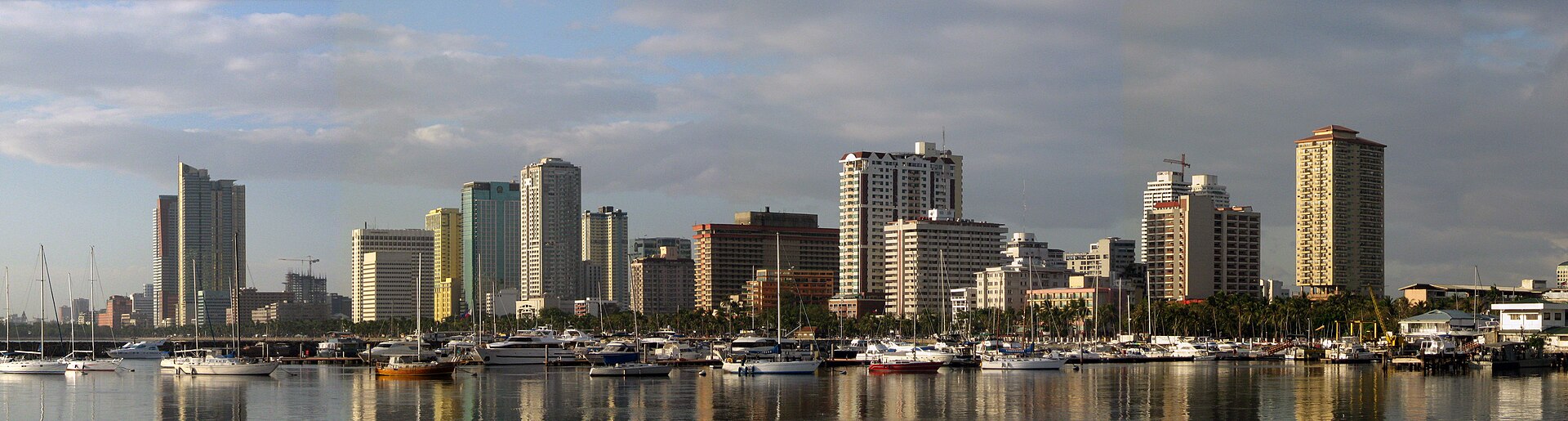
A photograph of Manila

City guide · Philippines

Manila

Manila is best understood as a set of historic and waterfront districts inside the wider Metro Manila region. Intramuros and Rizal Park form the principal herit...

Photograph · Mike Gonzalez (TheCoffee) · CC BY-SA 3.0

2,180 Places
Suggested stay
Not recorded
Getting around
Walking, urban rail, public road transport and licensed car services

Turn this list into a plan

Set your days, your pace and the hours you actually want to be out. The planner works around closing days and travel time, and leaves room to eat.

Plan Manila

Reviewed by Elena Voss · Roavina Travel Editor

Manila is best understood as a set of historic and waterfront districts inside the wider Metro Manila region. Intramuros and Rizal Park form the principal heritage cluster, Binondo and Quiapo sit north of the Pasig River, and Ermita and Malate extend south toward Manila Bay. Makati, BGC and Quezon City are separate metropolitan journeys.

Checked 2026-08-26

Practical information

Language spoken
Filipino and English
National practical orientation; regional and minority languages may also be used
Dialling code
+63
International calling code; local area and mobile prefixes still apply
Currency
Philippine peso (PHP)
Use the official local currency; card acceptance varies by place
Emergency number
911
Use only for an emergency; tourist assistance may use a separate number
Plug type
Type A, B and C · 220 V
Check that chargers support the recorded voltage before using an adapter
Tap water
Not recorded
No verified nationwide visitor drinking-water statement was recorded

Planning a visit

September · September remains inside PAGASA's July–October peak typhoon period, requiring disruption-aware plans in Metro Manila.

  1. January: best time to visit
  2. February: best time to visit
  3. March: good time to visit
  4. April: viable with meaningful trade-offs
  5. May: viable with meaningful trade-offs
  6. June: viable with meaningful trade-offs
  7. July: recurring difficult conditions
  8. August: recurring difficult conditions
  9. September: recurring difficult conditions — current month
  10. October: recurring difficult conditions
  11. November: viable with meaningful trade-offs
  12. December: good time to visit

Sources

Top things to see

Ranked by importance — sitelinks, pageviews and heritage status, not editor preference.

  1. Memorare – Manila 1945 historical marker Memorare – Manila 1945 historical marker
    07 45 min

    Memorare – Manila 1945 historical marker

    Memorare - Manila 1945

    Memorare Manila 1945 is a memorial monument located in Manila, Philippines. It commemorates the estimated one hundred thousand Filipino civilians who perished during the Battle of Manila in World War II.

    • Must see
    • Historic monument
  2. Manila City Hall Clock Tower Manila City Hall Clock Tower
    08 45 min

    Manila City Hall Clock Tower

    Manila City Hall Clock Tower is a prominent civic landmark within the Manila City Hall complex. The tower belongs to the city’s administrative centre and contributes a recognisable vertical feature to the urban landscape of the Philippine capital.

    • Must see
    • Historic monument
  3. Cultural Center of the Philippines Cultural Center of the Philippines
    09 45 min

    Cultural Center of the Philippines

    The Cultural Center of the Philippines is a major performing-arts venue in Metro Manila, set beside Manila Bay in the Pasay area.

    • Must see
    • Historic monument
  4. Pasig River Esplanade Pasig River Esplanade
    10 45 min

    Pasig River Esplanade

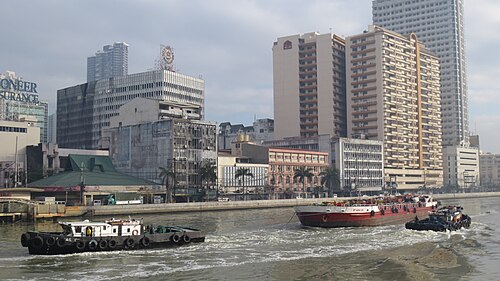
    Pasig River Esplanade is a riverside promenade along the Pasig River in Metro Manila. It forms part of efforts to rehabilitate and reactivate the river corridor as public urban space.

    • Must see
    • Historic monument
  5. San Miguel Church San Miguel Church
    11 45 min

    San Miguel Church

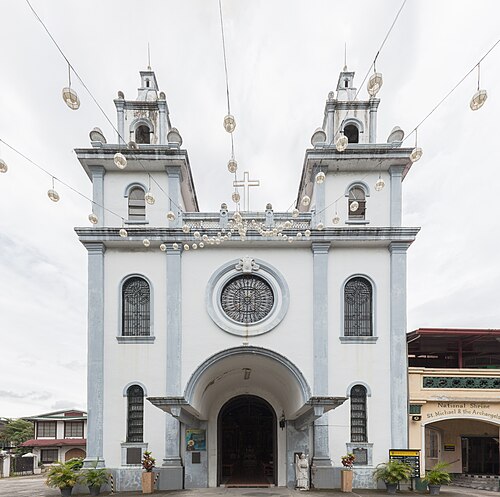
    San Miguel Church is a Roman Catholic church in Manila’s San Miguel district. It serves local worshippers while offering travelers a place to encounter the city’s religious and architectural heritage.

    • Must see
    • Historic monument
  6. Arch of the Centuries Arch of the Centuries
    12 45 min

    Arch of the Centuries

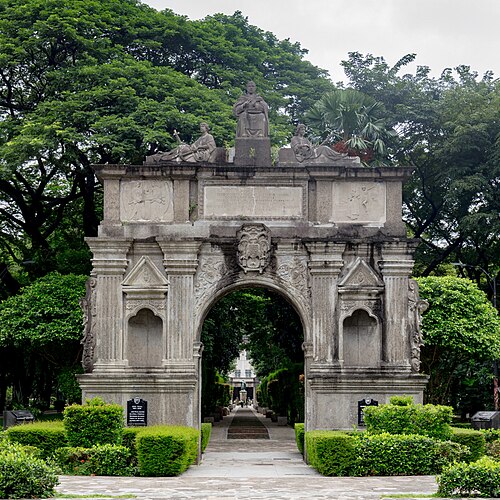
    The Arch of the Centuries is a historic gateway at the University of Santo Tomas in Manila’s Sampaloc district. It once formed part of the university’s original campus in Intramuros and was later relocated to the present grounds.

    • Must see
    • Historic monument
  7. Plaza Miranda historical marker Plaza Miranda historical marker
    13 45 min

    Plaza Miranda historical marker

    Plaza Miranda

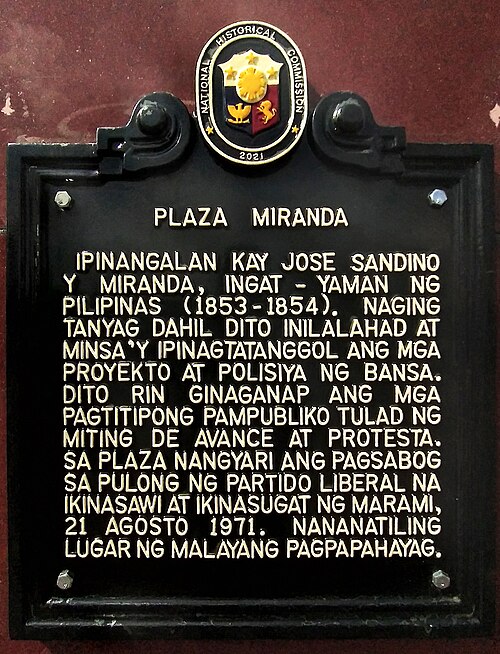
    Plaza Miranda is an open public square in Manila’s Quiapo district, directly opposite the Minor Basilica of the Black Nazarene, widely known as Quiapo Church.

    • Must see
    • Historic monument

Source: OpenStreetMap contributors, Wikidata ·

How the city is laid out

Combine Intramuros, the National Museum complex and Rizal Park in one central route. Cross toward Binondo for its churches and food streets, and keep Quiapo as a nearby but distinct market district. The bayfront and Malate work together later in the day. Do not treat Makati or Quezon City as short walking extensions of old Manila.

Checked 2026-08-26

Getting around

Walk inside Intramuros and other compact heritage clusters, then use rail, public road transport or an accredited taxi or transport-network vehicle between districts. The Tourism Promotions Board notes that transport-network vehicle services are available. Metro Manila traffic makes cross-city timing variable, so avoid building a day that repeatedly crosses the Pasig River or the metropolitan core.

Checked 2026-08-26

Common questions

How many days should I spend in Manila?

A fixed stay length is not recorded. Build the visit around Intramuros, Rizal Park, Binondo and the bayfront, then add Makati, BGC and Quezon City only when the available time supports a separate journey.

What is the best way to organise sightseeing in Manila?

Group places by district instead of crossing the city repeatedly. Start with Intramuros, Rizal Park, Binondo and the bayfront; treat Makati, BGC and Quezon City as separate routes with their own travel allowance.

How do I get around Manila?

Use Walking, urban rail, public road transport and licensed car services. Walk within compact clusters and consult the linked official transport information before making longer transfers or relying on a particular route.

Can I explore Manila mainly on foot?

Only within individual neighbourhood clusters. The main visitor areas are separated by distances, waterways, major roads or regional approaches, so longer links normally need public transport or a licensed vehicle.

Which Manila sights need separate transport planning?

Plan Makati, BGC and Quezon City separately from Intramuros, Rizal Park, Binondo and the bayfront. Check the current route, return connection and any access requirements on the official source before departure.