Fort Santiago
Fort Santiago is a citadel within the walled district of Intramuros, Manila. Built by Spanish colonial forces, it served as a military headquarters and prison complex during successive colonial periods.
- Must see
- Historic monument
Language · 11 published
City guide · Philippines
Manila is best understood as a set of historic and waterfront districts inside the wider Metro Manila region. Intramuros and Rizal Park form the principal heritage cluster, Binondo and Quiapo sit north of the Pasig River, and Ermita and Malate extend south toward Manila Bay. Makati, BGC and Quezon City are separate metropolitan journeys.
Reviewed by Elena Voss · Roavina Travel Editor
Set your days, your pace and the hours you actually want to be out. The planner works around closing days and travel time, and leaves room to eat.
Ranked by importance — sitelinks, pageviews and heritage status, not editor preference.
30 places match
Category
Typical visit duration
Interests
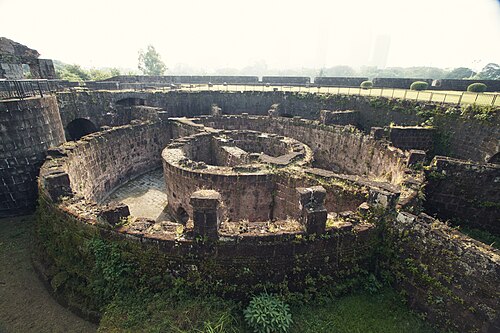
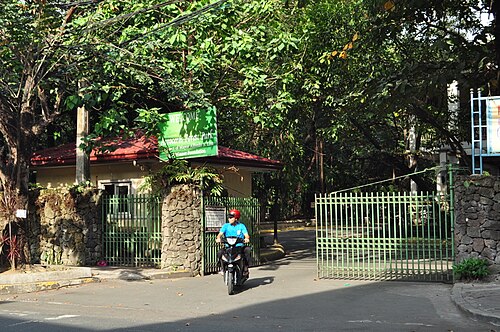
Fort Santiago is a citadel within the walled district of Intramuros, Manila. Built by Spanish colonial forces, it served as a military headquarters and prison complex during successive colonial periods.
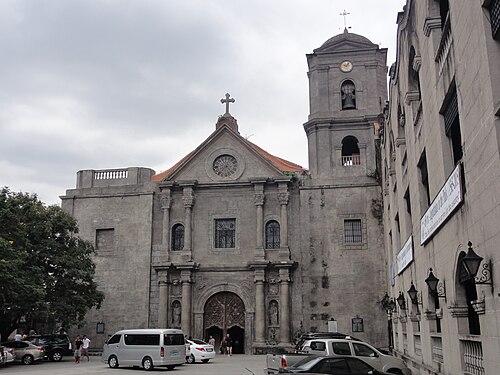
San Agustin Church stands within the historic walled district of Intramuros in Manila. It holds distinction as the oldest stone church in the Philippines, with origins tracing to Spanish colonial construction.
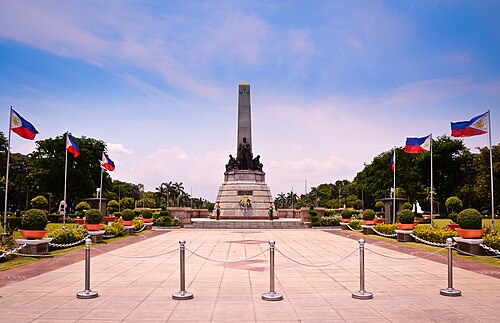
Rizal Park is a major historical urban park in Manila, Philippines. It stands as a significant national landmark commemorating Dr. Jose Rizal, the Filipino nationalist and polymath executed by Spanish colonial authorities in 1896.
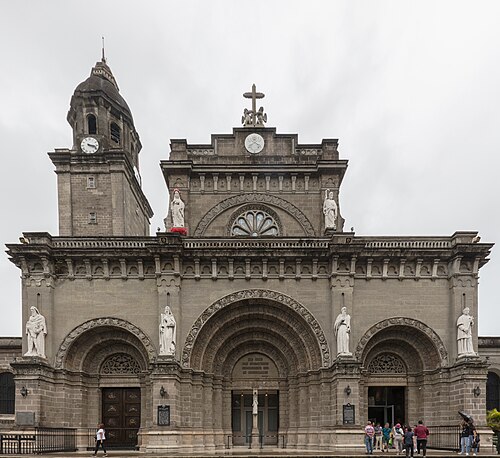
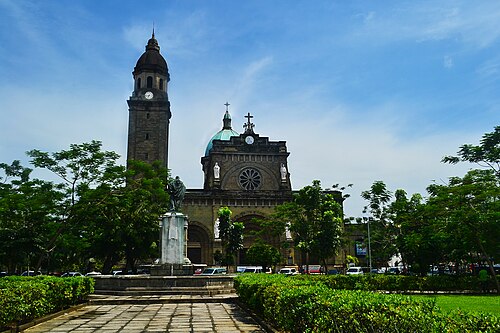
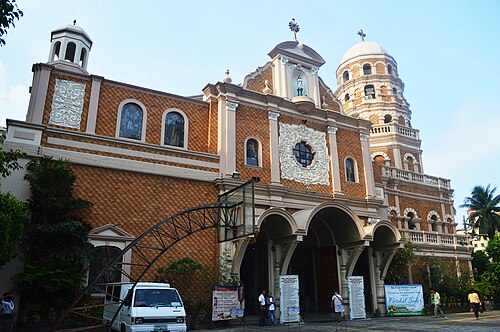
Manila Cathedral is the principal church of the Roman Catholic Archdiocese of Manila and a Minor Basilica in Intramuros. Facing Plaza de Roma, it forms one of the walled district’s most recognizable landmarks.
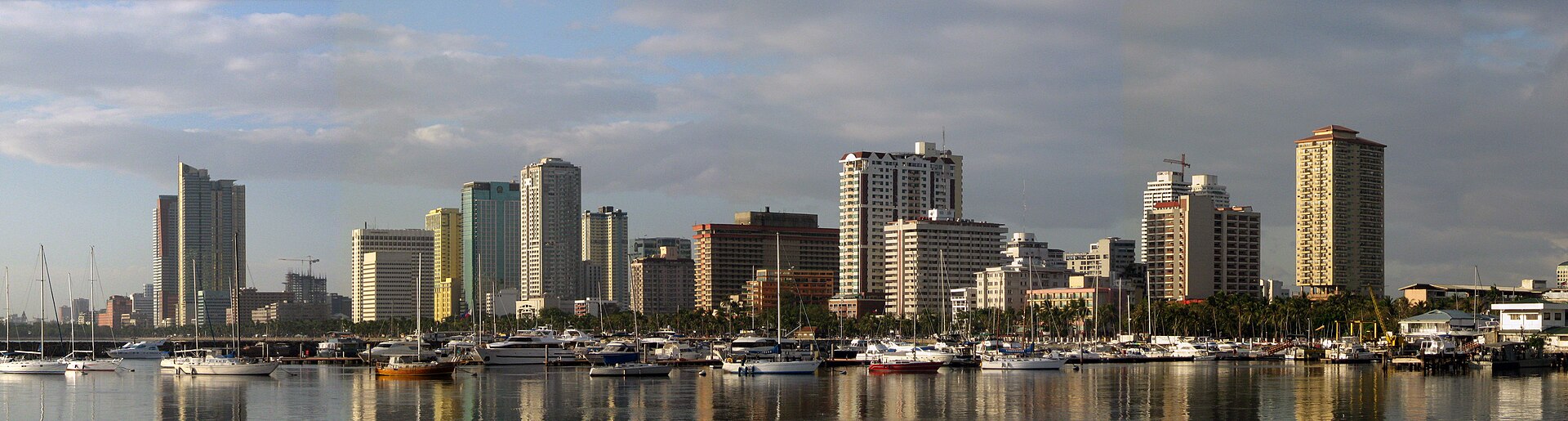
Manila Baywalk is a seaside promenade tracing the edge of Manila Bay along Roxas Boulevard. It serves as a public leisure corridor where visitors gather for bay sunsets and evening recreation.
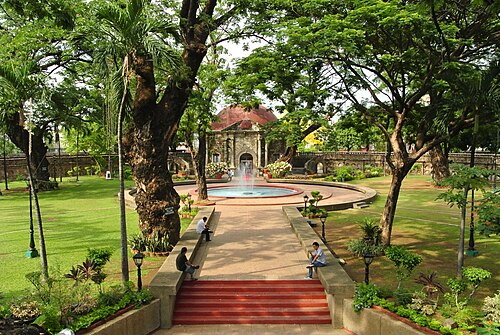
Paco Park is a historic garden and cemetery in Paco, Manila. Built during the Spanish colonial period, it developed as a municipal cemetery and became associated with prominent Filipino families.
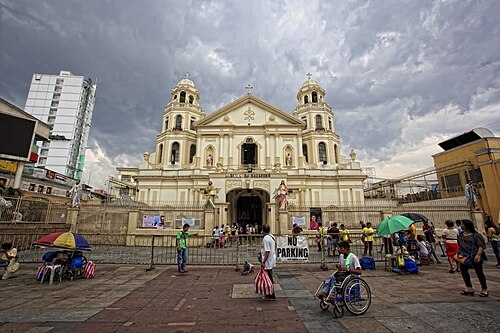
Quiapo Church is a prominent Roman Catholic basilica in the heart of Manila's Quiapo district. It serves as the home of the Black Nazarene, a dark wooden sculpture of Jesus Christ that draws millions of devotees annually.
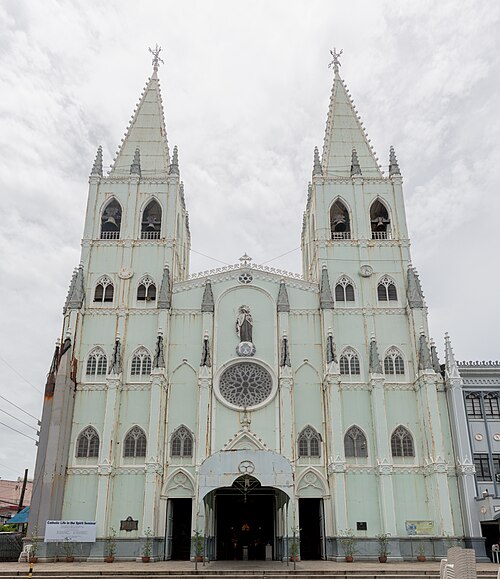
San Sebastian Basilica is a Roman Catholic minor basilica in Manila, Philippines. It is widely recognized as the only all-steel church in Asia and one of the few prefabricated steel churches worldwide.
Plaza Roma is a public square in Intramuros, the historic walled district of Manila. It stands in front of the Manila Cathedral and is one of the notable open spaces within the Spanish colonial-era fortification.
Baluarte de San Diego is a bastion structure forming part of the historic Spanish colonial fortifications in Manila. Built during the period of Spanish rule, it represents military architecture designed to protect the walled city of Intramuros.
Memorare - Manila 1945
Memorare Manila 1945 is a memorial monument located in Manila, Philippines. It commemorates the estimated one hundred thousand Filipino civilians who perished during the Battle of Manila in World War II.
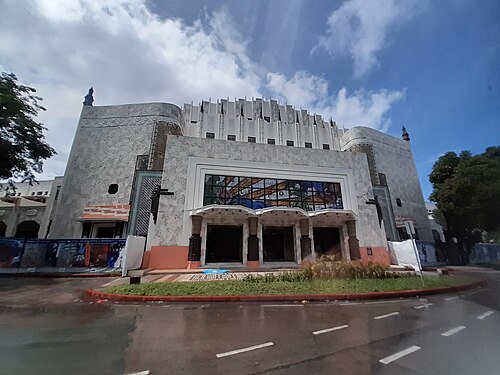
Manila Metropolitan Theater
The Metropolitan Theater is a historic performing arts venue in Manila, Philippines. Designed by architect Juan M. Arellano, it opened in 1931 and represents an important example of Art Deco architecture in Southeast Asia.
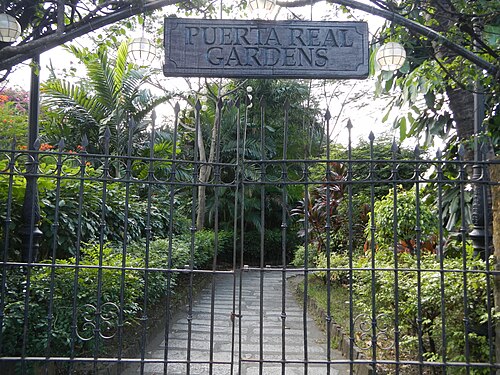
Puerta Real Gardens is a landscaped heritage space inside Manila’s Intramuros district. The garden is associated with the historic Puerta Real gate, once the royal entrance to the walled city.
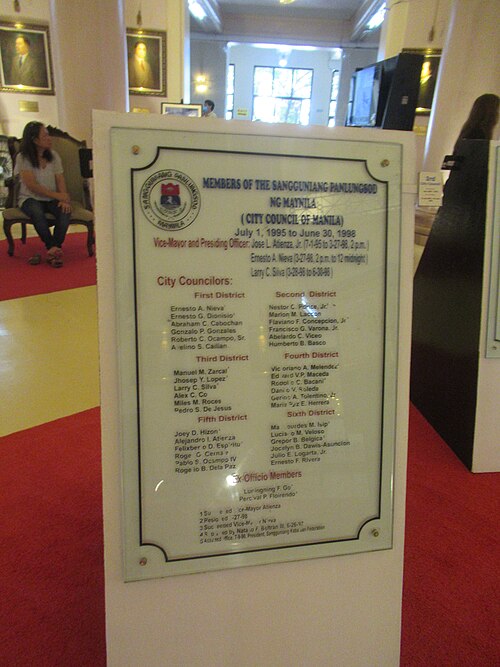
Manila City Hall Clock Tower is a prominent civic landmark within the Manila City Hall complex. The tower belongs to the city’s administrative centre and contributes a recognisable vertical feature to the urban landscape of the Philippine capital.
The Cultural Center of the Philippines is a major performing-arts venue in Metro Manila, set beside Manila Bay in the Pasay area.
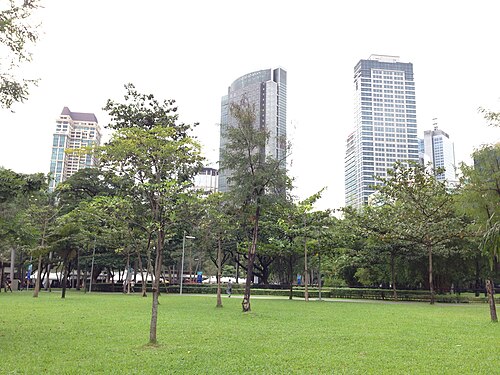
Ayala Triangle Gardens is a landscaped public park in Makati’s central business district. Its triangular green space creates a pedestrian setting among high-rise offices, major avenues, restaurants, and shopping areas.
Greenbelt Chapel is a Catholic place of worship set within the Greenbelt shopping complex in Makati. Its circular form sits among landscaped gardens, water features, shops, restaurants, and pedestrian paths.
Salcedo Saturday Market is an outdoor community market in Salcedo Village, Makati, where local vendors gather for a Saturday morning shopping and eating experience.
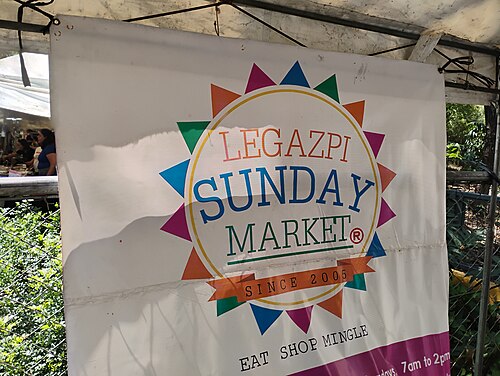
Legazpi Sunday Market is a weekend market located in the Legazpi Village area of Makati, Metro Manila. It operates as a community gathering space where vendors sell goods directly to visitors.
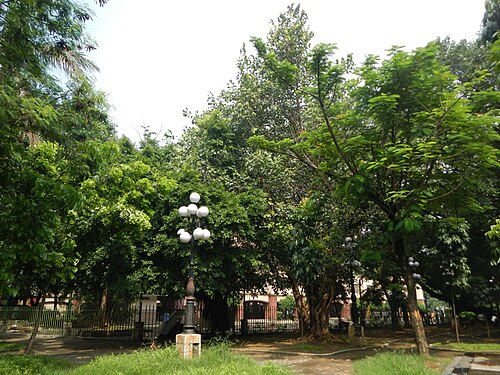
Arroceros Forest Park is a urban forest park situated in Manila, the capital of the Philippines.
Mehan Garden is a historic public garden in central Manila and one of the city’s important green spaces. Established during the Spanish colonial period, it has long been associated with botanical and recreational use.
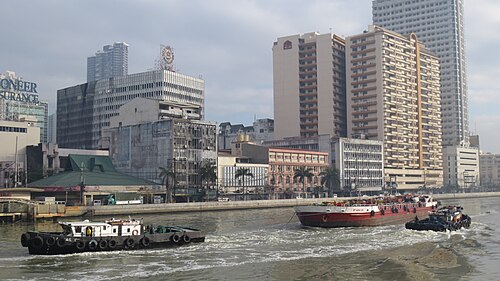
Pasig River Esplanade is a riverside promenade along the Pasig River in Metro Manila. It forms part of efforts to rehabilitate and reactivate the river corridor as public urban space.
Santa Cruz Church is a Roman Catholic church in Manila’s Santa Cruz district, north of the Pasig River. It is both an active parish and a historic religious landmark within a busy commercial and residential part of the capital.
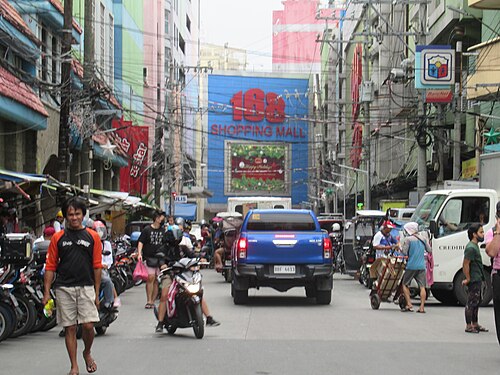
168 Shopping Mall is a multi-vendor retail complex in Manila’s dense commercial landscape. The mall is useful for travelers who want to experience a bazaar-style shopping environment rather than a quiet luxury centre or a single-brand department store.
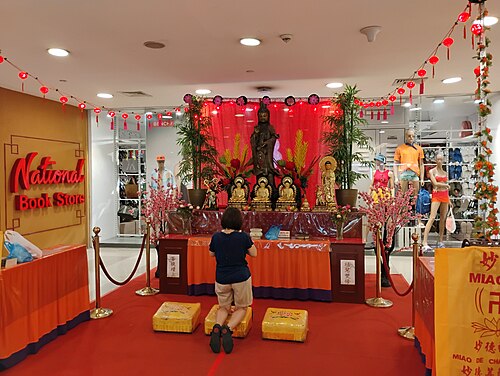
Lucky Chinatown Mall is a shopping and leisure complex in Binondo, Manila’s historic Chinatown. It gives travelers a modern indoor base from which to experience one of the capital’s most commercially energetic districts.
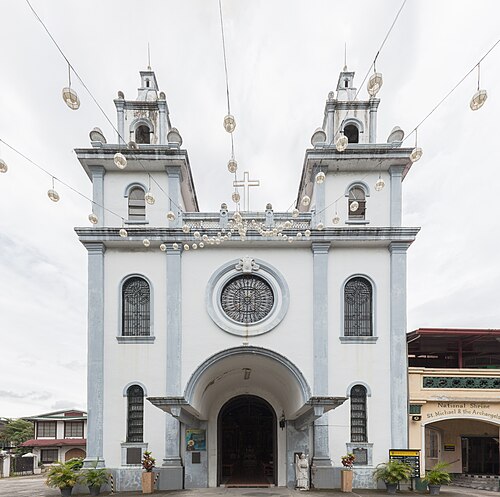
San Miguel Church is a Roman Catholic church in Manila’s San Miguel district. It serves local worshippers while offering travelers a place to encounter the city’s religious and architectural heritage.
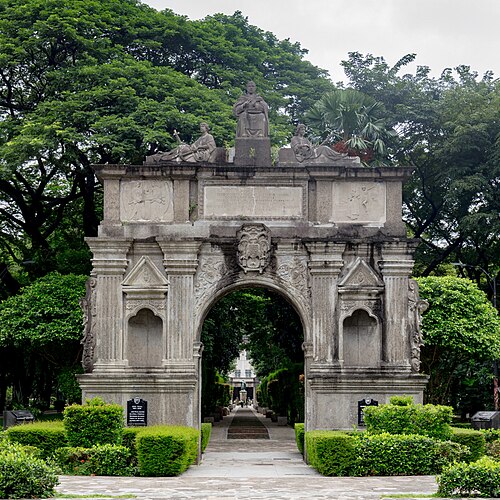
The Arch of the Centuries is a historic gateway at the University of Santo Tomas in Manila’s Sampaloc district. It once formed part of the university’s original campus in Intramuros and was later relocated to the present grounds.
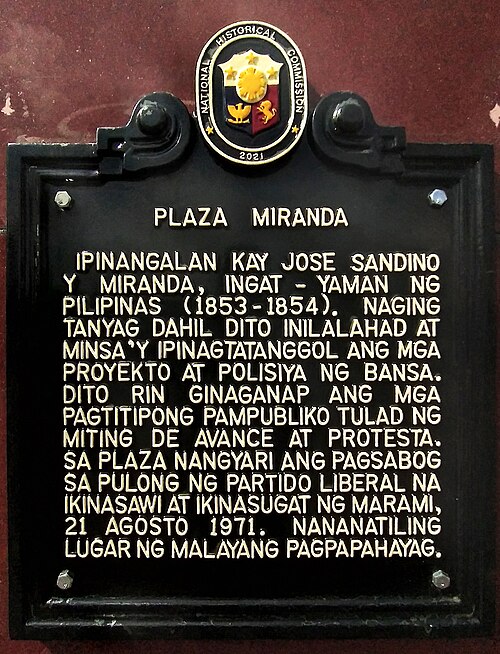
Plaza Miranda
Plaza Miranda is an open public square in Manila’s Quiapo district, directly opposite the Minor Basilica of the Black Nazarene, widely known as Quiapo Church.
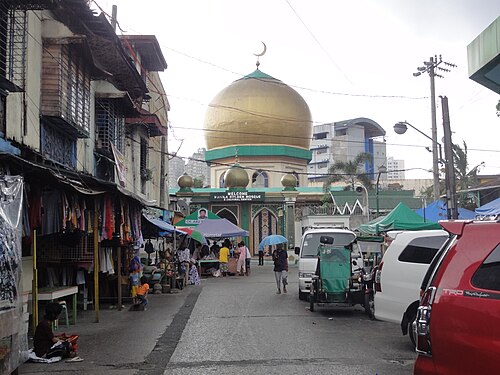
Golden Mosque
Golden Mosque is an active Islamic house of worship in Metro Manila, serving the capital region’s Muslim community. It is a religious and community space rather than a conventional museum or monument.
Santo Niño de Pandacan Parish
Pandacan Church, also known as the Church of Our Lady of Sorrows, stands as a historic Catholic church in the Pandacan district of Manila. The structure represents Spanish colonial religious architecture that has endured through centuries of Philippine history.
Source: OpenStreetMap contributors, Wikidata ·
Combine Intramuros, the National Museum complex and Rizal Park in one central route. Cross toward Binondo for its churches and food streets, and keep Quiapo as a nearby but distinct market district. The bayfront and Malate work together later in the day. Do not treat Makati or Quezon City as short walking extensions of old Manila.
Checked 2026-08-26
Walk inside Intramuros and other compact heritage clusters, then use rail, public road transport or an accredited taxi or transport-network vehicle between districts. The Tourism Promotions Board notes that transport-network vehicle services are available. Metro Manila traffic makes cross-city timing variable, so avoid building a day that repeatedly crosses the Pasig River or the metropolitan core.
Checked 2026-08-26
A fixed stay length is not recorded. Build the visit around Intramuros, Rizal Park, Binondo and the bayfront, then add Makati, BGC and Quezon City only when the available time supports a separate journey.
Group places by district instead of crossing the city repeatedly. Start with Intramuros, Rizal Park, Binondo and the bayfront; treat Makati, BGC and Quezon City as separate routes with their own travel allowance.
Use Walking, urban rail, public road transport and licensed car services. Walk within compact clusters and consult the linked official transport information before making longer transfers or relying on a particular route.
Only within individual neighbourhood clusters. The main visitor areas are separated by distances, waterways, major roads or regional approaches, so longer links normally need public transport or a licensed vehicle.
Plan Makati, BGC and Quezon City separately from Intramuros, Rizal Park, Binondo and the bayfront. Check the current route, return connection and any access requirements on the official source before departure.