Fort Santiago
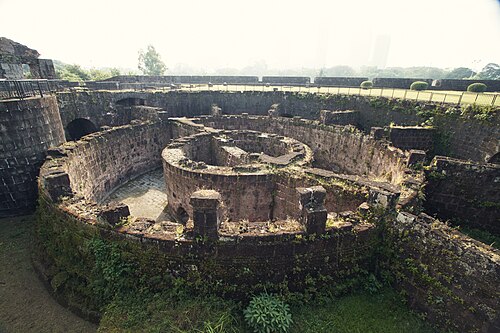
Fort Santiago is a citadel within the walled district of Intramuros, Manila. Built by Spanish colonial forces, it served as a military headquarters and prison complex during successive colonial periods.
- Must see
- Historic site
City guide · Philippines
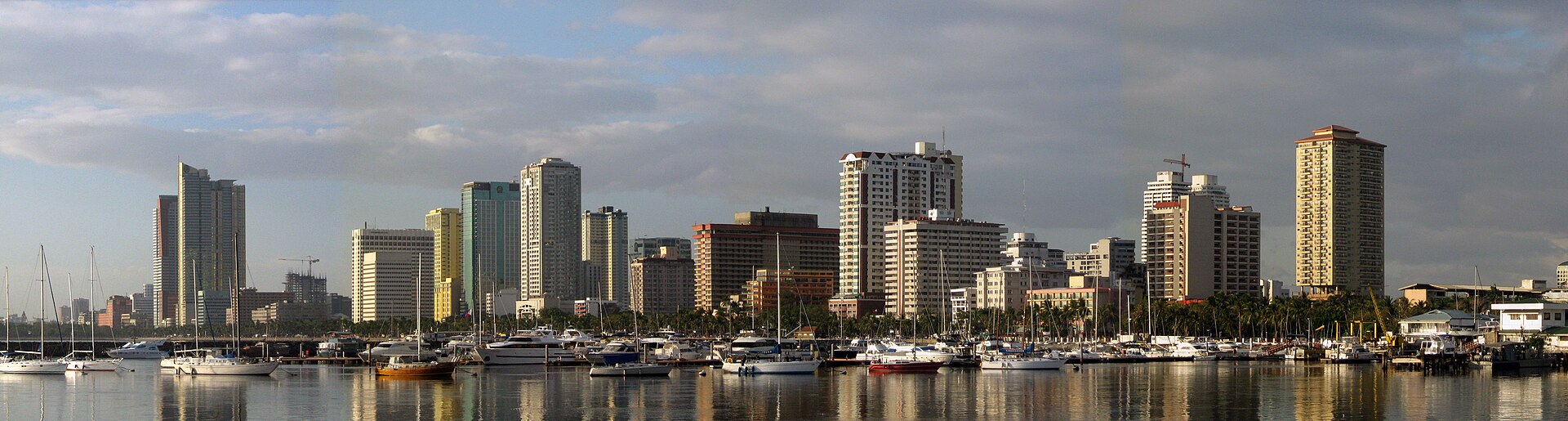
Manila is best understood as a set of historic and waterfront districts inside the wider Metro Manila region. Intramuros and Rizal Park form the principal herit...
Photograph · Mike Gonzalez (TheCoffee) · CC BY-SA 3.0
Set your days, your pace and the hours you actually want to be out. The planner works around closing days and travel time, and leaves room to eat.
Editorial responsibility: Elena Voss · Roavina Travel Editor
Manila is best understood as a set of historic and waterfront districts inside the wider Metro Manila region. Intramuros and Rizal Park form the principal heritage cluster, Binondo and Quiapo sit north of the Pasig River, and Ermita and Malate extend south toward Manila Bay. Makati, BGC and Quezon City are separate metropolitan journeys.
Checked 2026-08-26
November · November keeps Metro Manila warm at a 30.7°C mean high and still averages 129.3 mm of rain.
Ranked by importance — sitelinks, pageviews and heritage status, not editor preference.
12 places match
Category
Typical visit duration
Good for
Interests
Fort Santiago is a citadel within the walled district of Intramuros, Manila. Built by Spanish colonial forces, it served as a military headquarters and prison complex during successive colonial periods.
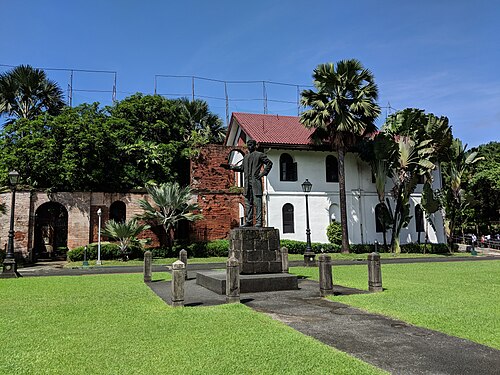
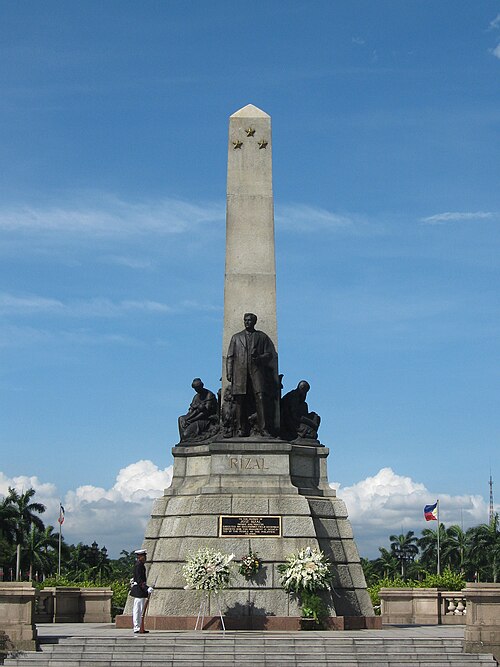
The Rizal Monument stands in Rizal Park, Manila, as a memorial to Dr. José Rizal, the Philippine national hero executed by Spanish colonial authorities in 1896.
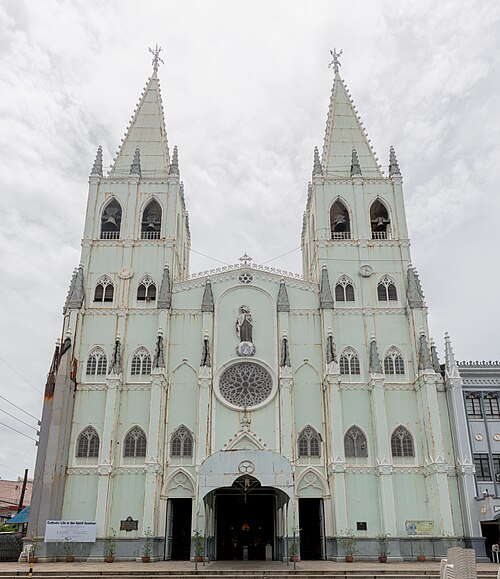
Binondo Church, formally the Minor Basilica and National Shrine of San Lorenzo Ruiz and also known as Our Lady of the Most Holy Rosary Parish, is a Roman Catholic church in Manila's Binondo district under the Archdiocese of Manila.
San Sebastian Basilica is a Roman Catholic minor basilica in Manila, Philippines. It is widely recognized as the only all-steel church in Asia and one of the few prefabricated steel churches worldwide.
The Filipino-Chinese Friendship Arch is a pair of neighbouring paifang gates in Binondo, Manila's Chinatown, which was established in 1594 to house Chinese immigrants and is reportedly the oldest Chinatown in the world.
Seng Guan Temple (Seng Guan Ssu, 信願寺) is a prominent Chan Buddhist temple on Narra Street near Divisoria, in the Tondo district of Manila.
The Rizal Shrine is a museum dedicated to José Rizal, the national hero of the Philippines.
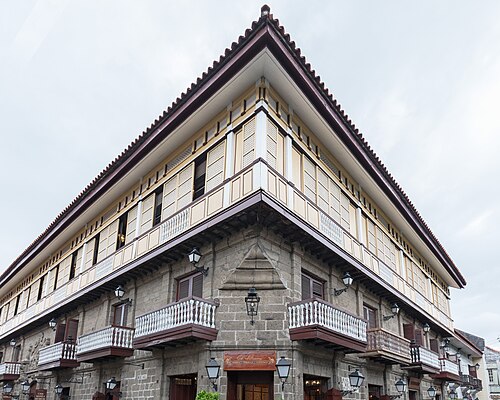
Casa Manila is a reconstructed Spanish colonial house museum in Intramuros. It presents the domestic world associated with the late nineteenth-century ilustrado, the educated Filipino upper class of the period.
UST Museum
Baluarte de San Diego is a bastion structure forming part of the historic Spanish colonial fortifications in Manila. Built during the period of Spanish rule, it represents military architecture designed to protect the walled city of Intramuros.
Memorare - Manila 1945
Memorare Manila 1945 is a memorial monument located in Manila, Philippines. It commemorates the estimated one hundred thousand Filipino civilians who perished during the Battle of Manila in World War II.
Combine Intramuros, the National Museum complex and Rizal Park in one central route. Cross toward Binondo for its churches and food streets, and keep Quiapo as a nearby but distinct market district. The bayfront and Malate work together later in the day. Do not treat Makati or Quezon City as short walking extensions of old Manila.
Checked 2026-08-26
Walk inside Intramuros and other compact heritage clusters, then use rail, public road transport or an accredited taxi or transport-network vehicle between districts. The Tourism Promotions Board notes that transport-network vehicle services are available. Metro Manila traffic makes cross-city timing variable, so avoid building a day that repeatedly crosses the Pasig River or the metropolitan core.
Checked 2026-08-26
Suggested stay for a first visit: 3–4 days. Build the visit around Intramuros, Rizal Park, Binondo and the bayfront, then add Makati, BGC and Quezon City only when the available time supports a separate journey.
Group places by district instead of crossing the city repeatedly. Start with Intramuros, Rizal Park, Binondo and the bayfront; treat Makati, BGC and Quezon City as separate routes with their own travel allowance.
Use Walking, urban rail, public road transport and licensed car services. Walk within compact clusters and consult the linked official transport information before making longer transfers or relying on a particular route.
Only within individual neighbourhood clusters. The main visitor areas are separated by distances, waterways, major roads or regional approaches, so longer links normally need public transport or a licensed vehicle.
Plan Makati, BGC and Quezon City separately from Intramuros, Rizal Park, Binondo and the bayfront. Check the current route, return connection and any access requirements on the official source before departure.