
2 min walk
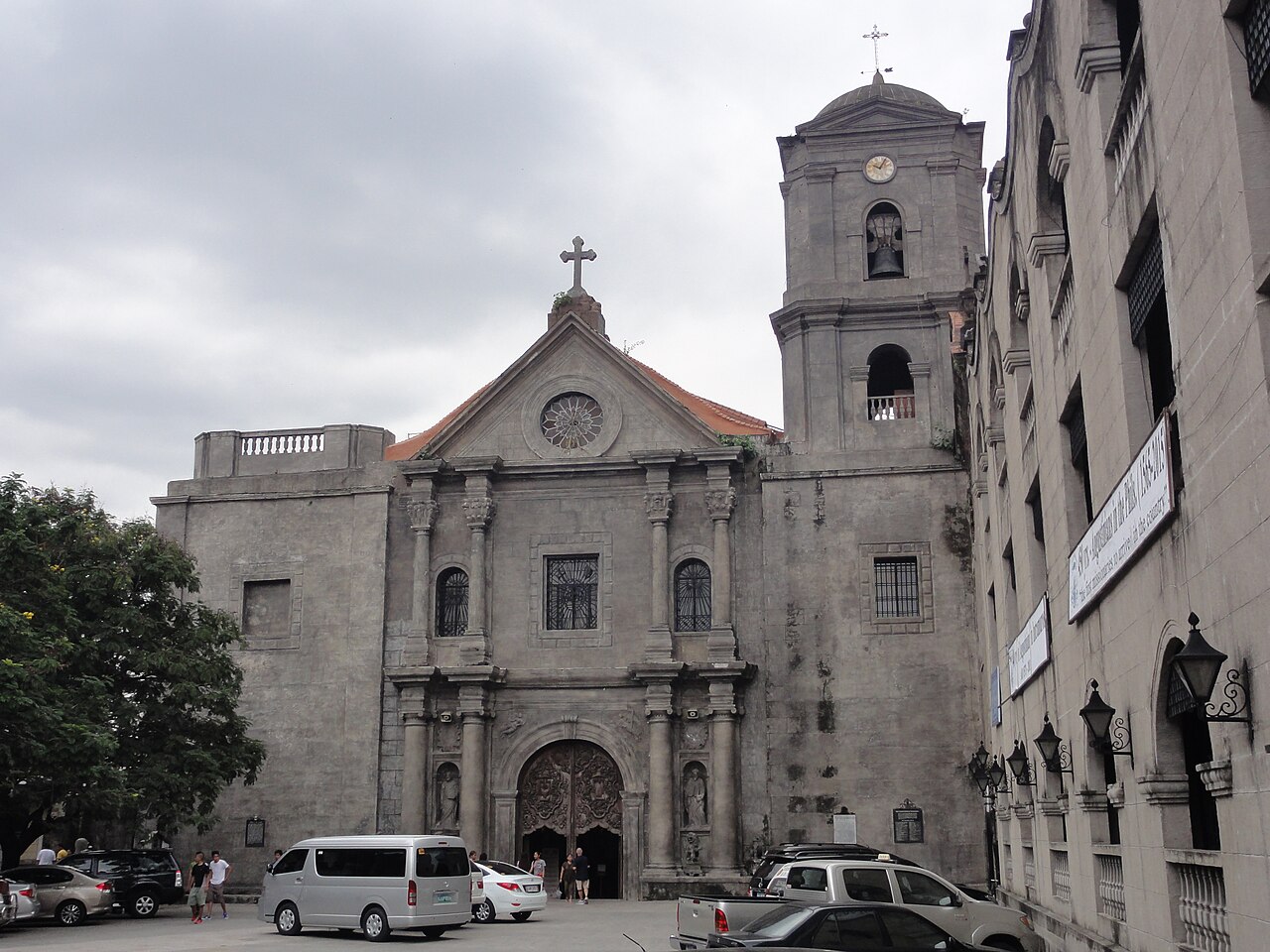
San Agustin Church
- Must see · Heritage site
- Historic monument
Language · 11 published
Museum · Manila
Reviewed by Elena Voss · Roavina Travel Editor
| Monday | Closed |
|---|---|
| Tuesday | 09:00 – 18:00 |
| Wednesday | 09:00 – 18:00 |
| Thursday | 09:00 – 18:00 |
| Friday | 09:00 – 18:00 |
| Saturday | 09:00 – 18:00 |
| Sunday | 09:00 – 18:00 |
Checked 2026-08-31 · Source
Read from the OpenStreetMap access tags; anything not listed has no tag recorded.
Set the group type to family in the planner and the day window contracts to about three quarters of a solo day.
This place is a Museum.
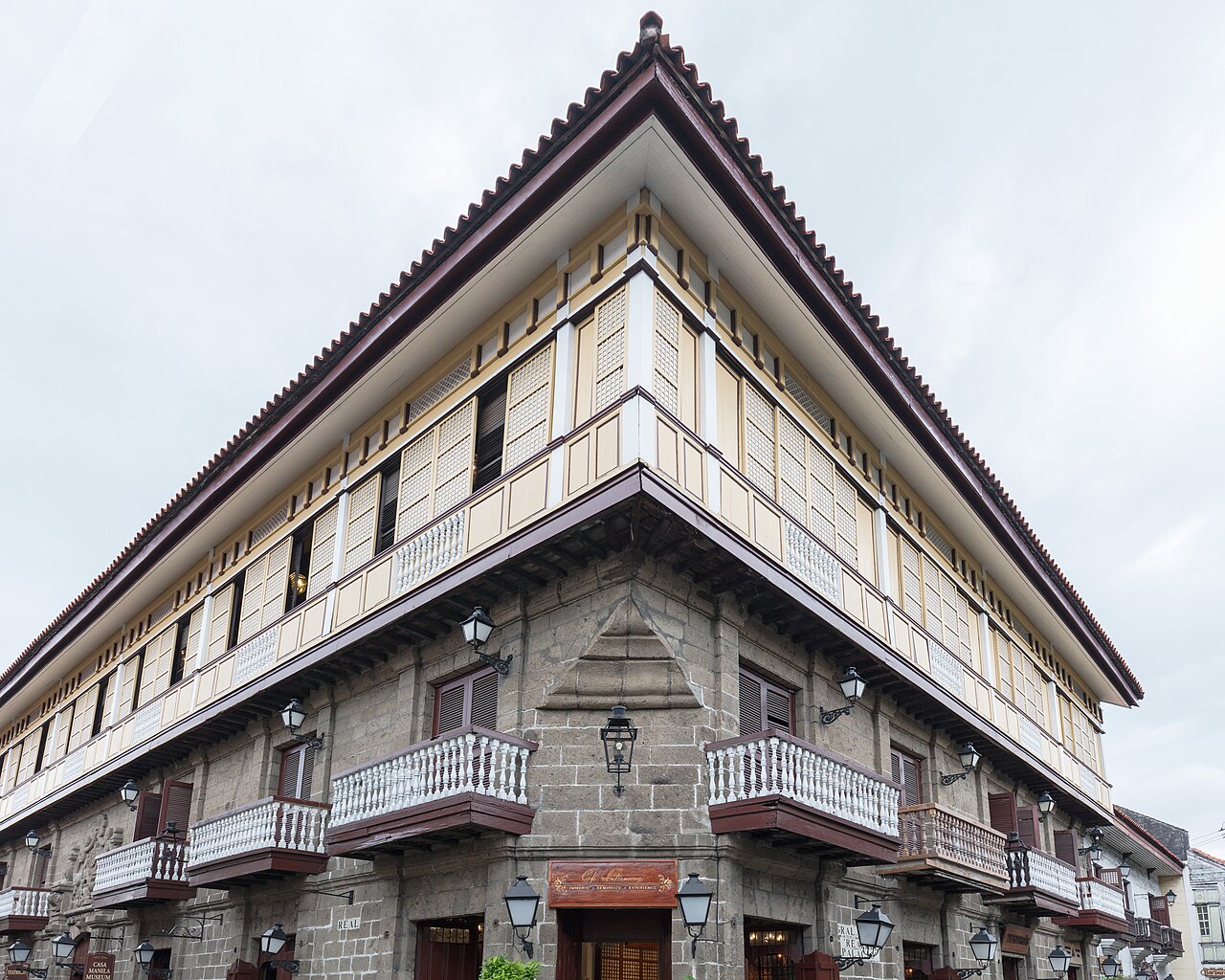
Casa Manila is a reconstructed Spanish colonial house museum in Intramuros. It presents the domestic world associated with the late nineteenth-century ilustrado, the educated Filipino upper class of the period. On General Luna Street, the house forms part of Intramuros’s heritage landscape. Its rooms, furnishings, and architecture help travelers picture how status, family life, and colonial influence appeared inside an urban Manila home. Casa Manila is a museum located within the historic walled district of Intramuros in Manila. It presents a reconstructed Spanish colonial-era house, representing the lifestyle of the ilustrado or educated upper class during the late nineteenth century. The structure sits on General Luna Street and forms part of the broader heritage conservation effort led by the Intramuros Administration. Visitors encounter period furnishings, architectural details, and domestic arrangements that illustrate colonial domestic life. The museum contributes to understanding Manila's layered history before the twentieth century. It is a reconstructed structure representing late Spanish colonial domestic architecture, not an original building surviving from the nineteenth century.
Checked 2026-08-26 · Source
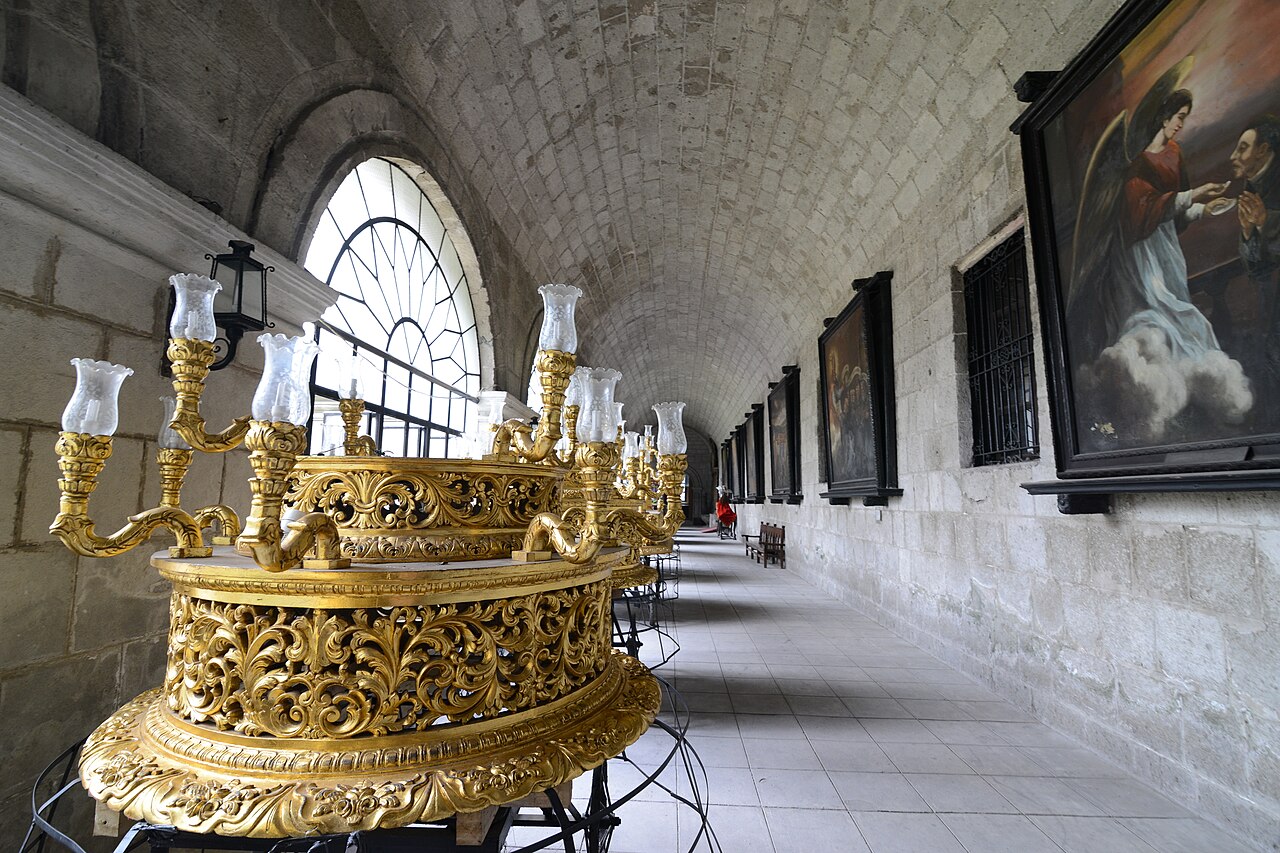
The museum arranges antique furniture, household objects, and decorative pieces across receiving rooms, dining spaces, bedrooms, and service areas. Its bahay na bato character combines indigenous and Spanish influences through stonework, timber, windows, and courtyard space. Look beyond individual objects to the social layout: the house shows how entertaining, family routines, domestic labor, and public respectability were organized under late Spanish colonial society. The interior displays antique furniture, decorative objects, and household items arranged across multiple floors to simulate authentic period living spaces. Bedrooms, dining areas, receiving rooms, and service quarters are fitted with reproductions and collected pieces. The courtyard and exterior stonework reflect typical bahay na bato construction, combining indigenous and Spanish influences. Interpretive materials guide visitors through social customs, family structures, and daily routines. The collection emphasizes material culture rather than textual archives, offering tangible connection to colonial-era domesticity. A flexible visit lets travellers connect Casa Manila with the rest of the day without treating one room, viewpoint or photograph as the whole experience.
Checked 2026-08-26 · Source
Most travelers need about forty-five to ninety minutes inside Casa Manila. The compact sequence of rooms suits a focused visit, while close attention to furniture, decorative details, and interpretive material takes longer. Stairs connect the levels, so allow a little extra time for careful movement. Pairing the museum with Manila Cathedral, San Agustin Church, and other Intramuros landmarks creates a satisfying half-day heritage walk.
Checked 2026-08-26 · Source
Morning is a comfortable period for exploring Casa Manila and then walking through Intramuros before the strongest heat. Weekends and Philippine public holidays can bring more visitors to the walled district. Rain is more disruptive from June through November, when wet streets may slow a heritage walk. The site is most rewarding when combined with nearby buildings, plazas, and churches rather than treated as an isolated stop.
Checked 2026-08-26 · Source
Casa Manila is a heritage house museum within Intramuros, where museum entry may be handled separately from other attractions in the district. Bring Philippine pesos for a straightforward visit, and keep in mind that the experience centers on preserved rooms and furnishings rather than large-scale galleries. The house is best valued for its intimate presentation of colonial domestic life and its place within Intramuros.
Checked 2026-08-26 · Source
Casa Manila stands on General Luna Street inside Intramuros. Jeepneys, buses, taxis, and ride-hailing services reach the surrounding Manila streets, after which the final approach continues through the walled district. It is an easy walk from Manila Cathedral and San Agustin Church. Traffic can be heavy in central Manila, while Intramuros itself is better explored on foot over cobblestones and uneven surfaces.
Checked 2026-08-26 · Source
Casa Manila uses narrow staircases and uneven floors that reflect the character of a period house. Walk carefully, especially between levels and around tightly arranged furniture. Intramuros streets can be sunny, humid, and uneven, so comfortable footwear helps. Keep bags close in crowded areas and leave space for other visitors in small rooms. The upper floors require stairs, making the visit physically different from a step-free gallery.
Checked 2026-08-26 · Source
Casa Manila’s strongest photographic subjects are its courtyard, carved wooden details, windows, stone surfaces, furniture arrangements, and layered room views. Work carefully in narrow interiors so other visitors can pass, and keep flash off around furnishings unless staff permit it. Exterior views along General Luna Street show the house in its Intramuros setting. Photograph the atmosphere of the rooms without touching or leaning on displays.
Checked 2026-08-26 · Source
No. It is a reconstructed house museum representing late Spanish colonial domestic architecture and the lifestyle of the ilustrado class.
The displays include receiving rooms, dining areas, bedrooms, service quarters, and courtyard spaces furnished to evoke colonial domestic life.
It is on General Luna Street inside Intramuros, within walking distance of Manila Cathedral and San Agustin Church.
Allow approximately forty-five to ninety minutes, depending on how closely you examine the furnishings, decorative details, and room arrangements.
The house reflects bahay na bato traditions, combining indigenous Filipino features with Spanish colonial architectural influences.
Yes. Its location makes a natural Intramuros route with Manila Cathedral, San Agustin Church, Plaza de Roma, and other heritage landmarks.
Loading the interactive map…
The interactive map could not be loaded.

Last updated:
Source: OpenStreetMap contributors, Wikidata ·