

2 min walk
Memorare – Manila 1945 historical marker
- Must see
- Historic monument
Language · 11 published
Museum · Manila
Reviewed by Elena Voss · Roavina Travel Editor
| Monday | Closed |
|---|---|
| Tuesday | 09:00 – 18:00 |
| Wednesday | 09:00 – 18:00 |
| Thursday | 09:00 – 18:00 |
| Friday | 09:00 – 18:00 |
| Saturday | 09:00 – 18:00 |
| Sunday | 09:00 – 18:00 |
Checked 2026-08-31 · Source
Read from the OpenStreetMap access tags; anything not listed has no tag recorded.
Set the group type to family in the planner and the day window contracts to about three quarters of a solo day.
This place is a Museum. It was established in 2019.
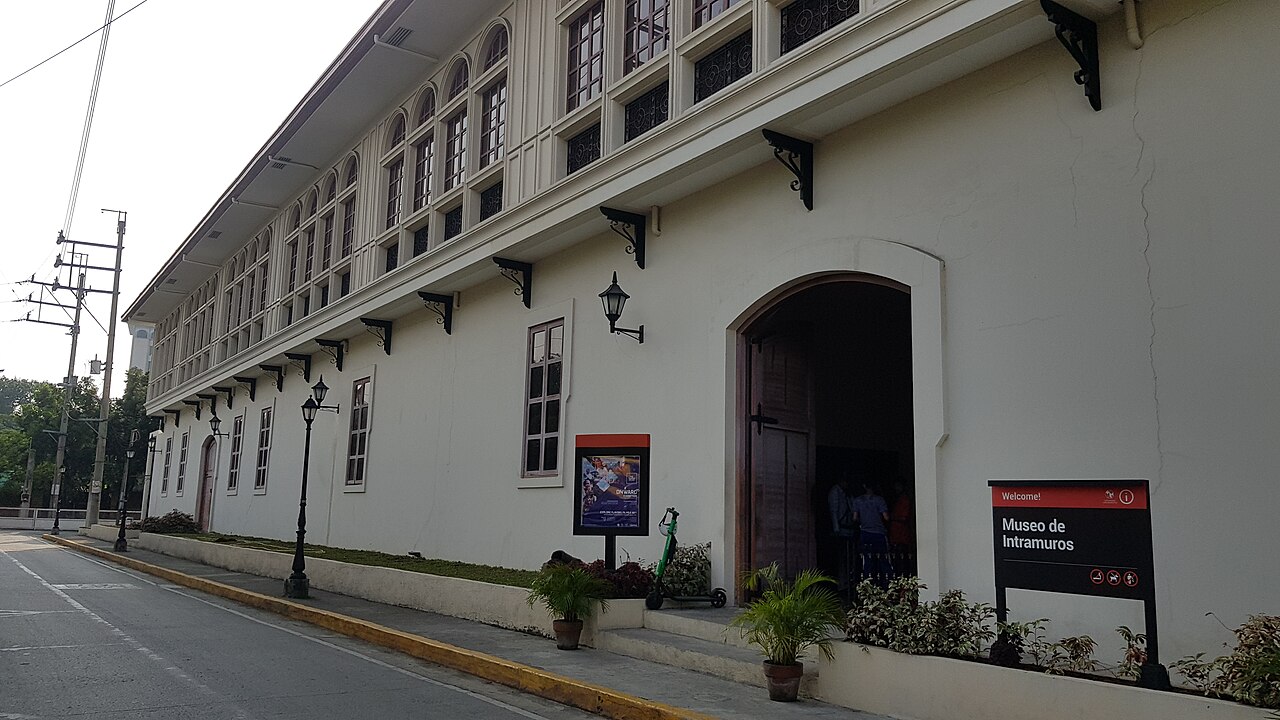
Museo de Intramuros is a museum inside Manila’s historic walled district. It presents the religious and colonial heritage that shaped Intramuros, a compact precinct of churches, defensive walls, civic buildings, and cultural institutions. The museum works well as an indoor pause within a walking day, giving visitors context for the architecture and institutions encountered throughout the surrounding streets. Museo de Intramuros is a museum located within the historic walled district of Intramuros in Manila, Philippines. The institution occupies a significant position in Metro Manila's cultural tourism landscape, serving as a meaningful visitor destination according to available tourism documentation. The museum forms part of the broader heritage precinct that represents Spanish colonial urban planning in Asia. Its establishment reflects ongoing efforts to preserve and present Philippine ecclesiastical and colonial history. The museum operates within a district recognized for its concentration of historic structures and cultural institutions. Yes, the museum operates within Intramuros, the historic walled district containing multiple colonial-era churches, fortifications, and cultural institutions including San Agustin Church and Fort Santiago.
Checked 2026-08-26 · Source
The displays focus on ecclesiastical art and objects connected with religious life during the Spanish colonial period. Visitors can expect a setting where devotional images, liturgical objects, artistic traditions, and the work of religious orders help explain Intramuros beyond its walls and gateways. The museum is best read alongside nearby churches and heritage buildings, which place its objects in a larger urban and spiritual setting. The museum's collections relate to the religious and colonial heritage of Intramuros, the historic center of Manila. Exhibits encompass ecclesiastical art, artifacts, and materials connected to the religious orders that established presence in the walled city. The institution presents objects that illuminate the spiritual and artistic traditions developed during the Spanish colonial period. The museum contributes to visitor understanding of how religious institutions shaped the cultural development of the Philippine capital.
Checked 2026-08-26 · Source
Allow about an hour for a focused museum visit, with extra time if ecclesiastical art or colonial history is a major interest. Intramuros is compact enough to combine the museum with San Agustin Church, Fort Santiago, and a walk beside the old fortifications. Planning the museum between outdoor stops creates a more comfortable rhythm in Manila’s heat and humidity. Visitors should allocate sufficient time to appreciate the museum's holdings within the context of broader Intramuros exploration. A focused visit to Museo de Intramuros alone may require approximately one hour, though individual pacing varies considerably based on interest in ecclesiastical art and colonial history. Many visitors combine this institution with adjacent heritage sites including San Agustin Church and Fort Santiago.
Checked 2026-08-26 · Source
A morning visit suits travelers planning to walk between several Intramuros landmarks, when outdoor temperatures are generally easier to manage. Manila’s drier months, broadly from November through April, are more comfortable for moving between sites than the wetter period. The museum sits within an active heritage district, so religious events, civic activity, and changing local conditions can influence the surrounding atmosphere.
Checked 2026-08-26 · Source
Museo de Intramuros belongs to a district where nearby attractions can have their own access arrangements. Treat the museum as one stop in a wider heritage itinerary and carry Philippine pesos for ordinary visitor expenses in the area. A focused visit is particularly useful for travelers who want museum interpretation before seeing Intramuros’s churches, gateways, and defensive structures outdoors.
Checked 2026-08-26 · Source
The museum is within Intramuros, on the south bank of the Pasig River. Visitors can reach the district by jeepney, bus, taxi, or ride-hailing service, then continue on foot through the walled streets. Those already visiting Intramuros can walk between the museum, San Agustin Church, Fort Santiago, and other heritage sites without needing a separate transfer for every stop.
Checked 2026-08-26 · Source
Intramuros combines heritage buildings with active roads, so take care at crossings and along uneven edges. Heat, humidity, and strong sun can make a walking circuit tiring; water, light clothing, and sun protection are useful. Historic surfaces may be difficult for some visitors using mobility devices. Keep valuables secure in crowded areas and leave enough energy for the outdoor sections of the district.
Checked 2026-08-26 · Source
The museum offers photographic subjects through religious art, historic objects, and the contrast between indoor collections and Intramuros streets. Use a quiet, respectful approach around devotional material and other visitors. The surrounding district provides stronger exterior compositions, especially where walls, churches, gateways, and tropical vegetation meet. A small camera setup is practical for a day that includes substantial walking.
Checked 2026-08-26 · Source
It is located inside Intramuros, Manila’s historic walled district, near several colonial-era churches, fortifications, and cultural attractions.
Yes. Its compact Intramuros setting makes it practical to pair with San Agustin Church, Fort Santiago, and a walk along the preserved defensive walls.
Its focus is the religious and colonial heritage of Intramuros, including ecclesiastical art, devotional traditions, and objects linked to religious orders.
Plan around an hour for the museum itself, then add time for the surrounding churches, fortifications, and streets if exploring Intramuros as a walking itinerary.
Reach Intramuros by jeepney, bus, taxi, or ride-hailing service, then walk through the walled district to the museum.
Water, sun protection, comfortable walking footwear, and secure storage for valuables are useful because the museum visit is easily combined with outdoor exploration.
Loading the interactive map…
The interactive map could not be loaded.

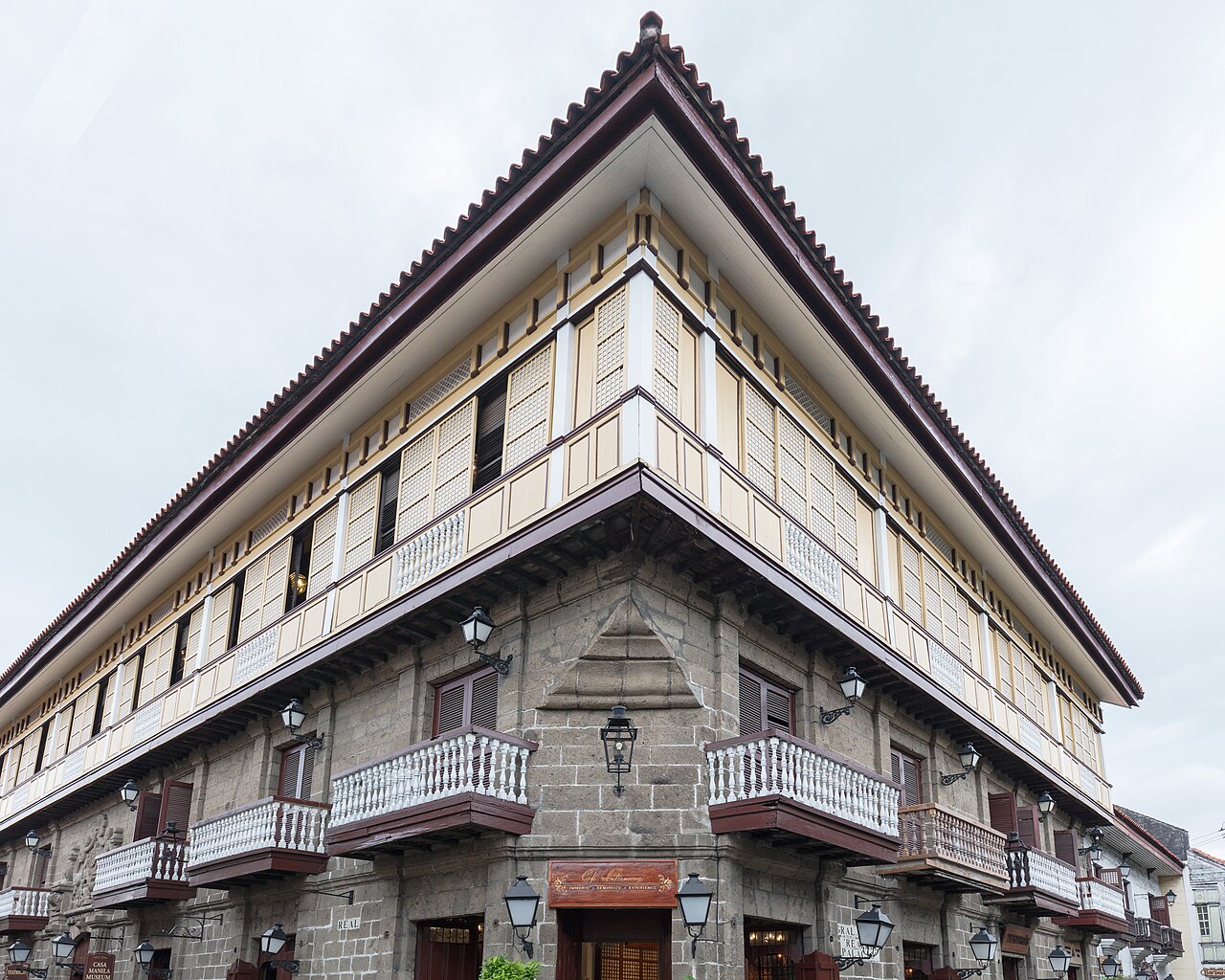
Last updated:
Source: OpenStreetMap contributors, Wikidata ·