


3 min walk
National Museum of the Philippines
- Must see
- Museum

Museum · Manila
| Monday |
09:00 – 18:00
Last entry 17:30 |
|---|---|
| Tuesday |
09:00 – 18:00
Last entry 17:30 |
| Wednesday |
09:00 – 18:00
Last entry 17:30 |
| Thursday |
09:00 – 18:00
Last entry 17:30 |
| Friday |
09:00 – 18:00
Last entry 17:30 |
| Saturday |
09:00 – 18:00
Last entry 17:30 |
| Sunday |
09:00 – 18:00
Last entry 17:30 |
| Monday | Closed |
|---|---|
| Tuesday | Closed |
| Wednesday | Closed |
| Thursday | Closed |
| Friday | Closed |
| Saturday | Closed |
| Sunday | Closed |
| Monday | Closed |
|---|---|
| Tuesday | Closed |
| Wednesday | Closed |
| Thursday | Closed |
| Friday | Closed |
| Saturday | Closed |
| Sunday | Closed |
Checked 2026-11-04 · Source
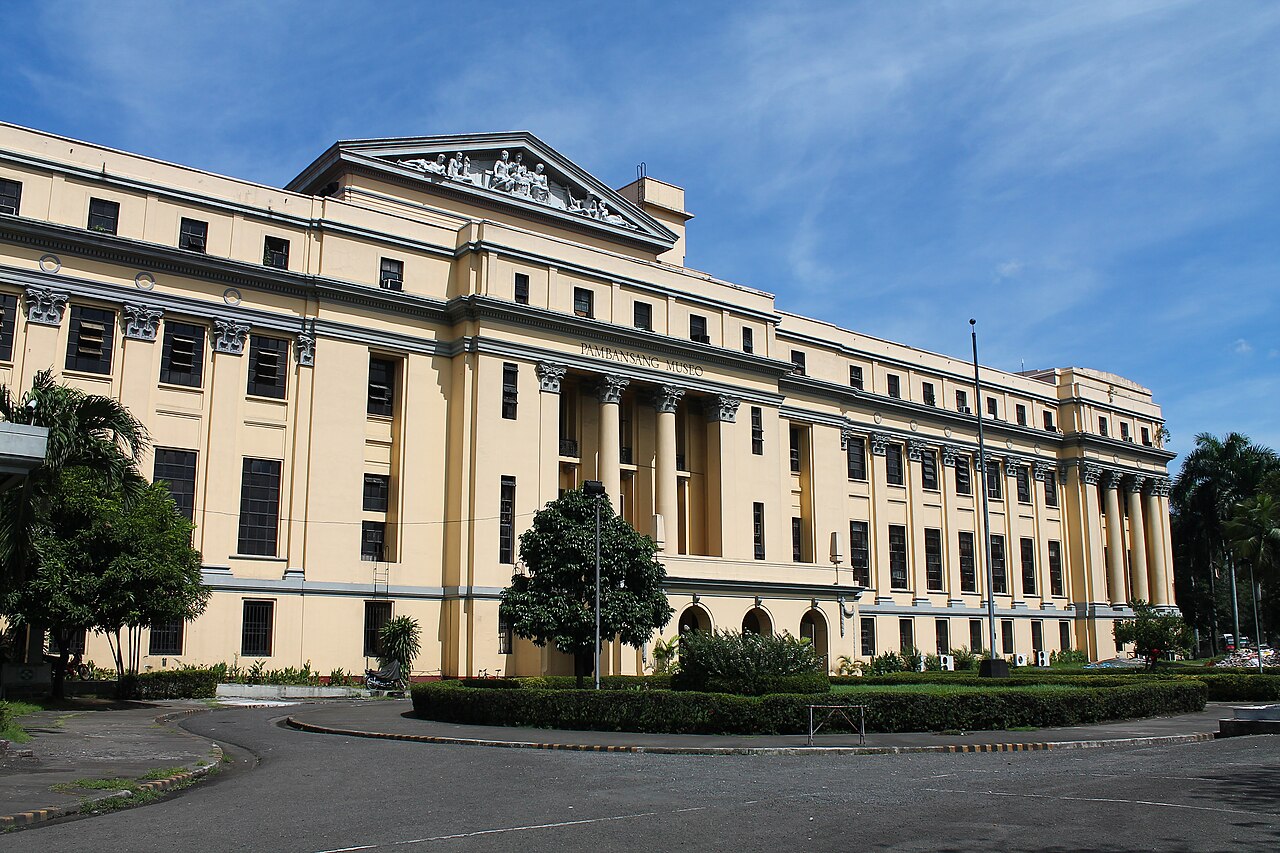
The National Museum of Anthropology presents the archaeological, ethnographic, and material heritage of the Philippine archipelago. It belongs to the National Museum of the Philippines system and stands near Rizal Park in central Manila. The museum is a strong choice for travelers who want to understand Filipino communities, technologies, beliefs, and cultural exchange through objects rather than only through written history.
Checked 2026-08-26 · Source
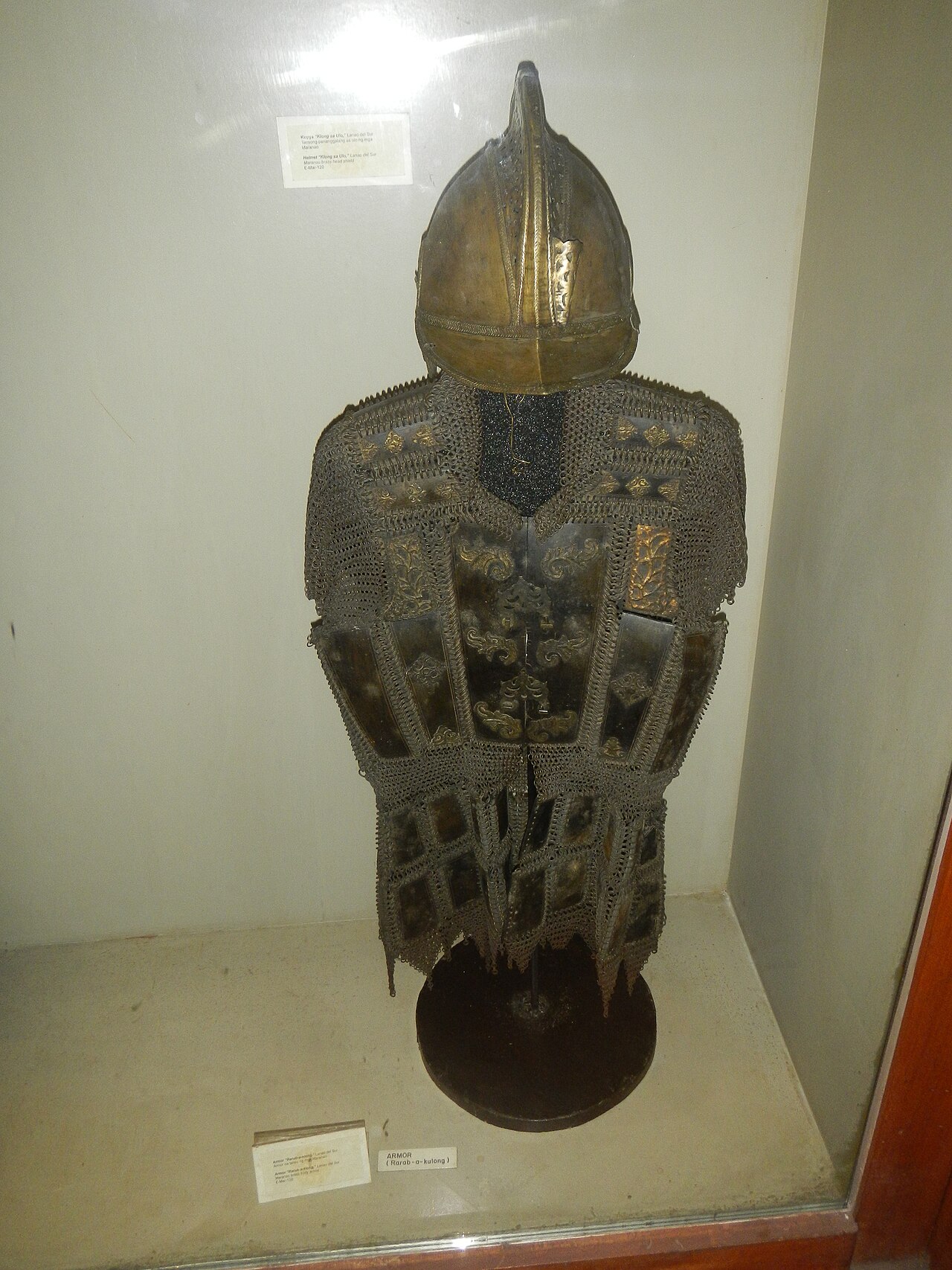
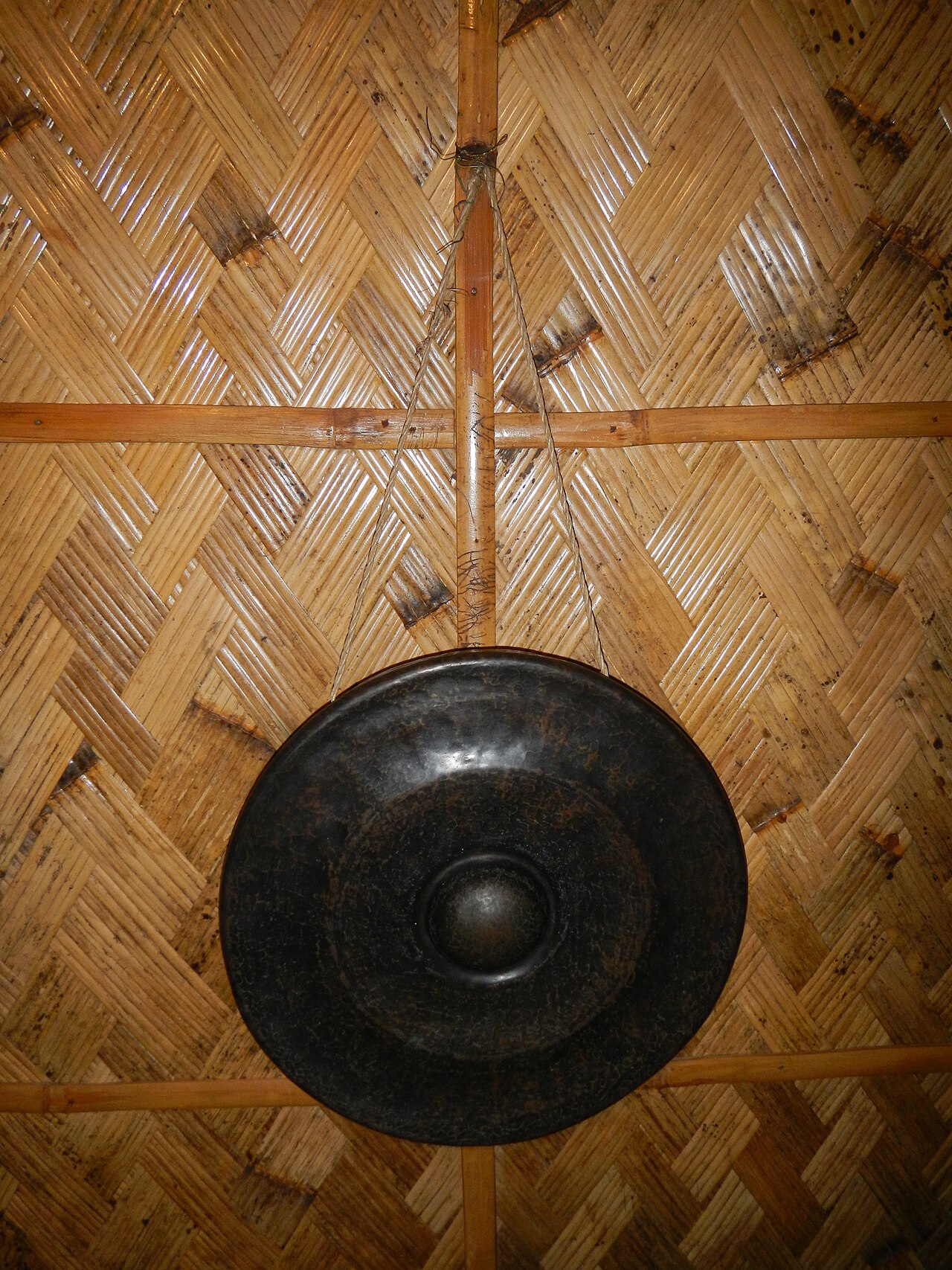
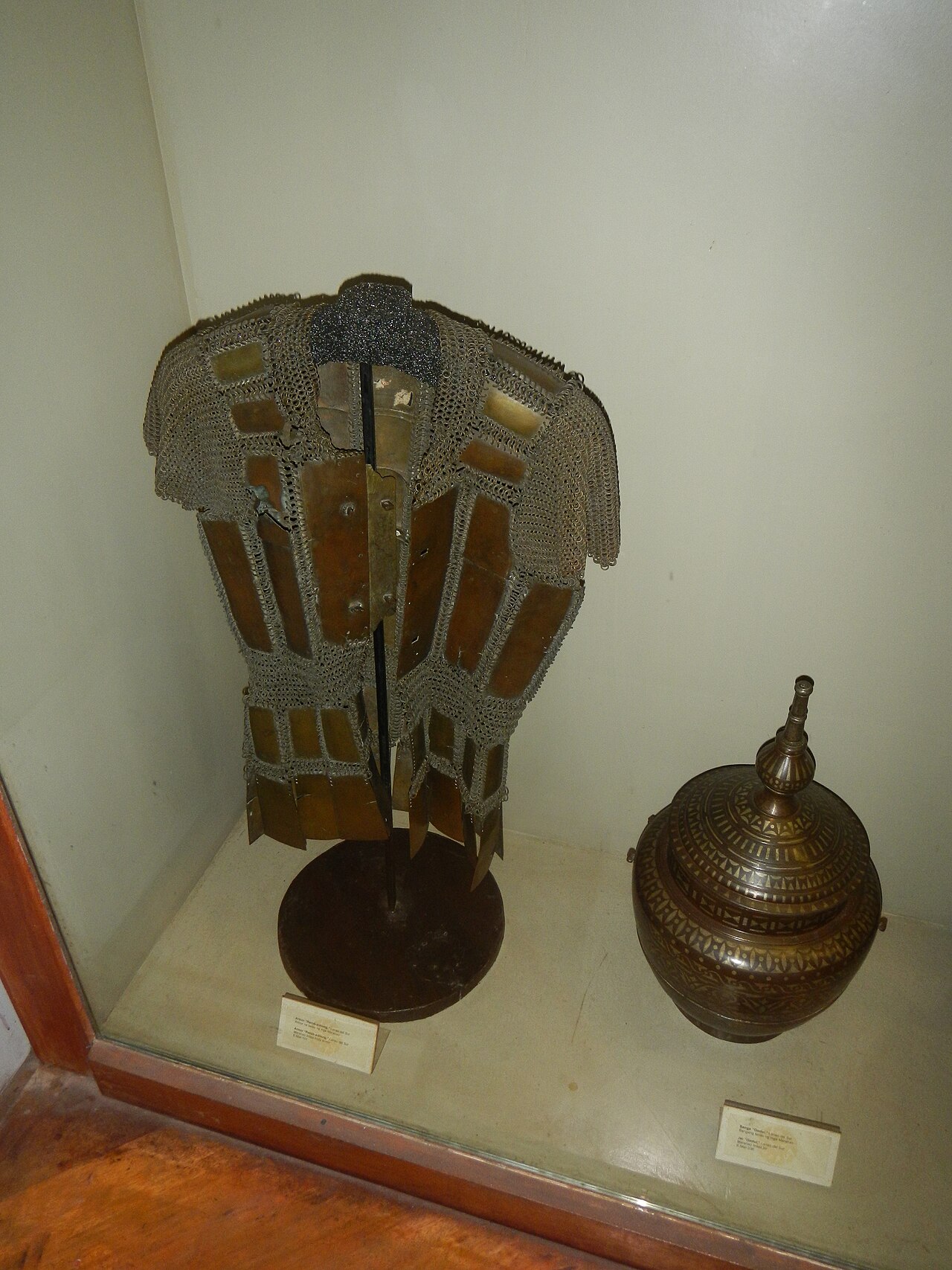
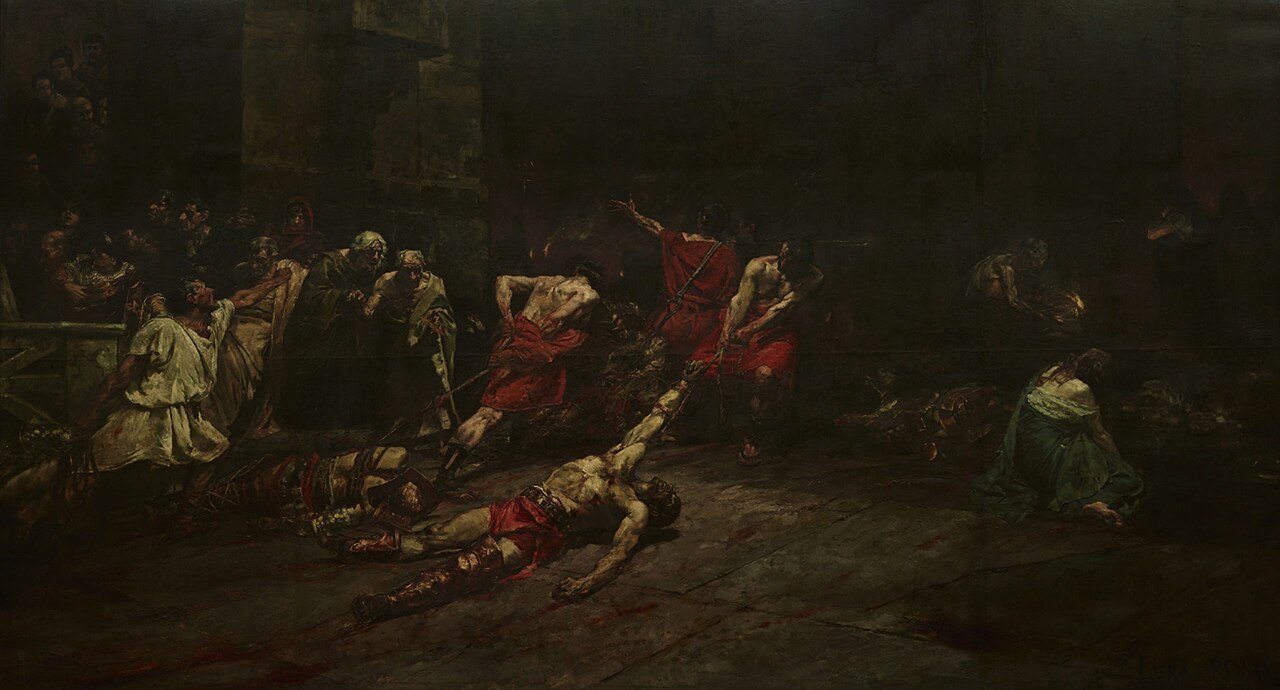
Galleries bring together pre-colonial goldwork, pottery, burial goods, textiles, religious statuary, and traditional craft tools. Ethnographic displays introduce material traditions from indigenous groups across the Philippines, while maritime collections explore seafaring and underwater heritage. The San Diego galleon artifacts add a vivid shipwreck story. Move slowly through the galleries: the objects reveal how daily life, trade, ritual, and environment shaped one another.
Checked 2026-08-26 · Source
Reserve several hours if you want to cover the museum’s archaeological, ethnographic, maritime, and textile displays with attention. A shorter visit can focus on standout collections and still provide a meaningful introduction. The multi-floor layout involves sustained walking and reading, so build in pauses. It works well as a substantial cultural stop before continuing through Rizal Park or visiting another nearby National Museum institution.
Checked 2026-08-26 · Source
Morning is a useful time for concentrated gallery viewing, especially when you want to read labels and compare objects without rushing. Weekends, school excursions, and holiday periods can make the museum busier. Manila’s wetter months can complicate walking between central attractions, while the drier part of the year is more comfortable for combining the museum with Rizal Park, the waterfront, or Intramuros.
Checked 2026-08-26 · Source
The museum belongs to the National Museum of the Philippines network, whose institutions have historically offered accessible admission policies. Travelers should treat the museum as a culture-focused public institution and allow time for its galleries rather than planning around a commercial attraction format. The collection’s value lies in the breadth of Philippine heritage represented, from ancient objects to living material traditions.
Checked 2026-08-26 · Source
The museum is in the Rizal Park area of central Manila, close to other National Museum buildings. Buses and jeepneys serve nearby central corridors, while the United Nations LRT-1 station provides a rail approach followed by walking. Taxis and ride-hailing services can go directly to the museum district, although Metro Manila traffic may lengthen the journey. Once there, nearby museums make a compact cultural circuit.
Checked 2026-08-26 · Source
Plan for heat and humidity when walking around Rizal Park, and keep belongings secure in busy transport areas. The museum’s galleries require considerable standing and movement across floors. Some displays may be unavailable during conservation or rotation. Follow gallery signs and staff directions around objects, particularly culturally sensitive material. A quieter morning visit can make dense labels and detailed collections easier to absorb.
Checked 2026-08-26 · Source
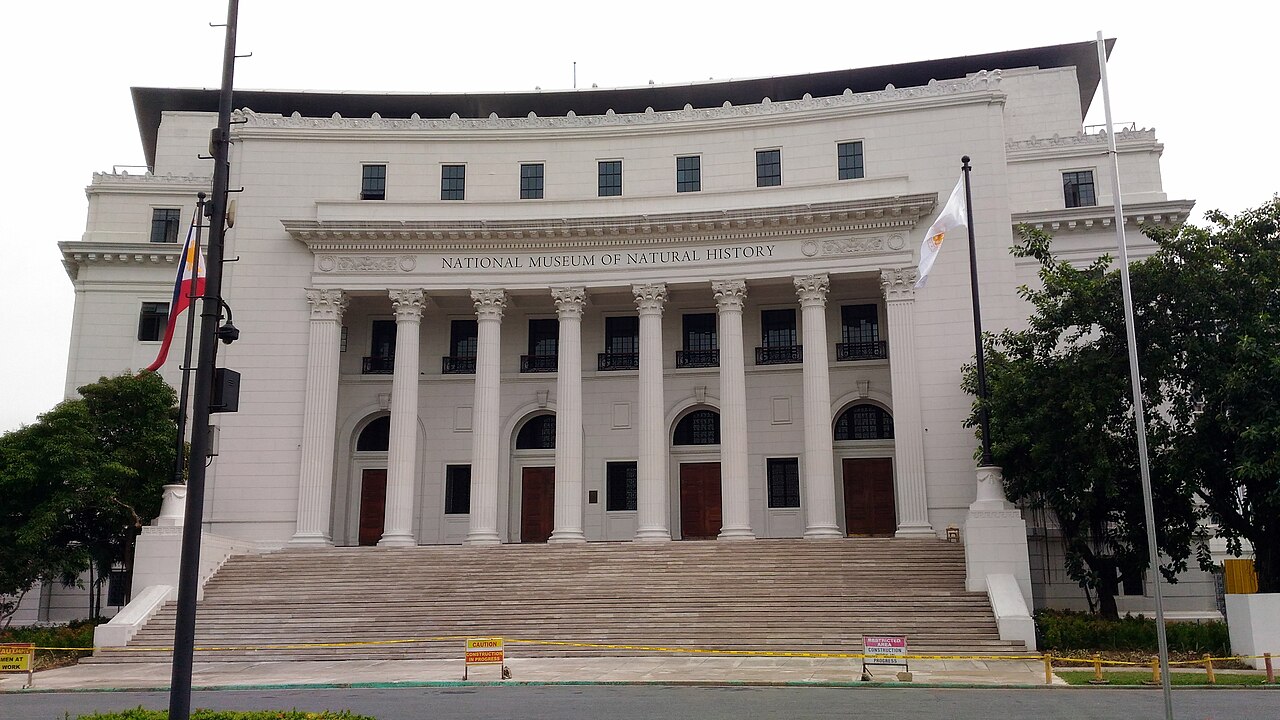
The museum’s collections offer varied subjects for personal photography, from goldwork and pottery to textiles, statuary, and maritime artifacts. Use the gallery signage as the immediate guide, keep flash off around light-sensitive displays, and avoid blocking narrow viewing areas. The museum building and the surrounding Rizal Park also provide contrasting photographs: one emphasizes cultural objects, the other the setting of Manila’s museum district.
Checked 2026-08-26 · Source
Its collections include archaeological artifacts, ethnographic material, textiles, religious statuary, traditional craft tools, maritime heritage, and San Diego galleon artifacts.
No. They are separate National Museum of the Philippines institutions with different collections, although both are located near the Rizal Park museum district.
It is near Rizal Park in central Manila, within a cluster of National Museum buildings and close to other cultural attractions.
Several hours suit travelers who want to explore the multi-floor archaeology, ethnography, maritime, and textile collections in depth.
Yes. Its position near Rizal Park places it within a convenient cluster of National Museum institutions for a broader cultural day.
The San Diego galleon artifacts provide a memorable maritime perspective, while pre-colonial goldwork and ethnographic displays show the diversity of Philippine heritage.
Loading the interactive map…
The interactive map could not be loaded.
Last updated:
Source: OpenStreetMap contributors, Wikidata ·