

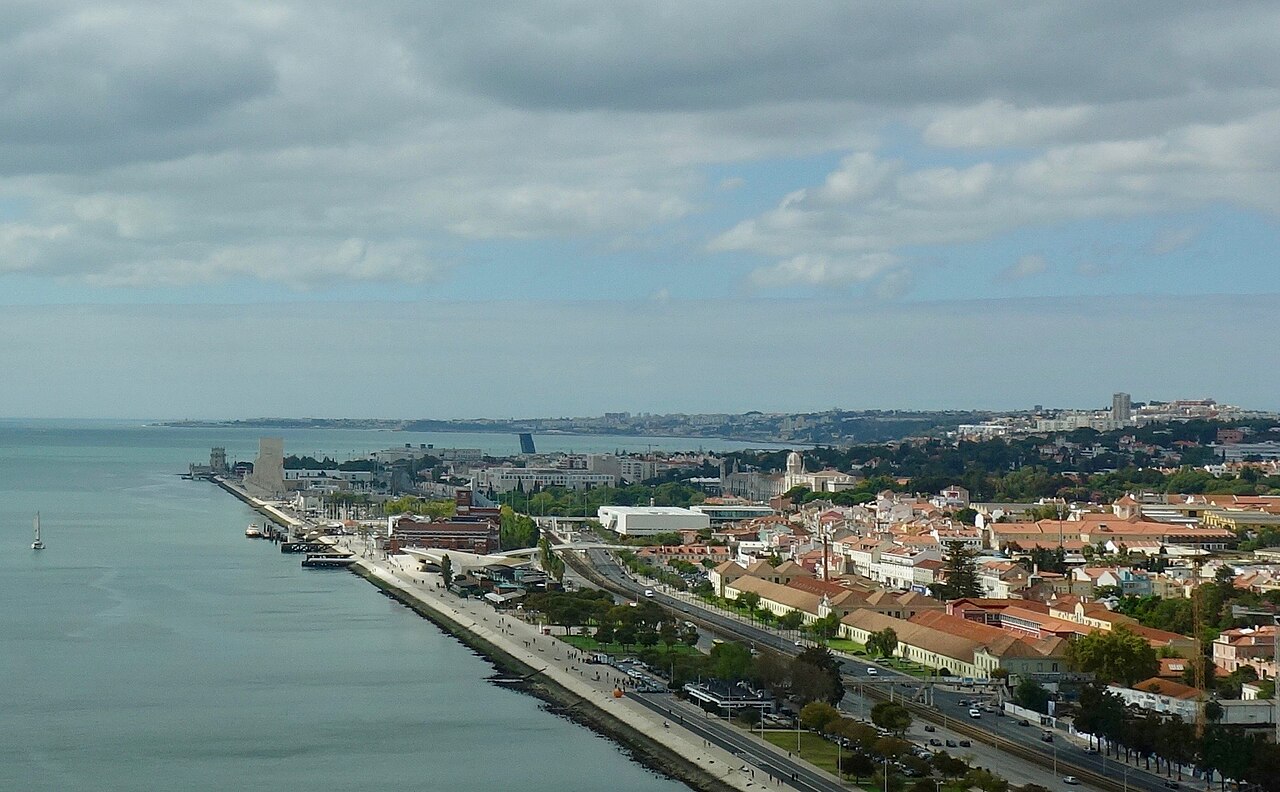
2 min walk
Pilar 7 Experience
- Notable
- Museum
Language · 11 published
Museum · Lisbon
Museu da Carris
Closed today, Sunday. Next open Monday at 10:00 — the planner will not place a stop here on a Sunday.
Plan around itReviewed by Elena Voss · Roavina Travel Editor
| Monday | 10:00 – 18:00 |
|---|---|
| Tuesday | 10:00 – 18:00 |
| Wednesday | 10:00 – 18:00 |
| Thursday | 10:00 – 18:00 |
| Friday | 10:00 – 18:00 |
| Saturday | 10:00 – 18:00 |
| Sunday | Closed |
Closed to visitors between 13:00 – 14:00
Parsed from OpenStreetMap opening hours on 2026-09-09.
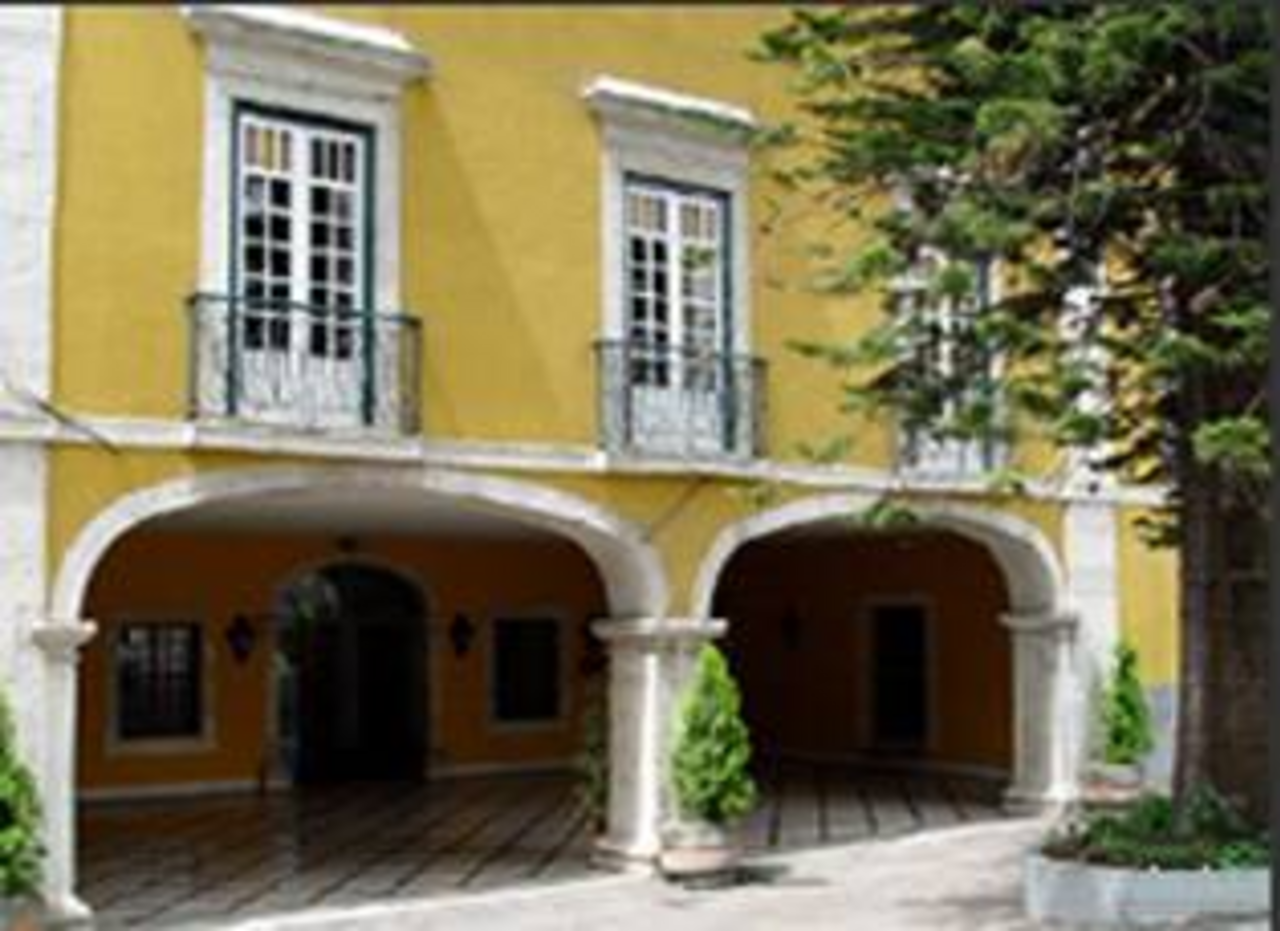
This place is a Museum. It was established in 1999.
The Carris Museum, or Museu da Carris, traces the history of Lisbon’s public transport through the company that operates the city’s trams, buses, and funiculars. It preserves the vehicles, equipment, signs, tickets, and documents that shaped everyday movement through the capital. The museum links technical development with social history, showing how transport changed Lisbon’s streets and the experience of urban life. The Carris Museum, known locally as Museu da Carris, is a transport museum in Lisbon dedicated to the history of public transit in the Portuguese capital. Carris is the historic municipal transport company operating trams, buses, and funiculars. The museum preserves vehicles, equipment, and documentation tracing Lisbon's urban mobility heritage. It occupies premises associated with the company's operational history. The collection represents one of the most significant accumulations of Portuguese public transport material culture, reflecting both technical evolution and social change in the city over more than a century of service. The museum's specialised transport focus appeals most strongly to enthusiasts. Young children may find limited interactive elements compared to science centres. Parental judgement should consider individual interests.
Checked 2026-08-26 · Source
The collection includes vintage trams, buses, and related rolling stock, together with operational equipment, signage, ticketing apparatus, and archival material. Displays follow the development of public transport from earlier systems through electric traction and motor buses. Visitors can study vehicle interiors, mechanical details, historic liveries, and the narrow-gauge tram network that remains one of Lisbon’s defining urban symbols. The museum's holdings include vintage trams, buses, and related rolling stock that operated on Lisbon's streets. Exhibits encompass historical vehicles in various states of preservation, alongside equipment, signage, ticketing apparatus, and archival materials. The collection illustrates the transition from animal-drawn vehicles through electric traction to motor bus operation. Visitors can examine the design and engineering characteristics of historic public transport. Interpretive displays explain operational practices and the development of Lisbon's distinctive narrow-gauge tram network, which remains internationally recognised for its cultural significance and continued daily function.
Checked 2026-08-26 · Source
Most visitors should allow one to two hours. Transport enthusiasts can spend longer examining vehicle construction, equipment, signage, and the details of preserved interiors. A shorter visit still gives a clear introduction to Lisbon’s transit history if your day is busy. The museum works particularly well before or after riding one of the city’s historic tram routes, allowing the displays to add context to the living network outside.
Checked 2026-08-26 · Source
The indoor setting makes the Carris Museum a useful choice when rain or strong sun makes outdoor sightseeing less comfortable. Morning can provide a calmer atmosphere for reading labels and inspecting vehicles. Summer is generally busier across Lisbon, while the museum’s specialist subject gives the day a change of pace from monuments and viewpoints. Pairing it with a tram journey creates a coherent transport-themed section of an itinerary.
Checked 2026-08-26 · Source
The museum visit is focused on preserved transport heritage rather than a ride-based attraction. Its strongest value comes from seeing the vehicles and operational material together, then comparing them with the trams, buses, and funiculars still serving Lisbon. The collection suits visitors who enjoy engineering, design, city history, or the social routines of commuting. Allow time to inspect both large vehicles and small artifacts.
Checked 2026-08-26 · Source
Plan the museum as part of Lisbon’s wider public transport network. Carris services connect many historic districts, and the metro can be combined with onward surface transport. Walking may be practical depending on your starting point, though Lisbon’s hills can make the distance feel longer. A taxi or ride service is the simplest direct option. A current journey planner is useful when coordinating the museum with a tram route or another district.
Checked 2026-08-26 · Source
Historic vehicles may have steps, narrow passages, or period layouts that differ from modern accessibility standards. The museum’s industrial character also means that floors and display areas may not feel like a contemporary interactive center. Young children who enjoy vehicles can find plenty to inspect, while visitors seeking broad art or history displays may prefer a shorter visit. Keep belongings secure when using crowded Lisbon trams on the way there or onward.
Checked 2026-08-26 · Source
The preserved trams and buses provide strong subjects through their painted liveries, polished fittings, controls, seats, signs, and historic advertising. Wide views show the scale of the vehicles, while close details reveal how passengers and staff interacted with the network. Indoor lighting can be uneven, so look for reflective surfaces and framing that separates one vehicle from another. Keep aisles clear and give other visitors room around popular exhibits.
Checked 2026-08-26 · Source
The museum displays vintage trams, buses, rolling stock, operational equipment, signs, ticketing material, archival documents, and objects showing Lisbon’s public transport history.
Allow one to two hours. Transport enthusiasts may stay longer to study vehicle interiors, mechanical details, historic equipment, and the development of Lisbon’s tram network.
Yes. Its displays cover the development of Lisbon’s public transport, including electric traction, historic trams, motor buses, equipment, tickets, and the city’s narrow-gauge tram network.
Yes. Carris operates Lisbon’s trams, buses, and funiculars, while the museum preserves historical vehicles and material from that continuing transport institution.
Yes. Visitors interested in engineering, vehicle design, urban history, or public transport can examine preserved trams, buses, controls, signs, tickets, and operational equipment in detail.
Pair the museum with a journey on Lisbon’s current tram or bus network. The preserved vehicles and displays provide useful context for the transport system still operating across the city.
Loading the interactive map…
The interactive map could not be loaded.

Last updated:
Source: OpenStreetMap contributors, Wikidata ·