
2 min walk
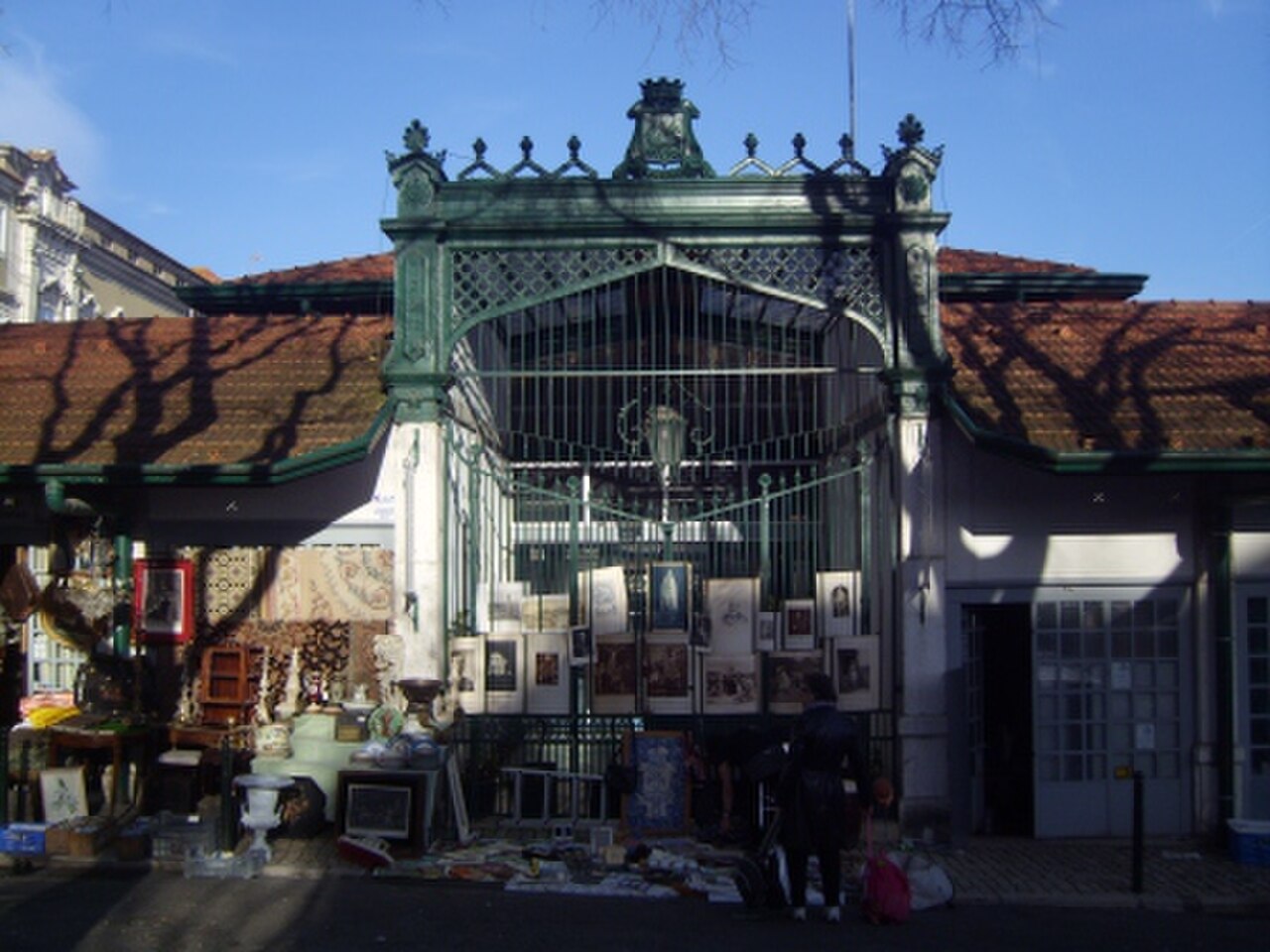
Santa Clara market
- High
- Market
Place of worship · Lisbon
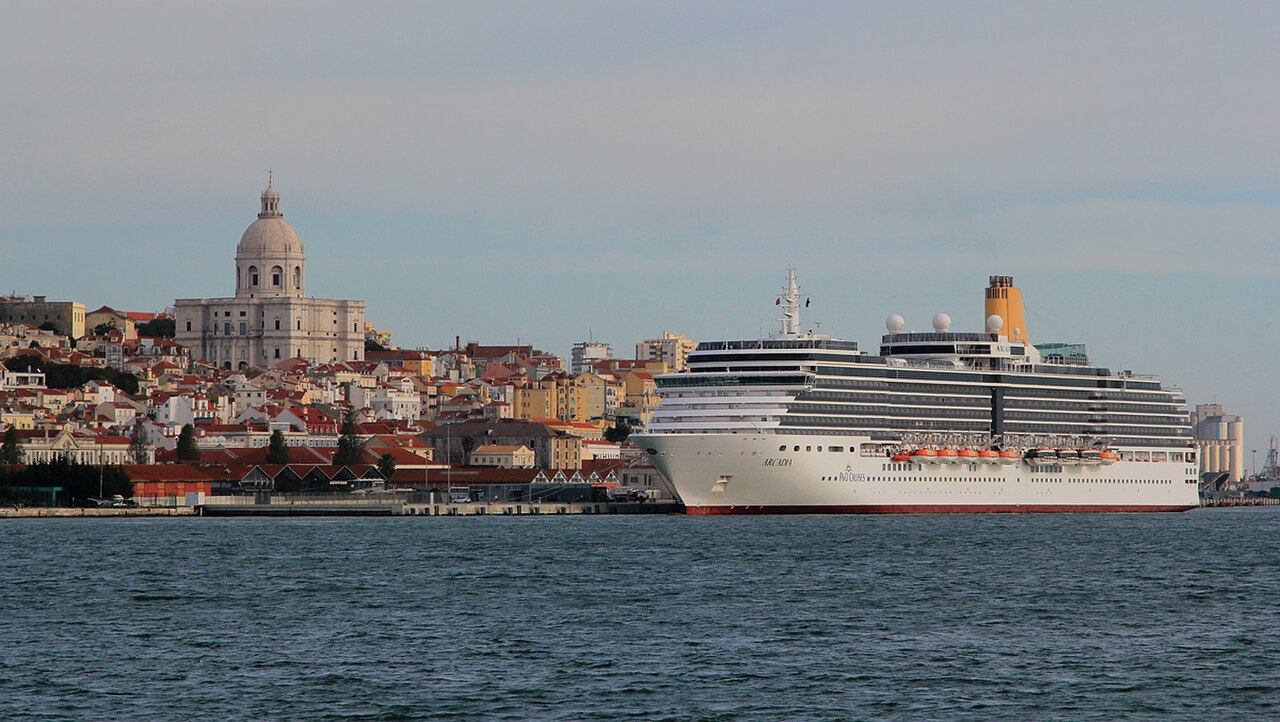
Panteão Nacional
Closed today, Monday. Next open Tuesday at 10:00 — the planner will not place a stop here on a Monday.
Plan around it| Monday | Closed |
|---|---|
| Tuesday | 10:00 – 18:00 |
| Wednesday | 10:00 – 18:00 |
| Thursday | 10:00 – 18:00 |
| Friday | 10:00 – 18:00 |
| Saturday | 10:00 – 18:00 |
| Sunday | 10:00 – 18:00 |
Checked 2026-08-31 · Source
| Per person | €10.00 |
|---|
Checked 2026-08-31 · Source
Read from the OpenStreetMap access tags; anything not listed has no tag recorded.
Set the group type to family in the planner and the day window contracts to about three quarters of a solo day.
The National Pantheon is the Church of Santa Engrácia, a Baroque monument standing on Campo de Santa Clara on a hill in eastern Lisbon, above the Tagus and behind the Alfama. Its construction took so long that it entered the language: obras de Santa Engrácia, the works of Santa Engrácia, is still the Portuguese phrase for a job that never ends. The parish was authorised in 1568 and work on the first church began around 1570. That building was never finished either. April–September: Tuesday–Sunday 10:00–18:00. October–March: Tuesday–Sunday 10:00–17:00.
Checked 2026-08-31 · Source
The plan is a Greek cross with four arms of equal length, joined outside by undulating walls and marked at the corners by four turrets, a shape unlike anything else built in Portugal at the time. Inside, coloured marble covers floor and walls and the dome rises to 80 metres. Six cenotaphs stand in the nave, memorials holding no remains: Luís de Camões, Vasco da Gama, Nuno Álvares Pereira, Afonso de Albuquerque, Pedro Álvares Cabral and Infante D. Henrique.
Checked 2026-08-31 · Source
Allow about an hour and a quarter. The operator publishes no suggested visit length, so 75 minutes is this guide's own estimate, and it divides roughly as follows: fifteen to twenty minutes in the central nave reading the six cenotaphs and looking up into the dome, twenty minutes working around the four tomb chambers, ten in the interpretive centre and the temporary exhibition room, and twenty on the terrace, which is where most people lose track of the time. General admission: €10.00.
Checked 2026-08-31 · Source
The Pantheon is closed every Monday, which is the single most useful thing to know about it, and closed on 1 January, Easter Sunday, 1 May, 13 June and 25 December. From April to September it opens Tuesday to Sunday from 10.00 to 18.00, with last admission at 17.40. April–September: Tuesday–Sunday 10:00–18:00. October–March: Tuesday–Sunday 10:00–17:00. Visitors with reduced mobility can access the central nave and the tomb rooms on the ground floor. The entrance has permanent ramps, but the upper levels are not step-free from the ground floor: the building’s lift operates only between the first and third floors.
Checked 2026-08-31 · Source
A standard ticket is 10.00 euros per person. The ticket office takes cash, Visa and chip-and-PIN cards, and tickets can also be bought in advance through the Museus e Monumentos de Portugal online ticketing service. Residents of Portugal are entitled to free admission on 52 days a year, on dates of their own choosing. General admission: €10.00. Visitors with reduced mobility can access the central nave and the tomb rooms on the ground floor. The entrance has permanent ramps, but the upper levels are not step-free from the ground floor: the building’s lift operates only between the first and third floors.
Checked 2026-08-31 · Source
No car is needed and none is wanted. From the centre, the simplest approach is the metro: Santa Apolónia on the blue line, which is also the mainline railway station, leaves under a ten-minute walk uphill through one of the most lived-in parts of the city. The named stops Panteão Nacional and Campo de Santa Clara are a few minutes from the entrance. They are served by buses 704, 712, 728, 734, 735, 745, 759, 781 and 782, plus tram 28. Santa Apolónia railway station and Santa Apolónia metro station on the Blue Line are under a 10-minute walk away. The entrance address is Campo de Santa Clara, 1100-471 Lisboa.
Checked 2026-08-31 · Source
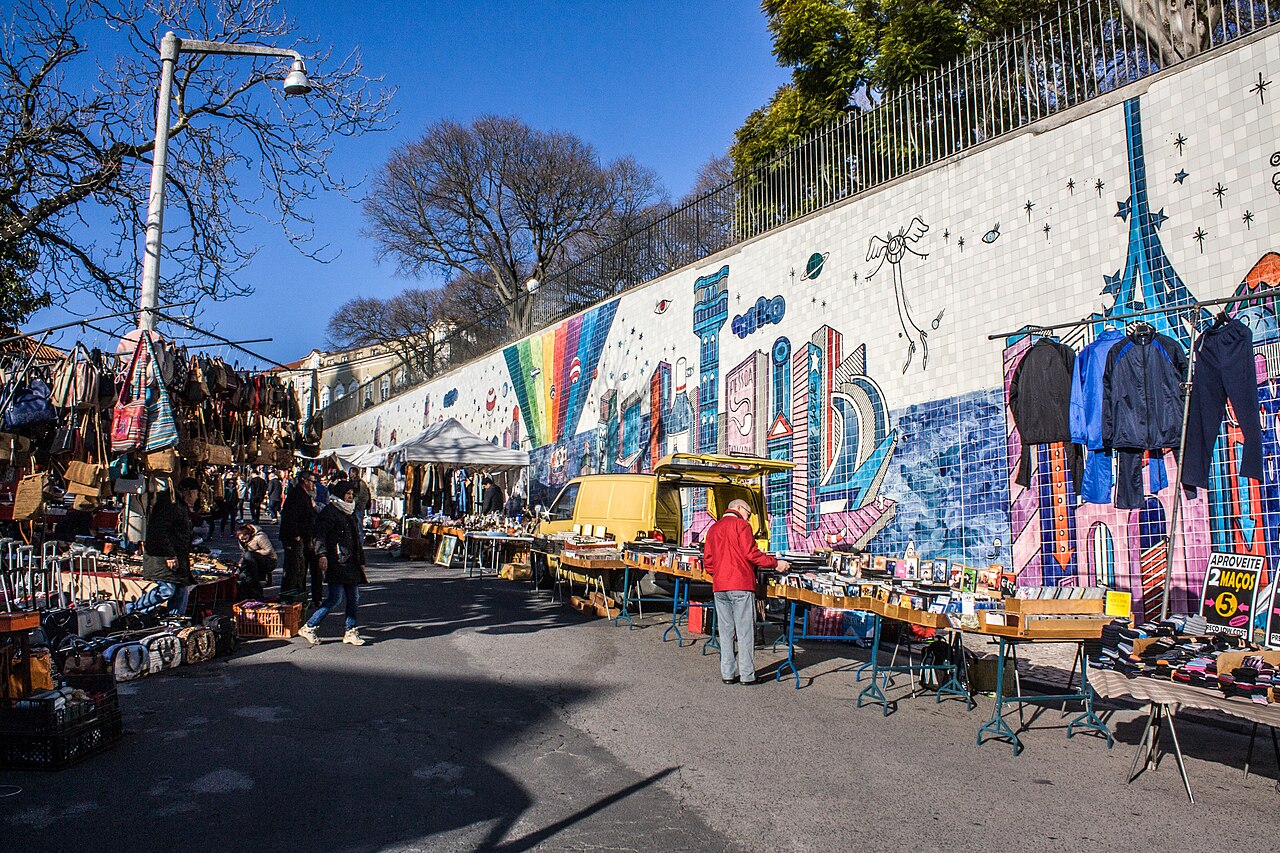
Three things catch visitors out. The first is Monday: the monument is shut, and so is a good deal of the surrounding museum quarter. The second is last admission, twenty minutes before the doors close, which buys a hurried circuit rather than a visit. The third is the market. Inside, smoking and eating are prohibited throughout the visiting circuit. Visitors with reduced mobility can access the central nave and the tomb rooms on the ground floor. The upper galleries and terrace therefore require stairs. The former Church of Santa Engrácia is Portugal’s National Pantheon. Although conceived as a church, the building never opened for worship.
Checked 2026-08-31 · Source
The interior is a hard, rewarding subject: a tall white and coloured-marble space lit indirectly, with the dome 80 metres above the crossing and very little to stand on. A wide lens and a steady hand are worth more here than a long one, and the best exposures come from the arms of the cross looking back across the nave rather than from directly under the dome. The terrace is the other picture, and a different discipline. The former Church of Santa Engrácia is Portugal’s National Pantheon. Although conceived as a church, the building never opened for worship.
Checked 2026-08-31 · Source
The former Church of Santa Engrácia is Portugal’s National Pantheon. Although conceived as a church, the building never opened for worship.
João Antunes designed the rebuilding; its first stone was laid on 31 August 1682.
The works ended on 7 December 1966. Their duration inspired the Portuguese expression “Obras de Santa Engrácia” for work with no end in sight.
The ground-floor tomb rooms contain figures including presidents Manuel de Arriaga, Teófilo Braga, Sidónio Pais and Óscar Carmona; writers Almeida Garrett, Aquilino Ribeiro, Guerra Junqueiro, João de Deus, Sophia de Mello Breyner Andresen and Eça de Queiroz; Amália Rodrigues, Eusébio da Silva Ferreira and Humberto Delgado.
The central nave has cenotaphs—memorials without the person’s remains—for Luís de Camões, Vasco da Gama, Nuno Álvares Pereira, Afonso de Albuquerque, Pedro Álvares Cabral and Henry the Navigator.
The dome rises to 80 metres, while the terrace is 40 metres above ground and overlooks Lisbon and the Tagus.
Loading the interactive map…
The interactive map could not be loaded.
Last updated:
Source: OpenStreetMap contributors, Wikidata ·