


.png)

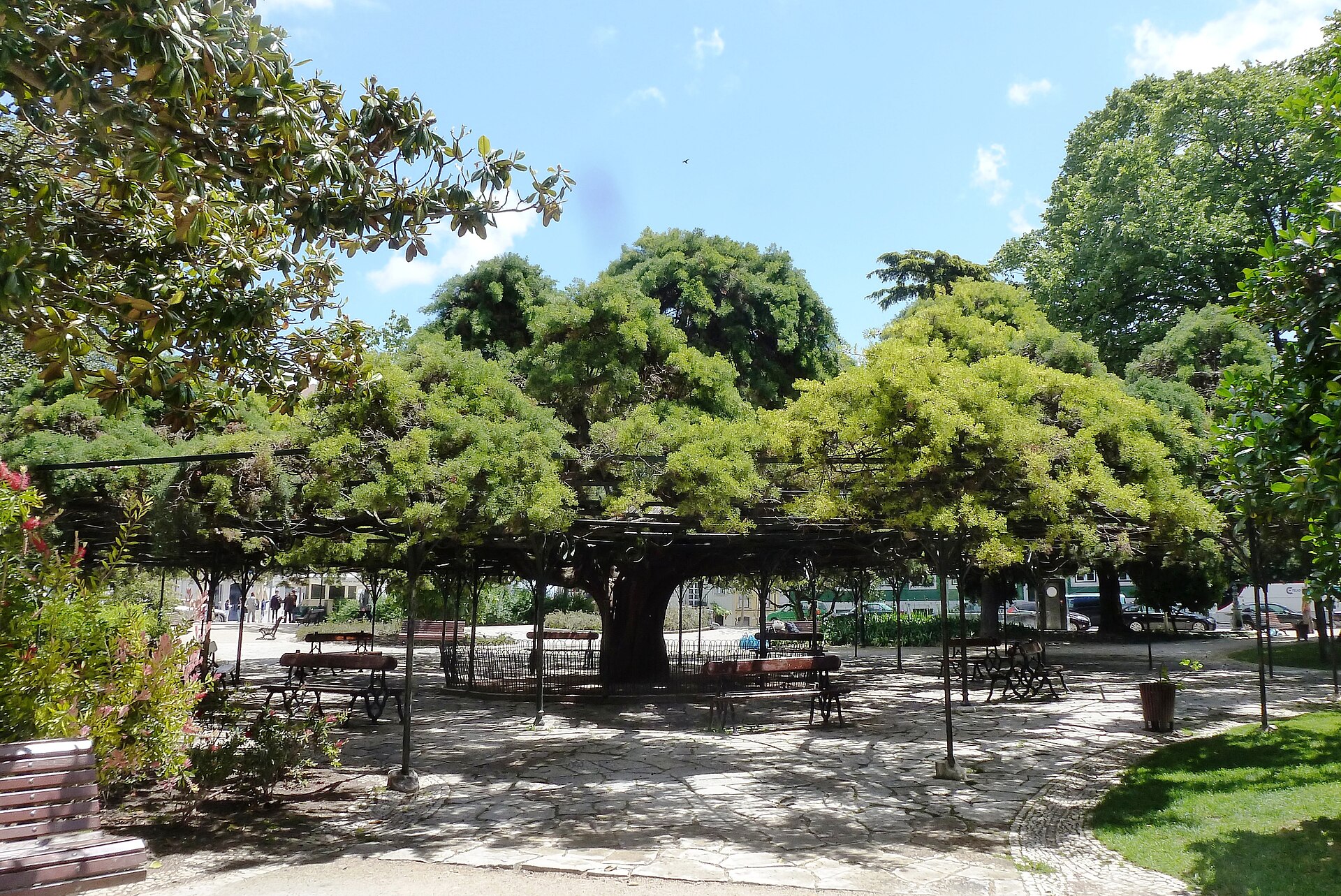
3 min walk
Jardim do Príncipe Real
- Must see
- Nature site
Language · 11 published
Historic monument · Lisbon
Reviewed by Elena Voss · Roavina Travel Editor
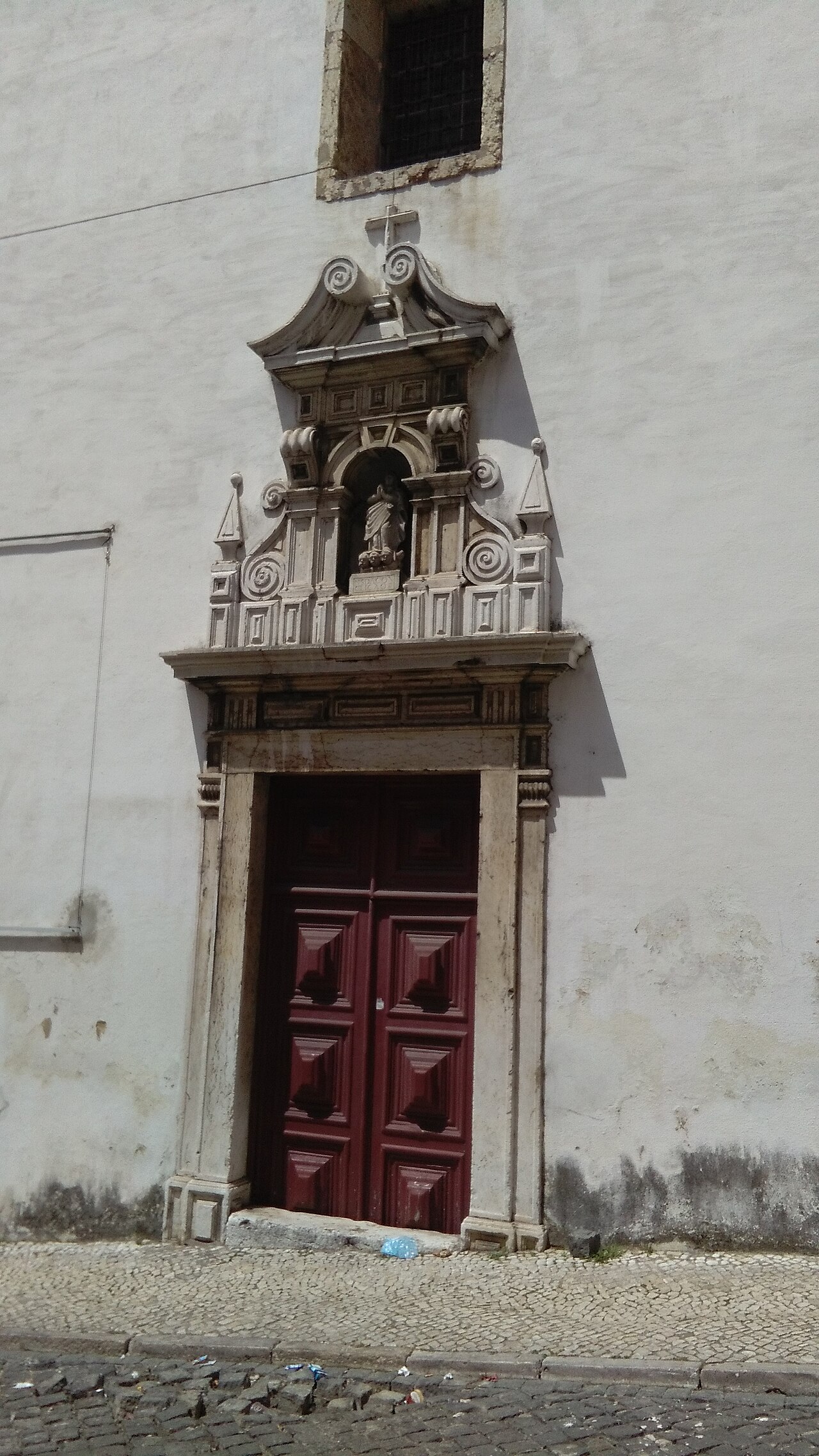
It carries the Immovable Cultural Heritage of Public Interest heritage designation.
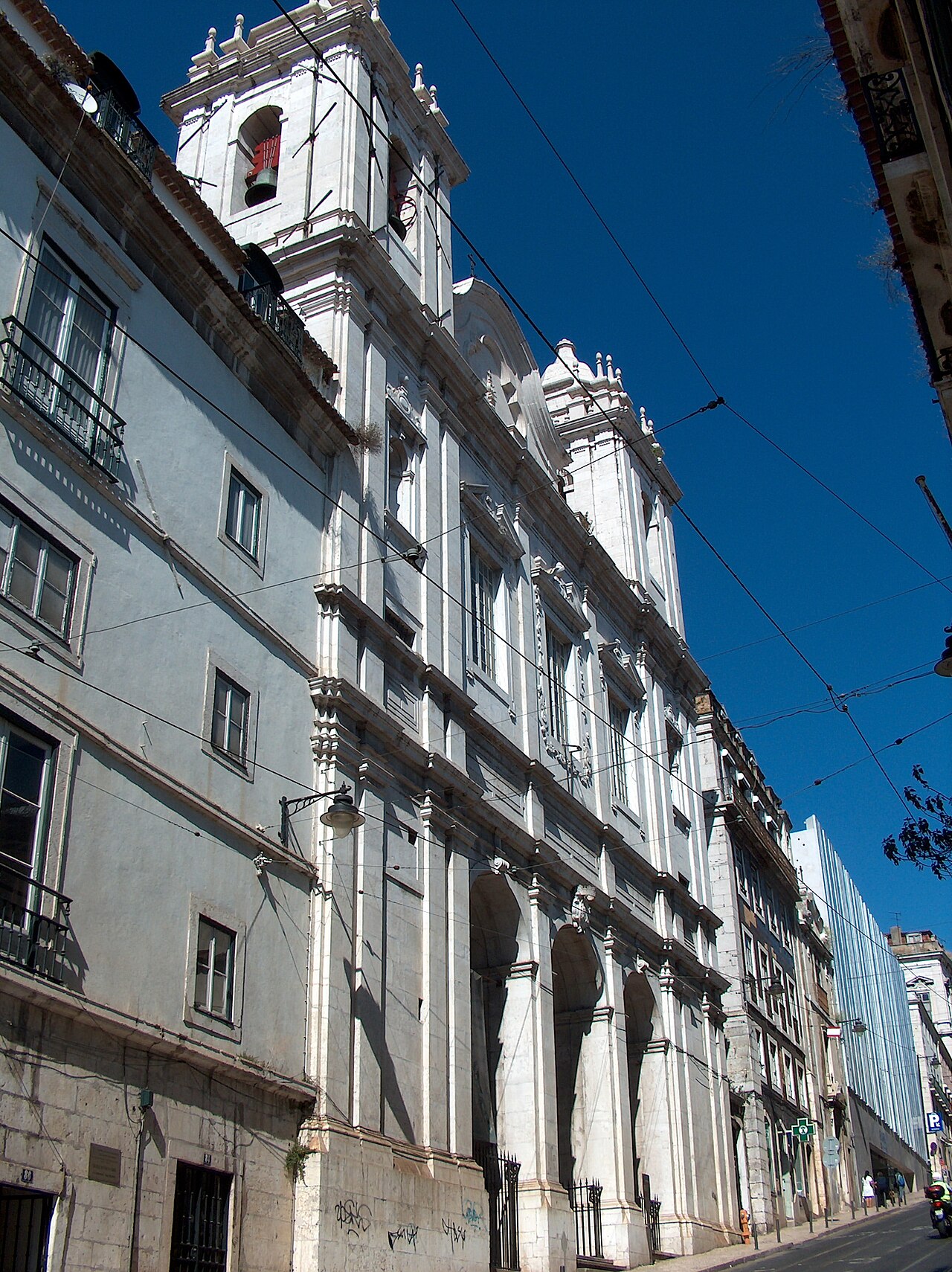
Convento dos Cardais is a convent in Lisbon and part of the city’s broad religious heritage. A convent is a place shaped by religious community life, residence, worship, and the architectural needs of that community. The site belongs to Lisbon’s historic urban fabric, where ecclesiastical institutions have influenced the city’s buildings and neighbourhoods over centuries. For a traveller, Convento dos Cardais offers a chance to include monastic heritage in a Lisbon itinerary and to notice how religious places sit within the capital’s older streets. The visit is best approached as a heritage encounter with a convent site, rather than as a conventional entertainment venue. Its identity comes from the building’s religious character and its place in Lisbon’s monastic tradition.
Checked 2026-08-26 · Source
Convento dos Cardais should be understood first as a religious complex rather than as a named museum collection. Convent architecture is associated with spaces for worship, residence, and communal religious life, and those functions explain why the site belongs to Lisbon’s ecclesiastical heritage. The supplied description identifies the place as a convent but does not name individual chapels, cloisters, artworks, rooms, or interpretive displays. Travellers can therefore focus on the character of the convent site and its relationship with the surrounding historic city. The building’s value lies in recognising the presence of monastic institutions within Lisbon’s urban development, while the experience remains quieter and more architectural than an attraction built around formal exhibits.
Checked 2026-08-26 · Source
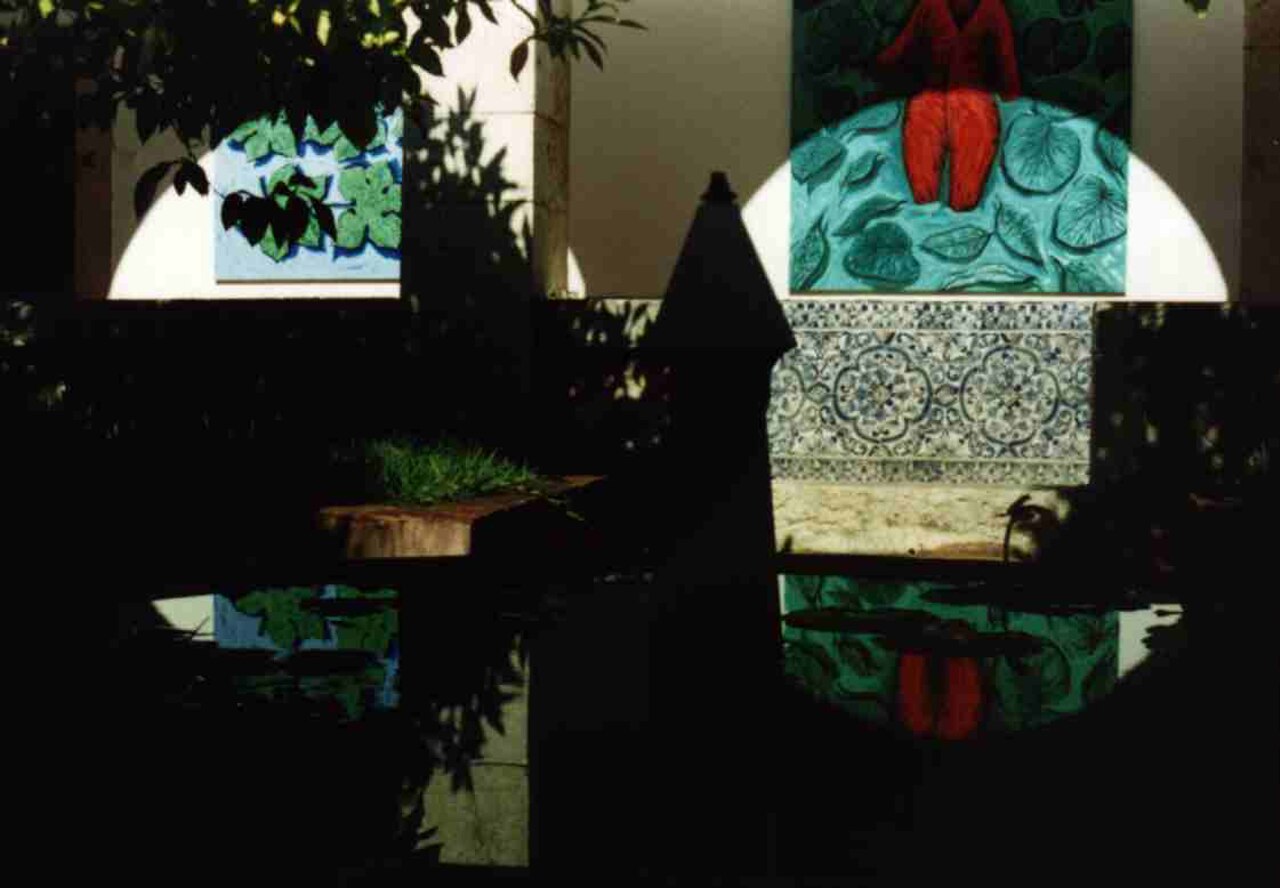
Set aside a short, flexible stop for Convento dos Cardais, then continue through Lisbon’s historic area. The supplied place description identifies the convent and its religious heritage but gives no defined visitor route, exhibition sequence, or timed programme. That makes the site better suited to inclusion within a broader walk than to a full-day plan built around interior activities. The right amount of time depends on the extent of the convent that can be experienced during the visit. Travellers interested in Lisbon’s monastic tradition can pause to study the building and its setting, then use the surrounding streets to extend the heritage experience.
Checked 2026-08-26 · Source
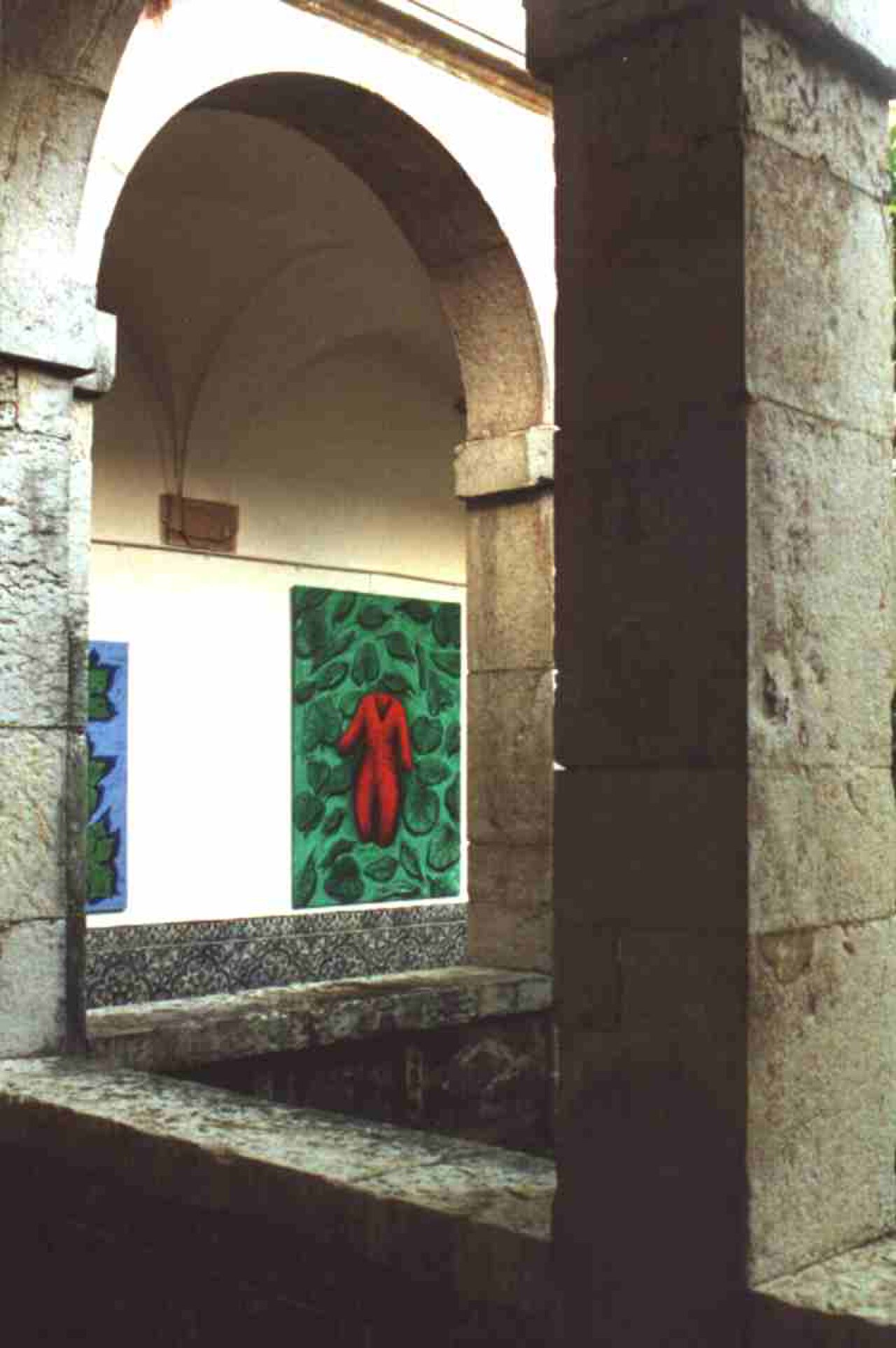
Visit Convento dos Cardais as part of a daytime Lisbon heritage walk, when the surrounding historic streets are easiest to read and the building can be appreciated in its urban context. Religious sites can have access patterns shaped by worship, community life, and liturgical dates, so flexibility is important. The convent’s character is not tied to one seasonal spectacle; its interest comes from the continuity of monastic heritage within Lisbon. A daytime route also leaves room to combine the convent with other religious buildings and historic streets rather than making a separate journey for a single short stop. The atmosphere of the surrounding city is part of the experience.
Checked 2026-08-26 · Source
Convento dos Cardais is identified as a convent, but the supplied place description does not list a fixed admission amount, ticket office, timed entry, or combined ticket. Travellers should therefore plan around the site’s religious and heritage character rather than around a priced museum visit. Lisbon religious properties can use different arrangements, including free access or donations, depending on their function and management. The simplest itinerary is to combine the site with a wider walk through Lisbon’s historic religious landscape.
Checked 2026-08-26 · Source
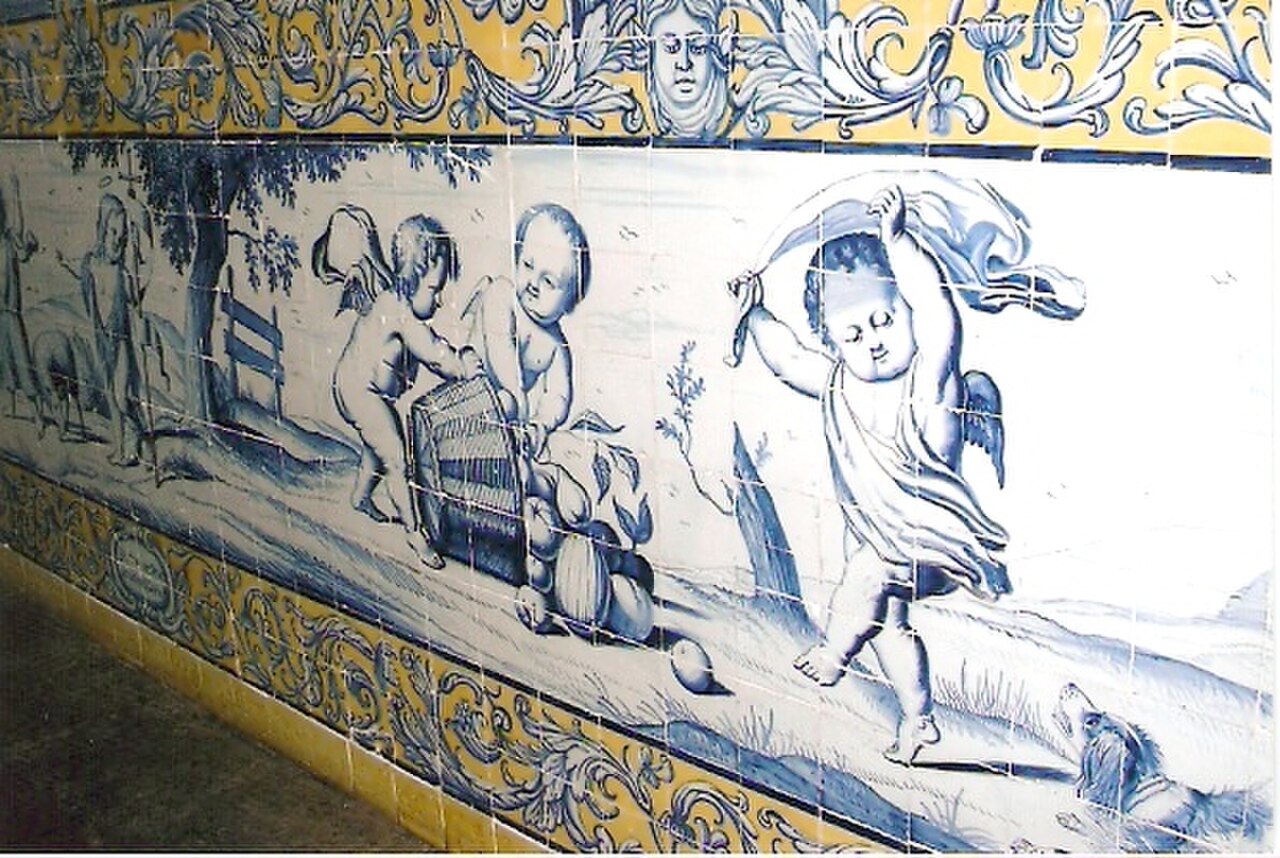
Convento dos Cardais is within Lisbon’s urban area, whose transport network includes metro, buses, trams, and commuter rail. The immediate street address and nearest stop are not identified in the supplied place description, so the convent name should be used with a current city map for the final approach. Lisbon’s historic districts often involve gradients, uneven paving, and narrow passages, making walking conditions relevant even when public transport covers most of the journey. A taxi or ride service can shorten the approach through the city, while a walking route gives more context about the religious buildings and older urban fabric around the convent.
Checked 2026-08-26 · Source
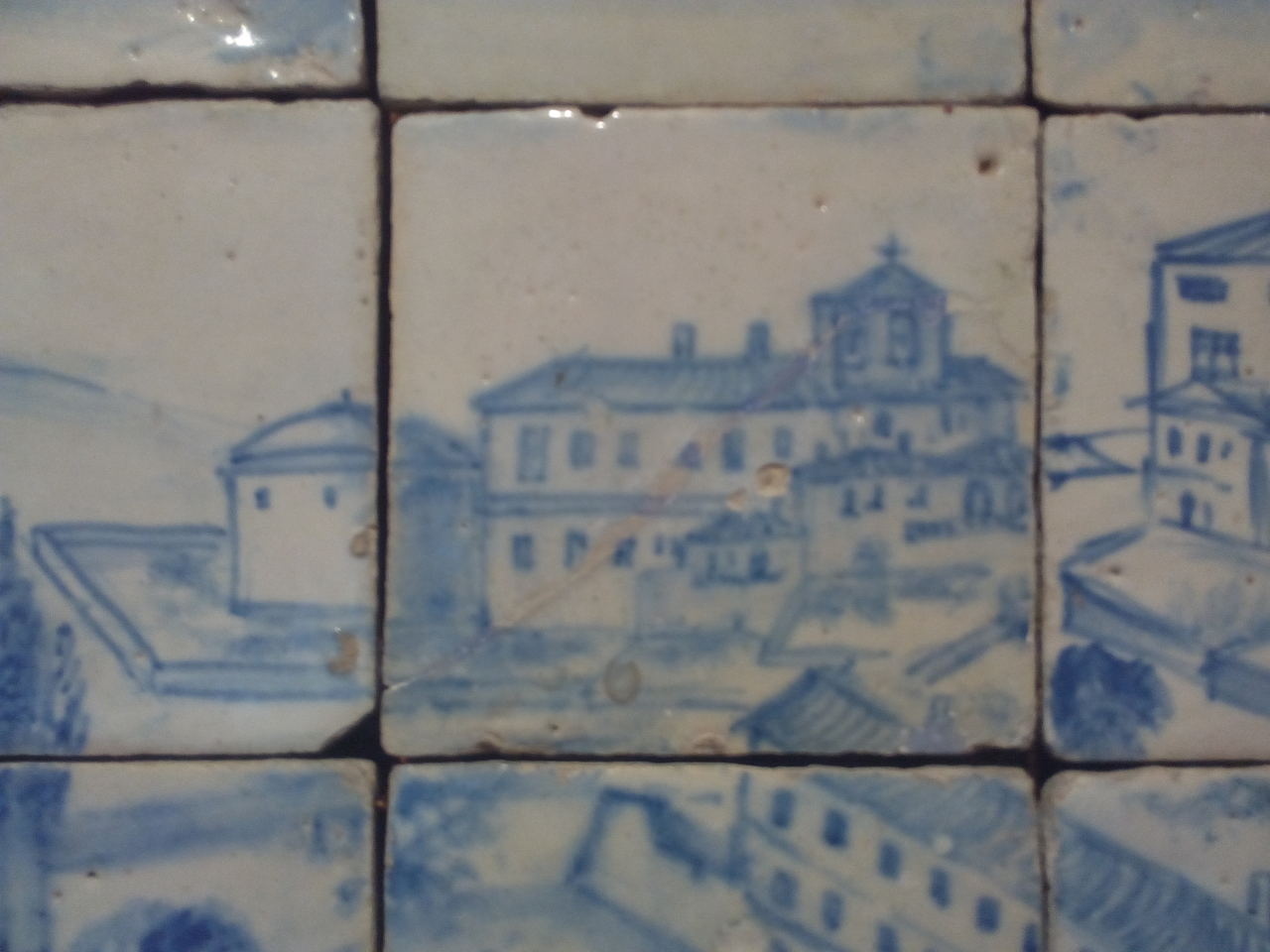
Treat Convento dos Cardais as a religious heritage site and give priority to quiet, respectful behaviour. Dress and photography expectations may reflect the building’s sacred character, especially if religious community activity takes place. Lisbon’s older streets can include steep gradients, uneven paving, and narrow passages, so the approach may require more effort than the brief stop itself. Keep belongings secure in the metropolitan surroundings and remain aware of other pedestrians. The convent’s identity is religious and architectural, not entertainment-focused; visitors should avoid expecting a large commercial complex or a fully structured attraction. Local cues and any instructions at the site should guide conduct during the visit.
Checked 2026-08-26 · Source
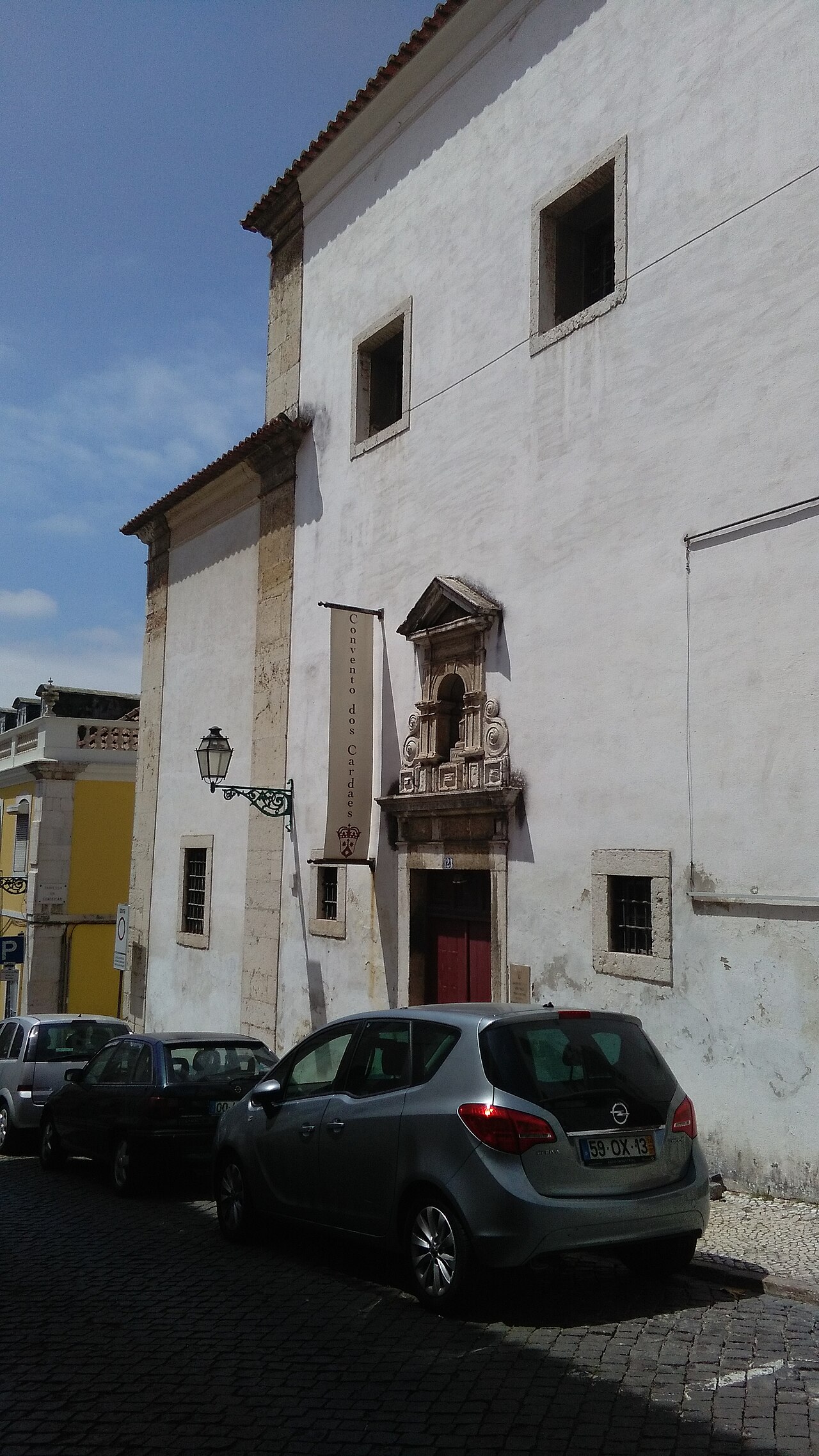
Convento dos Cardais can be photographed as part of Lisbon’s historic religious landscape, with attention to the building’s exterior relationship with the surrounding streets. Interior photography requires greater care because convent spaces are connected with worship, community life, privacy, and religious heritage. Flash can disturb people and is unsuitable around sensitive historic surfaces. Large equipment or a tripod may obstruct narrow passages or interfere with quiet activity. Photograph only where permitted, keep people engaged in prayer or community life out of close personal images, and follow any site instructions. The strongest approach is restrained architectural photography that records the convent’s presence in Lisbon without turning a religious setting into a staged backdrop.
Checked 2026-08-26 · Source
It is a convent in Lisbon and part of the city’s religious and monastic heritage.
The site offers a heritage-oriented encounter with Lisbon’s convent tradition and historic urban fabric rather than a conventional entertainment venue.
Include it as a short, flexible stop within a wider daytime walk through Lisbon’s historic religious and architectural landscape.
Lisbon’s metro, bus, tram, and commuter-rail network serves the city; use the convent name with a current map for the final approach.
Expect Lisbon’s historic streets to include gradients, uneven paving, and narrow passages, and behave respectfully because the site has a religious character.
Focus on restrained exterior architecture and the convent’s place in Lisbon’s streetscape; inside, avoid flash and follow any site instructions.
Loading the interactive map…
The interactive map could not be loaded.
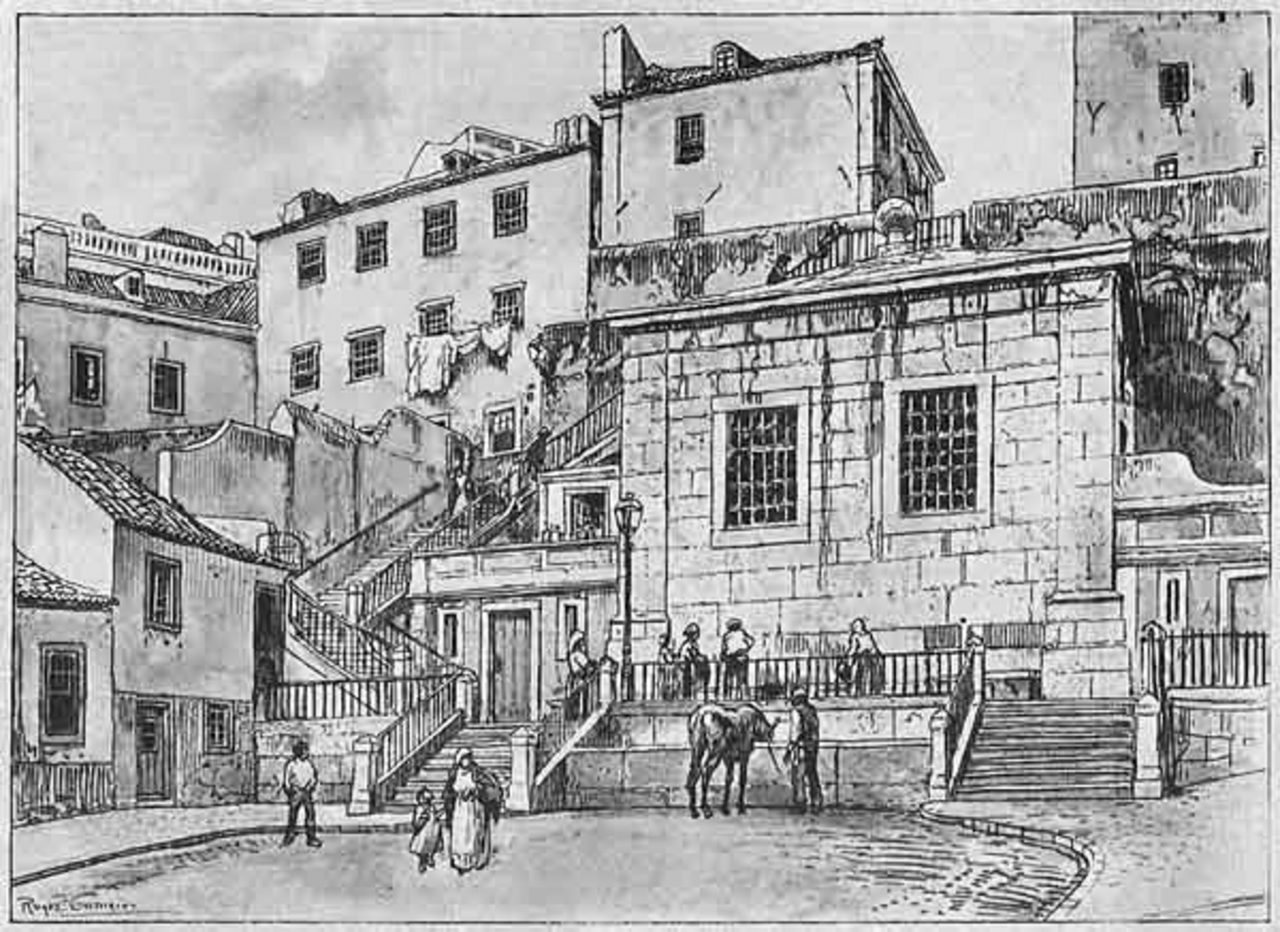
Last updated:
Source: OpenStreetMap contributors, Wikidata ·