
3 min walk
Belém Palace
- Must see · Heritage site
- Historic monument
Nature site · Lisbon
Jardim Botânico Tropical is a specialised Lisbon garden devoted to tropical and subtropical vegetation, with an identity shaped by Portugal’s botanical interest in overseas territories. Its living collections belong to a cultivated landscape where horticulture and history are inseparable. Rather than functioning as a general city park or Lisbon’s principal botanical garden, it offers a focused setting for seeing how plants from distant regions became subjects of cultivation, study, and display. The result is a compact urban visit with a distinctly botanical and historical character, suited to travellers interested in plants, landscape design, and Portugal’s overseas botanical connections.
Checked 2026-09-02 · Source
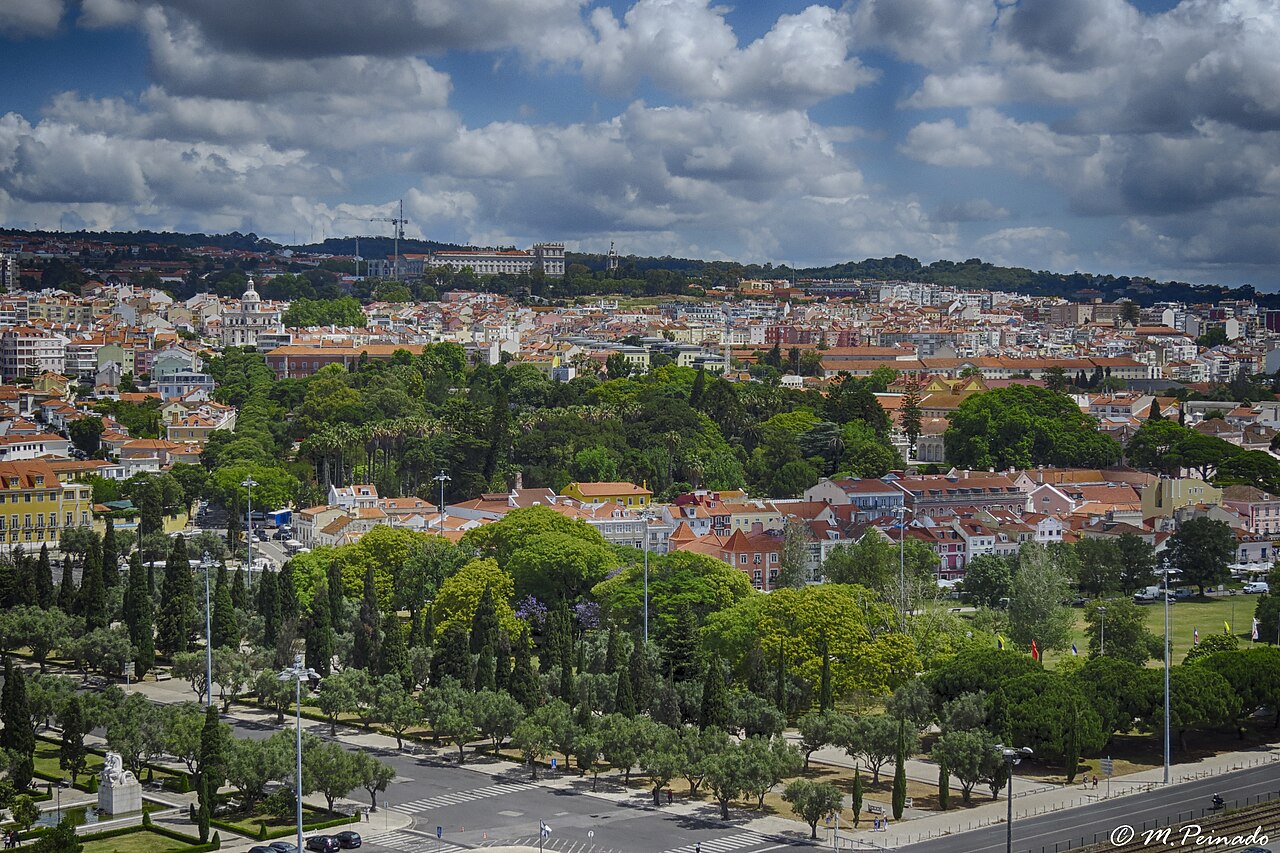
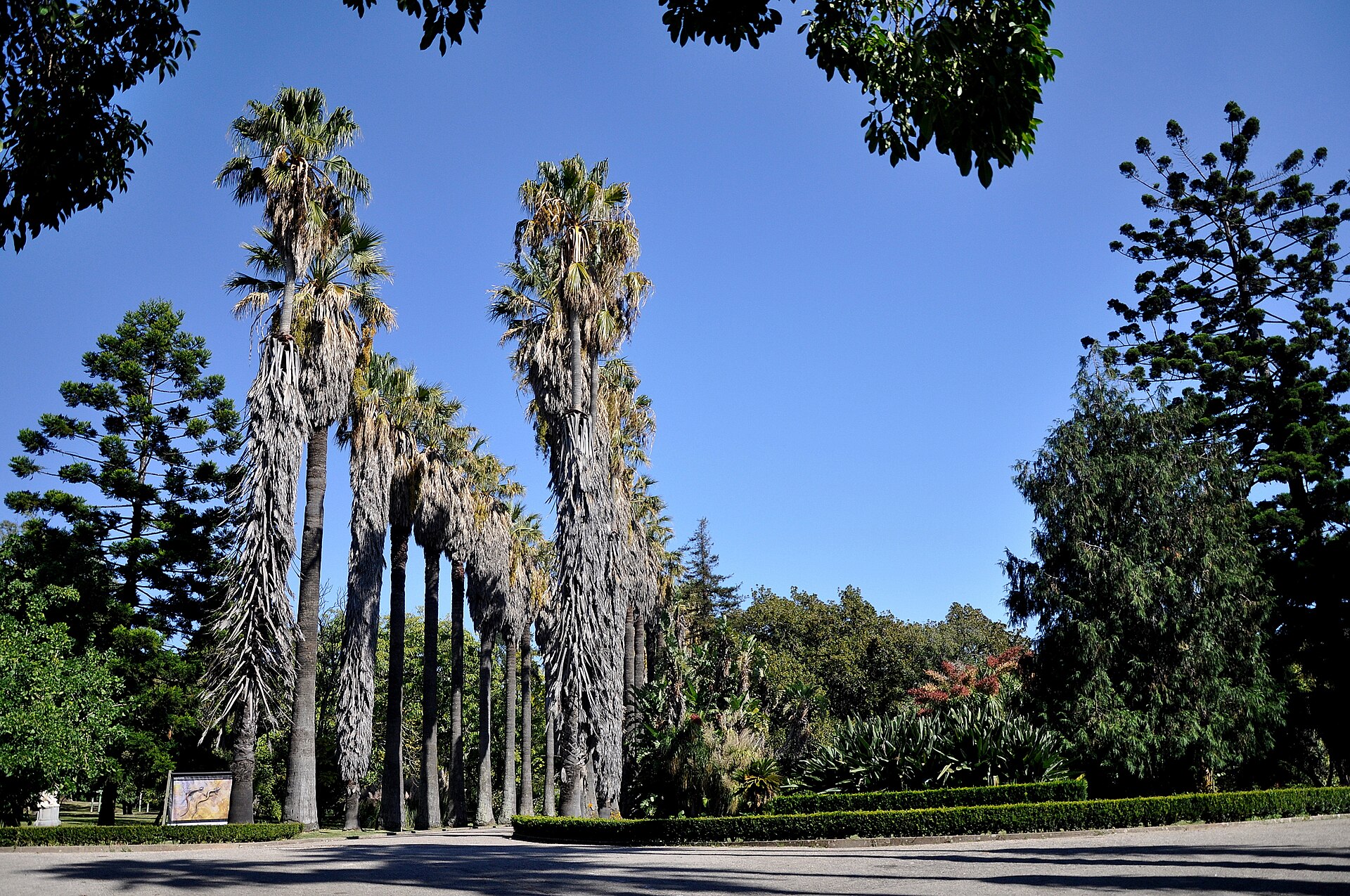
Expect an outdoor landscape organised around planted areas and paths rather than a conventional indoor exhibition. Tropical and subtropical vegetation supplies the main visual interest, with leaf shape, texture, scale, shade, and openness changing as you move through the garden. Look at individual specimens within the wider planting structure, not only at isolated flowers or dramatic trees. The collections also carry historical meaning through botanical exchange linked with Portugal’s former overseas territories. A rewarding circuit combines close observation of living plants with attention to the designed landscape around them, including the contrasts between dense foliage and more open garden spaces.
Checked 2026-09-02 · Source
Allow about 60 to 90 minutes for a first circuit. That gives enough time to follow the principal paths, compare tropical and subtropical planting, pause in shaded areas, and take photographs without turning the visit into a hurried checklist. Visitors who read labels closely or have a particular interest in botany and garden history may prefer longer. Treat the garden as a walking stop rather than a landmark viewed only from an entrance. It also fits naturally into a broader Lisbon day, provided the itinerary leaves room for an unhurried circuit through the planted areas and time to notice changes in light, foliage, and garden scale.
Checked 2026-09-02 · Source
Morning or late afternoon is generally the more comfortable choice during Lisbon’s warmer months, particularly if you intend to complete the whole circuit on foot. Earlier or softer light can bring out layers of foliage, leaf texture, and the relationship between shaded and exposed planting. Midday may feel hotter in open sections, so plan accordingly if you are sensitive to sun or travelling with children. The garden’s tropical character makes changing light part of the experience, while a slower pace lets you observe the collections and garden structure more closely. These periods also leave more room for deliberate plant photography without the strongest glare on exposed leaves.
Checked 2026-09-02 · Source
No admission price is recorded for Jardim Botânico Tropical. The available information does not establish advance booking, concessions, group admission, payment methods, or separate charges within the garden. Avoid transferring a price from Lisbon’s other botanical gardens, a listing, or an itinerary source: those figures would describe another place. This guide therefore records no fare and no confirmed ticket procedure. Any visit planned around admission should use information issued by the responsible institution when arranging entry, because a price or booking rule from another Lisbon attraction would be misleading here.
Checked 2026-09-02 · Source
Jardim Botânico Tropical lies within Lisbon’s urban area and can be paired with other stops reached through the city’s wider transport network. Buses, trams, metro, suburban rail, taxis, and ride services all form part of Lisbon’s transport mix, but the useful combination depends on where your day begins and which destination pin is current. Check a current transport map for the exact garden location, then allow walking time from the selected stop. A taxi or ride service can make the final approach simpler when route changes are inconvenient. Build the garden into a sequence that leaves enough time for its paths and planted areas.
Checked 2026-09-02 · Source
Plan for an outdoor walking environment. Wear shoes suitable for garden paths, carry water in warm weather, and use sun protection where planting does not provide continuous shade. Step-free access is limited, and the available description does not establish path surfaces, gradients, or a complete wheelchair route. Stay on marked paths, keep clear of planted beds, and follow signs or staff instructions. Vegetation also means insects are a normal possibility. The garden is best approached with time to move carefully and attentively rather than as a rushed stop, especially where changing surfaces or dense planting require extra care.
Checked 2026-09-02 · Source
The garden offers subjects for close plant studies as well as broader compositions of layered foliage, shaded paths, and landscaped planting. Morning and late-afternoon light can reveal leaf texture while reducing harsh contrast in exposed areas. Keep cameras, tripods, and bags clear of paths, do not step into planted beds, and avoid touching specimens. The tropical and subtropical focus gives photographs a distinct botanical character; the historic setting can add context to wider views. Record both detail and design: a single leaf may be striking, but the arrangement of living collections explains more about the place. Framing paths with foliage can show how the garden’s cultivated structure supports its botanical purpose.
Checked 2026-09-02 · Source
No. It is a separate specialised garden focused on tropical and subtropical collections and Portugal’s overseas botanical history. It should not be confused with Lisbon’s general or principal botanical garden.
No tour availability is established. Guided tours or educational programmes should not be assumed from the garden’s botanical and historical character alone.
The garden’s picnic policy is not established. Food and drink rules are therefore not confirmed, and visitors should follow any site signage or staff instructions.
Step-free access is recorded as limited. Path surfaces, gradients, and a complete wheelchair route are not described, so full wheelchair accessibility should not be assumed.
The garden’s dog policy is not established. Permission cannot be assumed; follow the site’s posted rules or staff guidance during the visit.
No shop or plant-sales facility is recorded. It should not be treated as part of the documented visit, although temporary or event-related sales are not established either way.
Loading the interactive map…
The interactive map could not be loaded.

Last updated:
Source: OpenStreetMap contributors, Wikidata ·