
.png)


.png)

4 min walk
Tapada das Necessidades
- High · Heritage site
- Nature site
Language · 11 published
Historic monument · Lisbon
Palácio das Necessidades
Reviewed by Elena Voss · Roavina Travel Editor
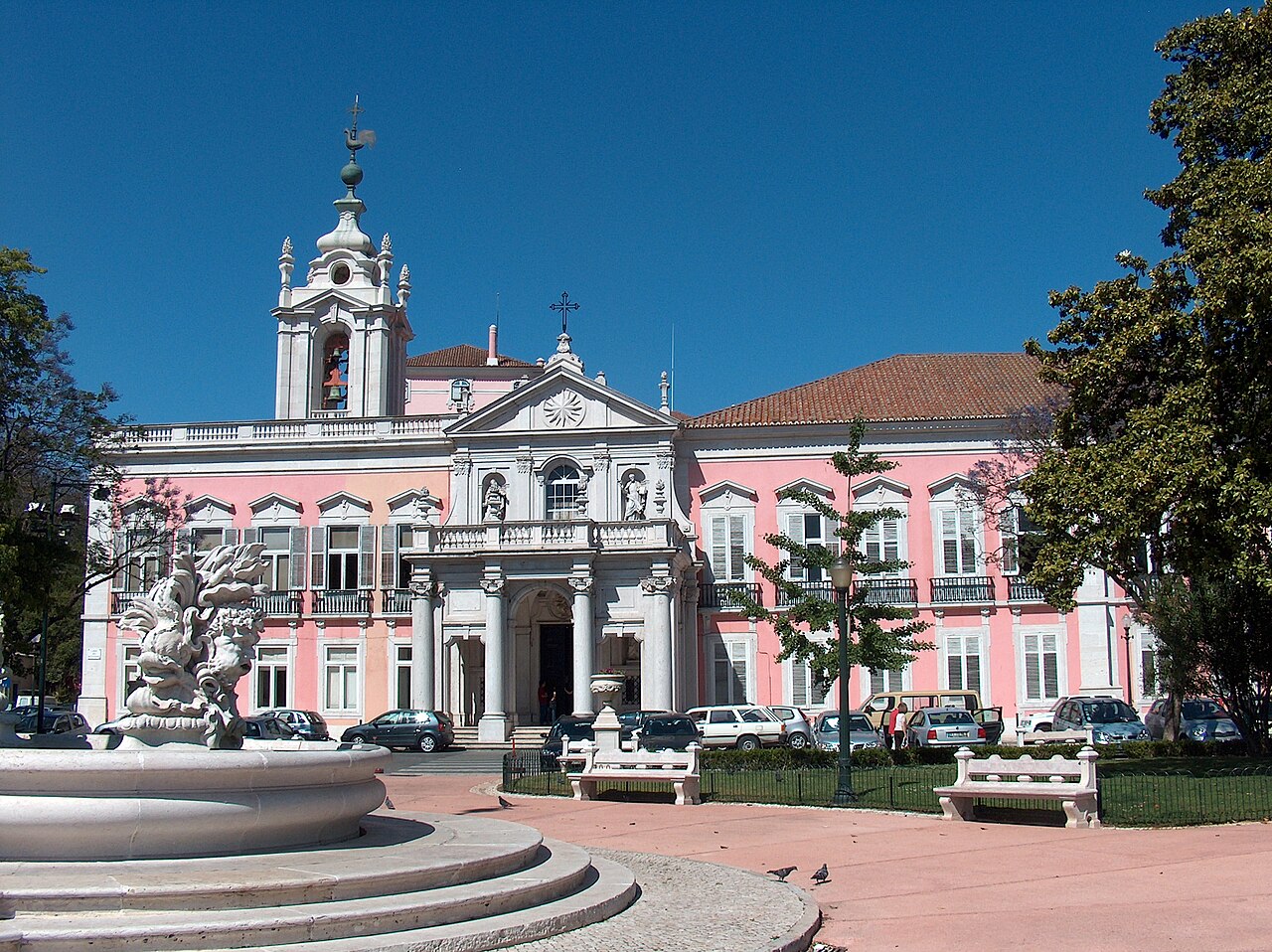
It was established in 1750. It was built in the baroque architecture style. It carries the Immovable Cultural Heritage of Public Interest heritage designation.
Necessidades Palace, or Palácio das Necessidades, is an eighteenth-century palace in Lisbon's Estrela district. It is the headquarters of Portugal's Ministry of Foreign Affairs, so its importance is governmental and architectural rather than museum-based. The palace stands near the Basílica da Estrela and offers a useful exterior landmark for exploring this quieter part of central Lisbon. Its formal façade and institutional role make it a distinctive stop for travellers interested in Lisbon's civic history. Palácio das Necessidades is a historic palace in Lisbon, Portugal. It serves as the headquarters of the Portuguese Ministry of Foreign Affairs. The palace was originally constructed in the 18th century and has played various roles throughout Portuguese history. It is situated in the Estrela district, near the Basílica da Estrela. The building represents an important example of Portuguese palace architecture and continues to function as a working government building rather than a conventional tourist attraction. No. The palace functions as the headquarters of the Portuguese Ministry of Foreign Affairs and does not offer standard public interior access.
Checked 2026-08-26 · Source
The palace contains offices and official reception rooms used by the Ministry of Foreign Affairs. These are working government spaces, not a public museum layout with rooms open for casual touring. From outside, travellers can appreciate the building as a historic palace still serving a national function. The contrast between its ceremonial architectural character and present-day diplomatic purpose is central to the experience. Pairing the exterior view with nearby Estrela landmarks gives the visit useful context. As an active government ministry headquarters, the interior spaces of Palácio das Necessidades are not generally accessible to casual visitors. The palace contains offices and official reception rooms used for diplomatic and state functions.
Checked 2026-08-26 · Source
Allow roughly fifteen to thirty minutes for an exterior visit, including time to study the façade, understand the palace's position in the neighbourhood and take photographs from public areas. There is no standard tourist route through the interior. If a formal invitation or special arrangement brings you inside, allow extra time for security and controlled movement. The palace works best as a focused stop combined with the Basílica da Estrela or Jardim da Estrela.
Checked 2026-08-26 · Source
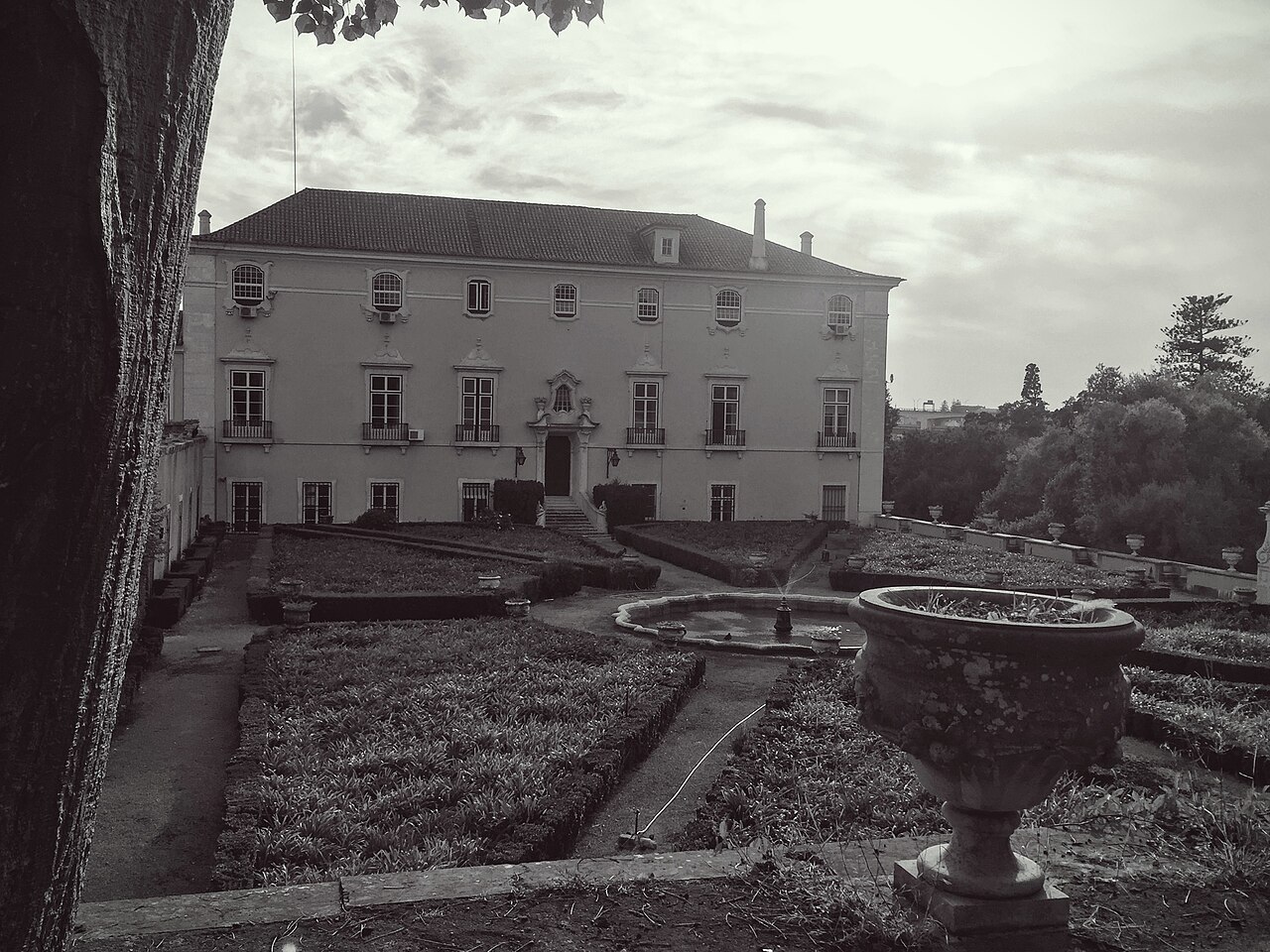
Daylight is the most useful period for seeing the exterior details and photographing the palace. The surrounding streets remain part of Lisbon's ordinary urban environment, while the building's governmental function means it has no museum-style visitor rhythm. Weather and daylight length affect the quality of an outdoor stop. Visit during a wider Estrela walk when you can continue easily to the basilica and gardens instead of planning the palace as a standalone indoor attraction.
Checked 2026-08-26 · Source
There is no regular tourist ticket for the palace because it functions as the Ministry of Foreign Affairs headquarters rather than a conventional visitor attraction. Travellers should not plan to buy admission at the building or enter as they would a museum. Any exceptional access connected with official events or organised arrangements follows a separate process. For a palace interior and formal museum experience, the Palácio Nacional da Ajuda is a more suitable Lisbon choice.
Checked 2026-08-26 · Source

Necessidades Palace is in Estrela, near the Basílica da Estrela. Lisbon's tram and bus networks serve the district, and the palace can also be reached on foot while exploring the central neighbourhoods. Use the basilica as a practical orientation point, then continue through the surrounding streets. The area connects naturally with Jardim da Estrela and other Estrela sights, making a walking route more rewarding than travelling across the city only for the palace exterior.
Checked 2026-08-26 · Source
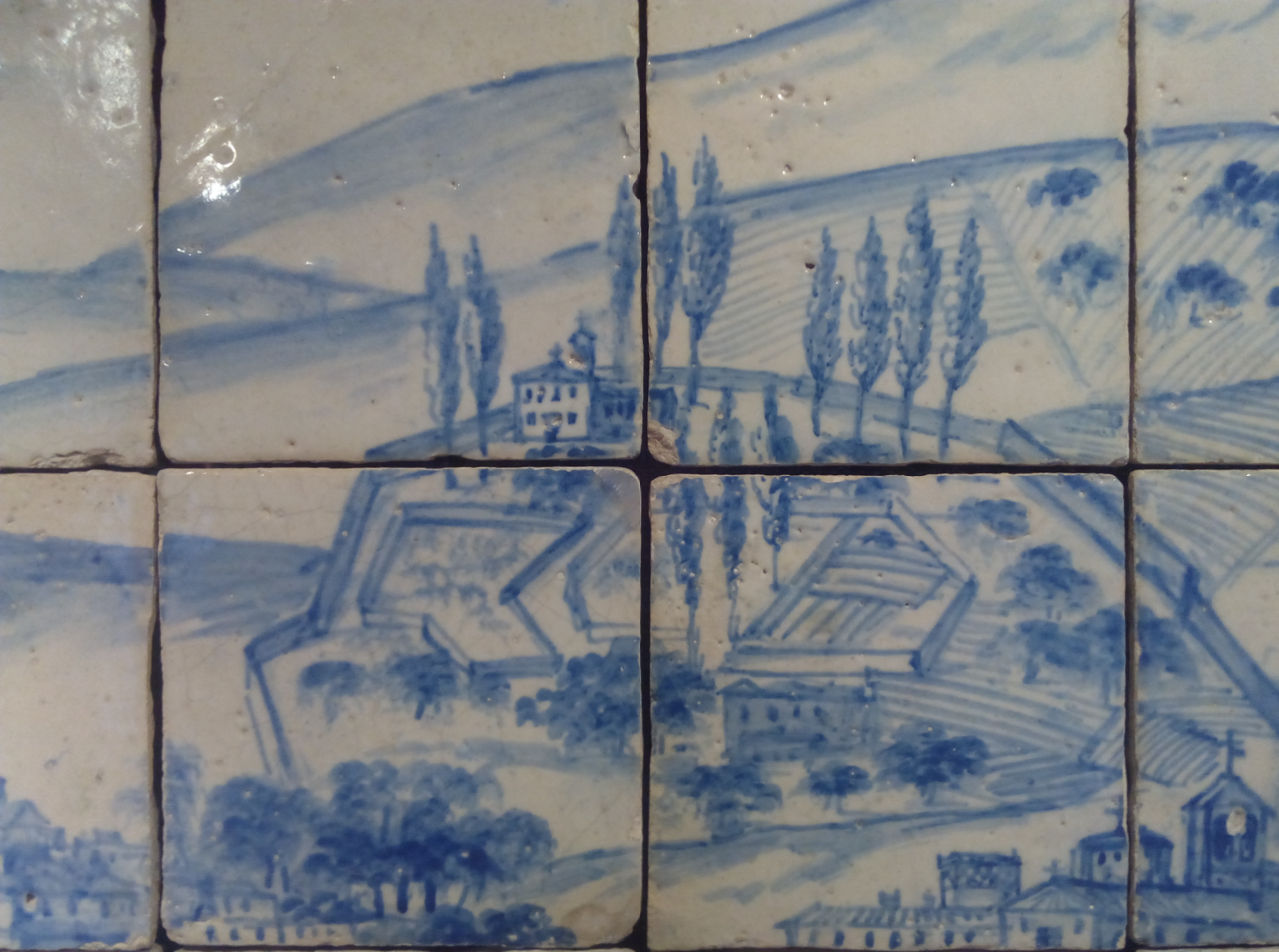
Treat the palace as an active government building. Do not try to pass beyond public areas, approach entrances as a visitor without authorisation or interfere with official activity. Security staff may restrict photography or ask questions, and their instructions should be followed promptly. The site does not provide the usual museum facilities such as a public tour route or visitor toilets. Keep the stop brief and leave room for the public attractions nearby.
Checked 2026-08-26 · Source
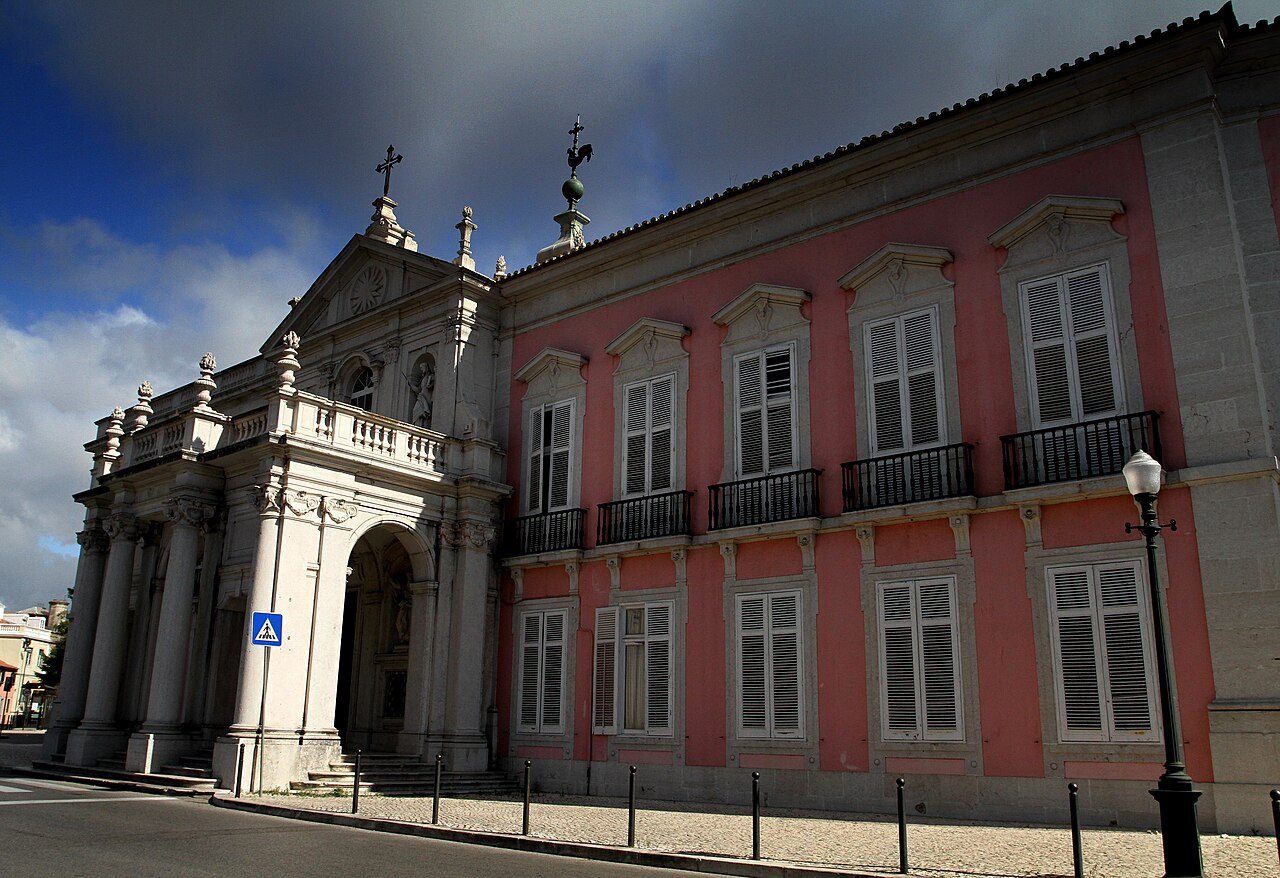
Public streets and adjacent outdoor areas provide opportunities to photograph the palace exterior. Look for compositions that include the façade, surrounding greenery and the relationship between the building and Estrela's residential streets. Daylight reveals architectural form more clearly than a dim evening view. Keep equipment unobtrusive around a government site, avoid photographing restricted activity and stop immediately if security personnel request it. Interior photography is not part of a normal tourist visit.
Checked 2026-08-26 · Source
It serves as the headquarters of Portugal's Ministry of Foreign Affairs and remains an active government building.
It stands in Lisbon's Estrela district, near the Basílica da Estrela.
The palace does not offer a standard public interior tour; it functions as a working ministry headquarters.
No. It is a government headquarters rather than a conventional palace museum.
The Basílica da Estrela and Jardim da Estrela are nearby and fit naturally into the same neighbourhood walk.
Exterior photography from public spaces is possible, subject to security instructions around the government building.
Loading the interactive map…
The interactive map could not be loaded.
Last updated:
Source: OpenStreetMap contributors, Wikidata ·