
.jpg)

.jpg)
.jpg)
.jpg)
3 min walk
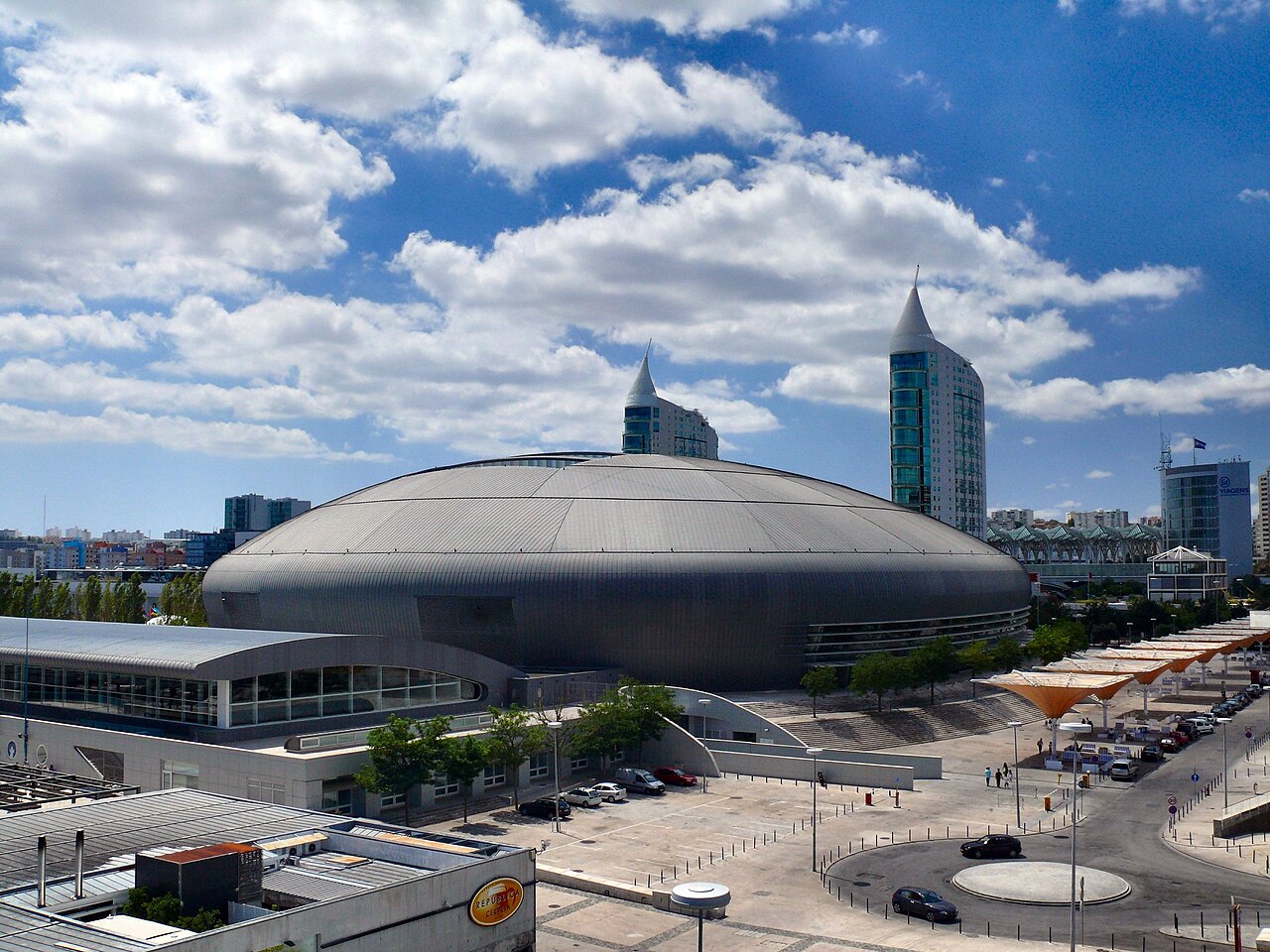
MEO Arena
- High · Heritage site
- Historic monument
Historic monument · Lisbon
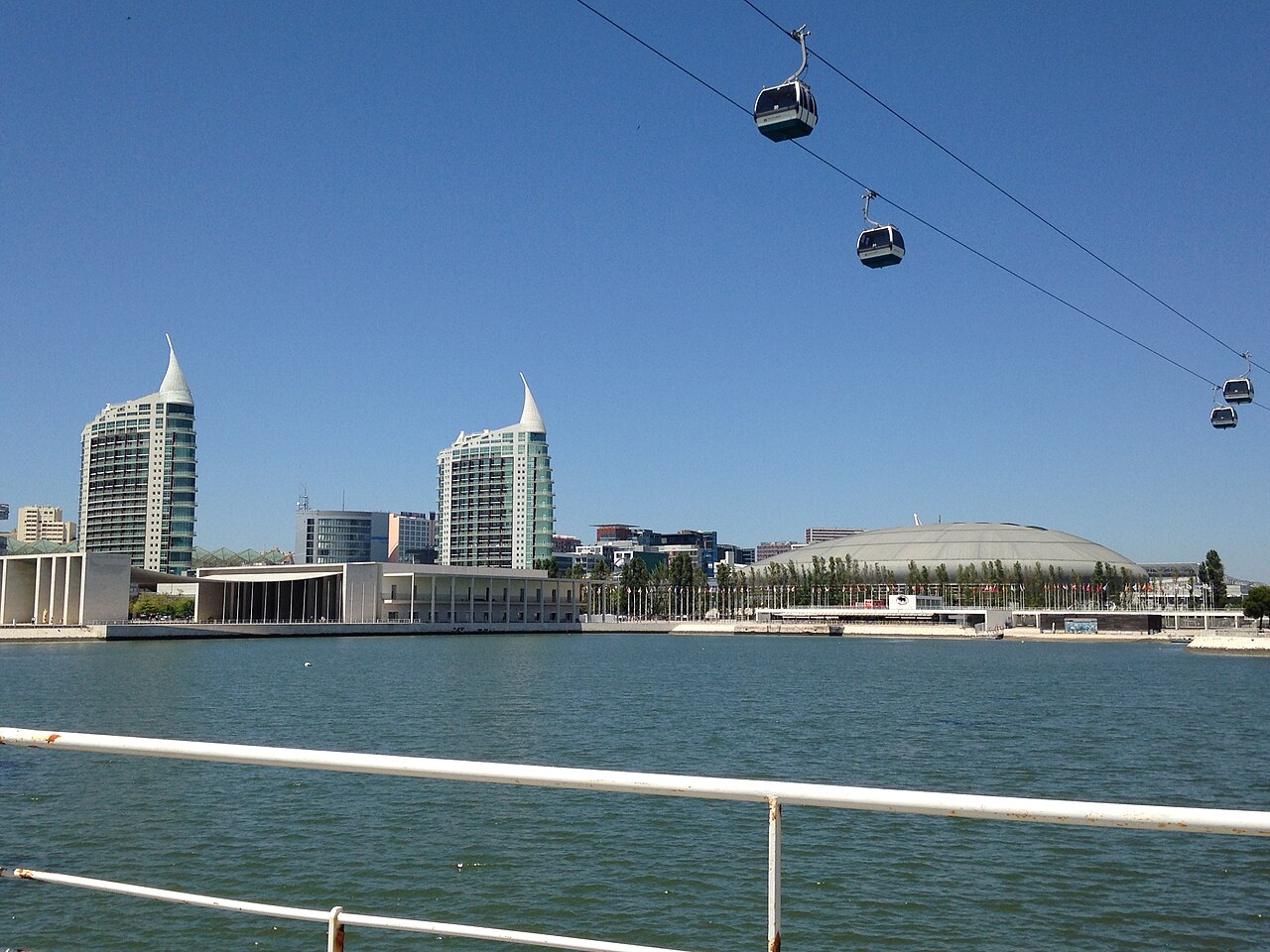
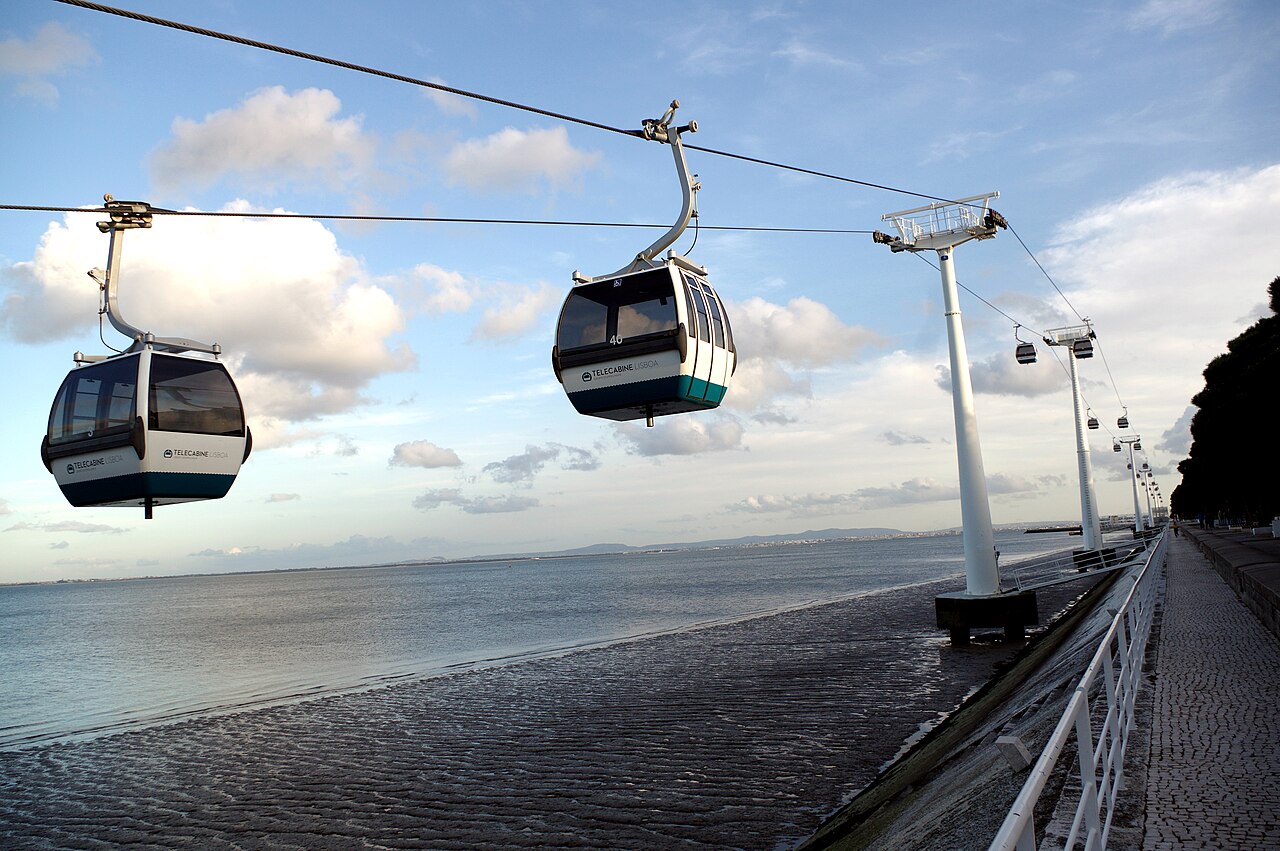
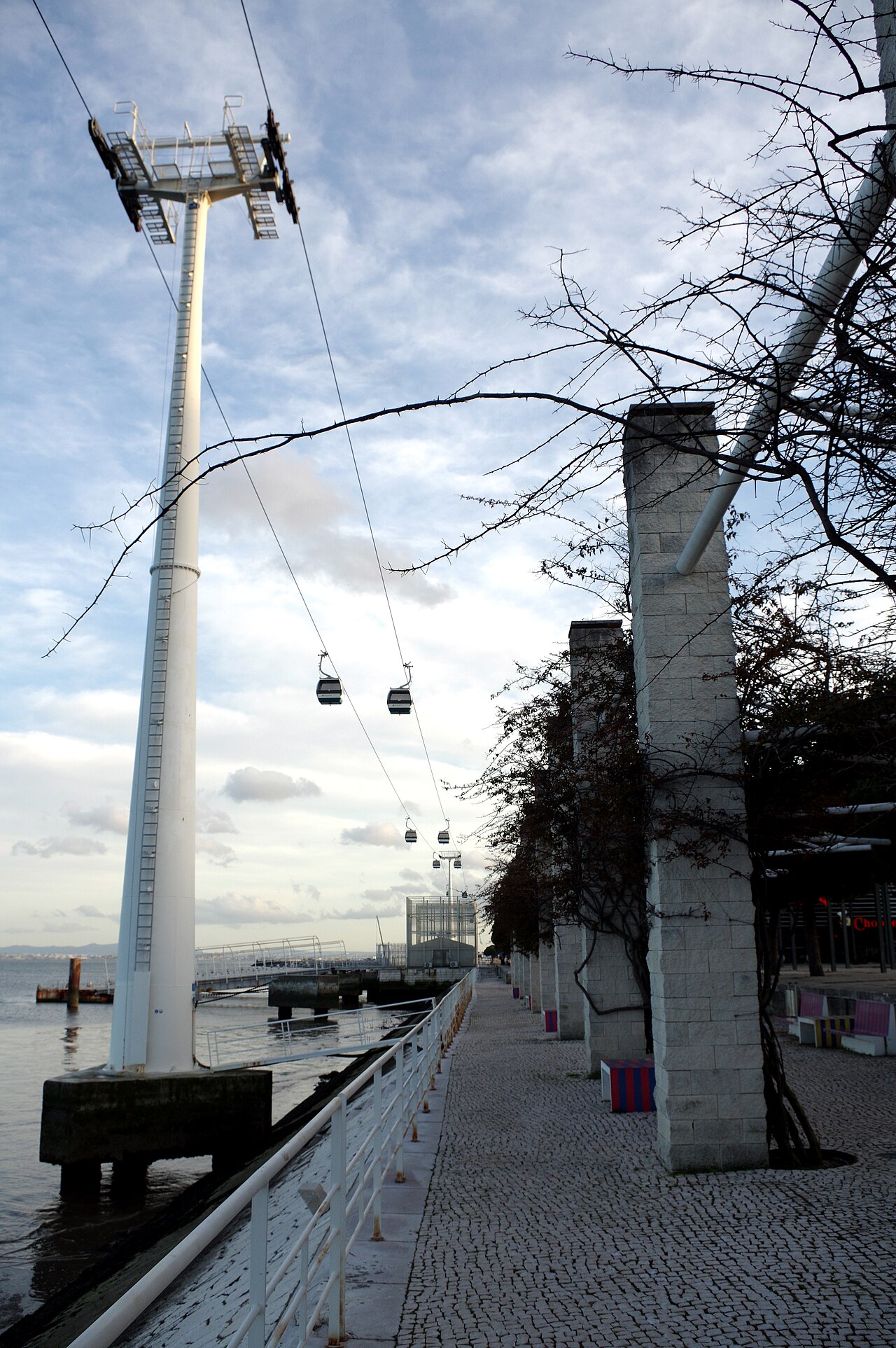
Teleférico do Parque das Nações is an aerial cable car crossing Lisbon’s modern Parque das Nações district. Enclosed gondolas travel above the former Expo 98 waterfront, giving passengers a moving view of the Tagus, landscaped public spaces, and contemporary buildings. The ride functions as local transport within the district and as a compact sightseeing experience. It is a good contrast to Lisbon’s older hills and tiled streets: here, the visual focus is open water, modern architecture, broad promenades, and the long shape of the riverfront. Use it as part of a day exploring the eastern side of the city.
Checked 2026-08-26 · Source
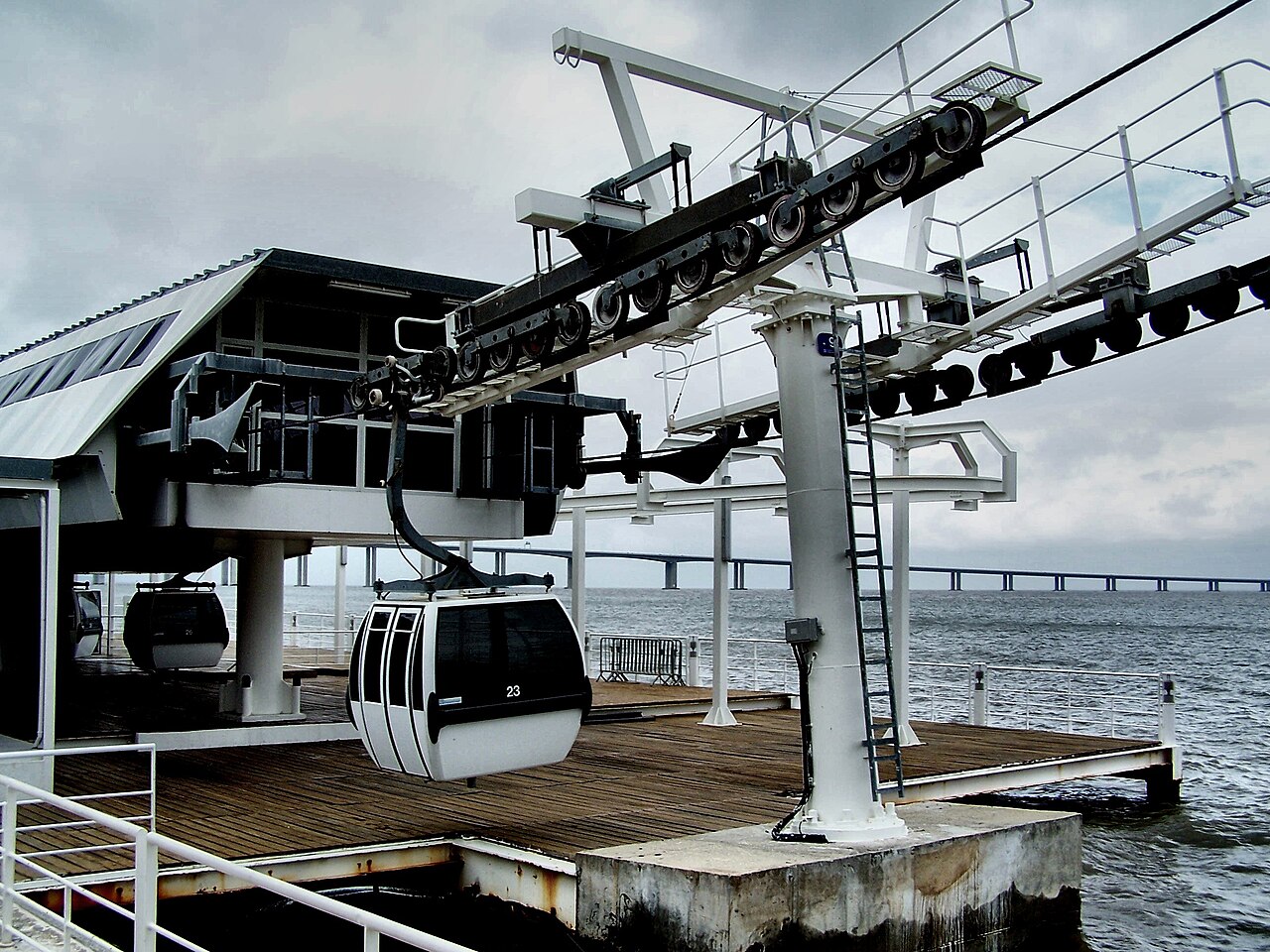
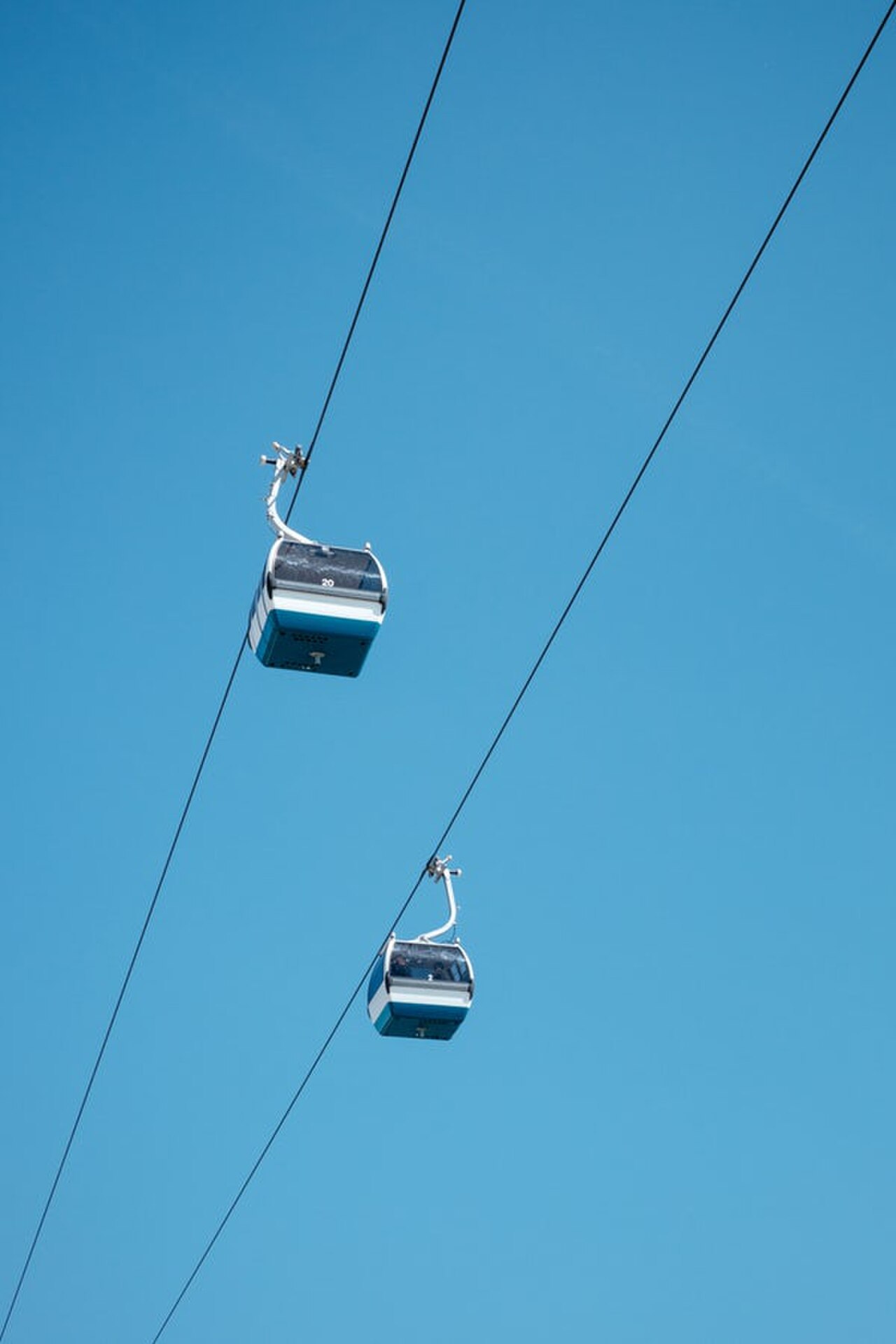
The attraction consists of enclosed gondola cabins suspended above the Parque das Nações waterfront. Transparent panels keep the river and district visible during the crossing, while the compact cabin interior keeps attention on the view rather than on displays or interpretation. Stations at the two ends provide boarding and alighting points. From above, the layout of the former exhibition grounds becomes easier to understand: paths, gardens, water features, buildings, and the Tagus connect into one broad panorama. The experience is simple and visual, making the changing outlook the main feature rather than an indoor collection or guided presentation.
Checked 2026-08-26 · Source
The cable car itself is a short aerial journey, but the complete visit includes walking to a station, waiting to board, travelling across the district, and continuing on foot at the other end. Reserve part of an hour for a relaxed experience, with extra time when queues are present. The ride works especially well as a link between two stretches of waterfront rather than as a stand-alone destination. After disembarking, continue along the river promenade, visit nearby cultural attractions, or pause for views of the Vasco da Gama Bridge. The district rewards walking before and after the crossing.
Checked 2026-08-26 · Source
Daylight gives the clearest views of the Tagus, bridges, and modern buildings, while late afternoon can bring warmer light across the waterfront. Wind is important because the cabins travel above open public space and service can stop in severe conditions. Weekends and pleasant weather can make the district busier, particularly along the promenade. Choose a quieter weekday period when you want more time at the station or a calmer cabin experience. The ride can also fit an evening walk, when Parque das Nações takes on a different character through reflected lights and open river views.
Checked 2026-08-26 · Source
The ride uses a fare or ticket arrangement associated with the cable-car service, and the amount depends on the current travel option selected. Treat the journey as a separate transport cost when building a day around Parque das Nações. Keep your ticket ready at the station and allow time for boarding procedures. The attraction is valuable even when combined with a wider waterfront outing, because the aerial crossing changes your perspective on the district. Once you leave the gondola, further spending is optional: the riverfront paths and public spaces provide plenty of ways to continue exploring without another attraction ticket.
Checked 2026-08-26 · Source
Oriente station is the main transport gateway to Parque das Nações and is served by Lisbon’s red metro line, national and suburban trains, and buses. From the station, follow the modern district towards the Tagus and use the waterfront paths to reach the cable-car stations. The area is broad and easy to orient by keeping the river as your reference. Walking and cycling routes connect the promenade with nearby attractions. Driving is possible but adds the practical problem of parking in a busy planned district. Public transport and walking make the ride easiest to combine with the rest of the waterfront.
Checked 2026-08-26 · Source
Strong wind can interrupt an aerial service, so keep flexibility in a day planned around the crossing. Queues vary with weather, weekends, and visitor demand. Stay clear of cabin doors while boarding and supervise children on station platforms. The gondolas are compact, so large belongings can make the journey uncomfortable. The height and open views may be unsuitable for travellers who dislike cable cars or exposed crossings. Secure loose items before the cabin moves; anything dropped from above cannot be recovered easily. If the service pauses, use the district’s broad waterfront paths and public transport links as practical alternatives for continuing your day.
Checked 2026-08-26 · Source
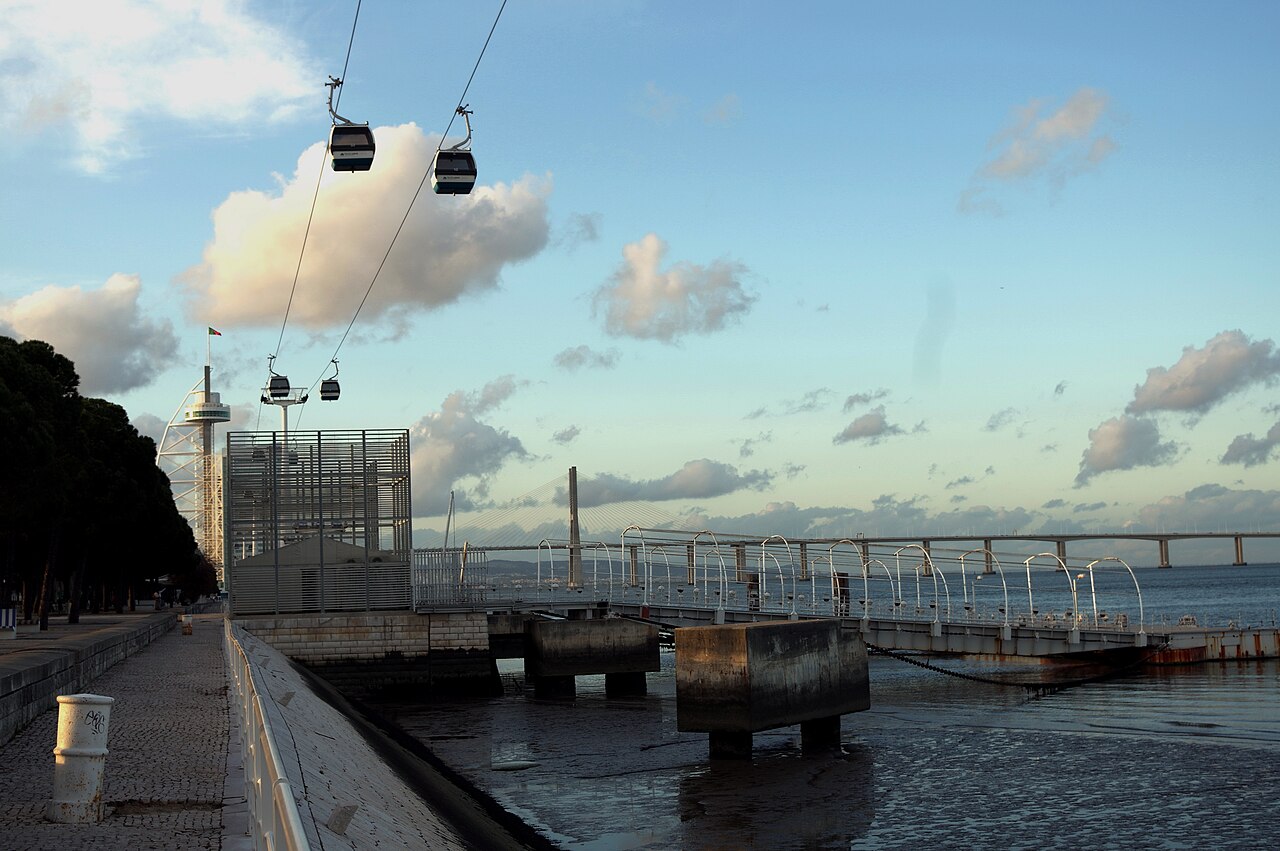
The gondola windows frame the Tagus, the Vasco da Gama Bridge, and the contemporary skyline of Parque das Nações. Shoot through a clean section of glass and keep the camera close to reduce reflections. A fast shutter helps with movement, while the station platforms provide steadier views of cabins arriving and leaving. Late-day light can separate the buildings from the river and add colour to the waterfront. Tripods are impractical inside the moving cabin, and crowded conditions may limit where you stand. Photograph people respectfully and keep the camera under control during boarding and alighting.
Checked 2026-08-26 · Source
It is an enclosed aerial cable car crossing Lisbon’s modern Parque das Nações waterfront district.
The ride offers elevated views of the Tagus River, the Vasco da Gama Bridge, gardens, promenades, and contemporary architecture.
The crossing is brief, but walking, waiting, boarding, and continuing along the waterfront make part of an hour a practical allowance.
Travel to Oriente station by the red metro line, train, or bus, then walk towards the Tagus and the cable-car stations.
Yes. Strong wind can interrupt aerial service, so keep your Parque das Nações plans flexible in unsettled weather.
Daylight gives clear river views, while late afternoon adds warmer light to the bridge, buildings, and waterfront.
Loading the interactive map…
The interactive map could not be loaded.
Last updated:
Source: OpenStreetMap contributors, Wikidata ·