
2 min walk · Vračar
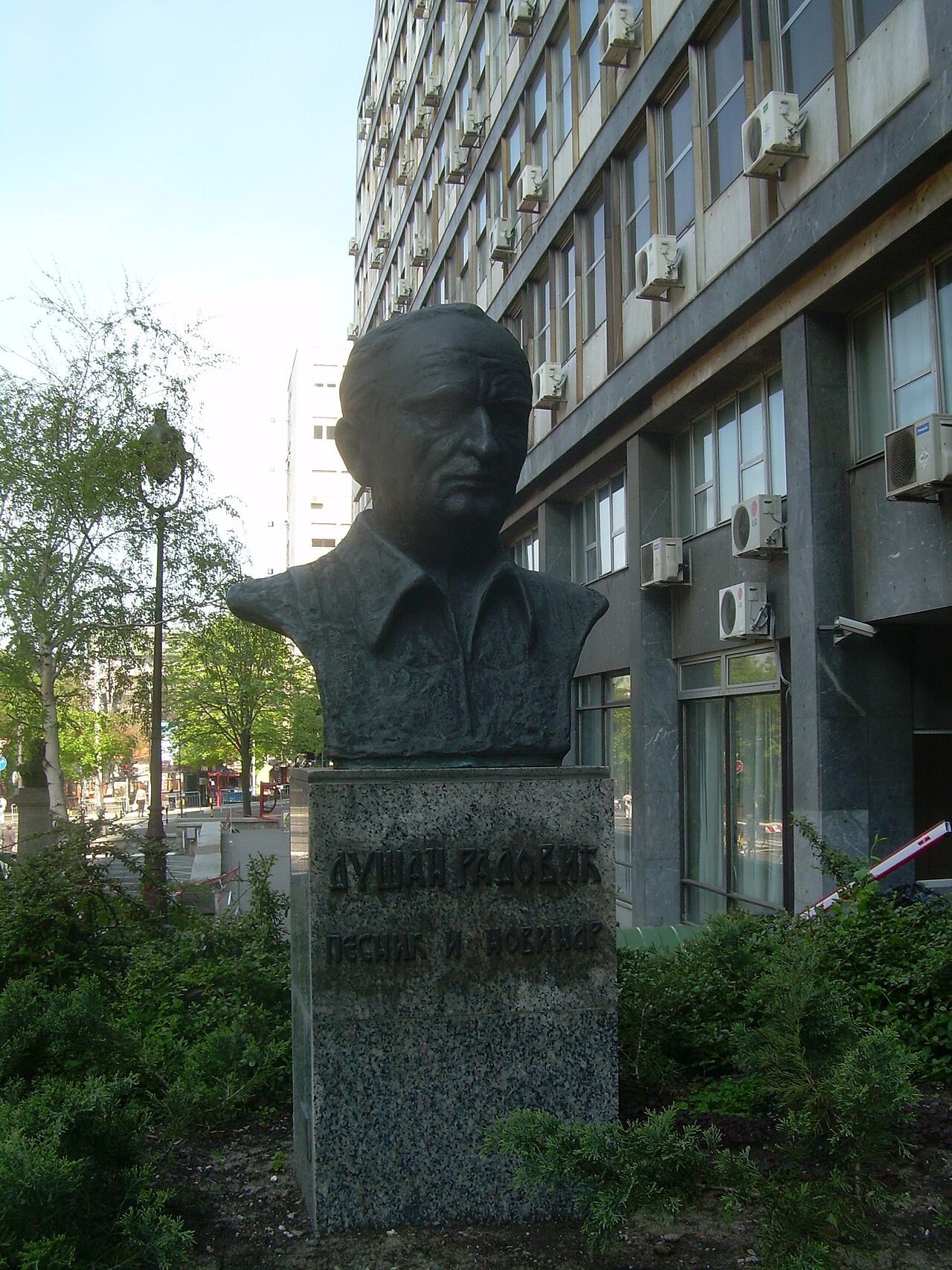
Bista Duška Radovića
- High
- Historic monument
Museum · Vračar, Belgrade
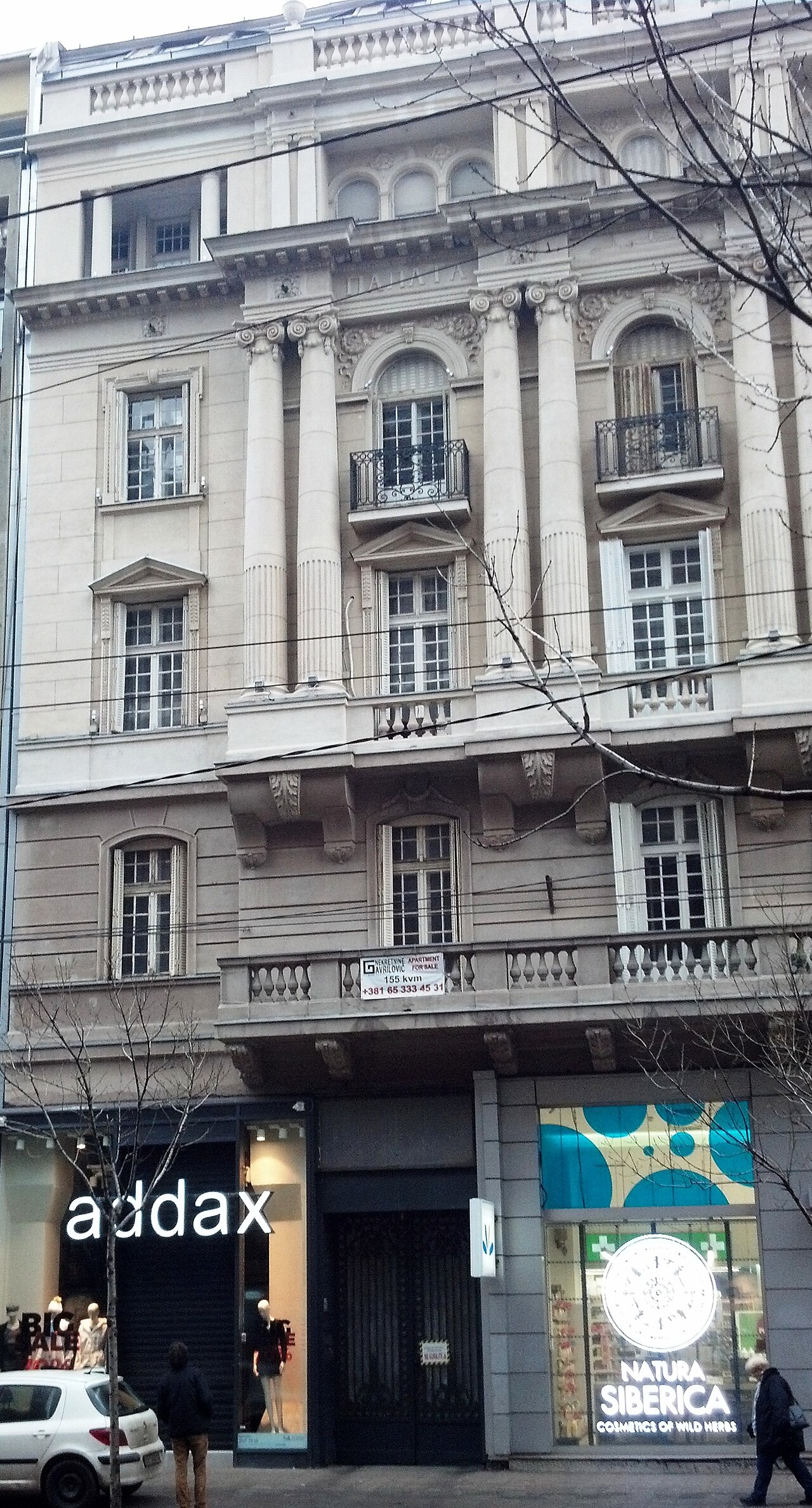
Музеј Паје Јовановића
| Per person | RSD 300 |
|---|
Checked 2026-09-02 · Source
The Museum of Paja Jovanović is a compact Belgrade collection devoted to the Serbian painter Paja Jovanović. Its character comes from the way artworks share space with the material traces of an artist’s life: painting equipment, personal documents, diplomas and medals. Rather than asking visitors to cross a sequence of broad galleries, the museum creates a concentrated encounter with one painter’s work, practice and public reputation. It opened on 11 June 1970 and occupies the fourth floor of Devanha Palace at Kralja Milana 21, giving this specialist collection a distinctive setting in central Belgrade. The museum’s focused scale makes individual objects and their connections easier to notice.
Checked 2026-09-02 · Source
Begin with Jovanović’s paintings, then look closely at the objects that reveal how those finished works were produced and remembered. The painting equipment suggests the practical world behind the canvases, while personal documents record the biographical side of the collection. Diplomas and medals add a public dimension, showing how the painter’s career was formally recognised. The display therefore works on several levels at once: art collection, studio record and documentary portrait. In a small museum, these supporting pieces are not peripheral; they are central to understanding what makes this visit different from a standard gallery stop. Together, the objects give the paintings a more personal and historical frame.
Checked 2026-09-02 · Source
Plan around 45 to 75 minutes for the museum. A shorter visit is enough for visitors who want to focus on the paintings and make a brisk circuit of the display. Allow the longer end of the range if you want to connect the artworks with the painting equipment, personal documents, diplomas and medals. Those items reward a slower pace because they turn a brief art viewing into a more rounded portrait of Jovanović. The museum also fits neatly into a central Belgrade itinerary: it offers a defined, single-artist experience without requiring the half-day commitment of a large museum complex. Its compact subject makes it easy to place before or after another central-city activity.
Checked 2026-09-02 · Source
The museum’s recorded visiting schedule covers Friday, Saturday and Sunday. Friday runs from 10:00 to 18:00, Saturday from 10:00 to 17:00, and Sunday from 10:00 to 14:00. Friday offers the longest documented window and the greatest flexibility for combining the visit with another central Belgrade stop. Sunday is shorter, so an early arrival leaves more time for the display. The schedule makes this a particularly natural weekend museum choice, with the three recorded days offering different amounts of time for planning around the rest of your day. Saturday also provides a useful middle option when Friday’s longer opening is not possible.
Checked 2026-09-02 · Source
Base adult admission is 300 RSD per person. The operator also lists free admission on the last Saturday of each month, for children under seven, for visitors with disabilities and one companion, and for MDS and ICOM members. EURO<26 and ISIC cardholders are included among the free-entry categories. If you qualify, bring the relevant card or proof for the concession. For other adult visitors, the published 300 RSD price gives a clear, modest baseline for budgeting this specialist museum into a Belgrade day. The last-Saturday provision can make that date especially attractive for eligible visitors.
Checked 2026-09-02 · Source
The address is Kralja Milana 21, on the fourth floor of Devanha Palace in central Belgrade. Trolleybuses 19, 21, 22 and 29, together with buses 31 and E9, are listed for the stop. Night connections include 18N, 29N, 31N, 33N, 47N and 51N. On arrival, identify the palace entrance first, then continue upstairs to the museum’s floor; the building setting is part of the practical orientation. The address is useful for routing, while the palace name helps identify the destination on the street.
Checked 2026-09-02 · Source
The main arrival detail is the fourth-floor location inside Devanha Palace. Do not treat the street address as the complete orientation: once you reach Kralja Milana 21, you still need to identify the building entrance and make your way to the museum level. This matters when the visit is fitted between timed plans elsewhere in Belgrade. The recorded access information marks step-free access as limited, so visitors for whom stair-free movement is essential should factor the upper-floor setting into their route planning. The short Sunday opening also leaves less flexibility for a late visit.
Checked 2026-09-02 · Source
If photography is permitted on site, use it to record the relationship between Jovanović’s paintings and the objects around them, rather than treating the room as a quick backdrop. Painting equipment, personal documents, diplomas and medals carry much of the collection’s biographical force, so details can be as revealing as an overall view. Keep attention on the original display while photographing, and follow any instructions given inside the museum. The compact setting rewards looking first: the strongest visual impression comes from seeing the artworks and personal record together. A carefully framed detail of the equipment or documents can preserve the museum’s distinctive character better than a hurried room photograph.
Checked 2026-09-02 · Source
The museum is at Kralja Milana 21, on the fourth floor of Devanha Palace in Belgrade.
The recorded schedule is Friday 10:00–18:00, Saturday 10:00–17:00 and Sunday 10:00–14:00.
Base adult admission is 300 RSD per person.
Free admission is listed for the last Saturday of each month, children under seven, visitors with disabilities and one companion, MDS and ICOM members, and EURO<26 and ISIC cardholders.
The display includes Paja Jovanović’s paintings, painting equipment, personal documents, diplomas and medals.
The Museum of Paja Jovanović opened on 11 June 1970.
Loading the interactive map…
The interactive map could not be loaded.
Last updated:
Source: OpenStreetMap contributors, Wikidata ·