
22 min walk
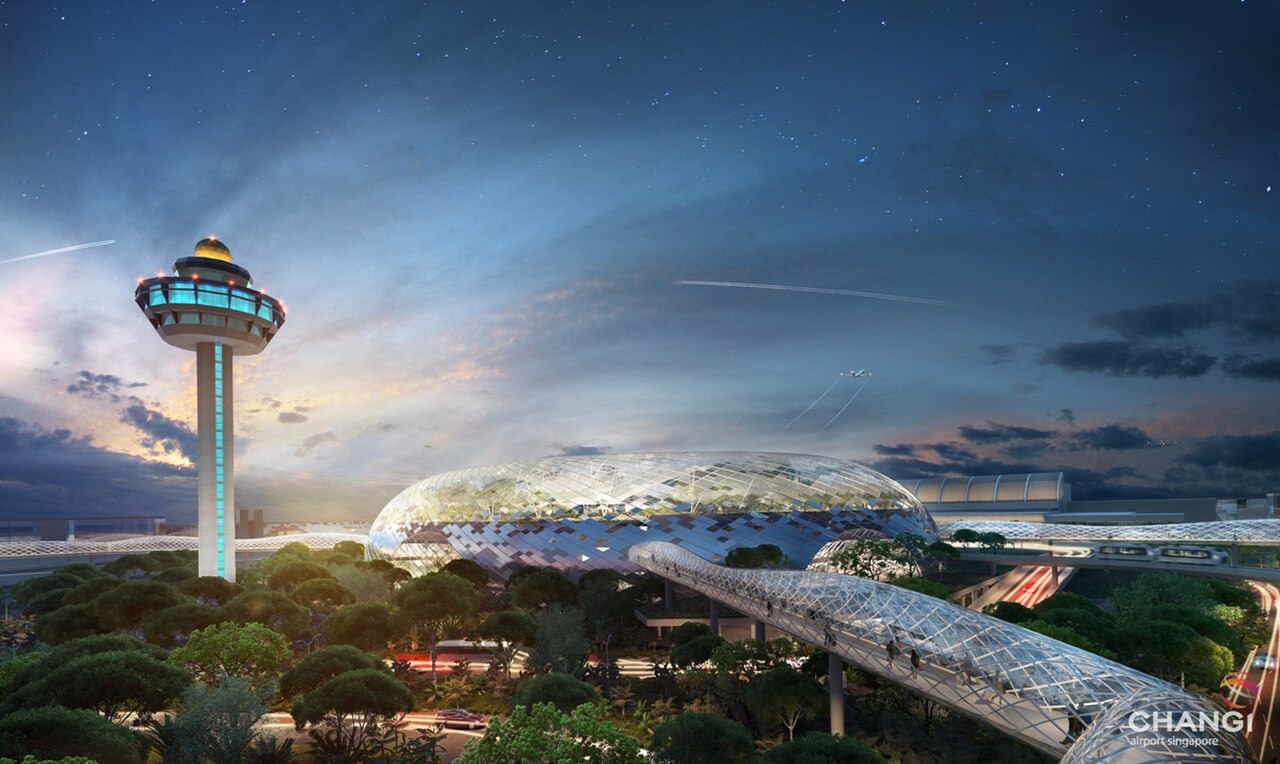
Jewel Changi Airport
- Must see
- Market
Museum · Singapore
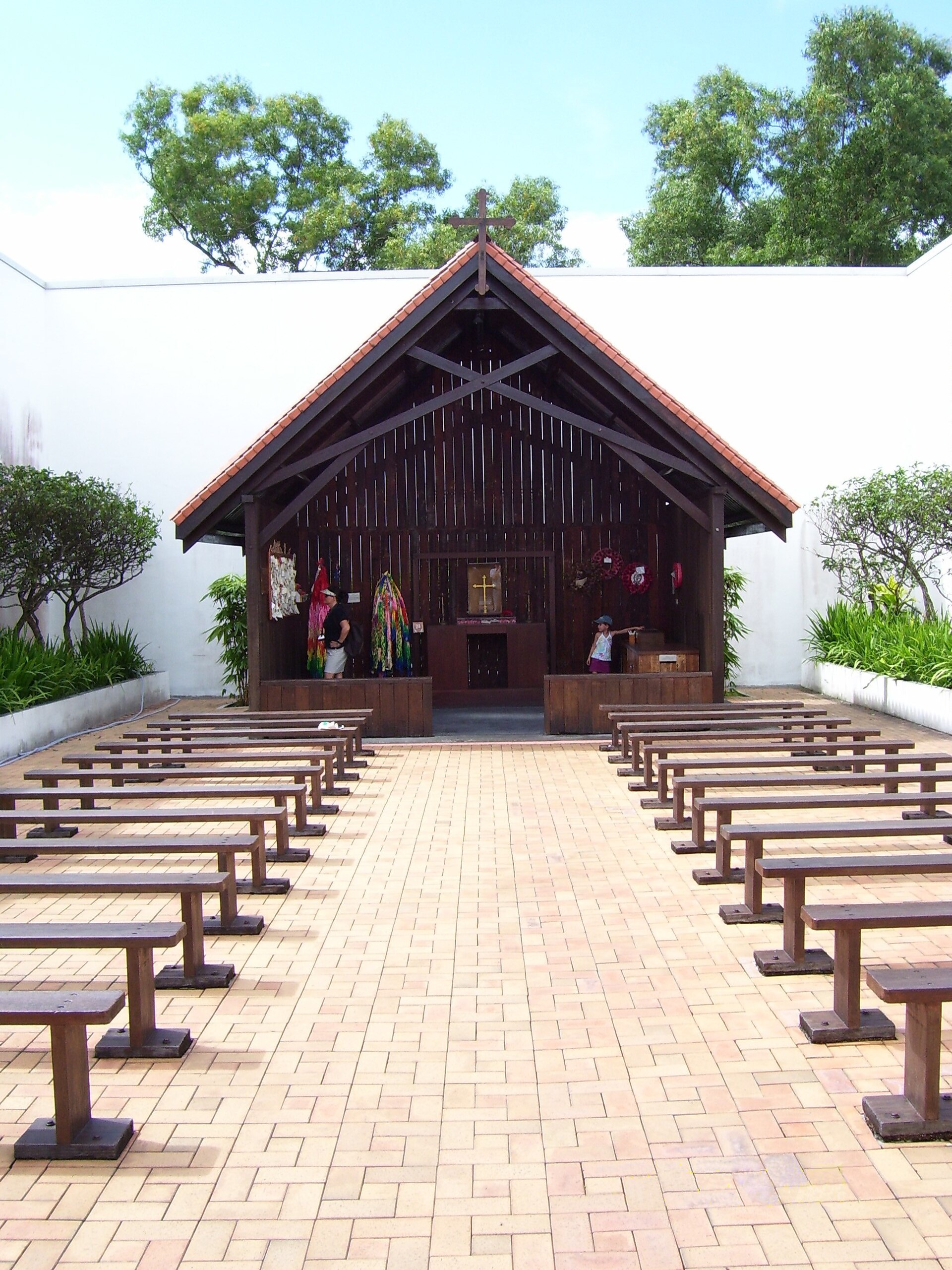
The Changi Museum
| Monday | Closed |
|---|---|
| Tuesday | 09:30 – 17:30 |
| Wednesday | 09:30 – 17:30 |
| Thursday | 09:30 – 17:30 |
| Friday | 09:30 – 17:30 |
| Saturday | 09:30 – 17:30 |
| Sunday | 09:30 – 17:30 |
Parsed from OpenStreetMap opening hours on 2026-09-09.
The Changi Chapel and Museum is a historical site in Singapore commemorating prisoners of war and civilian internees held at Changi during the Japanese occupation of Singapore in World War II. The current museum stands as a successor to earlier memorial structures, preserving stories of resilience amid hardship. The site includes a replica chapel and exhibition spaces dedicated to this significant period in Singapore's history. Visitors encounter personal artifacts, records, and narratives that document wartime experiences. The museum serves educational and commemorative purposes, attracting history enthusiasts, students, and international visitors seeking understanding of this chapter in Southeast Asian wartime history.
Checked 2026-08-26
The museum contains exhibitions featuring personal belongings, photographs, and documents from prisoners of war and civilian internees. Displays include sketches, letters, and handcrafted items made during internment. The replica chapel represents a place of spiritual solace constructed by prisoners. Exhibition content addresses daily life, survival strategies, and community organization within the camps. Notable artifacts include the Changi murals reproductions and various personal effects donated by former internees and their families. The museum presents these materials with contextual information about the broader historical circumstances. Audio-visual elements supplement physical displays in certain exhibition areas.
Checked 2026-08-26
Visitors typically allocate between one and two hours for a meaningful visit to the Changi Chapel and Museum. This duration allows adequate time to examine main exhibitions, read accompanying texts, and reflect at the chapel space. History specialists or those examining individual artifacts closely may prefer extended periods. School groups and organized tours often operate on structured schedules of approximately ninety minutes. The contemplative nature of the subject matter encourages unhurried pacing rather than rushed examination. Visitors should consider personal engagement levels with historical content when planning their itinerary around this site.
Checked 2026-08-26
Visitors should consult official channels before planning their trip. Singapore's tropical climate means consistent temperatures year-round, though afternoon thunderstorms occur frequently. Morning visits may offer cooler conditions and reduced humidity compared to midday. The museum's indoor exhibitions provide shelter from rain regardless of timing. Weekends and school holiday periods potentially experience higher visitor volumes. Those preferring quieter conditions for reflection might consider weekday visits. Checking current operational status remains essential as museums periodically adjust schedules for maintenance, special exhibitions, or other institutional requirements. Check the operator's own site for the travel date before relying on a schedule or fare.
Checked 2026-08-26
Visitors should verify current admission policies through official museum channels before visiting. Many Singapore museums have offered free admission to citizens and permanent residents while charging international visitors, though specific policies require confirmation. Some institutions implement timed entry systems or capacity limits that affect walk-in availability. Group rates, educational discounts, and special exhibition surcharges may apply depending on current programming. Payment methods accepted at the site should be confirmed in advance. Visitors are advised to carry identification and check whether advance booking proves necessary for their intended visit date. Check the operator's own site for the travel date before relying on a schedule or fare.
Checked 2026-08-26
The museum is located in eastern Singapore near Changi, accessible by public transportation and private vehicle. The Mass Rapid Transit system connects to nearby stations, with bus services completing the journey. Taxi and ride-hailing services provide direct access. Visitors should consult current transit applications for precise routing from their departure points. Signage in the Changi area assists with final navigation. Cycling and walking paths exist though distances from main transit hubs require planning in Singapore's climate. Parking availability for private vehicles should be confirmed. The site's location near Changi Airport makes it potentially convenient for travelers with extended layovers.
Checked 2026-08-26
The museum addresses wartime suffering, captivity, and loss, which may disturb sensitive visitors including children. Parental guidance is advisable for younger visitors. Singapore's tropical climate demands hydration and sun protection during outdoor segments between transit and entrance. Indoor exhibition spaces are climate-controlled. Photography restrictions may apply in certain areas; visitors should observe posted guidelines. Respectful conduct is expected given the memorial nature of the site. Crowd levels vary; patience may be required during peak periods. Accessibility features should be verified with the institution directly. Visitors with specific mobility requirements should confirm provisions in advance of their arrival.
Checked 2026-08-26
Photography policies within the Changi Chapel and Museum require verification with on-site staff or official communications. Many museums permit non-flash photography in permanent exhibitions while restricting it in special exhibition areas or around specific sensitive artifacts. The chapel space may have particular protocols given its commemorative function. Tripods, selfie sticks, and professional equipment typically face stricter regulations than casual handheld devices. Visitors should respect any posted signage and verbal instructions from personnel. When photography is permitted, it should be conducted without disrupting other visitors' contemplative experience. Commercial or publication use requires separate authorization from the institution.
Checked 2026-08-26
The museum addresses wartime suffering and captivity, which may disturb younger visitors. Parental guidance is recommended. Parents should consider individual children's sensitivity when deciding whether to visit.
The site is accessible via Mass Rapid Transit to nearby stations followed by connecting bus services. Visitors should consult current transit applications for precise routing from their specific departure points.
Visitors should verify current admission policies through official museum channels before visiting. Check the operator's own site for the travel date before relying on a schedule or fare.
Most visitors spend one to two hours. History enthusiasts examining details closely may prefer longer. The contemplative nature of the content encourages unhurried pacing.
Morning visits may offer cooler conditions. Indoor exhibitions provide shelter from Singapore's frequent afternoon thunderstorms. Weekdays potentially offer quieter conditions than weekends.
Photography policies require verification with on-site staff or official channels. Visitors should observe posted guidelines and respect restrictions, particularly in the chapel space.
Loading the interactive map…
The interactive map could not be loaded.
Last updated:
Source: OpenStreetMap contributors, Wikidata ·