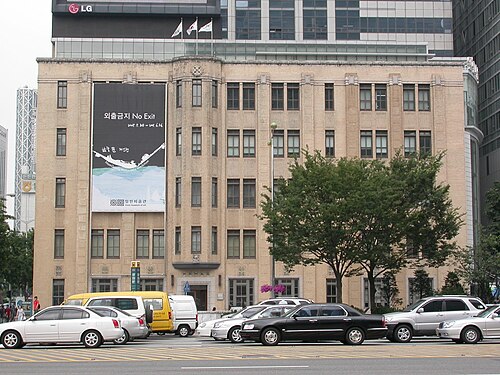
Ilmin Museum of Art
일민미술관
Ilmin Museum of Art, known locally as 일민미술관, is a visual-arts museum in Seoul. The museum offers travelers an art-focused stop within the capital's wider cultural landscape.
- High
- Art and culture venue
- Seoul
Country guide
Half of South Korea's 51 million people live in a single metropolitan area, and that shapes a visit more than the country's 100,472 square kilometres do. Seoul...
Photograph · Basile Morin · CC BY-SA 4.0
Reviewed by Elena Voss · Roavina Travel Editor
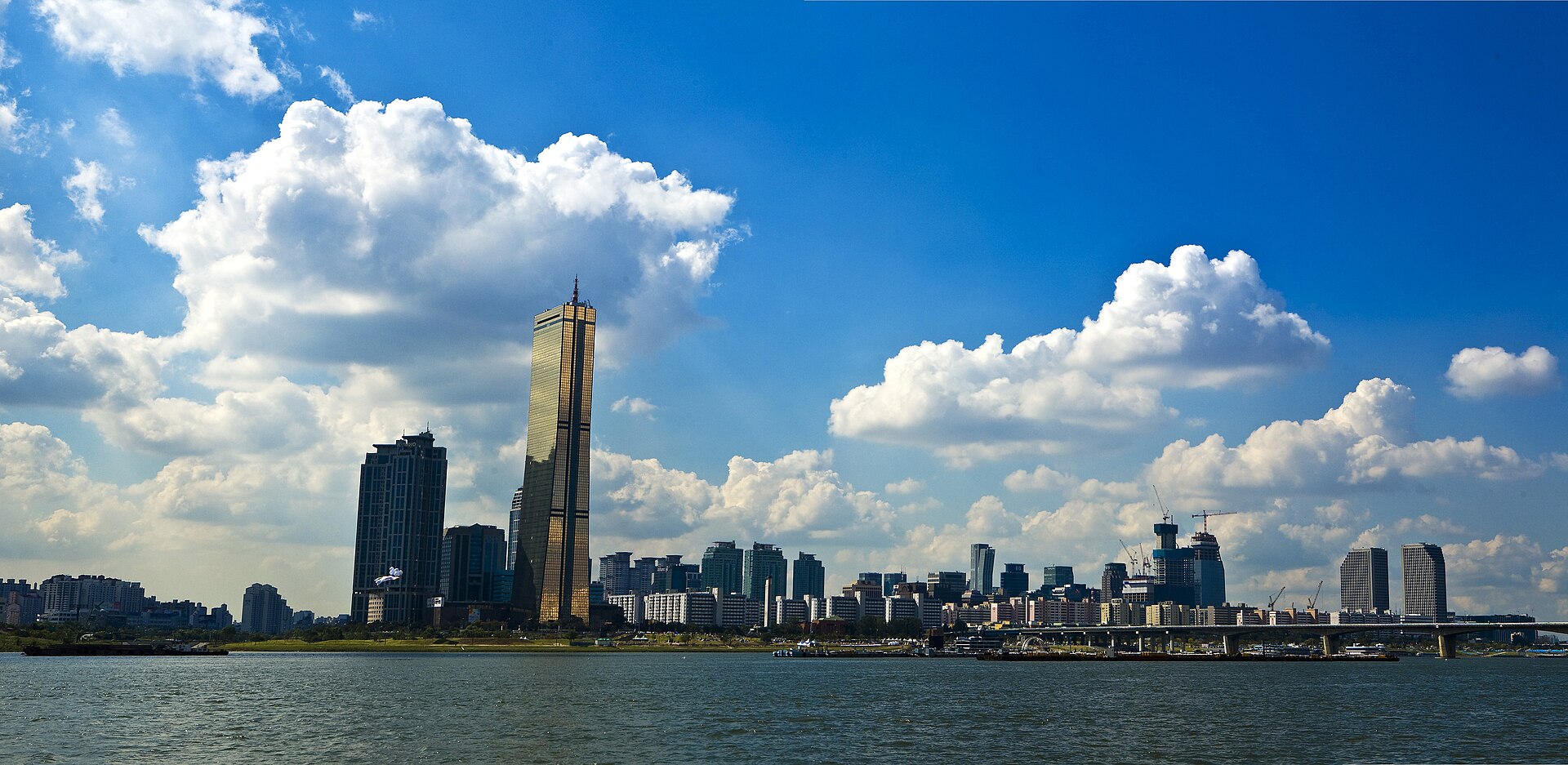
Half of South Korea's 51 million people live in a single metropolitan area, and that shapes a visit more than the country's 100,472 square kilometres do. Seoul and the region around it hold the palaces, the museums and most of the reasons to come, and everywhere else is measured as a train ride out from it. Busan, at the far southeastern corner, is the coastal counterweight of beaches, a fish market and hills of stacked houses, while Gyeongju in between is the old Silla capital and is largely tombs and temples. The northern border is closed, so every route out of Seoul runs south.
Checked 2026-08-25
Every city catalogued in this country so far, ranked by how much there is to see.
Photograph · USAGI_POST · CC0
Seasonal closures come from recorded opening hours.
Ranked by importance — sitelinks, pageviews and heritage status, not editor preference.
18 places match
Category
Typical visit duration
Interests
일민미술관
Ilmin Museum of Art, known locally as 일민미술관, is a visual-arts museum in Seoul. The museum offers travelers an art-focused stop within the capital's wider cultural landscape.
소마미술관
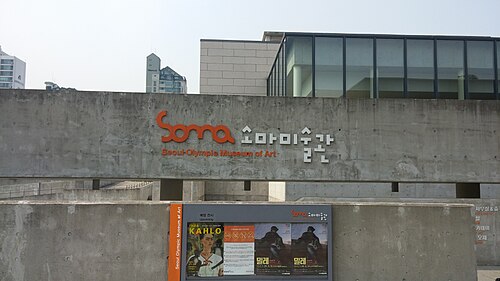
SOMA Museum of Art is a contemporary art museum in Seoul’s Olympic Park, known locally as 소마미술관. Its setting connects an indoor art experience with one of the city’s major park landscapes.
금호미술관
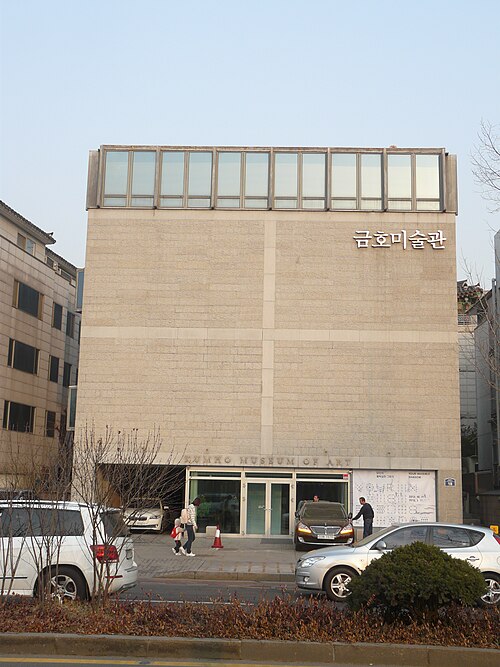
Kumho Museum of Art, known locally as 금호미술관, is a private art museum in Seoul. The institution operates within the Kumho cultural umbrella and presents modern and contemporary art exhibitions.
북촌미술관
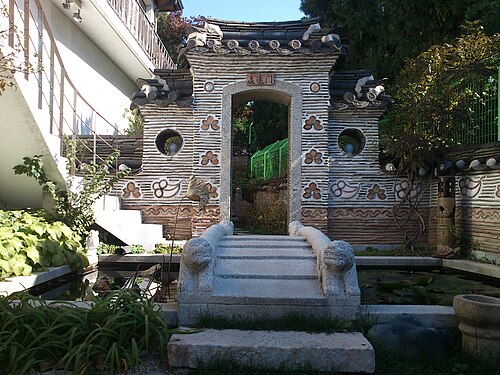
Bukchon Art Museum, known locally as 북촌미술관, is a cultural institution in Seoul’s historic Bukchon Hanok Village.
KBS홀
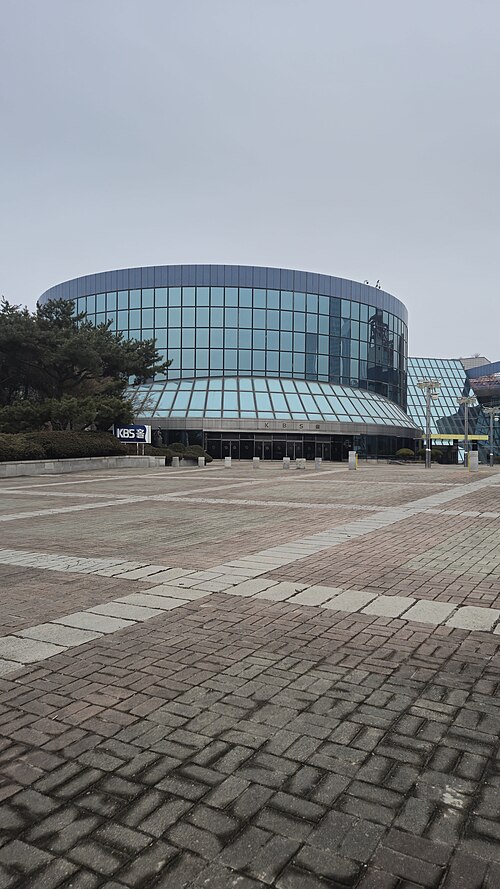
KBS Hall is a major performance venue in Seoul operated by Korean Broadcasting System, South Korea’s national public broadcaster. The hall hosts concerts, television recordings and live performances, placing it at the intersection of Korean entertainment, music and broadcasting.
밀알미술관
The Milal Museum of Art, known locally as 밀알미술관, is an art museum in Seoul, South Korea. The place belongs to Seoul’s varied museum landscape, which includes large national institutions as well as smaller cultural venues.
노들섬
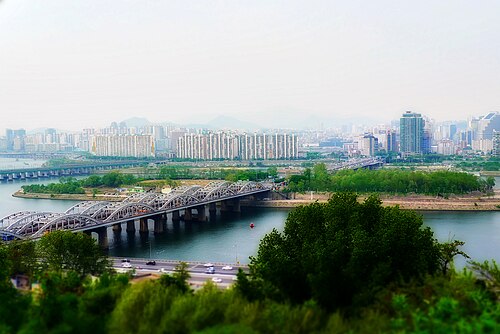
Nodeulseom is an artificial island in the Han River within Seoul, South Korea. Its Korean name is 노들섬. The island is a riverside public destination where open views, water, sky and the surrounding city come together.
우리금융아트홀
Olympic Weightlifting Gymnasium, locally known as 우리금융아트홀 (Woori Financial Art Hall), is an indoor venue in Seoul that began as a weightlifting facility for the 1988 Summer Olympics.
서울대학교 미술관
Seoul National University Museum of Art is a university museum affiliated with Seoul National University, one of South Korea's most prestigious higher education institutions.
평화의 소녀상
The Statue of Peace, known locally as 평화의 소녀상, is a memorial statue located in Seoul. It commemorates the victims of Japanese military sexual slavery during World War II, often referred to as comfort women.
토탈미술관
Total Museum, known locally as 토탈미술관, is a cultural institution in Seoul, South Korea. The museum operates as a venue for contemporary art exhibitions and related programming.
유니버설아트센터
Universal Arts Center, or 유니버설아트센터, is a dedicated performing arts venue in Seoul. It is designed for theatrical productions, concerts, and other live performances rather than museum-style sightseeing.
Seven to ten days gives Seoul several district-based days and leaves room for Busan or Gyeongju. Jeju requires a separate flight or ferry plan, and Gyeongju works better with an overnight than as a rushed return from Seoul.
South Korea's visa-free eligibility and K-ETA rules depend on nationality and can change. Check the official immigration and K-ETA services for the travel date rather than relying on an exemption announced for an earlier year.
Incheon connects to Seoul by airport rail and buses; KTX trains and intercity buses handle longer mainland journeys. Rechargeable transport cards are useful across city systems, while Jeju and some regional areas need separate road planning.
April to May and October to November are broad windows for this Seoul-led route. Blossom timing, autumn colour, summer rain, and Jeju conditions vary, so confirm the dates for the intended region.
South Korea uses the won (KRW). Cards are widely used, but retain some won for traditional markets, small operators, or transport contingencies and verify the KRW total before payment.
Call 112 for police and 119 for fire or ambulance in South Korea. Type C and F sockets supply 220 V; tap-water guidance is not recorded here.