Cheonggyecheon
청계천공원
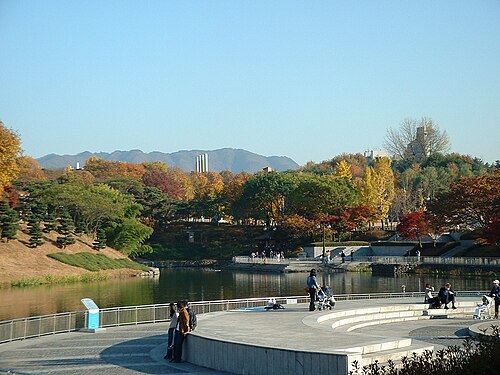
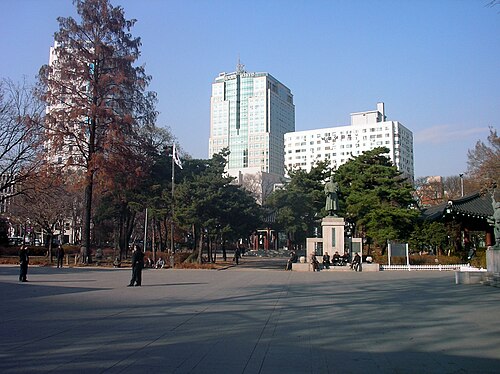
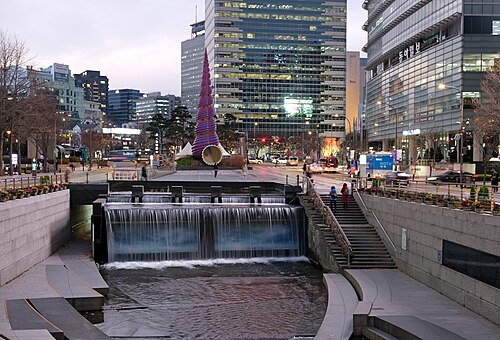
Cheonggyecheon is an 11-kilometre stream running through the middle of Seoul, sunk a storey below street level between Cheonggye Plaza and the Hangang River.
- Must see
- Nature site
- Seoul
Language · 11 published
Country guide
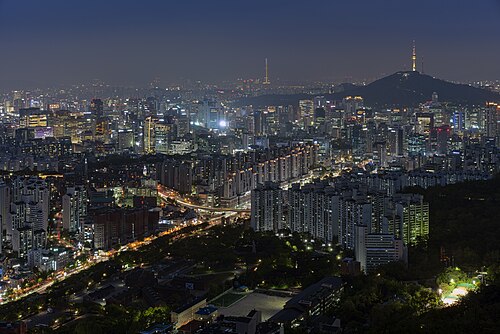
Half of South Korea's 51 million people live in a single metropolitan area, and that shapes a visit more than the country's 100,472 square kilometres do. Seoul and the region around it hold the palaces, the museums and most of the reasons to come, and everywhere else is measured as a train ride out from it. Busan, at the far southeastern corner, is the coastal counterweight of beaches, a fish market and hills of stacked houses, while Gyeongju in between is the old Silla capital and is largely tombs and temples. The northern border is closed, so every route out of Seoul runs south.
Reviewed by Elena Voss · Roavina Travel Editor
Every city catalogued in this country so far, ranked by how much there is to see.
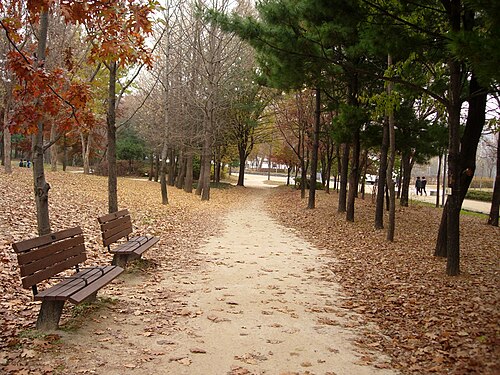
Photograph · USAGI_POST · CC0
Ranked by importance — sitelinks, pageviews and heritage status, not editor preference.
14 places match
Category
Typical visit duration
Interests
청계천공원
Cheonggyecheon is an 11-kilometre stream running through the middle of Seoul, sunk a storey below street level between Cheonggye Plaza and the Hangang River.
서울숲
Seoul Forest is a major urban park located in Seongdong-gu, Seoul, South Korea. The local name is 서울숲. It was developed on former landfill and industrial sites, transforming degraded land into substantial green space.
올림픽공원
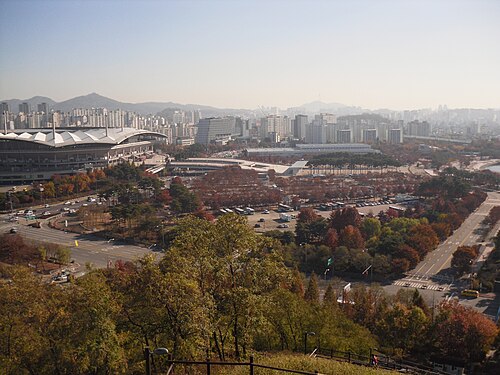
Olympic Park is a major public park in Seoul, South Korea, established for the 1988 Summer Olympics. The local name is 올림픽공원. It occupies a large site in the Songpa-gu district and serves as a legacy venue from the Games.
서울식물원
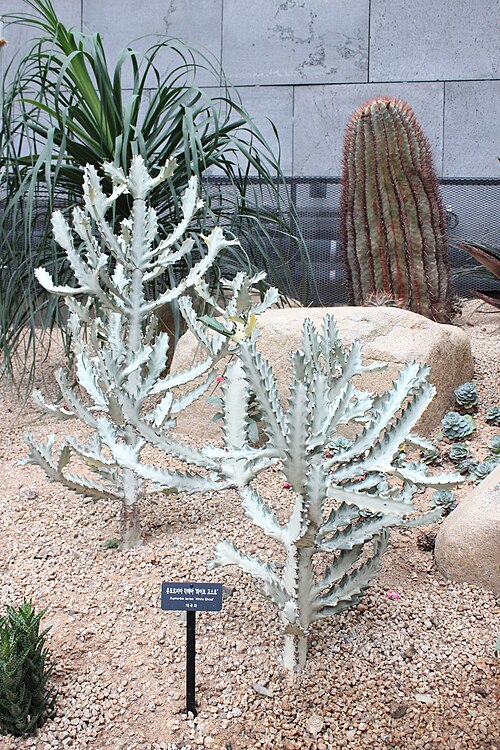
Seoul Botanic Park, also called 서울식물원, is a large botanical garden in western Seoul. It gives visitors a plant-focused break from the city's dense streets, combining conservation, education, landscaped gardens, and recreation.
여의도공원
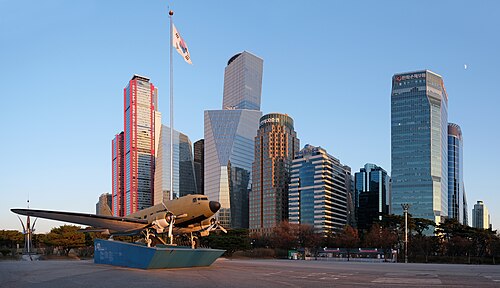
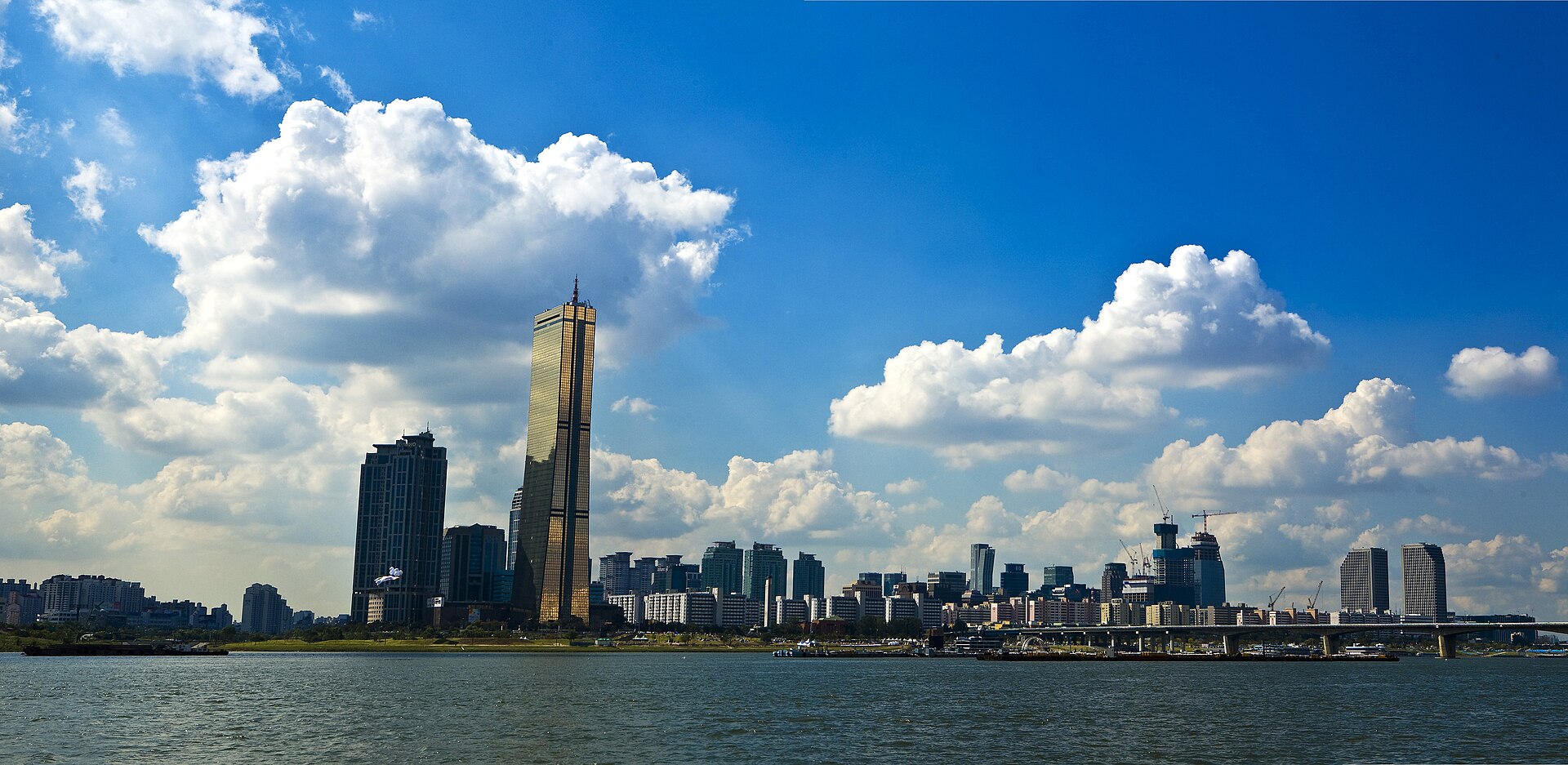
Yeouido Park is an urban green space on Yeouido, an island in the Han River in Seoul.
하늘공원
World Cup Park is a large public green space in western Seoul, created on a former landfill site during the urban improvements associated with the 2002 FIFA World Cup.
탑골공원
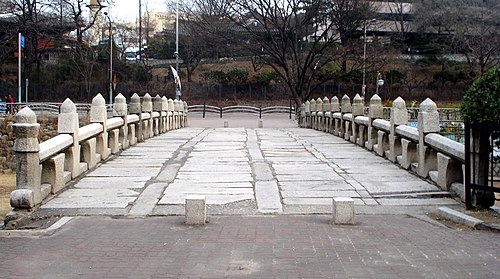
Tapgol Park, known locally as 탑골공원, is a historic public park located in the Jongno district of central Seoul. The park occupies a site of considerable historical significance in Korean modern history.
서울어린이대공원
Seoul Children's Grand Park is a major public park in Seoul, South Korea. Its local name is 서울어린이대공원. The park occupies a significant green space within the urban environment and serves as a recreational destination for families and visitors.
송파나루공원
Seokchon Lake Park, also known as 송파나루공원, is a public park in Seoul's Songpa district built around Seokchon Lake. It offers water views and landscaped walking space beside one of the city's busiest commercial and entertainment areas.
동대문역사문화공원
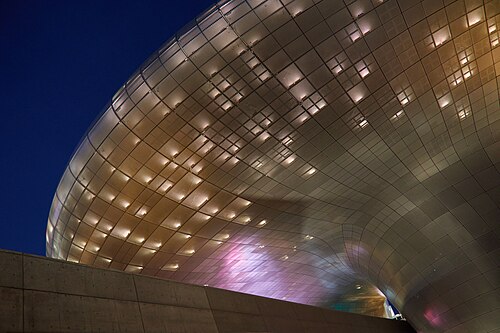
Dongdaemun History & Culture Park is a public cultural park in Seoul built around the historic Dongdaemun area. It brings together open landscaped grounds, archaeological remains, old fortress-wall fragments and the striking Dongdaemun Design Plaza.
반포한강공원
Banpo Hangang Park is a major riverside park on Seoul's southern Han River bank. It offers open lawns, waterfront views, walking, cycling, and relaxed outdoor time within the city.
Gyeongui Line Forest Park is a linear urban park in Seoul created along the route of the former Gyeongui railway corridor.
서대문독립공원
Seodaemun Independence Park is a historical visitor park in Seoul, South Korea, known locally as 서대문독립공원. The site holds significance as a former prison complex associated with the Japanese colonial period.
장충단공원
Jangchungdan Park, or 장충단공원, is a historical urban park in Seoul. It combines green space, walking paths, and a setting connected with the city's commemorative landscape.
Source: OpenStreetMap contributors, Wikidata ·
Seven to ten days gives Seoul several district-based days and leaves room for Busan or Gyeongju. Jeju requires a separate flight or ferry plan, and Gyeongju works better with an overnight than as a rushed return from Seoul.
South Korea's visa-free eligibility and K-ETA rules depend on nationality and can change. Check the official immigration and K-ETA services for the travel date rather than relying on an exemption announced for an earlier year.
Incheon connects to Seoul by airport rail and buses; KTX trains and intercity buses handle longer mainland journeys. Rechargeable transport cards are useful across city systems, while Jeju and some regional areas need separate road planning.
April to May and October to November are broad windows for this Seoul-led route. Blossom timing, autumn colour, summer rain, and Jeju conditions vary, so confirm the dates for the intended region.
South Korea uses the won (KRW). Cards are widely used, but retain some won for traditional markets, small operators, or transport contingencies and verify the KRW total before payment.
Call 112 for police and 119 for fire or ambulance in South Korea. Type C and F sockets supply 220 V; tap-water guidance is not recorded here.