

1 min walk
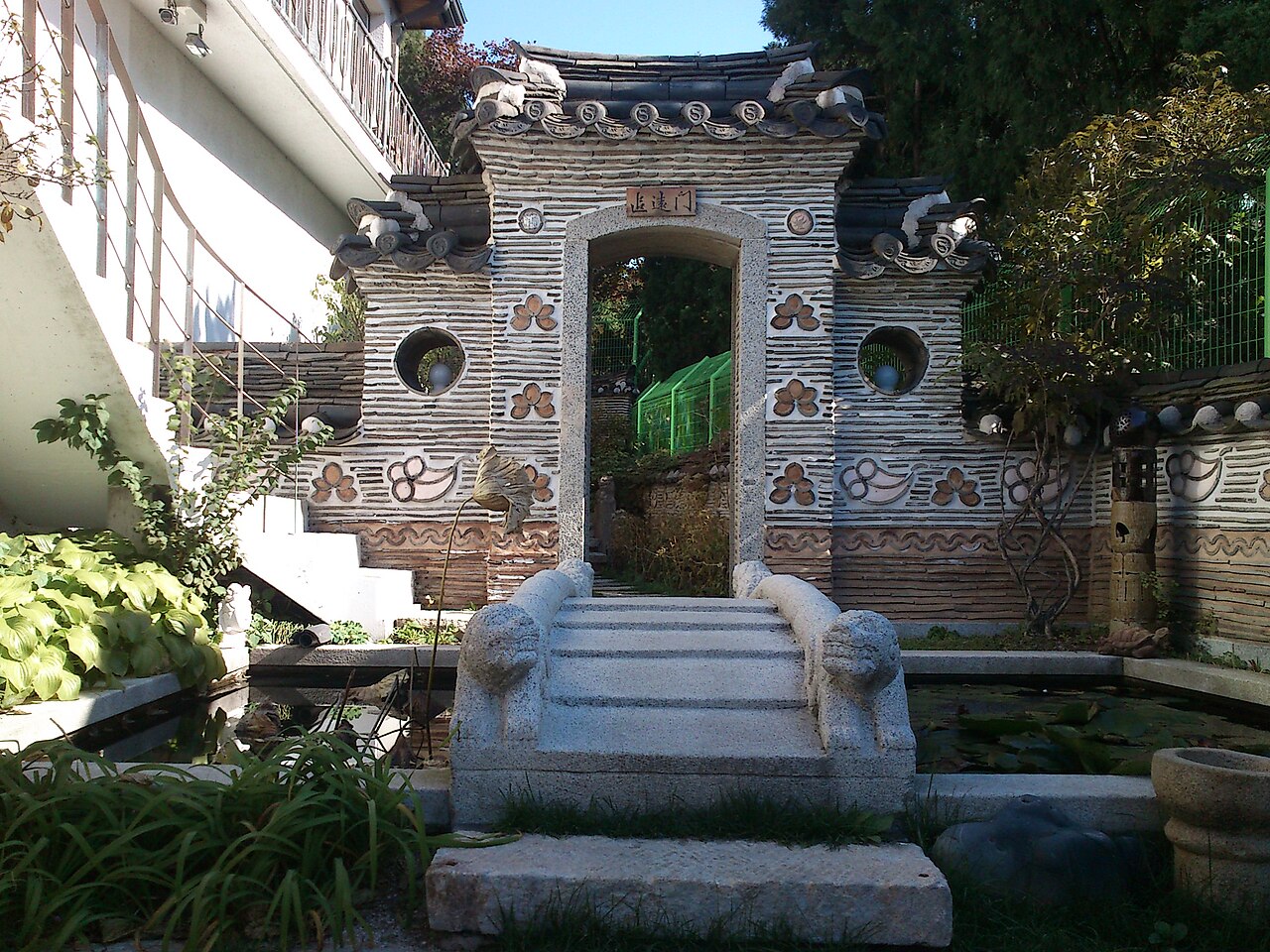
Baek Inje House
- Notable · Heritage site
- Historic monument
Art and culture venue · Seoul
북촌미술관
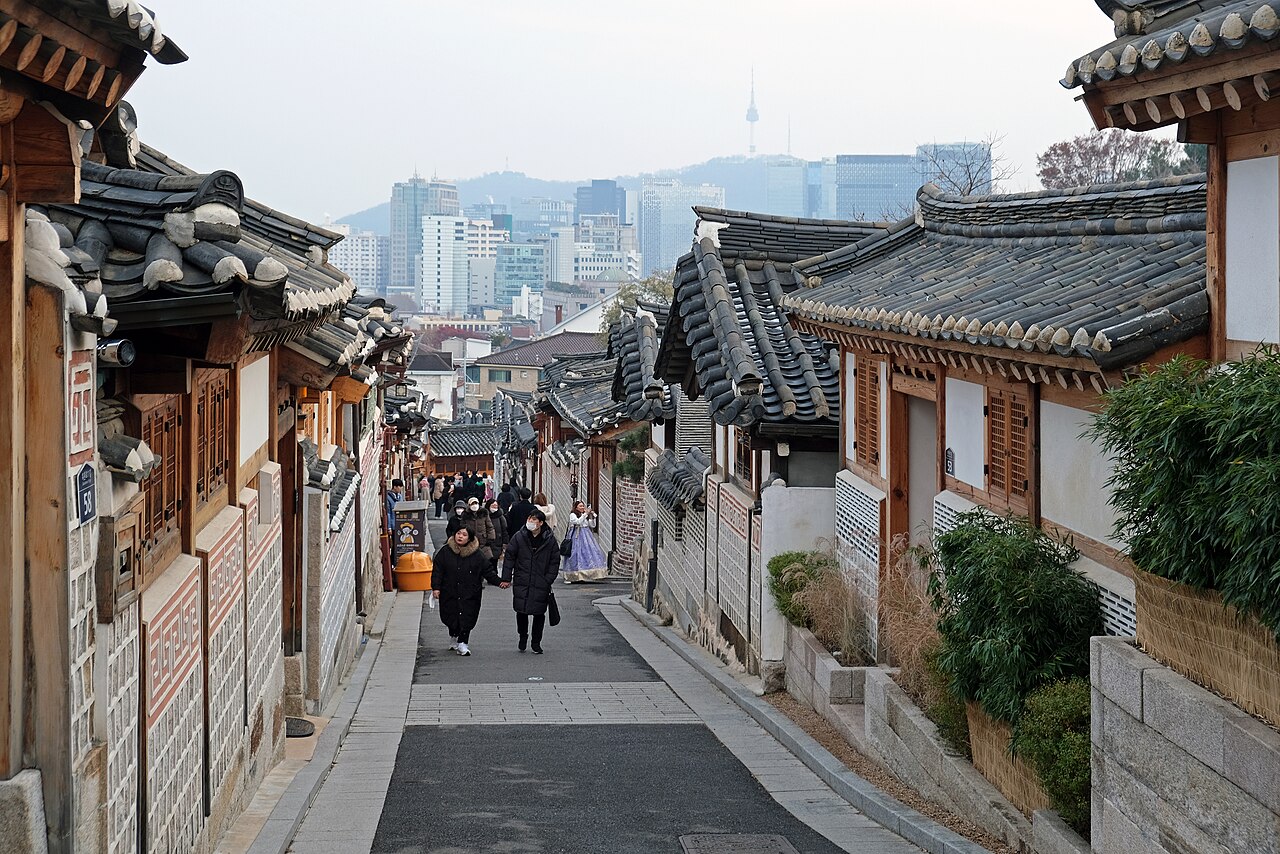
Bukchon Art Museum, known locally as 북촌미술관, is a cultural institution in Seoul’s historic Bukchon Hanok Village. The museum occupies a traditional Korean hanok setting, placing art inside the architectural environment associated with Bukchon and the Joseon-period heritage of the neighborhood. Bukchon means “north village,” referring to the area between Gyeongbokgung Palace and Changdeokgung Palace. This location gives the museum a distinctive relationship with Seoul’s historic urban fabric. A visit combines a focused art stop with the experience of a living residential district where traditional houses stand among modern city streets. Bukchon Art Museum is therefore valuable not only for its exhibitions but also for the way the venue connects Korean art and hanok architecture. Travelers should treat the museum as one part of a wider Bukchon walk, with attention to the difference between a cultural institution and the private homes surrounding it. The museum offers a compact way to encounter art within one of Seoul’s most recognizable historic neighborhoods.
Checked 2026-08-26 · Source
Bukchon Art Museum presents Korean traditional and contemporary art in a hanok environment. Visitors encounter artworks in rooms shaped by wooden beams, paper windows and heated floors associated with traditional Korean domestic architecture. The building is part of the viewing experience: the artworks are not separated from the historic character of the structure, so the museum rewards attention to both art and architectural detail. The supplied description does not identify a permanent collection or a specific temporary exhibition schedule. Travelers should focus on the confirmed combination of art, Korean cultural context and hanok interiors rather than planning around a named artist or particular gallery. The museum’s compact scale supports close observation. Look at how light, materials and room proportions affect the presentation, then step back into Bukchon to understand the relationship between the institution and the village around it. The result is more intimate than a large national museum visit, with the building itself helping frame the experience of Korean art.
Checked 2026-08-26 · Source
Allow roughly forty-five to ninety minutes for Bukchon Art Museum, depending on the scale of the exhibition and how closely you study the hanok architecture. The museum is compact, so the visit works well as a concentrated cultural stop rather than a full-day attraction. Reserve additional time for Bukchon Hanok Village itself: the surrounding alleys, traditional houses and viewpoints turn the museum visit into a broader neighborhood experience. A half-day plan gives travelers room to move slowly through the district, pause for photographs where appropriate and include other heritage sites. The steep and narrow streets can make walking slower than the map distance suggests. Inside the museum, attentive visitors may spend time noticing wooden beams, paper windows and heated floors alongside the displayed works. A shorter visit is practical for travelers moving between palace-area destinations, while a longer Bukchon circuit gives the museum’s setting more significance.
Checked 2026-08-26 · Source
Weekday mornings are a calmer choice for Bukchon Art Museum than busy weekends and national holidays, when Bukchon Hanok Village attracts heavy foot traffic. Spring and autumn are comfortable for combining the museum with a walk through the neighborhood, while Seoul’s hot, humid summers and cold, dry winters make the indoor gallery especially useful within a day of mixed activities. Rain and snow can make traditional stone paths slippery, and the district’s steep alleys require careful footing. The museum’s value does not depend on a particular season because the experience joins art with a hanok interior. Choose a time that leaves enough room for the surrounding residential streets, and keep the walking portion realistic in poor weather. Bukchon is an active neighborhood, so a quieter visiting period also helps travelers move respectfully around residents’ homes and reduces pressure on narrow lanes.
Checked 2026-08-26 · Source
Travelers should separate the museum visit from the free experience of walking through the wider neighborhood and should not treat the village itself as evidence about museum entry. The museum’s cultural value comes from viewing art in a traditional hanok setting, while any payment arrangement belongs to the institution. Plan the day with the museum as one focused stop and the surrounding streets as a separate part of the itinerary. This distinction matters because Bukchon contains multiple cultural sites and heritage spaces, each with its own arrangements. The available guide supports the museum’s location, artistic purpose and architectural setting, but it does not support a standard price, concession category or combined ticket claim. Build the cultural route around the confirmed experience rather than an unverified budget assumption.
Checked 2026-08-26 · Source
Reach Bukchon Art Museum through Bukchon Hanok Village from Anguk Station on Seoul Subway Line 3. The approach is a walk through a historic residential district rather than a direct vehicle drop-off at a large modern museum entrance. Bukchon’s alleys are narrow and steep, with irregular stone surfaces, so allow more effort than the distance from the station may suggest. Taxis can approach peripheral streets, but the pedestrian-dense core limits vehicle movement. The museum’s traditional appearance can blend with neighboring hanok buildings, making the exact entrance important once you are in the village. Use the museum name 북촌미술관 together with a map when navigating. A route through Bukchon should include time for orientation and considerate movement around homes. Anguk Station is the confirmed subway reference supplied for the museum, while the surrounding village streets provide the final walking context. The destination works best as part of a palace-and-Bukchon cultural day.
Checked 2026-08-26 · Source
Bukchon Hanok Village is an active residential neighborhood, so visitors should keep noise low, leave doorways clear and protect residents’ privacy. Do not photograph private homes or occupants without discretion. The steep alleys and uneven stone paving require careful footing, especially after rain or snow. The museum’s hanok setting may include stepped thresholds, low doorways and floors shaped by traditional construction, so travelers with mobility needs should plan the walking approach carefully. Crowding can make narrow lanes uncomfortable and can reduce the quality of the museum visit. Hanbok rental and commercial photography are visible parts of the wider Bukchon experience, but they do not replace respectful conduct in a residential area. Inside the museum, follow staff directions and keep attention on the artwork and building. The most important practical distinction is between public cultural space and private neighborhood: the museum welcomes cultural interest, while nearby homes remain residents’ property.
Checked 2026-08-26 · Source
Bukchon Art Museum offers photographic interest through its combination of Korean art and traditional hanok architecture, including wooden beams, paper windows and the building’s historic materials. In the surrounding village, photography requires additional care because Bukchon is a lived-in neighborhood rather than an open-air stage set. Do not pose on private property, block narrow alleys or photograph residents without discretion. Tripods and commercial equipment can be especially disruptive in compact rooms and busy lanes. A thoughtful photograph can show how art and architecture share the same setting, but the image should not turn the museum or village into a purely decorative backdrop. Keep equipment compact, move aside for pedestrians and follow any rules communicated inside the museum.
Checked 2026-08-26 · Source
Yes. Bukchon Art Museum is a cultural institution situated within Seoul’s historic Bukchon Hanok Village.
Bukchon means “north village” and refers to the area between Gyeongbokgung Palace and Changdeokgung Palace.
Bukchon Art Museum is set in a traditional Korean hanok with wooden beams, paper windows and heated floors associated with traditional domestic architecture.
Anguk Station on Seoul Subway Line 3 provides the subway connection for reaching Bukchon Art Museum and the surrounding village.
Bukchon Art Museum presents Korean traditional and contemporary art in a hanok setting that is part of the viewing experience.
Allow roughly forty-five to ninety minutes for the museum, with additional time for walking through Bukchon Hanok Village.
Loading the interactive map…
The interactive map could not be loaded.
Last updated:
Source: OpenStreetMap contributors, Wikidata ·