


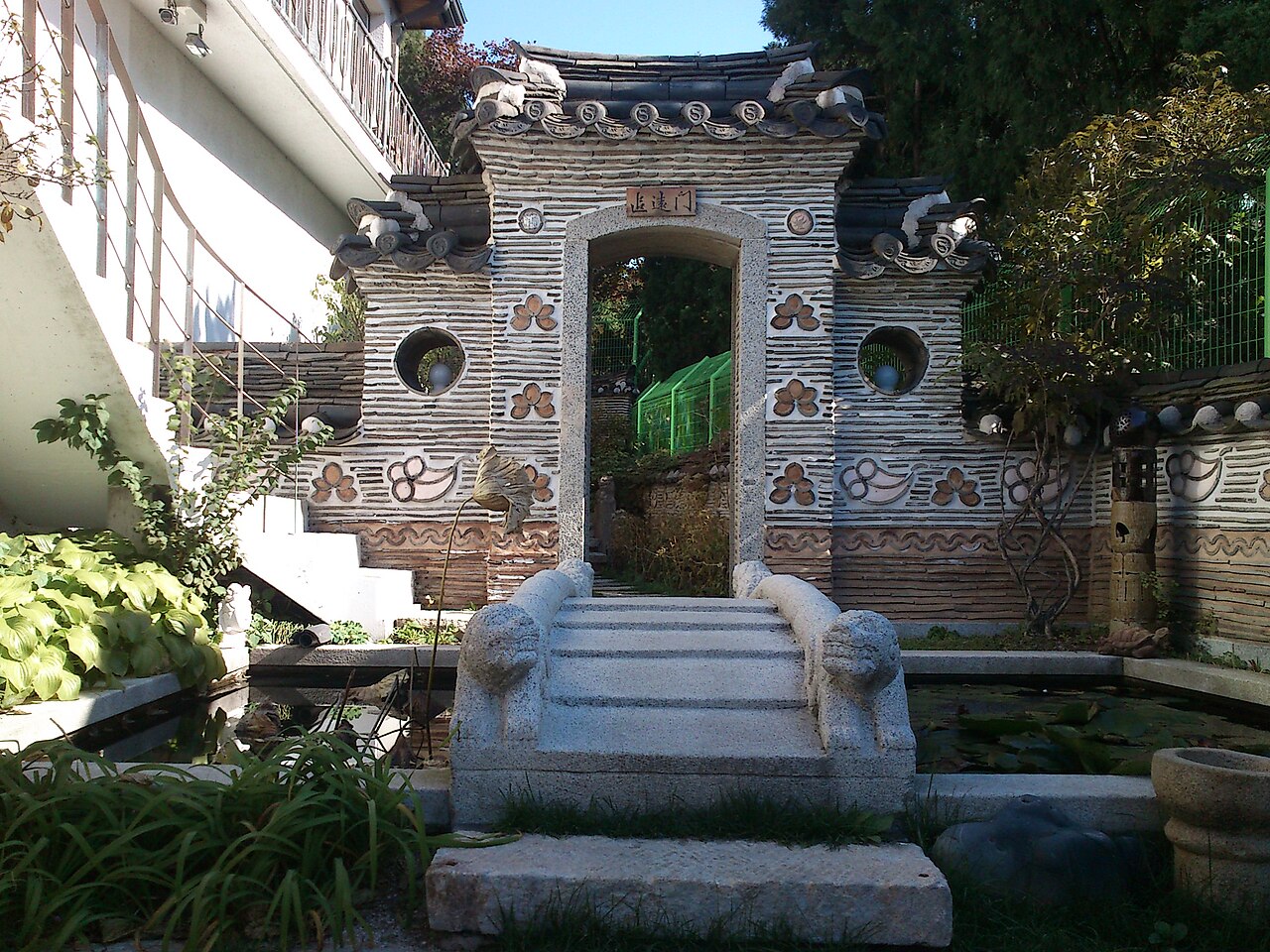
1 min walk
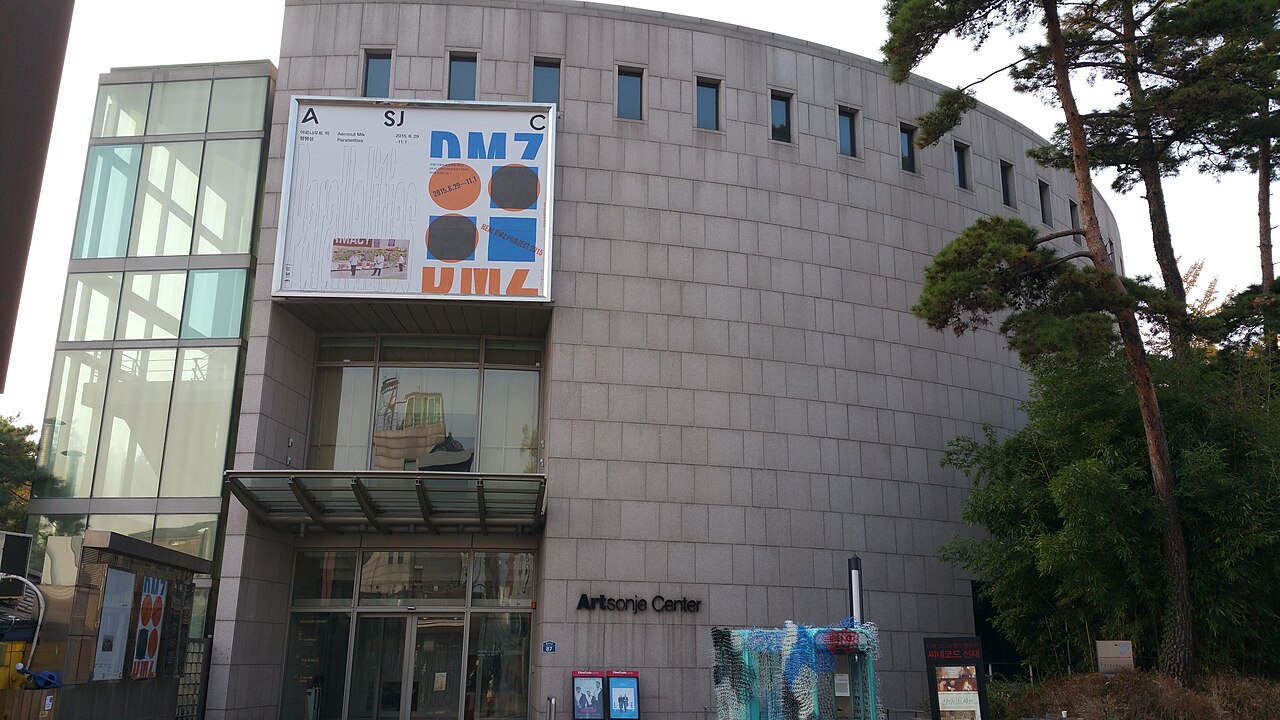
Bukchon Art Museum
- High
- Art and culture venue

Historic monument · Seoul
가회동백인제가옥
Baek Inje House is a traditional Korean residence in Gahoe-dong, within Seoul’s Bukchon Hanok Village and Jongno-gu. The house carries the name of Baek Inje and presents domestic architecture rather than a palace, fortress or modern gallery. Its value is in the way a hanok compound brings together timber construction, tiled roofs, courtyards and carefully separated living spaces. A visit gives travellers a closer look at residential heritage in a neighbourhood where traditional houses remain part of the streetscape. The property is especially useful for understanding how architecture shaped everyday life and status.
Checked 2026-08-26 · Source
Baek Inje House is experienced through its hanok buildings, courtyard spaces and traditional architectural details. Look for timber framing, tiled rooflines, wooden floors, latticework and the transition between enclosed rooms and open-air areas. Traditional Korean homes commonly use ondol underfloor heating and maru wooden-floored spaces, features that help explain how rooms responded to climate and household life. The compound’s arrangement is more important than any single ornament: separate quarters, thresholds and courtyards show how movement and privacy were organised. Take time to compare the house with the surrounding Bukchon lanes.
Checked 2026-08-26 · Source
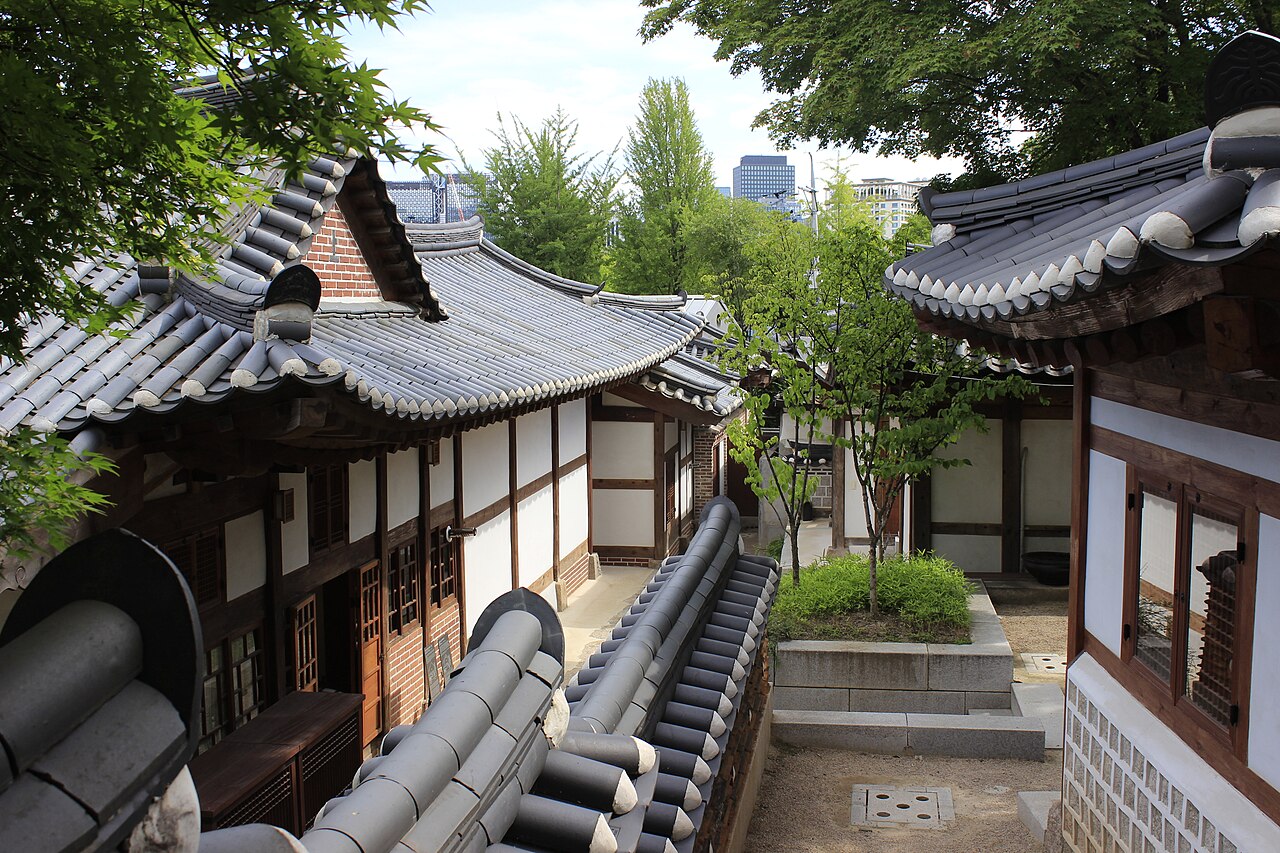
Allow thirty minutes to one hour for Baek Inje House. That time lets you examine the exterior, move through accessible courtyard areas and study any rooms open along the route. Architectural photographers and visitors interested in Korean construction may need longer for roof details, joinery and changing views across the compound. The house works well as one stop in a broader Bukchon walk, where neighbouring lanes and other hanok add context. Keep the pace quiet and observant: the property is a residential type of heritage place, not an attraction built for rapid circulation.
Checked 2026-08-26 · Source
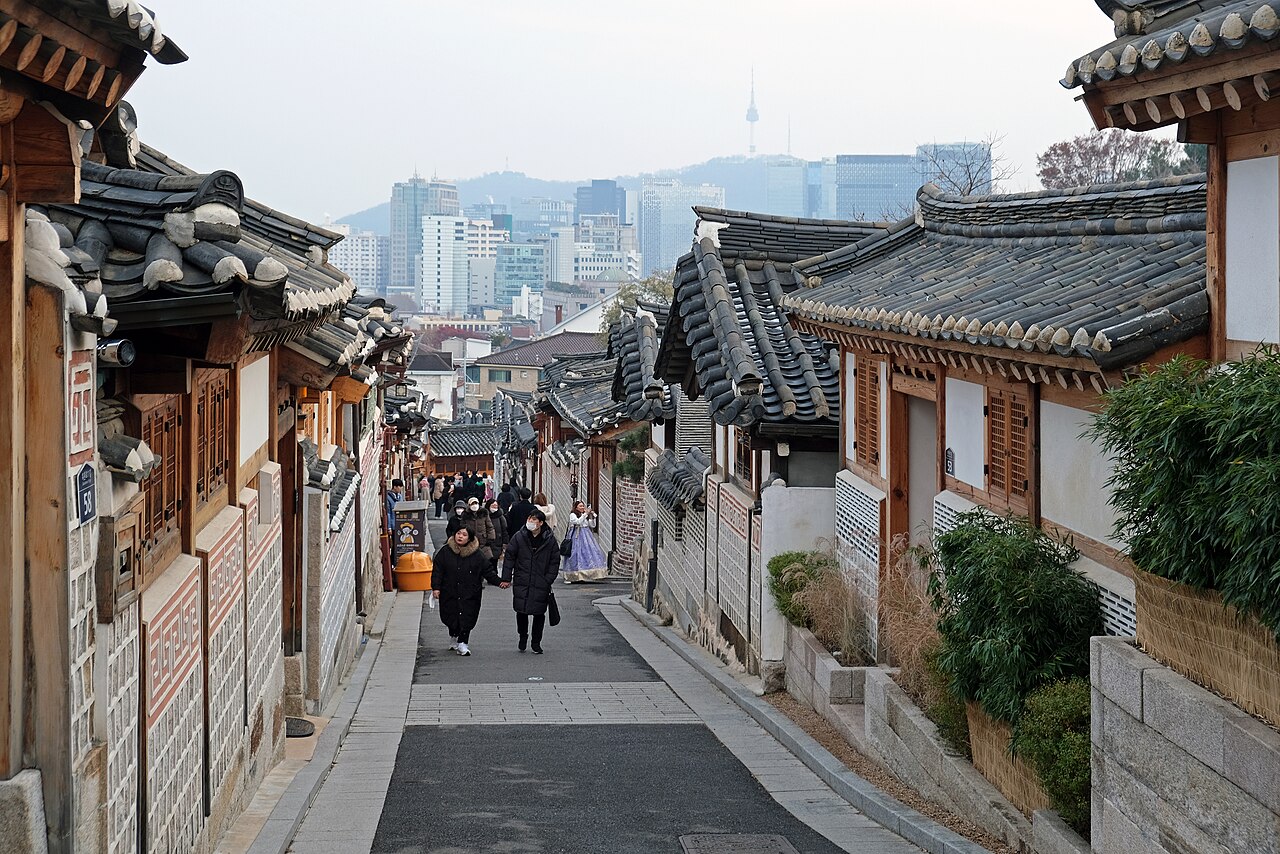
Baek Inje House is most enjoyable when the wider Bukchon area is calmer, particularly on a weekday morning. Spring flowers and autumn foliage add colour to the courtyards and lanes, but these seasons also bring more visitors. Summer heat and humidity make the hilly walk more demanding; winter requires warm clothing and care on cold surfaces. Choose a time that leaves room for slow architectural viewing rather than squeezing the house between fixed bookings. The surrounding neighbourhood is active throughout the day, so respectful behaviour matters whenever you arrive.
Checked 2026-08-26 · Source
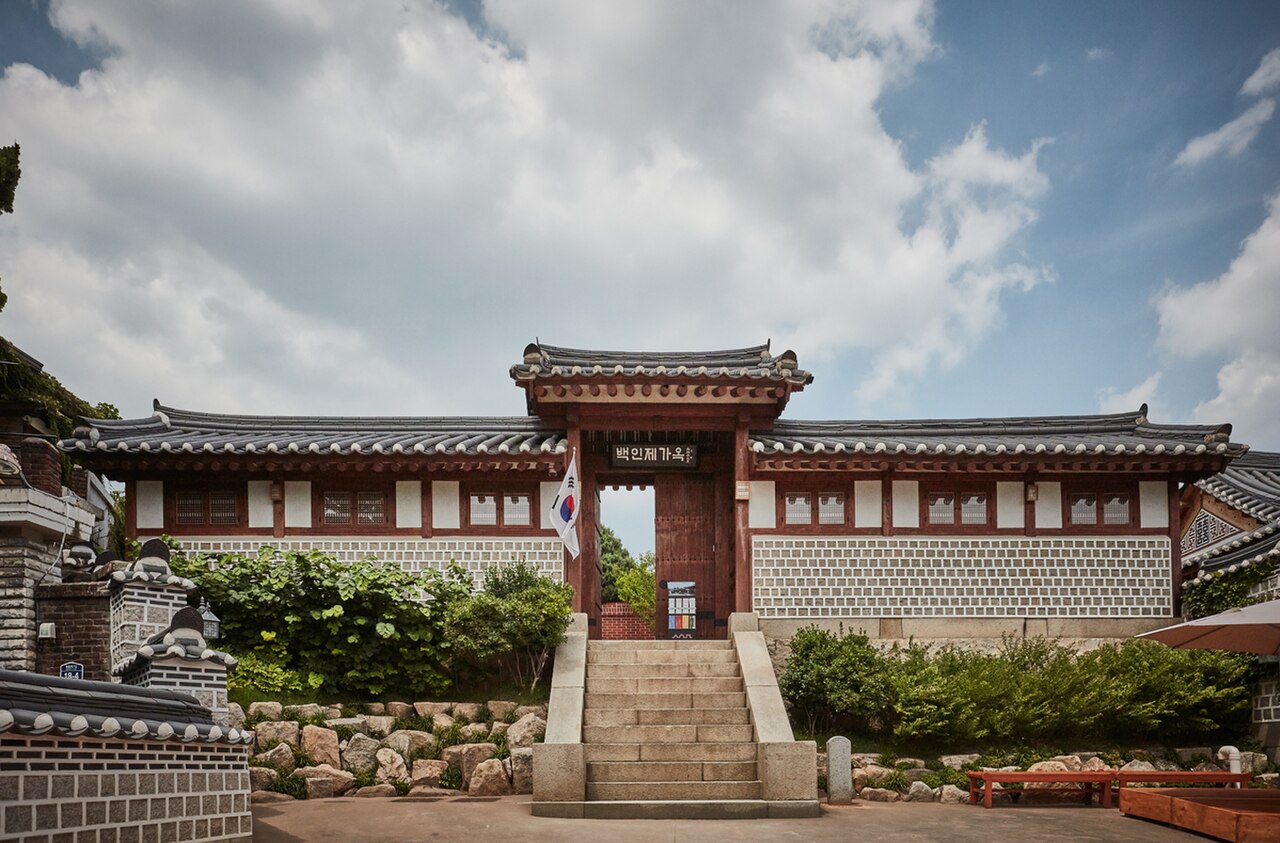
Baek Inje House should be planned as a heritage visit within Bukchon, with admission handled according to the property’s visitor arrangements. The supplied guide identifies the house as a designated cultural property but gives no confirmed price or ticket category for this specific entrance. Nearby museums, residences and cultural venues can have separate arrangements. Keep any plan flexible enough to enjoy the exterior architecture and neighbourhood streets even if access inside a particular building is limited. The most important preparation is understanding that Baek Inje House is a protected heritage setting with defined visitor areas.
Checked 2026-08-26 · Source
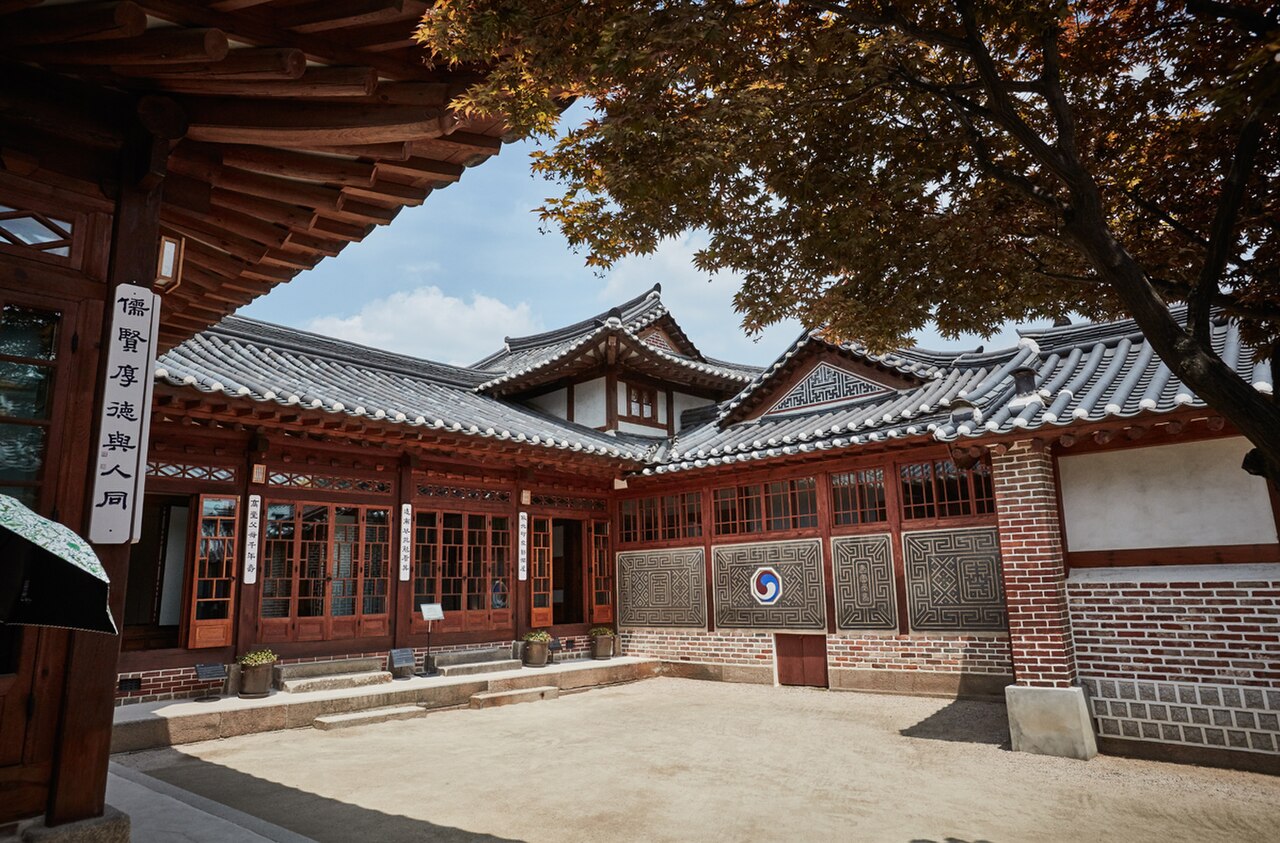
Reach Baek Inje House through Gahoe-dong in Bukchon Hanok Village. Anguk Station on Seoul Subway Line 3 is the named public-transport connection, followed by a walk through narrow traditional streets. Bukchon includes slopes, steps and uneven surfaces, and vehicle movement is restricted in much of the neighbourhood. Use a current map for the final turns because the hanok lanes do not follow a simple modern street grid. Comfortable shoes are essential, and a walking route that includes pauses is more practical than arranging a short vehicle drop-off at the door.
Checked 2026-08-26 · Source
Baek Inje House stands in a living neighbourhood, so keep voices low and do not photograph residents, private homes or people without permission. Follow the property’s marked route and stay out of closed rooms or service areas. Bukchon’s hills, steps and narrow alleys can be difficult in rain, low light or winter weather. Traditional paving and wooden surfaces may become slippery. The house rewards attention to detail, but visitors should never lean on fragile elements or treat the compound as a backdrop for disruptive group activity. Leave room for residents and other guests to pass.
Checked 2026-08-26 · Source
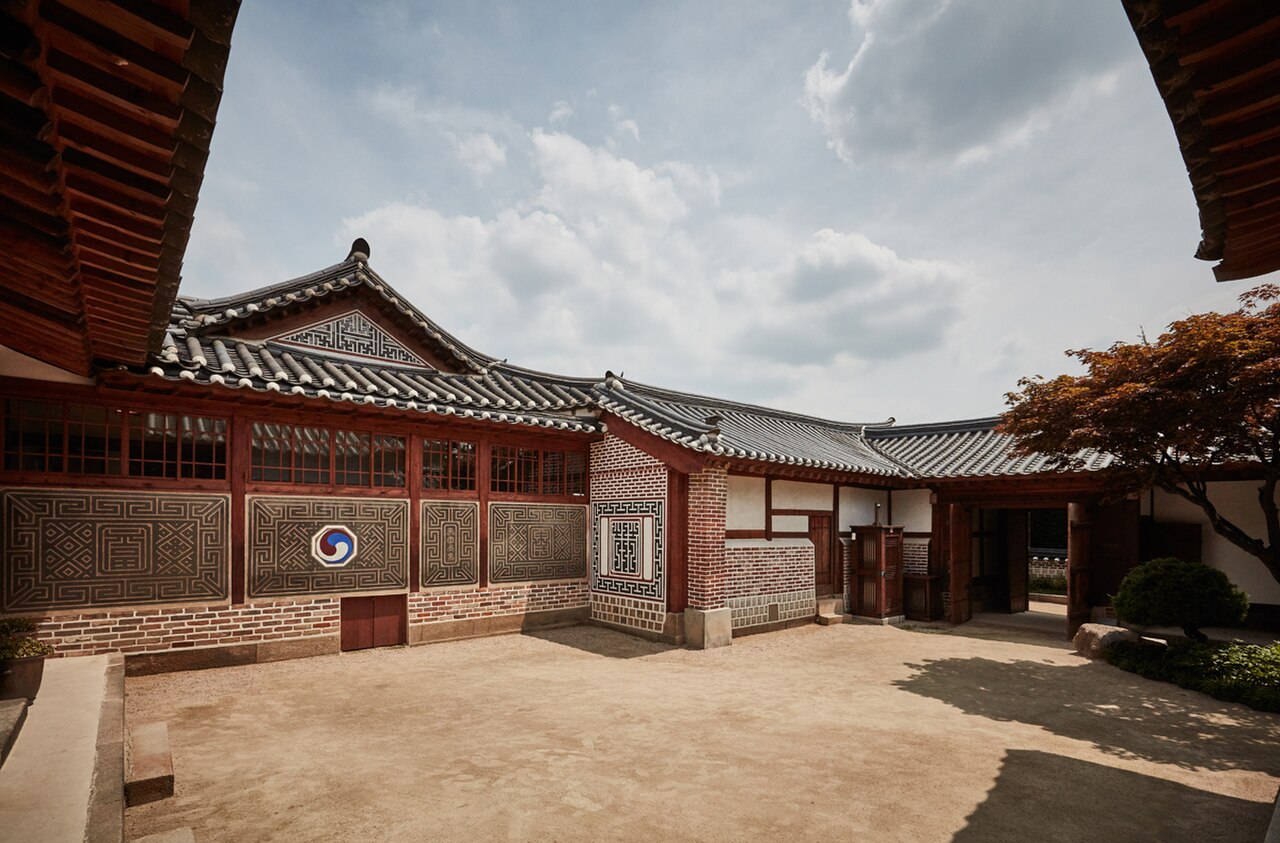
Baek Inje House offers strong subjects in rooflines, timber joints, courtyard perspectives, lattice windows and the textures of tile, wood and paper. Wider compositions show how the house fits into Bukchon’s traditional streetscape; closer frames reveal the craft of the building. Natural light changes across open doors and shaded courtyards, so move slowly and let your eyes adjust before photographing interiors. Keep equipment compact in confined spaces, leave pathways clear and respect posted restrictions. The surrounding residential lanes require particular care: photograph the heritage architecture, not private life.
Checked 2026-08-26 · Source
Baek Inje House is in Gahoe-dong, within Seoul’s Bukchon Hanok Village in Jongno-gu.
It is a traditional Korean residence and protected cultural property showcasing hanok domestic architecture.
Allow approximately thirty minutes to one hour for the house and its accessible courtyard and architectural details.
Use Seoul Subway Line 3 to Anguk Station, then walk through Bukchon’s narrow and sometimes hilly hanok streets.
Focus on the timber structure, tiled roofs, wooden floors, latticework, courtyards and the way rooms and thresholds organise domestic space.
Keep noise low, stay in visitor areas and avoid photographing private homes or residents in the surrounding living neighbourhood.
Loading the interactive map…
The interactive map could not be loaded.
Last updated:
Source: OpenStreetMap contributors, Wikidata ·