.jpg)
1 min walk
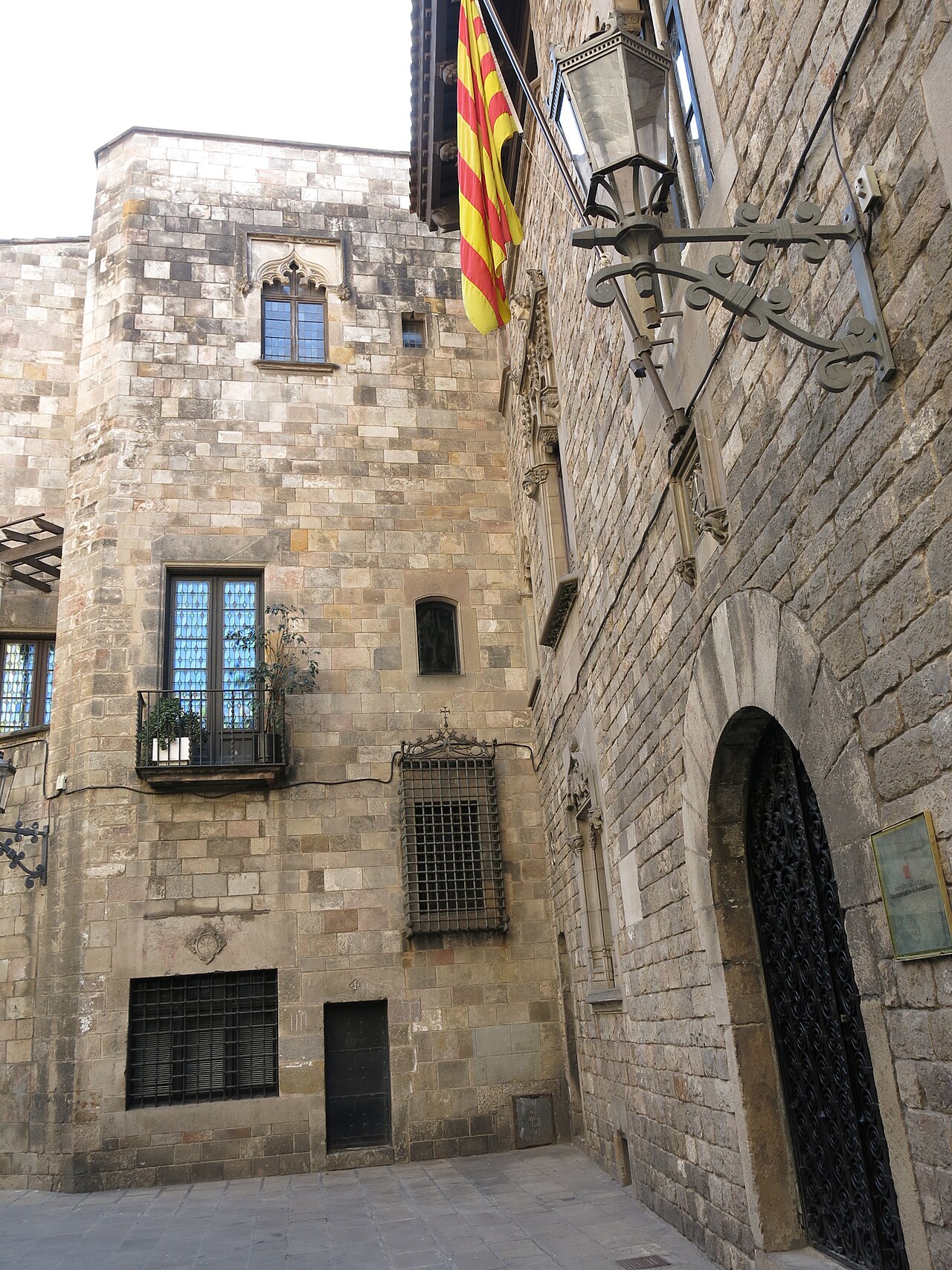
Cases dels Canonges
- Must see · Heritage site
- Historic monument
Museum · Barcelona
Temple d'August
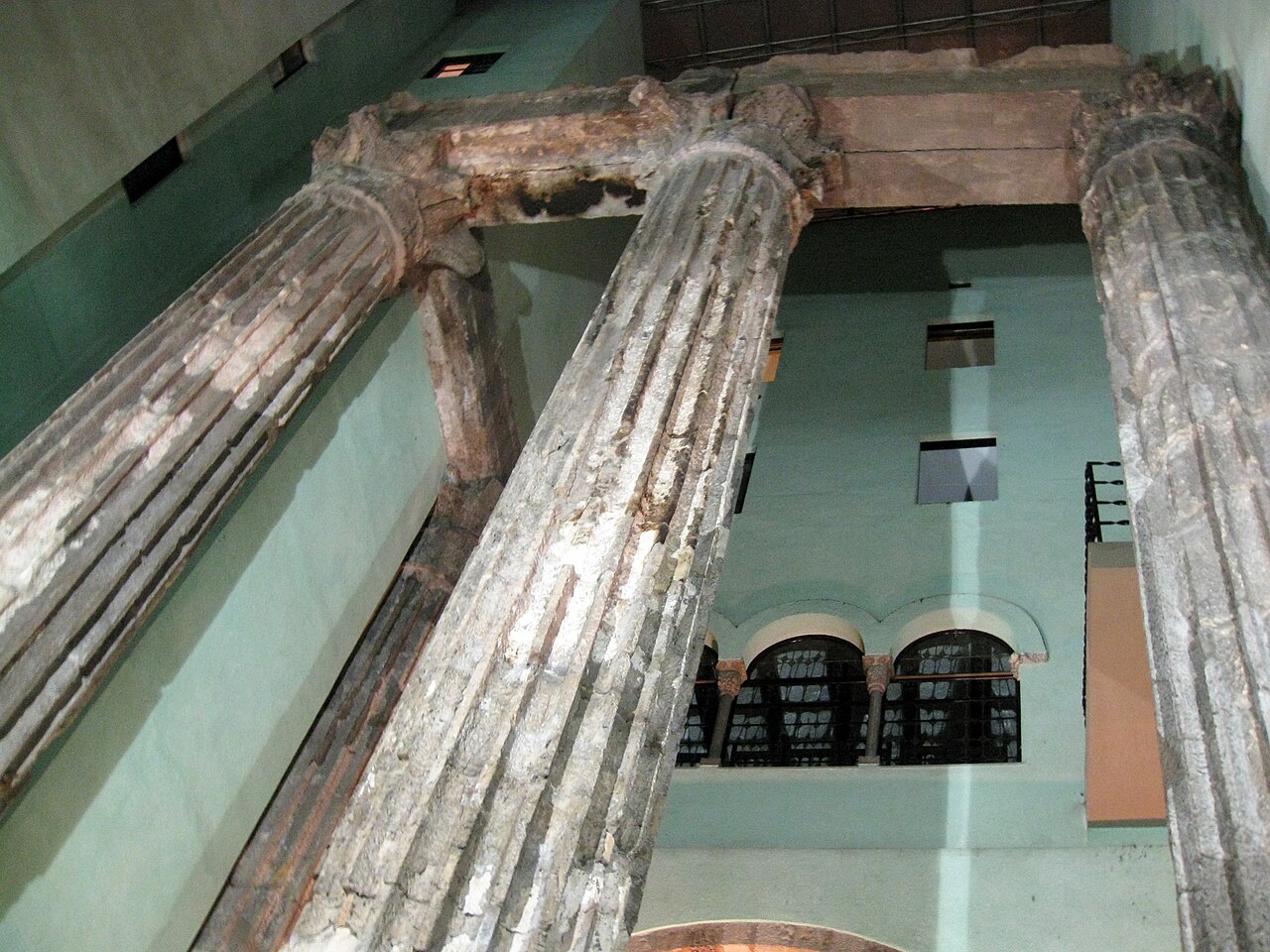
Temple of Augustus is one of Barcelona’s clearest surviving links with the Roman colony of Barcino. Four Corinthian columns and part of the temple podium stand within the Gothic Quarter, where medieval buildings surround and preserve the ancient remains. The setting is central to the experience: Roman architecture is encountered inside the later city rather than isolated in an open archaeological park. Travellers interested in ancient history, architecture, and layered urban landscapes will find a focused landmark here. The temple is especially useful for understanding that Barcelona’s historic centre contains several different periods at once, from Roman foundations to medieval streets and later façades. Look beyond the columns themselves and notice how the remains occupy a courtyard enclosed by the dense fabric of the old city. This compact monument rewards close observation more than a hurried glance. It is a small destination with a large historical reach, connecting present-day Barcelona with the imperial world in which Barcino developed.
Checked 2026-08-26 · Source
The principal sights are four standing Corinthian columns and the podium base of the Roman temple. The columns preserve the formal language of classical architecture: vertical shafts, capitals, and a carefully proportioned arrangement intended to give the building presence above the surrounding space. The podium shows the solid raised platform on which the temple stood. Together, these elements allow visitors to read both the decorative and structural sides of Roman construction. The courtyard setting also matters. Ancient stone rises among later walls, making the remains a lesson in how cities reuse, protect, and build around earlier monuments. Spend time comparing the scale of the columns with the surrounding buildings, then look closely at the stone surfaces and surviving architectural details. The visit does not depend on a large collection or extensive gallery. Its content is concentrated in the physical remains, their arrangement, and the contrast between Roman order and the irregular medieval streets outside. Travellers should approach slowly enough to see the podium as well as the more prominent columns.
Checked 2026-08-26 · Source
Allow fifteen to thirty minutes for the Temple of Augustus itself. That interval gives enough time to examine the four columns, study the podium, take photographs, and understand the relationship between the Roman remains and the surrounding courtyard. Travellers with a strong interest in archaeology may stay longer to inspect capitals, masonry, and the way the monument has been incorporated into later buildings. The temple works best as one stop in a wider Gothic Quarter walk. Combine it with nearby lanes, historic squares, Roman traces, and medieval architecture rather than reserving an entire half-day for the columns alone. A measured visit is more rewarding than a rushed photograph because the monument’s scale is easy to underestimate from the entrance. Leave room in the route for orientation through the old city, where short distances can take time because streets are narrow and irregular. The temple’s concentrated size makes it convenient for families, photographers, and travellers building a day around Barcelona’s historic centre.
Checked 2026-08-26 · Source
A daytime visit is the best way to read the columns, capitals, podium, and courtyard setting. Spring and autumn are comfortable seasons for combining the temple with a longer walk through the Gothic Quarter. Summer brings stronger heat and heavier pedestrian movement in the historic centre, so an earlier part of the day can make the route more comfortable. Winter often offers a quieter atmosphere for close architectural observation. The enclosed courtyard gives the monument a different light from the open streets outside, and the appearance of the stone changes as daylight moves across the space. Plan the temple as part of a daytime historical route, with other old-city sights before or after it. The surrounding quarter is enjoyable in every season, but comfortable footwear and patience are valuable when streets become crowded. Travellers who prefer a calmer experience should avoid the busiest periods around the central Gothic Quarter. The site’s Roman character is strongest when you can pause without blocking other visitors.
Checked 2026-08-26 · Source
The Temple of Augustus is best understood as a compact heritage stop within the Gothic Quarter. The place information establishes the Roman columns and podium but gives no ticket price, reservation arrangement, or payment detail. Build the visit around the archaeological remains and combine it with the surrounding historic streets. The monument’s appeal comes from seeing ancient architecture in its original urban context, not from a large programme of galleries or attractions. Travellers should leave flexibility in the day because the most useful experience is a short, attentive stop linked to other central Barcelona landmarks. The temple can anchor a route through the old city: begin with Roman history, continue through medieval lanes, and use nearby plazas to see how the city changed over time. Its compact scale makes it easy to include between larger destinations. Keep expectations focused on the columns, podium, courtyard, and historical setting, all of which can be appreciated without treating the monument as an all-day attraction.
Checked 2026-08-26 · Source
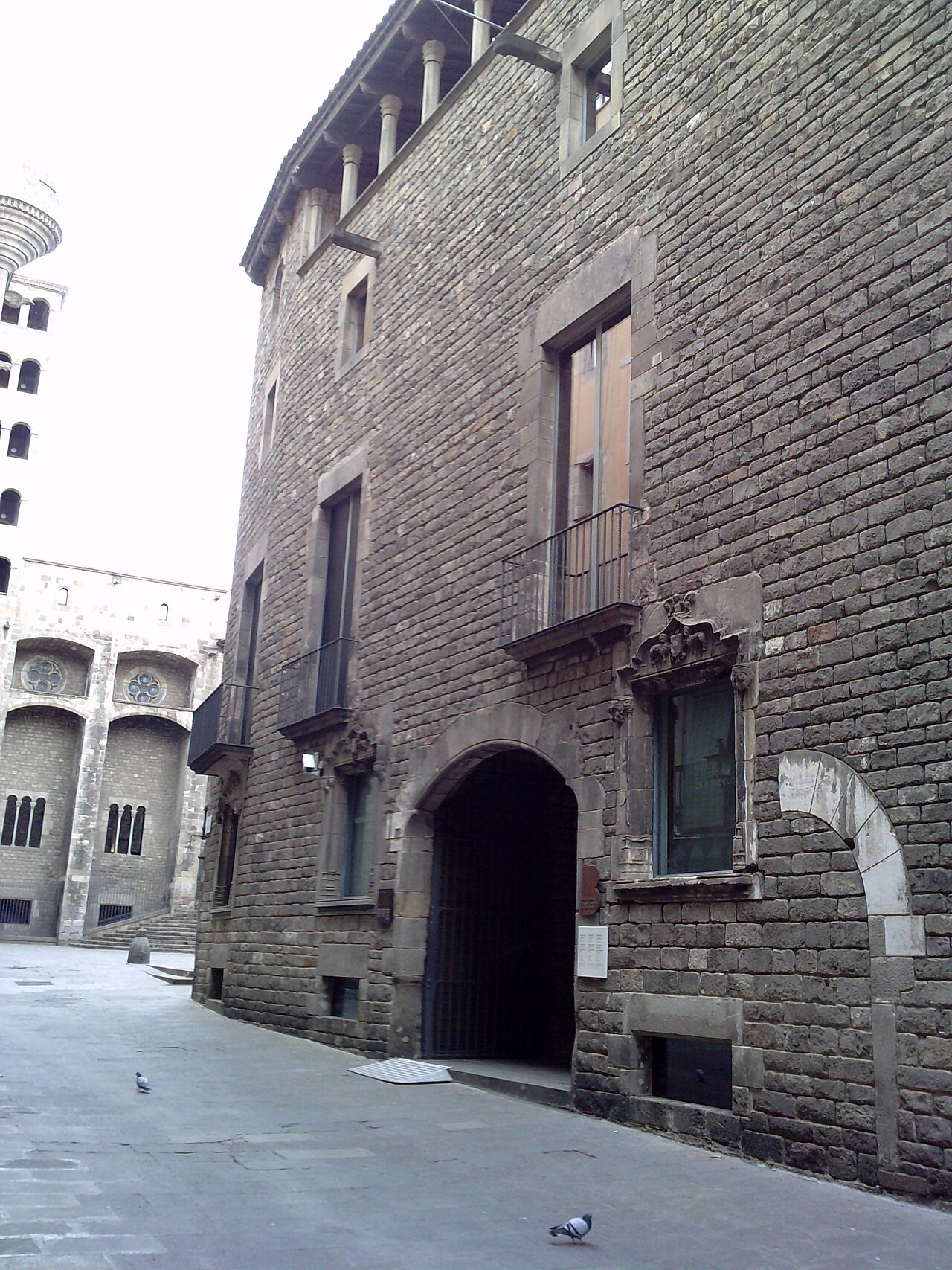
The temple is in Barcelona’s Gothic Quarter, within the central Ciutat Vella district. Jaume I on Metro Line 4 and Liceu on Line 3 are useful stations for reaching the surrounding historic centre, followed by a walk through narrow medieval lanes. The old city is easiest to understand on foot because the approach is part of the experience: façades, small squares, and irregular streets reveal the layers surrounding the Roman remains. Bus routes serve the wider corridors near the quarter, while vehicles are less practical in the narrowest lanes. Allow extra walking time if you are travelling with children, luggage, or a group that moves slowly through crowded streets. Use the temple as one point in a mapped Gothic Quarter route rather than expecting a broad roadside frontage. Once nearby, pay attention to entrances and courtyard access among the surrounding buildings. The monument’s central position makes it convenient to combine with other historic sights on the same walking day.
Checked 2026-08-26 · Source
The temple stands within an active urban environment, so visitors should remain in the designated visitor area and treat the ancient stone as protected heritage. Do not climb on or touch the columns, capitals, or podium. Historic courtyards and nearby Gothic Quarter lanes can have uneven surfaces, and the entrance may be less obvious than the monument itself. Crowds are common in the old city, particularly during the main tourist season, so keep personal belongings secure and leave space for people moving through the area. The courtyard may offer limited shelter from changing weather, while the walk to and from the site remains exposed to sun or rain. Respect neighbouring buildings and any occupied spaces around the archaeological remains. A quiet, careful visit suits the monument better than loud conversation or physical interaction with the stone. If you are travelling with a pushchair, allow time for the surrounding medieval streets and their changes in surface.
Checked 2026-08-26 · Source
The four columns create strong vertical subjects inside a confined courtyard. A wide composition can show the Roman remains surrounded by later Barcelona buildings, while a closer view brings out the Corinthian capitals, shafts, bases, and podium masonry. Diffuse daylight is useful for balancing the pale stone with the darker surrounding walls. Move patiently rather than relying on one position, because the enclosed space changes as visitors pass through it. Keep camera equipment unobtrusive and avoid blocking the view for others. Do not photograph private or occupied spaces in a way that compromises privacy. The contrast between ancient columns and medieval urban fabric is the most distinctive visual theme, so include enough surrounding architecture to make the historical layering clear. Details of capitals and stone joints work well as companion images to a wider courtyard view. Respect any signs governing flash, tripods, or commercial photography, and keep the atmosphere calm for other visitors.
Checked 2026-08-26 · Source
You can see four standing Corinthian columns and part of the Roman temple podium inside the Gothic Quarter.
The temple is in Barcelona’s Gothic Quarter, within the central Ciutat Vella district.
The remains belong to the Roman imperial period, when Barcelona was the colony of Barcino.
Allow about fifteen to thirty minutes for the columns, podium, courtyard, and photographs.
Jaume I on Line 4 and Liceu on Line 3 serve the surrounding Gothic Quarter, followed by a walk.
Ancient Roman columns survive inside Barcelona’s medieval city, making the monument a vivid example of historical layers meeting in one place.
Loading the interactive map…
The interactive map could not be loaded.
Last updated:
Source: OpenStreetMap contributors, Wikidata ·