
1 min walk
Chapel of Santa Ágata
- High · Heritage site
- Historic monument
Museum · Barcelona
| Monday | 10:00 – 19:00 |
|---|---|
| Tuesday | 10:00 – 19:00 |
| Wednesday | 10:00 – 19:00 |
| Thursday | 10:00 – 19:00 |
| Friday | 10:00 – 19:00 |
| Saturday | 10:00 – 19:00 |
| Sunday | 10:00 – 20:00 |
Parsed from OpenStreetMap opening hours on 2026-09-09.
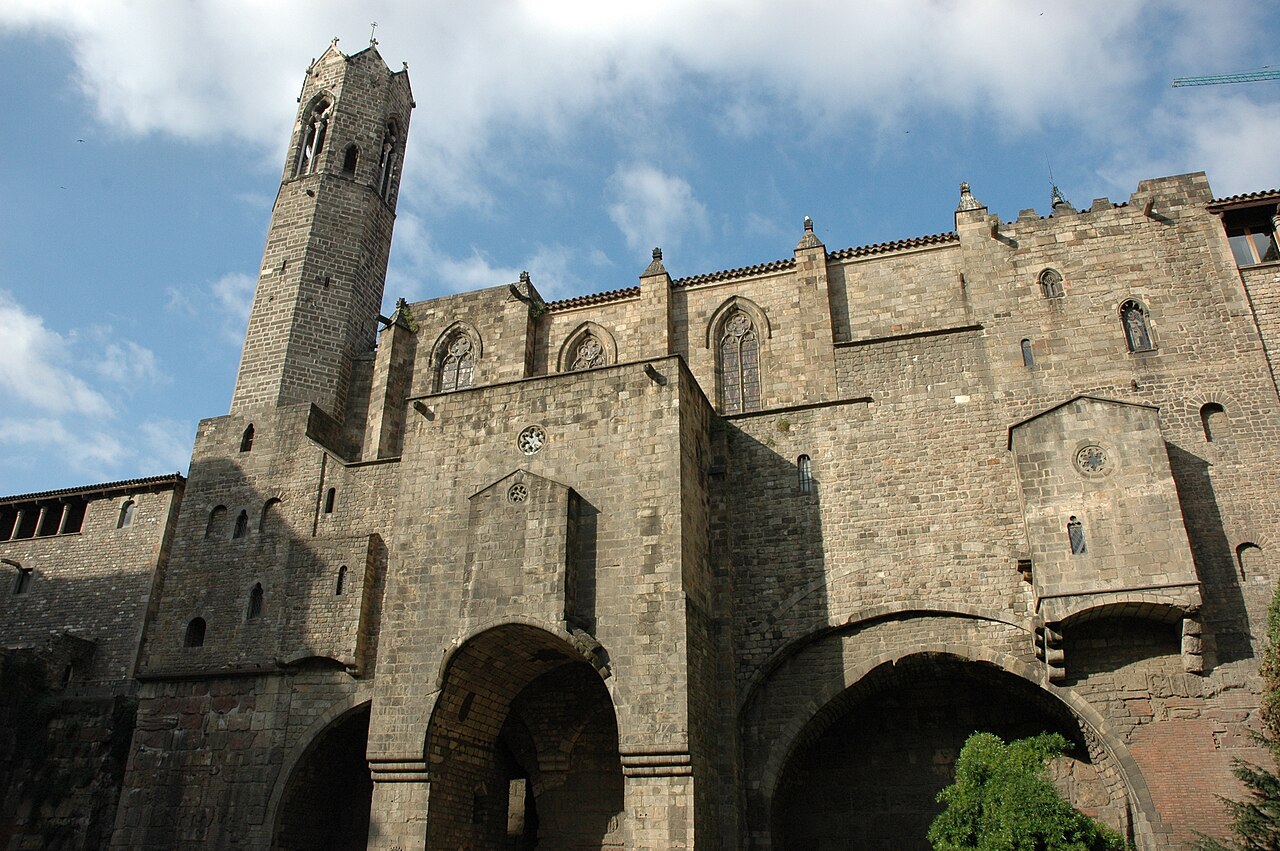
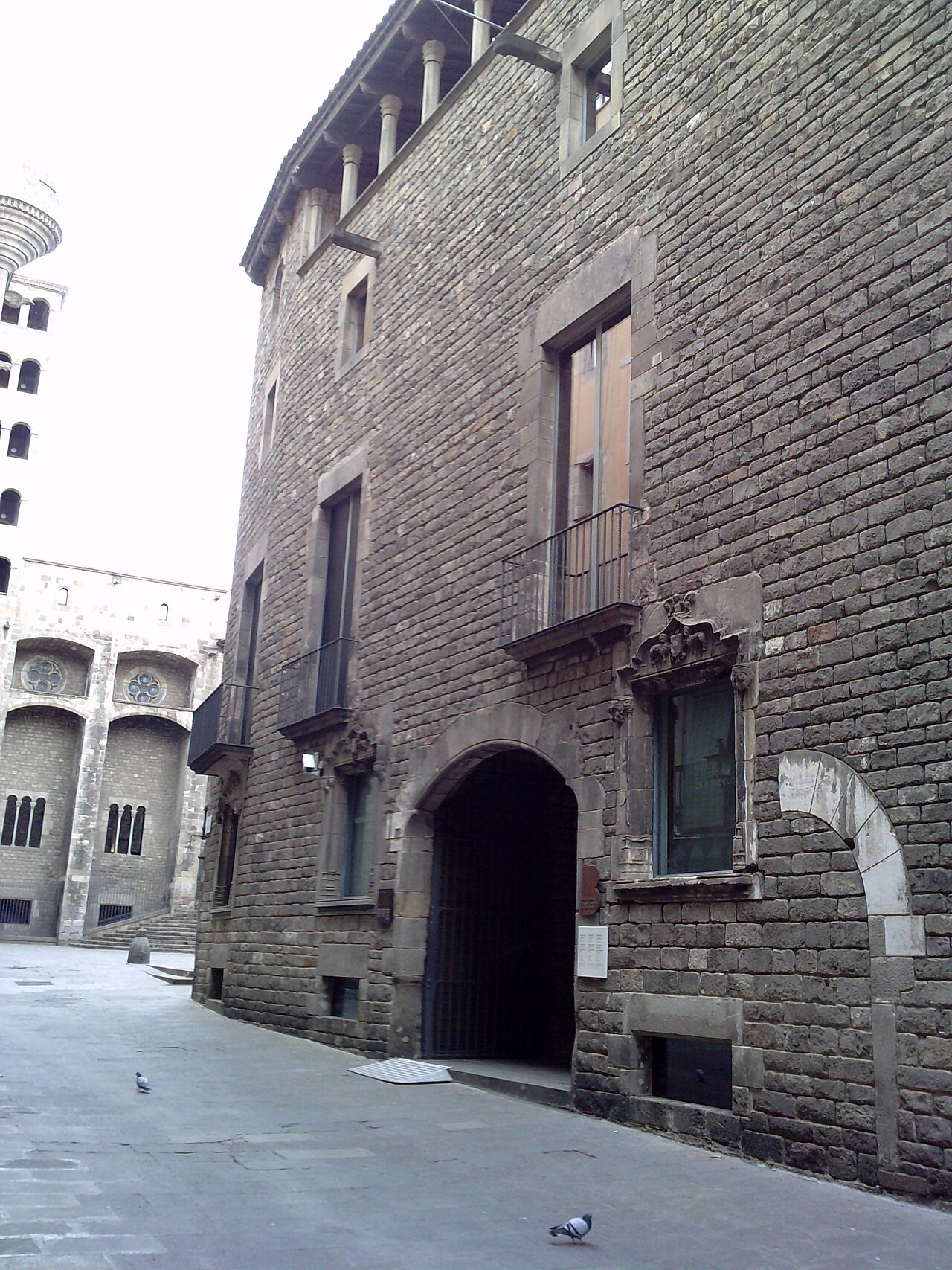
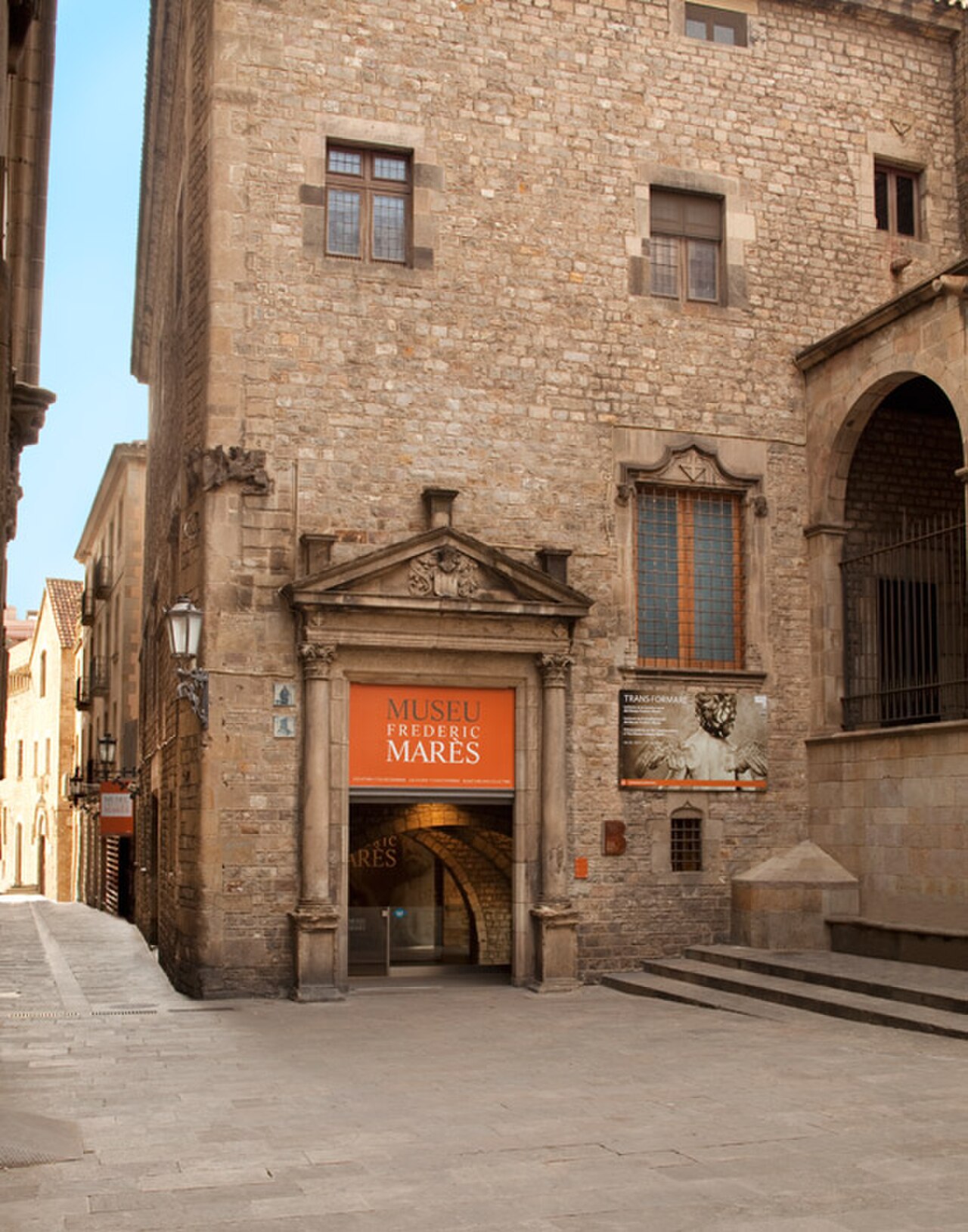
Museu d'Història de Barcelona is the city museum for Barcelona's long urban story. Its principal archaeological site lies beneath Plaça del Rei in the Gothic Quarter, where Roman remains sit beside medieval royal buildings. The visit connects streets, homes, public spaces and political history across different periods. It is a strong choice when you want to understand how Barcelona developed rather than see one isolated monument. The museum also links several heritage locations around the city, giving visitors more than one way to explore Barcelona's past. The Museu d'Història de Barcelona is a municipal museum dedicated to the history of Barcelona. It is operated by the city council and preserves archaeological remains and historical collections. The museum traces urban development from Roman times through the medieval period. Its principal site incorporates excavated ruins beneath the Plaça del Rei in the Gothic Quarter. The underground archaeological route involves steps and uneven ancient surfaces that may present significant barriers. Visitors requiring accessibility accommodations should contact the museum directly for current provisions.
Checked 2026-08-26 · Source
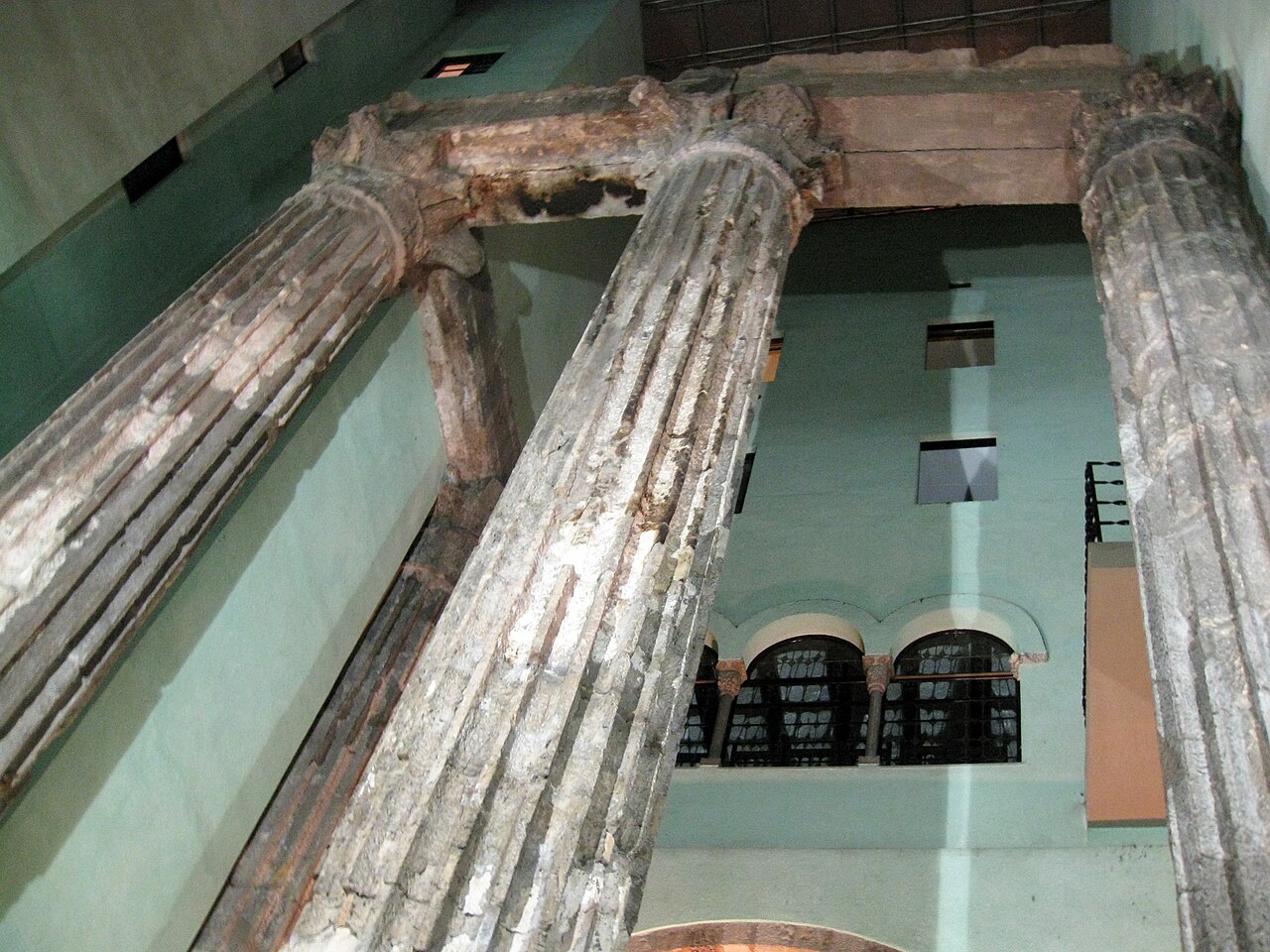
Begin underground, where excavated streets and buildings reveal Roman Barcino. The route includes foundations, domestic spaces, mosaics and traces of ancient infrastructure, alongside objects such as ceramics, tools and everyday goods. Above the excavations, Plaça del Rei is enclosed by medieval architecture connected with Barcelona's royal and civic history. Other associated locations broaden the picture: the Temple of Augustus presents surviving Roman columns, while Refugi 307 introduces the experience of a civil-war shelter. Each site has a different scale and historical atmosphere.
Checked 2026-08-26 · Source
Allow about ninety minutes for the Plaça del Rei complex if you want time for the archaeological route, objects and interpretation. Move slowly enough to distinguish streets, rooms and building foundations rather than treating the excavation as a quick corridor. A visit focused on the main highlights can be shorter, while careful reading adds time. Visiting the Temple of Augustus or Refugi 307 turns the museum into a wider historical outing and suits a half-day plan through the Gothic Quarter and nearby streets.
Checked 2026-08-26 · Source
The underground galleries provide a useful indoor stop in any season, while the Gothic Quarter outside is most comfortable when temperatures are moderate. Morning can suit visitors who want a quieter, more concentrated look at the ruins. Summer and holiday periods bring heavier pedestrian traffic to the surrounding quarter, so leave extra time for walking through narrow streets. Pair the museum with nearby medieval landmarks when you want a coherent history-focused day rather than crossing the city between unrelated attractions.
Checked 2026-08-26 · Source
Treat the Plaça del Rei museum and its associated heritage locations as separate parts of one municipal museum network. The main experience is the archaeological complex beneath the square; the Temple of Augustus and Refugi 307 offer different visits elsewhere in Barcelona. If you plan several locations, organise the day around their neighbourhoods and allow time for walking or transit. Keep your visit flexible enough to enjoy the ruins and medieval setting, rather than rushing through the site to reach another branch.
Checked 2026-08-26 · Source
Jaume I station on metro line L4 is the clearest rail approach to the Plaça del Rei site. Liceu on line L3 provides another option from the central city. You can also walk through the Gothic Quarter from the cathedral or La Rambla, though the medieval street pattern makes the final approach slower than the map distance suggests. The Temple of Augustus is close enough to combine on foot; Refugi 307 requires a separate journey to another part of Barcelona.
Checked 2026-08-26 · Source
The archaeological route passes through a subterranean setting with dim light, steps, uneven surfaces and changing levels. Wear stable shoes and give yourself time to adjust before concentrating on the displays. The confined layout may feel uncomfortable for visitors who dislike enclosed spaces. Keep children close, stay behind protective barriers and follow the marked route around fragile remains. Crowding at the entrance can make the compact square feel busy, especially when the Gothic Quarter is full.
Checked 2026-08-26 · Source
The strongest exterior photographs use Plaça del Rei to combine the archaeological museum entrance with the surrounding medieval architecture. Underground images require steady hands because the galleries are atmospheric and subdued rather than brightly lit. Keep flash, tripods and other equipment within the rules displayed inside, and never cross barriers for a closer angle. In the square, frame the stone buildings and narrow approaches to show the relationship between the museum and the Gothic Quarter.
Checked 2026-08-26 · Source
Its principal site is beneath Plaça del Rei in Barcelona's Gothic Quarter.
The route reveals Roman streets, foundations, domestic spaces, mosaics and ancient infrastructure from Barcino.
The Temple of Augustus and Refugi 307 are two associated locations with distinct Roman and civil-war themes.
About ninety minutes suits a focused visit to the Plaça del Rei archaeological complex.
Jaume I on line L4 is the clearest metro approach to Plaça del Rei.
Stable footwear is useful because the underground route includes steps, uneven surfaces and changes in level.
Loading the interactive map…
The interactive map could not be loaded.
Last updated:
Source: OpenStreetMap contributors, Wikidata ·