
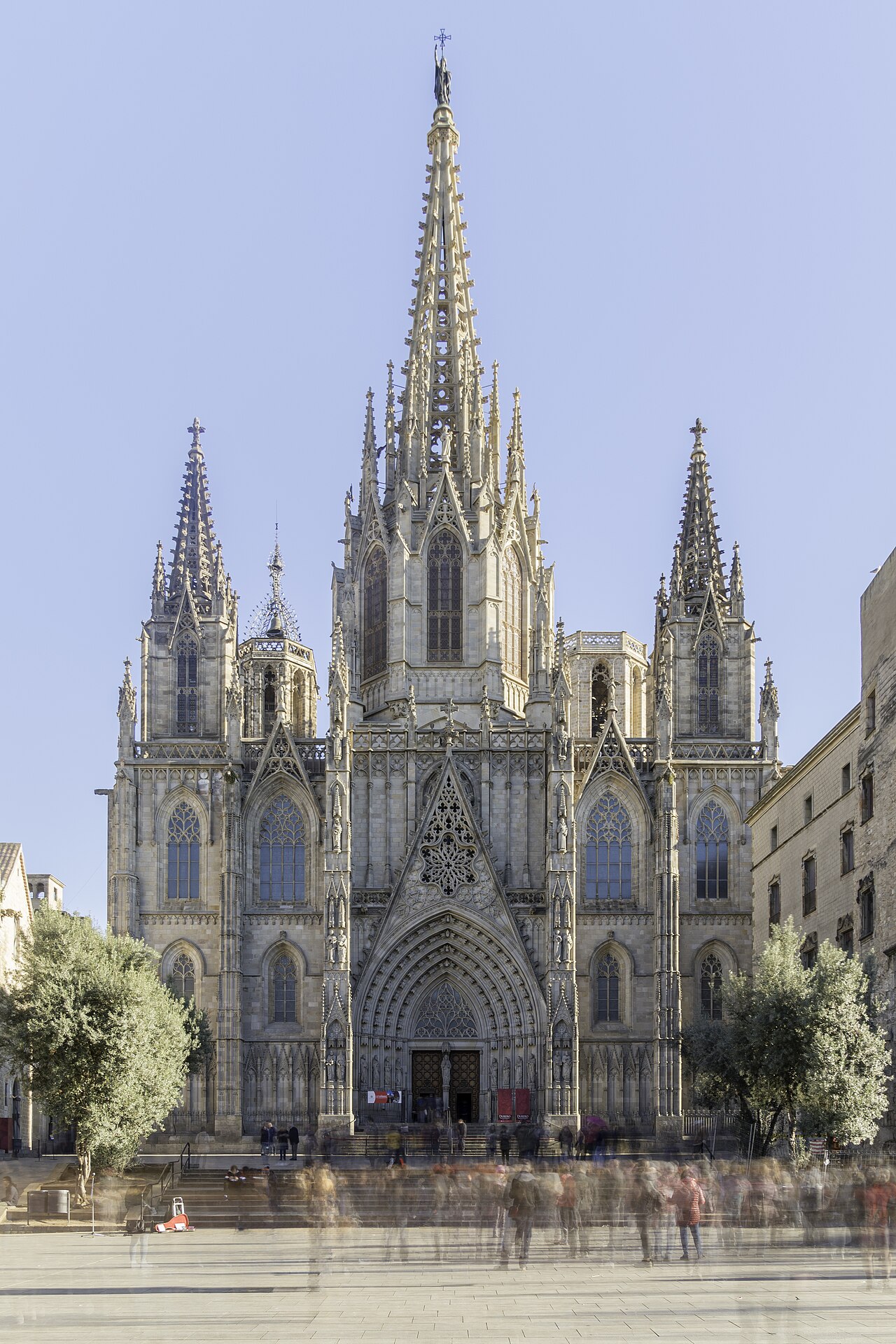
1 min walk
Barcelona Cathedral
- Must see · Heritage site
- Place of worship
Language · 11 published
Museum · Barcelona
Reviewed by Elena Voss · Roavina Travel Editor
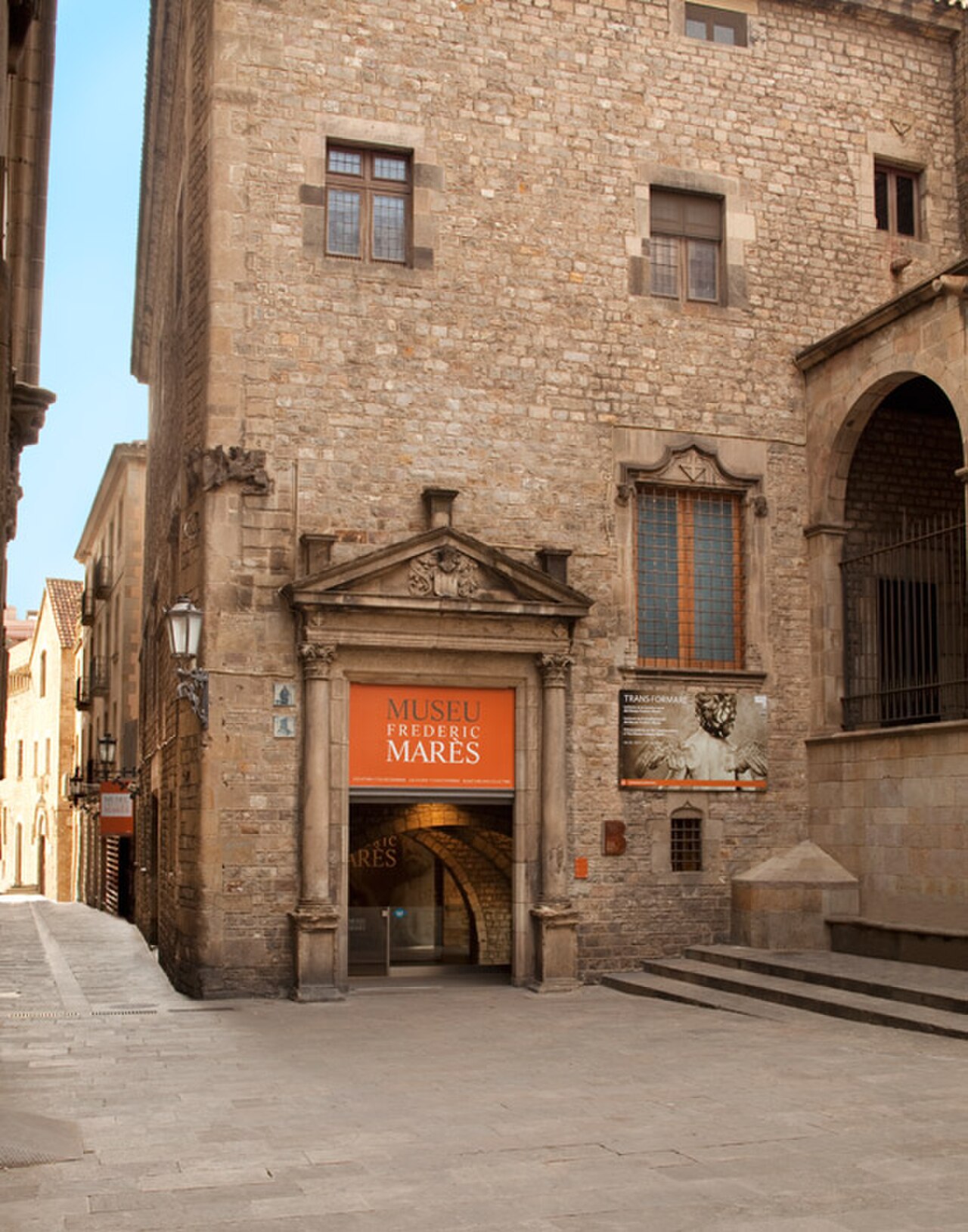
This place is a Museum. It opened in 1948. It carries the bien de interés cultural heritage designation.
Museu Frederic Marès occupies part of the medieval Royal Palace of the Counts of Barcelona in the Gothic Quarter. It brings together the collections formed by the sculptor Frederic Marès, who donated them to the city. The museum is not only a gallery of sculpture: it is also an intimate cabinet of curiosities shaped by one collector’s wide-ranging interests. The historic palace setting gives the visit a strong sense of place, with rooms that connect Barcelona’s medieval centre to Marès’s later life as an artist and collector. Come here when you enjoy museums that reward wandering, comparison, and close attention to objects that rarely appear together elsewhere.
Checked 2026-08-26 · Source
Begin with the Collector’s Cabinet on the ground floor and basement, where thousands of small objects create a dense visual world: fans, pipes, keys, toys, clocks, and religious imagery sit among many other pieces gathered by Marès. Upstairs, the sculpture collection includes works by Marès alongside Renaissance and Baroque sculpture. The museum also preserves a library and archive, while the courtyard and palace rooms add architectural interest between the displays. The contrast is the key to the visit: one area asks you to scan shelves and cases for surprising details, while another gives you larger forms and sculptural groupings to study at a slower pace.
Checked 2026-08-26 · Source
Set aside one to two hours for a first visit to Museu Frederic Marès. That is enough for a clear overview of the sculpture galleries and a purposeful walk through the Collector’s Cabinet. The cabinet contains thousands of objects, so a careful examination of every case can extend the visit considerably. Visitors drawn to decorative arts, religious imagery, or sculptural technique may want more time, while those concentrating on Marès’s own work can move more quickly. The compact palace setting makes the route easy to follow, but the quantity of objects means the museum feels larger in attention than it does on a map.
Checked 2026-08-26 · Source
Visit in the morning if you want to explore the Gothic Quarter before its narrow streets fill with more pedestrians and tour groups. The museum’s indoor galleries make it a useful choice during Barcelona’s warmer months or on a wet day, while the palace setting offers a quieter change of pace from the busiest central routes. Build the visit into a walk around the Cathedral and the Barri Gòtic, leaving enough time to pause over the smaller objects rather than treating the cabinet as a quick pass-through. The area is lively throughout the day, so an early start gives the museum a calmer place in your itinerary.
Checked 2026-08-26 · Source
Treat Museu Frederic Marès as a dedicated museum stop in the Gothic Quarter and allow one to two hours for the visit. The value lies in the combination of the palace rooms, the sculpture galleries, and the unusually dense Collector’s Cabinet, so a rushed entry would miss much of what makes the museum distinctive. Keep admission planning separate from the nearby Cathedral and other Barri Gòtic sights: this museum presents its own collections and occupies its own section of the historic complex. The guide does not provide a verified fare or entry schedule, so no price or ticket category is stated here.
Checked 2026-08-26 · Source
The museum is in Barcelona’s Gothic Quarter near the Cathedral. Jaume I on Line 4 is the nearest named metro station in the guide, while Liceu on Line 3 is another central option within walking distance. The surrounding medieval streets are best approached on foot, especially if you are already visiting the Cathedral, La Rambla, or Plaça de Catalunya. Private-car access is inconvenient in this dense historic area, with very limited immediate parking. Use the museum as one stop within a pedestrian route through the old city and expect the final approach to follow narrow streets rather than a broad avenue.
Checked 2026-08-26 · Source
The museum’s medieval palace setting and multiple collections call for a patient visit. The Collector’s Cabinet is visually dense, with many small objects competing for attention, so it can feel overwhelming if you try to inspect everything at once. Staircases may be part of moving through the historic building; the guide does not establish a confirmed step-free route. In the surrounding Gothic Quarter, narrow streets and busy pedestrian flows make it wise to keep valuables secure. Inside, slow down around cases and sculptures so that close viewing does not obstruct other visitors.
Checked 2026-08-26 · Source
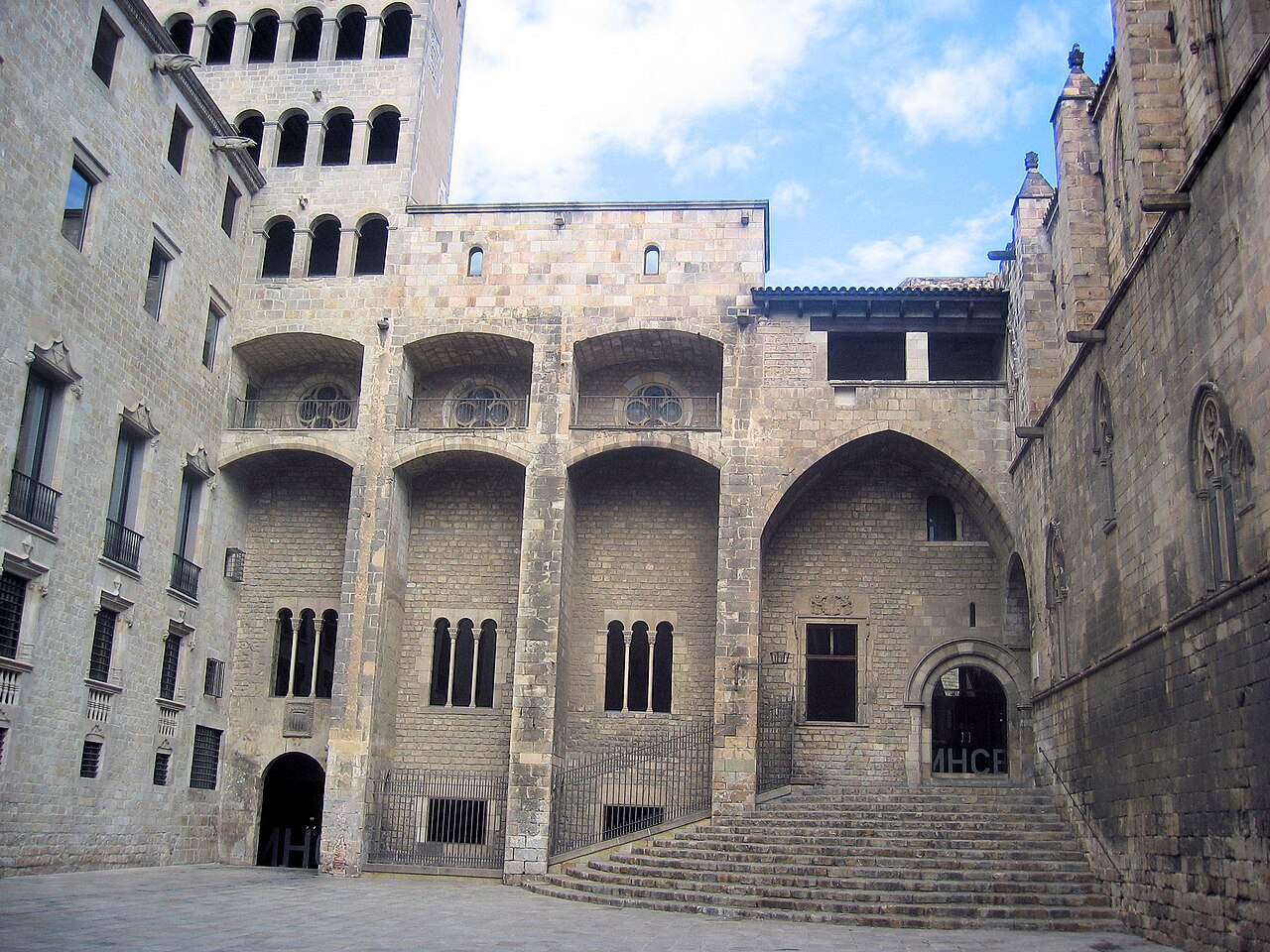
The palace courtyard and historic rooms offer architectural subjects before you focus on the collections. In the Collector’s Cabinet, look for patterns created by repeated cases, small objects, and changing shapes rather than trying to photograph every individual piece. Sculpture galleries provide a different approach, with larger forms and more space around selected works. Keep your camera movement considerate in the compact interiors and follow any displayed rules in each area. Glass cases can create reflections, so photographs work best when you take time to find a clear angle and keep the surrounding room in the frame.
Checked 2026-08-26 · Source
The Collector’s Cabinet includes toys alongside fans, pipes, keys, clocks, and religious imagery. The variety of small objects gives families plenty of details to spot, although the museum’s main focus remains sculpture and collecting.
It occupies part of the medieval Royal Palace of the Counts of Barcelona in the Gothic Quarter, near Barcelona Cathedral.
It is the ground-floor and basement collection of thousands of objects gathered by Frederic Marès, including fans, pipes, keys, toys, clocks, and religious imagery.
Plan one to two hours for an overview. A detailed examination of the thousands of objects in the Collector’s Cabinet can take longer.
The upper floors present Frederic Marès’s own sculpture alongside Renaissance and Baroque works, allowing visitors to compare his practice with earlier sculptural traditions.
Yes. Its location near the Cathedral makes it a natural stop during a pedestrian route through the Barri Gòtic, La Rambla, and the historic centre.
Loading the interactive map…
The interactive map could not be loaded.
Last updated:
Source: OpenStreetMap contributors, Wikidata ·