
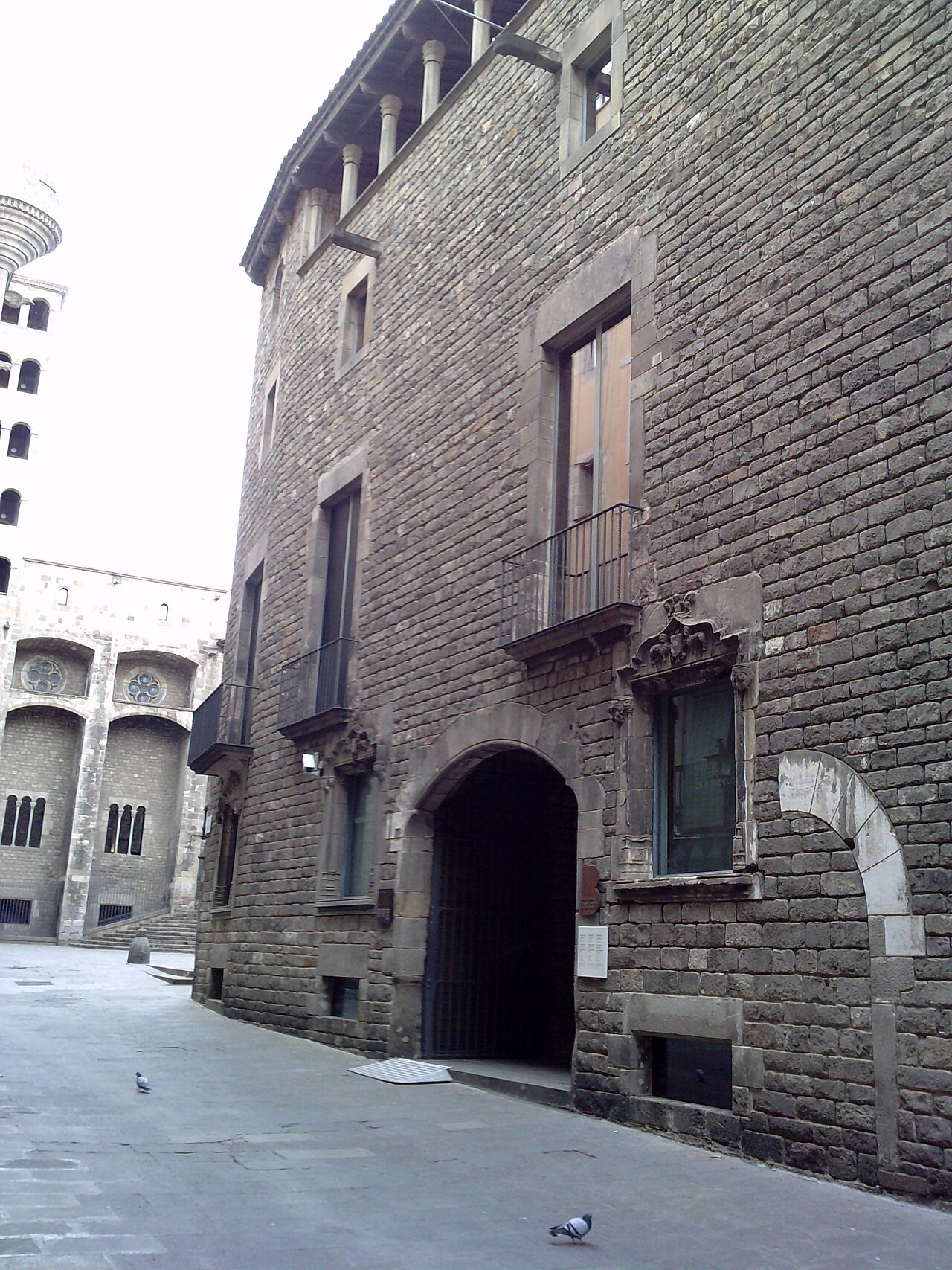
1 min walk
Museu d'Història de Barcelona
- Must see
- Museum
Historic monument · Barcelona
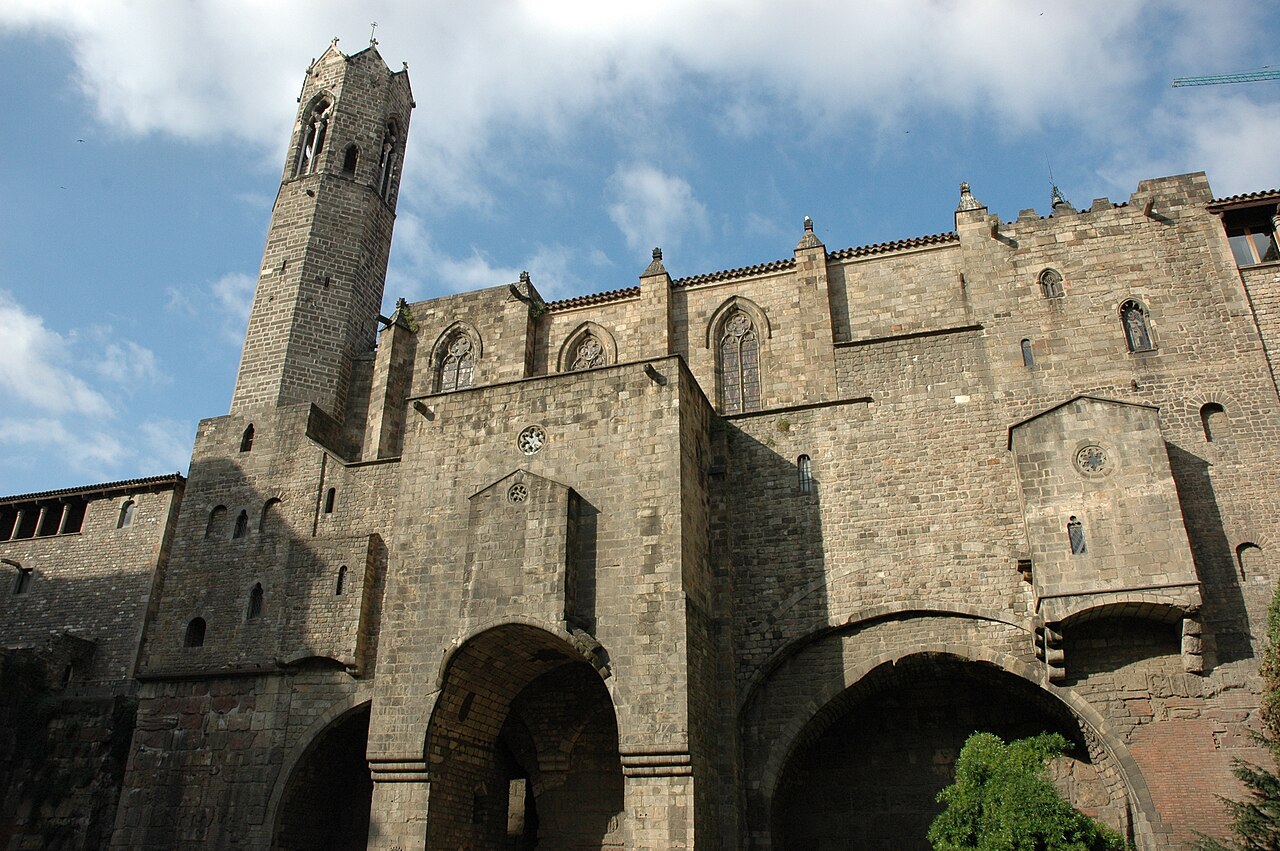
Capella de Santa Àgata
The Chapel of Santa Ágata, also called Capella de Santa Àgata, is a medieval religious building in Barcelona’s Gothic Quarter. The chapel forms part of the historic Plaça del Rei ensemble and belongs to the royal precinct that gives this part of the old city its distinctive character. Its Catalan Gothic architecture makes it an important stop for travellers interested in medieval Barcelona, religious buildings, and the relationship between sacred and royal spaces. The setting is as important as the chapel itself. Plaça del Rei gathers historic structures around an open urban space, allowing visitors to understand the chapel as one element of a larger medieval complex. Its position beside the royal palace connects the building with ceremonial and religious life associated with the historic rulers of the region. Travellers should take time to view the chapel from the plaza before focusing on its interior architecture. The visit works particularly well as part of a route through the Gothic Quarter, where narrow streets and historic buildings extend the story beyond one monument.
Checked 2026-08-26 · Source
The chapel’s interior offers a concentrated experience of medieval Gothic architecture. Look for pointed arches, vaulted forms, vertical proportions, and the stone surfaces that give historic religious spaces their sense of height and enclosure. The chapel’s position beside the royal palace helps explain why the building belongs to more than a simple parish setting: it is part of the ceremonial and architectural language of Plaça del Rei. The place information does not identify particular altarpieces, tombs, or furnishings, so focus on the structure and on the way light moves through the space. Begin with the overall arrangement, then examine the relationship between arches, walls, and vaulting. Outside, compare the chapel with the surrounding royal buildings and the shape of the plaza. This combination of interior detail and exterior context is the most complete way to experience Santa Ágata. The chapel’s scale allows close attention, while the wider precinct supplies the historical depth that a single room cannot provide.
Checked 2026-08-26 · Source
Allow twenty to forty minutes for the Chapel of Santa Ágata. This gives enough time to observe the Gothic structure, pause inside the historic religious space, and appreciate the chapel’s relationship with Plaça del Rei. Travellers with a strong interest in medieval architecture may stay longer to study arches, vaults, stonework, and the transitions between chapel and royal precinct. The chapel is most rewarding as one stop in a wider route through Barcelona’s Gothic Quarter. Add time for the plaza, nearby medieval buildings, and the narrow streets connecting the royal ensemble with the rest of the old city. A shorter visit can still be meaningful if you first take in the exterior and then spend a quiet moment examining the interior proportions. Keep the pace respectful and leave room for other visitors. The compact scale means that a well-planned half-hour can provide a clear impression without turning the chapel into a rushed tick on a long sightseeing list.
Checked 2026-08-26 · Source
A daytime visit fits naturally with exploring Plaça del Rei and the Gothic Quarter. Weekday mornings can provide a calmer atmosphere for looking closely at the architecture, while peak tourist periods bring heavier movement through the historic centre. Spring and autumn are comfortable seasons for combining the chapel with a longer walking route. Summer heat can make the open plaza tiring around midday, and winter may bring a quieter mood for historic observation. The plaza offers limited shelter from sun or rain, so consider the outdoor part of the visit when arranging the day. The chapel’s interior creates a more enclosed contrast with the open square outside. Plan enough time to see both settings rather than arriving only for a quick photograph. Visitors interested in religious architecture should move quietly and allow the building’s proportions, light, and stone surfaces to shape the experience.
Checked 2026-08-26 · Source
The place information establishes the chapel’s position within the Plaça del Rei historic ensemble but gives no admission price, ticket arrangement, reservation requirement, or payment method. Plan the chapel as part of a broader medieval precinct visit and keep the timing flexible. Its appeal comes from Catalan Gothic architecture, religious character, and connection with the royal setting. Travellers can make the stop meaningful by combining interior observation with a walk around the plaza and surrounding historic buildings. The chapel should not be treated as a standalone all-day attraction. Instead, use it to anchor a historical route through the Gothic Quarter, connecting medieval architecture with Barcelona’s older urban fabric. A calm visit of twenty to forty minutes can provide a strong sense of place even when the day includes several other landmarks. Respect the chapel as a religious building and preserve space for visitors who may be there for quiet reflection.
Checked 2026-08-26 · Source
The Chapel of Santa Ágata occupies Plaça del Rei in Barcelona’s Gothic Quarter. Jaume I on Metro Line 4 and Liceu on Line 3 are useful stations for reaching the surrounding old city, followed by a walk through narrow medieval streets. Bus routes serve the wider corridors near Via Laietana and La Rambla. Walking is the most natural way to approach because the route reveals the dense historic fabric around the plaza. Allow extra time for cobblestones, pedestrian traffic, crossings, and pauses at nearby buildings. The chapel’s location makes it easy to combine with the royal precinct and other Gothic Quarter sights on the same day. If you are travelling with a pushchair or mobility equipment, consider the historic surfaces and narrow approaches when planning the route. Once in the square, take a moment to understand the chapel within the whole ensemble before entering or continuing to another landmark.
Checked 2026-08-26 · Source
Expect uneven cobblestones around Plaça del Rei and through the surrounding Gothic Quarter. Medieval buildings can include steps and narrow doorways, so the physical route may require careful movement. Tourist traffic is often heavy in the historic centre, particularly during the main season; keep personal belongings secure and avoid stopping in the middle of pedestrian flows. The open plaza gives limited protection from sun or rain, while the chapel interior may feel darker and more enclosed than the streets outside. Treat Santa Ágata as a historic religious space: keep conversation quiet, respect other visitors, and follow any visible conduct instructions. If the chapel is combined with other places in the royal precinct, remain aware of where the route begins and ends. Comfortable footwear is useful for the surrounding stone streets and for a longer architectural walk through the old city.
Checked 2026-08-26 · Source
The chapel and Plaça del Rei offer two complementary photographic subjects. Outside, frame Santa Ágata with the historic plaza and surrounding royal buildings to show its place within the medieval ensemble. Inside, use arches, vaults, stone surfaces, and vertical proportions to create quieter architectural compositions. Light may be subdued within the chapel, so move carefully and keep equipment unobtrusive. Avoid flash or tripod use where signs or staff restrict them, and never let photography disturb worshippers, quiet visitors, or the atmosphere of the religious space. A wide exterior image explains the relationship between chapel and plaza, while detail photographs preserve the Gothic character of the structure. Take time to look upward as well as across the walls, since the vertical architecture is central to the experience. Respect the historic fabric and give priority to people using the building for reflection or religious purposes.
Checked 2026-08-26 · Source
It is in Plaça del Rei in Barcelona’s Gothic Quarter, within the historic royal precinct.
The chapel shows medieval Catalan Gothic character, including pointed arches and vaulted structural forms.
Allow approximately twenty to forty minutes for the chapel and its architectural setting.
Combine it with Plaça del Rei, the surrounding royal precinct, and a wider walk through the Gothic Quarter.
Jaume I on Line 4 and Liceu on Line 3 are useful stations for reaching the surrounding Gothic Quarter.
Take care on uneven cobblestones, expect tourist traffic, and respect the chapel as a historic religious space.
Loading the interactive map…
The interactive map could not be loaded.
Last updated:
Source: OpenStreetMap contributors, Wikidata ·