

1 min walk
La Rambla
- Must see · Heritage site
- Historic monument
Language · 11 published
Historic monument · Barcelona
Editorial responsibility: Elena Voss · Roavina Travel Editor
| Monday | 00:00 – 23:59 |
|---|---|
| Tuesday | 00:00 – 23:59 |
| Wednesday | 00:00 – 23:59 |
| Thursday | 00:00 – 23:59 |
| Friday | 00:00 – 23:59 |
| Saturday | 00:00 – 23:59 |
| Sunday | 00:00 – 23:59 |
Checked 2026-08-31 · Source
Read from the OpenStreetMap access tags; anything not listed has no tag recorded.
Set the group type to family in the planner and the day window contracts to about three quarters of a solo day.
La Rambla is a tree-lined pedestrian boulevard in central Barcelona, stretching from Plaça de Catalunya to the Christopher Columbus Monument at Port Vell. The street forms the boundary between the Gothic Quarter and El Raval. Its name derives from an Arabic word for a seasonal watercourse, reflecting the dry stream bed that once flowed here. The boulevard comprises five distinct sections, each historically known by separate names, now collectively designated as La Rambla or Les Rambles in Catalan. Daily: 00:00–24:00.
Checked 2026-08-31 · Source
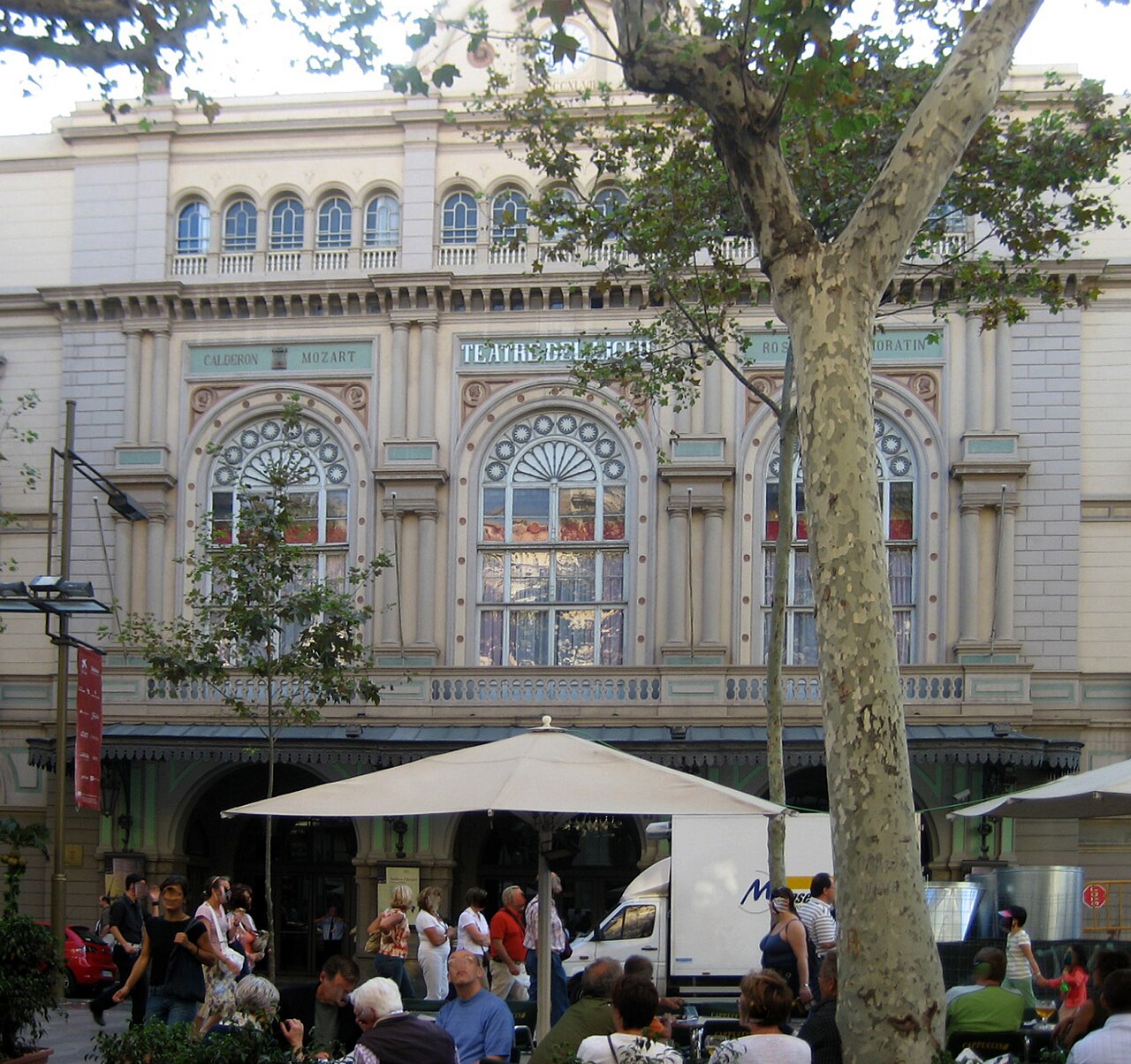
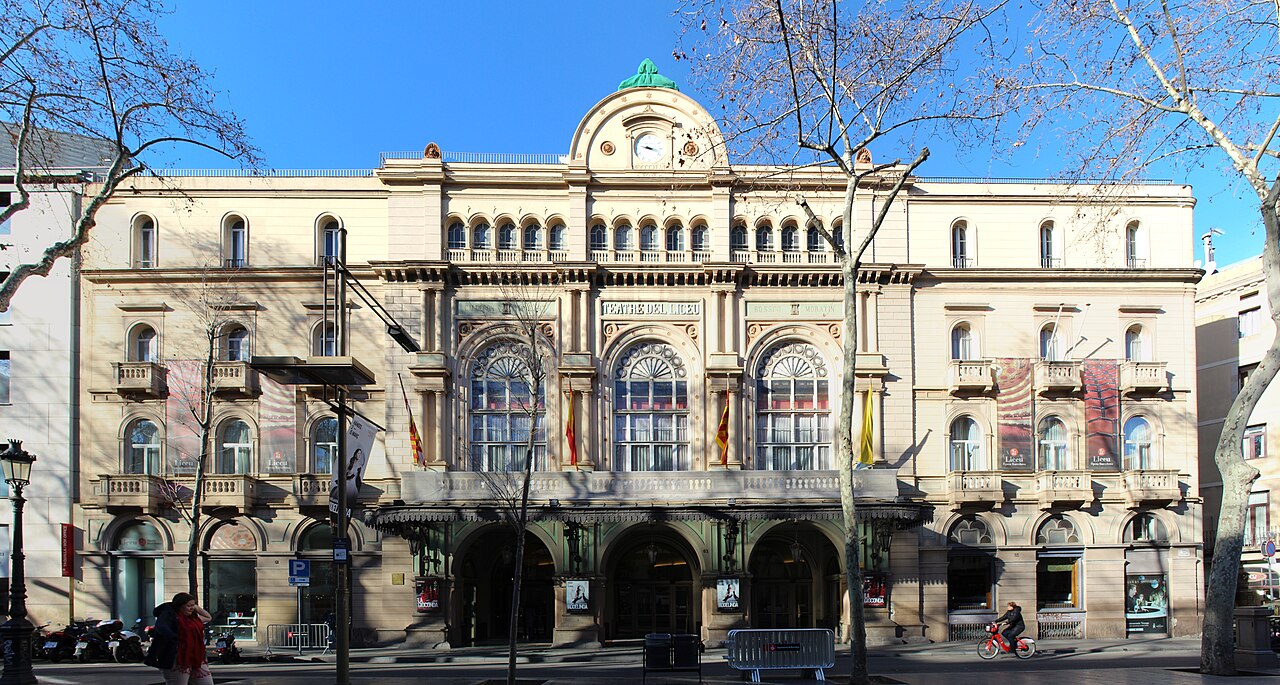
The boulevard contains kiosks selling flowers, newspapers, and souvenirs, plus cafés, restaurants, and street performers. Notable permanent features include the Font de Canaletes drinking fountain near Plaça de Catalunya, the Gran Teatre del Liceu opera house, and the mosaic pavement by Joan Miró. La Boqueria market and Palau Güell are significant venues located along the street but constitute separate entries. Human statue performers and temporary stalls appear at various points. The central pedestrian walkway runs between two narrow traffic lanes.
Checked 2026-08-31 · Source
The complete pedestrian route extends approximately 1.2 kilometres from Plaça de Catalunya to the waterfront. Walking the full length at a moderate pace without stopping takes roughly fifteen to twenty minutes. Most visitors spend considerably longer due to browsing, photography, and observing street performers. The width varies along the route, with the central promenade offering ample space for strolling. The contiguous nature of the boulevard means no interruptions for crossing traffic in the pedestrian zone itself. Free. No ticket or admission charge applies to walking La Rambla; individual attractions and venues along the avenue may charge separately.
Checked 2026-08-31 · Source
La Rambla operates as a public thoroughfare accessible at all hours, with individual businesses maintaining their own schedules. Crowd density fluctuates significantly throughout the day and across seasons, with peak tourism periods bringing substantial foot traffic. Early mornings offer quieter conditions before shops and performers arrive. Daily: 00:00–24:00. Use Catalunya station (L1 and L3) for the Plaça de Catalunya end, Liceu (L3) for the central section, or Drassanes (L3) for the Columbus Monument and seafront end. Liceu and Drassanes are marked accessible by TMB. La Rambla is a street-level pedestrian promenade without an admission gate or entrance steps.
Checked 2026-08-31 · Source
No admission fee applies to enter or walk along La Rambla itself, as it is a public street. Individual attractions, venues, and establishments along the boulevard set their own pricing structures. The Gran Teatre del Liceu, La Boqueria market vendors, and Palau Güell operate independently with separate ticketing arrangements. Street performers may request voluntary contributions. Free. No ticket or admission charge applies to walking La Rambla; individual attractions and venues along the avenue may charge separately. La Rambla is a street-level pedestrian promenade without an admission gate or entrance steps.
Checked 2026-08-31 · Source
Plaça de Catalunya at the northern terminus connects to multiple Barcelona Metro lines and regional transport services. Drassanes station on Metro Line 3 serves the southern end near the Columbus Monument. Numerous bus routes intersect adjacent streets. Bicycle lanes run parallel on connecting streets. Use Catalunya station (L1 and L3) for the Plaça de Catalunya end, Liceu (L3) for the central section, or Drassanes (L3) for the Columbus Monument and seafront end. Liceu and Drassanes are marked accessible by TMB. Renovation work continues until 2027 and may temporarily narrow or divert the pedestrian route in individual sections.
Checked 2026-08-31 · Source
Pickpocketing represents the most frequently reported concern, with crowded conditions and distracted tourists creating opportunities for theft. Visitors should secure valuables and remain aware of surroundings, particularly near the lower sections. Street performers may approach for payment after photographs. Some sidewalk cafés charge premium prices; checking menus before sitting is advisable. The central walkway's smooth mosaic surface becomes slippery when wet. La Rambla is a street-level pedestrian promenade without an admission gate or entrance steps. Barcelona City Council states that pedestrian access and circulation are maintained while work is underway.
Checked 2026-08-31 · Source
The broad pedestrian promenade permits unrestricted photography of street scenes, architecture, and public art including the Miró mosaic. Street performers typically expect payment for posed photographs or extended filming. The tree canopy creates dappled lighting conditions along much of the route. Early morning provides clearer views with fewer people obstructing shots of the boulevard's length. The Columbus Monument and port area at the southern end offer waterfront backdrops. The completed Colom–Santa Madrona section has a unified natural-stone surface extending from façade to façade. TMB marks the L3 stations Liceu and Drassanes as accessible.
Checked 2026-08-31 · Source
It extends for a little over one kilometre from Plaça de Catalunya to the Columbus Monument near the waterfront.
From Plaça de Catalunya towards the sea, they are Rambla de Canaletes, Rambla dels Estudis, Rambla de les Flors, Rambla dels Caputxins and Rambla de Santa Mònica.
Yes. The citywide renovation remains in progress until 2027; work is phased so pedestrian access and circulation remain available.
La Boqueria market and Gran Teatre del Liceu stand around the transition from Rambla de les Flors to Rambla dels Caputxins.
The section takes its name from an early Barcelona university that stood there before Philip V suppressed the Catalan universities in the eighteenth century.
The Riera d’en Malla stream once flowed here; it was diverted north after the Raval wall was built in the fifteenth century.
Loading the interactive map…
The interactive map could not be loaded.

Last updated:
Source: OpenStreetMap contributors ·