
1 min walk
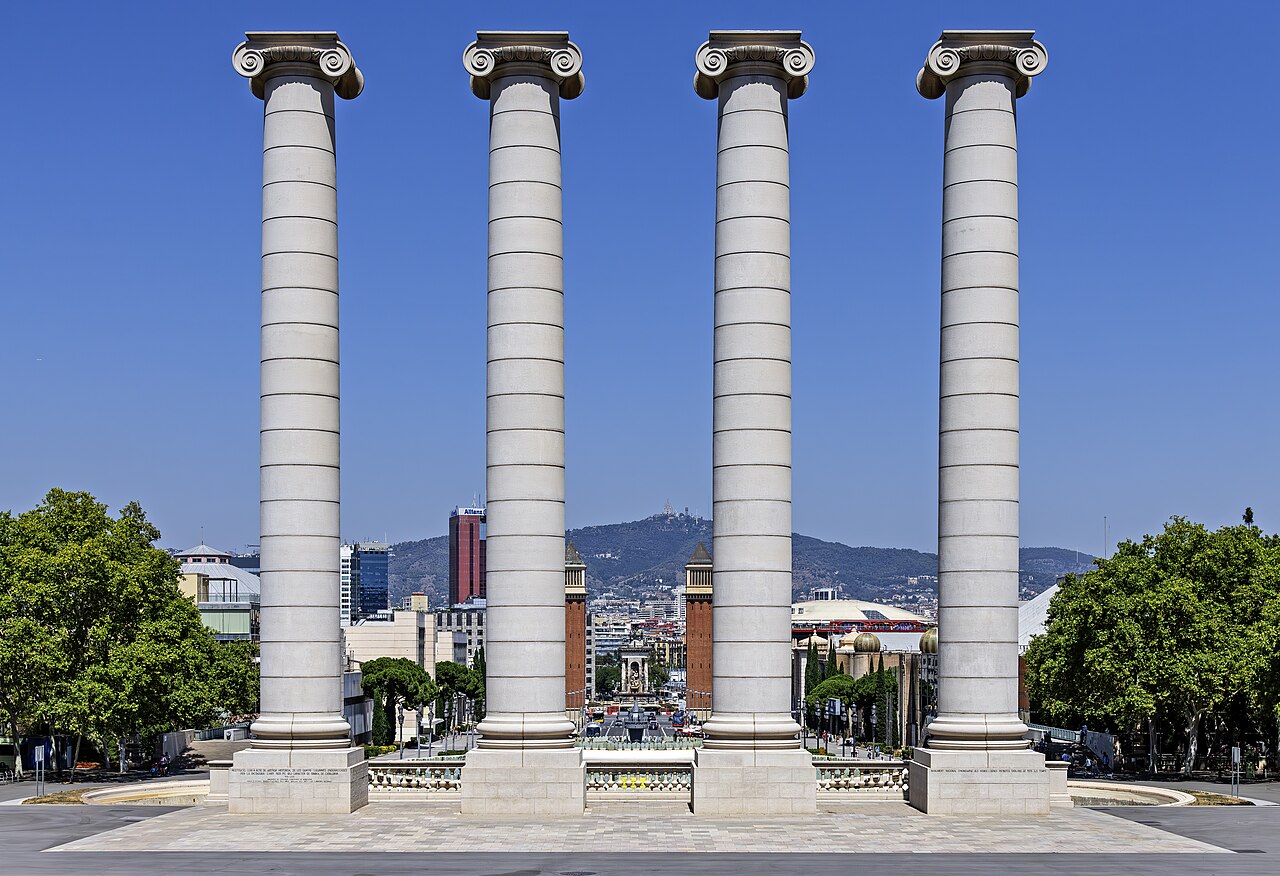
The Four Columns
- Must see · Heritage site
- Historic monument
Historic monument · Barcelona
Font Màgica de Montjuïc
Closed today, Monday. Next open Wednesday at 21:30 — the planner will not place a stop here on a Monday.
Plan around it| Monday | Closed |
|---|---|
| Tuesday | Closed |
| Wednesday | 21:30 – 22:30 |
| Thursday | 21:30 – 22:30 |
| Friday | 21:30 – 22:30 |
| Saturday | 21:30 – 22:30 |
| Sunday | 21:30 – 22:30 |
Checked 2026-08-31 · Source
| Per person | Free entry |
|---|
Checked 2026-08-31 · Source
Read from the OpenStreetMap access tags; anything not listed has no tag recorded.
Set the group type to family in the planner and the day window contracts to about three quarters of a solo day.
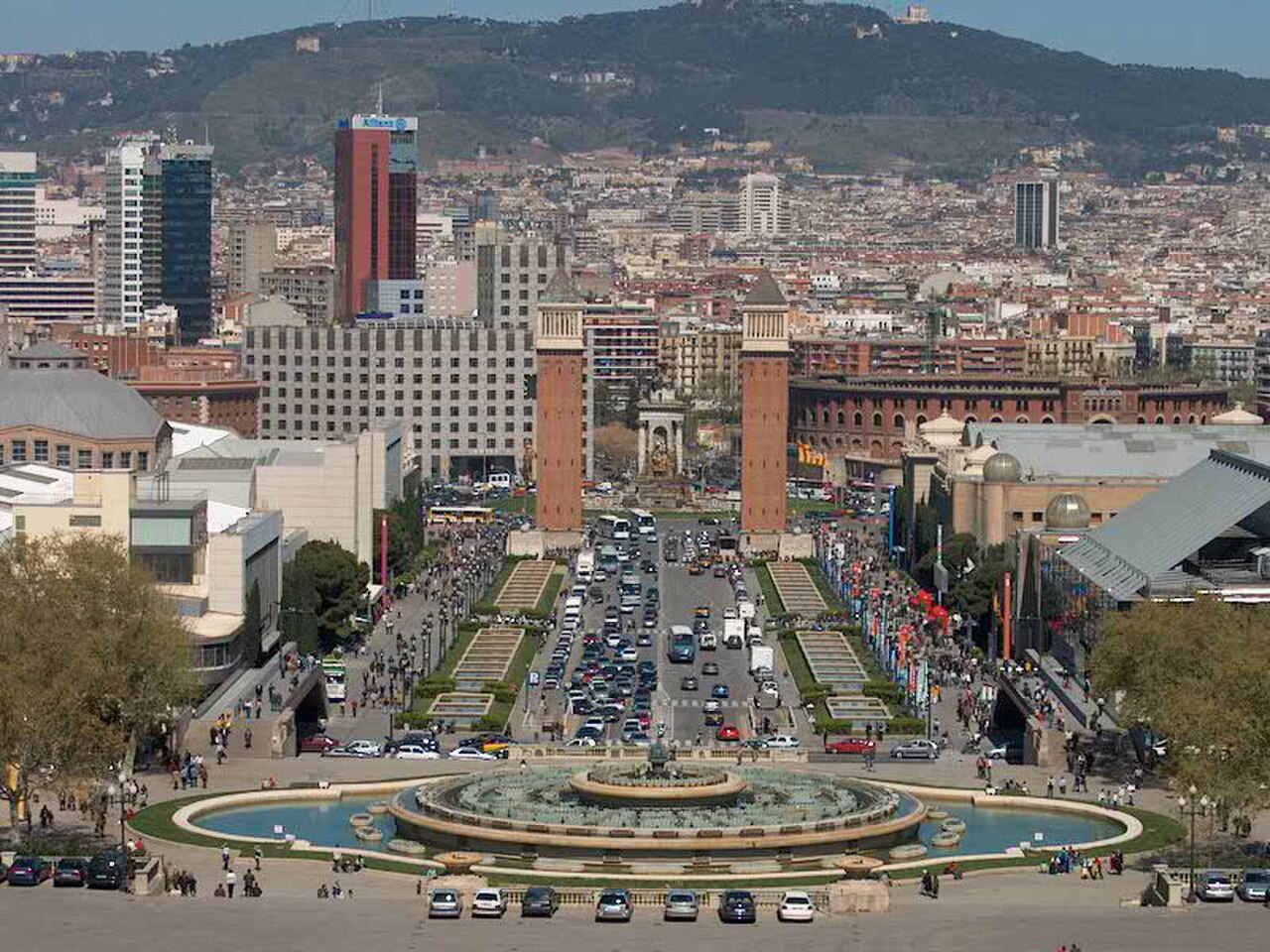
The Magic Fountain of Montjuïc, known locally as Font Màgica de Montjuïc, stands as a prominent ornamental fountain in Barcelona, Spain. Located at the head of Avinguda Maria Cristina in the Montjuïc neighborhood, this landmark sits below the Palau Nacional, which houses the National Art Museum of Catalonia. Constructed for the 1929 Barcelona International Exposition, the fountain represents a significant piece of the city's early twentieth-century urban development and exhibition architecture. 3 June–27 September 2026: Wednesday–Sunday, 21:30–22:30. Music-and-colour choreographies begin at 21:30 and 22:00. No regular performance on Mondays or Tuesdays during the current season; 31 August 2026 is a Monday.
Checked 2026-08-31 · Source
The fountain installation comprises multiple water and light elements arranged across terraced pools. The central feature involves water jets capable of varied choreography, accompanied by illumination systems. The surrounding area includes the broader Plaça de Carles Buïgas, named after the engineer who designed the original fountain. Adjacent spaces connect to the Palau Nacional via escalators and staircases. The Montjuïc vicinity contains extensive gardens, the Poble Espanyol architectural museum, and the Olympic stadium complex. No regular performance on Mondays or Tuesdays during the current season; 31 August 2026 is a Monday.
Checked 2026-08-31 · Source
A typical visitor allocates approximately thirty minutes to one hour for fountain observation, though duration varies substantially based on personal interest and whether any performance coincides with the visit. Evening visits, when illumination effects are visible, naturally extend stay duration. The surrounding Montjuïc district merits additional exploration time, with the National Art Museum of Catalonia, Olympic facilities, and botanical gardens representing substantial complementary attractions. Visitors combining multiple sites in the area should plan for a half-day excursion. Free open-air show; no ticket or reservation is required.
Checked 2026-08-31 · Source
The fountain operates with seasonal scheduling variations. Evening hours typically coincide with darkness for optimal visual effect observation. Summer evenings generally draw larger crowds due to favorable weather conditions and extended darkness hours. Winter visits may offer reduced congestion but potentially limited performance schedules. Weather conditions, particularly wind, may affect operational status. 3 June–27 September 2026: Wednesday–Sunday, 21:30–22:30. Music-and-colour choreographies begin at 21:30 and 22:00. Step-free viewing is possible from the lower public-space approach along Avinguda de la Reina Maria Cristina. The wider Montjuïc setting includes pronounced gradients, steps and terraced viewpoints, so access is not uniformly step-free.
Checked 2026-08-31 · Source
The Magic Fountain of Montjuïc operates as a public installation without admission charges for standard viewing areas. No ticket purchase is required for access to the plaza and fountain observation spaces. Visitors should verify current policies through official municipal channels. Budget-conscious visitors can construct substantial free experiences combining the fountain with exterior architectural observation and garden walks. Free open-air show; no ticket or reservation is required. Step-free viewing is possible from the lower public-space approach along Avinguda de la Reina Maria Cristina. The wider Montjuïc setting includes pronounced gradients, steps and terraced viewpoints, so access is not uniformly step-free.
Checked 2026-08-31 · Source
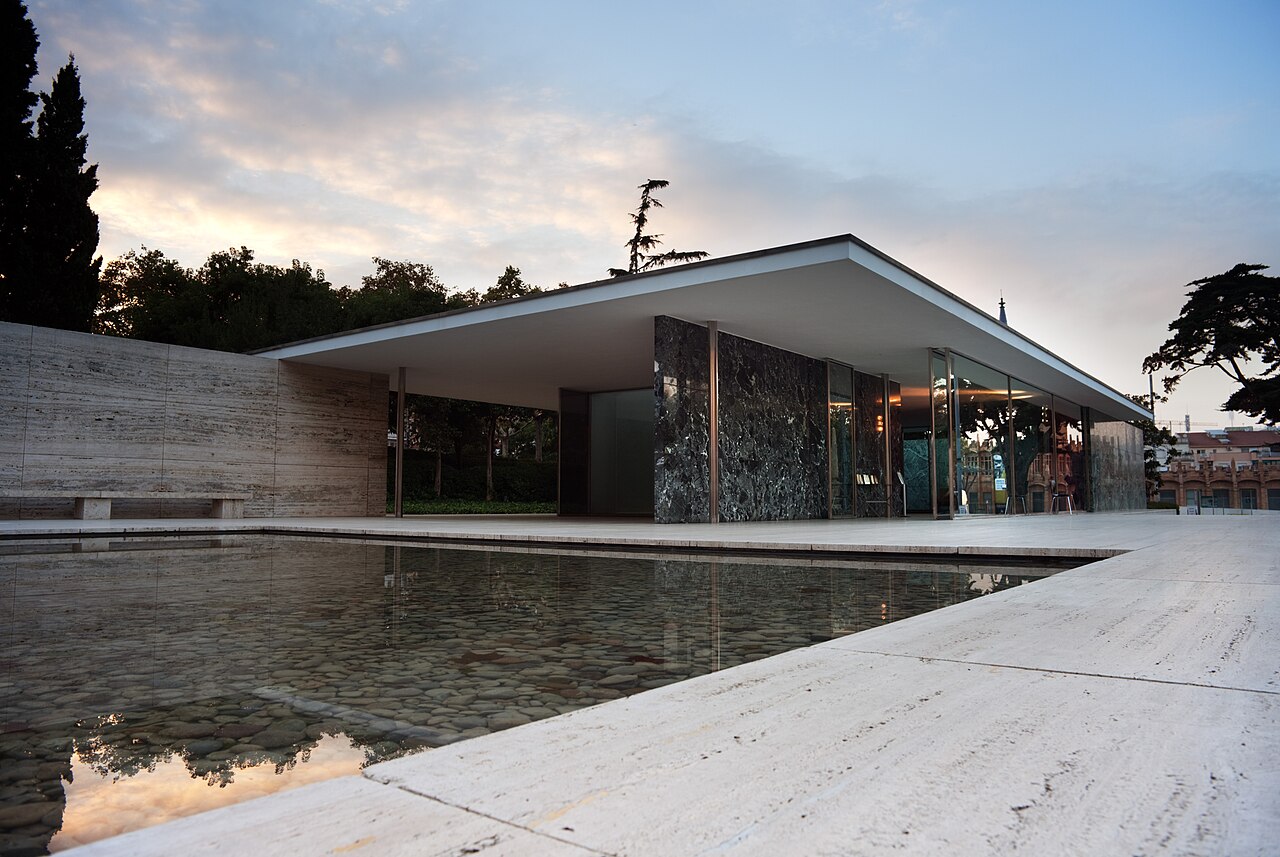
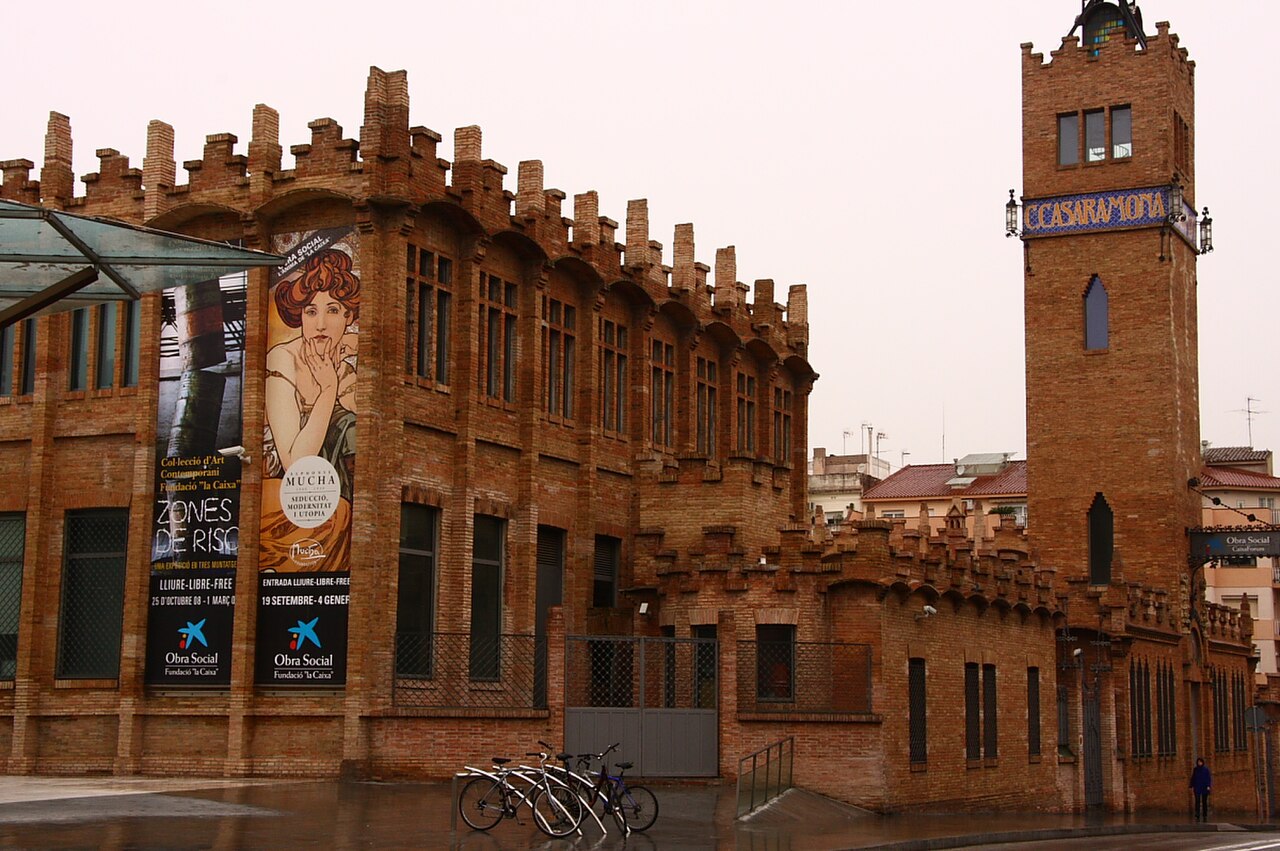
The fountain occupies a position accessible through Barcelona's public transportation network. The Plaça Espanya metro station, served by multiple lines, provides the nearest underground connection. From this station, visitors proceed along Avinguda Maria Cristina toward the Palau Nacional elevation. The fountain is at Plaça de Carles Buïgas, 1. From Espanya station, served by Metro L1 and L3 and FGC trains, follow Avinguda de la Reina Maria Cristina uphill. Barcelona Bus Turístic’s Red Route stops at CaixaForum–Pavelló Mies van der Rohe and Plaça d’Espanya. The municipal arrival map also marks bicycle parking and Bicing.
Checked 2026-08-31 · Source
Crowd concentrations increase substantially during scheduled performances and peak tourist seasons, affecting personal space and exit mobility. Wet surfaces around fountain perimeters present slip hazards, particularly following active displays. Visitors should secure electronic devices and valuables against water exposure and opportunistic theft in dense conditions. The Montjuïc elevation exposes visitors to amplified wind conditions compared to central Barcelona. Step-free viewing is possible from the lower public-space approach along Avinguda de la Reina Maria Cristina. Espanya L3 has lifts and a step-free interchange route; Espanya L1 has lifts but remains listed by TMB as pending complete adaptation because of the platform configuration.
Checked 2026-08-31 · Source
The fountain presents substantial photographic interest during active illumination and water displays. Evening darkness provides essential conditions for capturing light effects. Tripod usage may encounter practical constraints due to crowd density during performances. The elevated Palau Nacional position offers complementary vantage points for broader composition. Water spray and moisture require protective measures for camera equipment. Long exposure techniques, where equipment permits, can capture water movement dynamics. The surrounding architecture provides contextual framing opportunities. From 3 June through 27 September 2026, shows run Wednesday through Sunday between 21:30 and 22:30. The two music-and-colour choreographies begin at 21:30 and 22:00.
Checked 2026-08-31 · Source
From 3 June through 27 September 2026, shows run Wednesday through Sunday between 21:30 and 22:30.
The two music-and-colour choreographies begin at 21:30 and 22:00.
Yes. The outdoor display is free and requires neither a ticket nor a reservation.
It is at Plaça de Carles Buïgas, 1, on the axis between Plaça d’Espanya and the Palau Nacional.
Engineer and lighting specialist Carles Buïgas designed it for Barcelona’s 1929 International Exhibition.
It circulates groundwater through three concentric pools, moving about 2,600 litres per second and producing up to 30 different water displays.
Loading the interactive map…
The interactive map could not be loaded.
Last updated:
Source: OpenStreetMap contributors, Wikidata ·