
2 min walk
German Pavilion
- Must see · Heritage site
- Historic monument
Language · 11 published
Museum · Barcelona
Reviewed by Elena Voss · Roavina Travel Editor
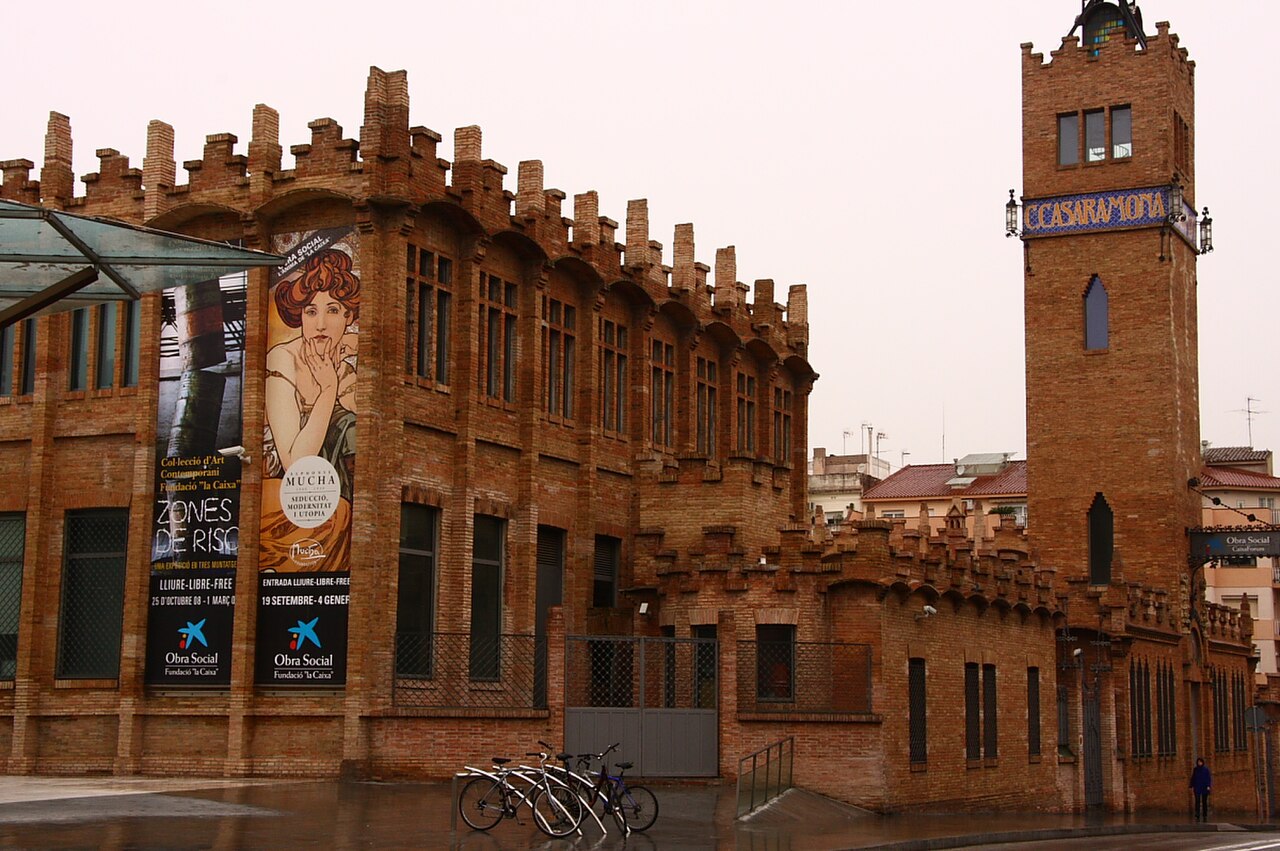
This place is a Museum. It opened in 2002. It was designed by Josep Puig i Cadafalch.
CaixaForum Barcelona is a cultural centre on Montjuïc, housed in a former modernist factory designed by Josep Puig i Cadafalch. Its brick architecture and castle-like details preserve the building’s industrial character while the interior serves exhibitions, cultural events and educational programmes. The centre is operated by the La Caixa Foundation and sits close to major Montjuïc attractions, making it an easy addition to a day focused on art, architecture and city views. CaixaForum Barcelona is a cultural centre located in the Montjuïc area of Barcelona, Spain. The building was originally a modernist factory designed by architect Josep Puig i Cadafalch, constructed in the early twentieth century. It was later converted into a cultural venue. The centre is operated by the La Caixa Foundation, one of Spain's major banking foundations with a significant cultural programme. The structure features a distinctive brick facade with castle-like elements and is situated near other Montjuïc attractions. CaixaForum Barcelona is one of several cultural centres operated by the La Caixa Foundation across Spain, including locations in Madrid and Seville. Each centre has distinct programming and architectural characteristics. Barcelona's location in a converted modernist factory distinguishes it from purpose-built venues.
Checked 2026-08-26 · Source
The centre contains galleries for temporary exhibitions covering different periods, artists and themes. It also has an auditorium used for cultural events, conferences and film screenings, together with educational and workshop spaces. A bookshop and cafe-restaurant add practical stops around the visit. Outside, Patrick Blanc’s vertical garden contrasts with the warm brick facade. The building’s old factory structure and modern cultural fit are part of the experience, not just a backdrop for the exhibitions. The centre hosts temporary art exhibitions drawn from various periods and movements. It contains multiple gallery spaces for rotating displays. There is an auditorium for cultural events, conferences, and film screenings. The building also includes a bookshop and a cafe-restaurant area.
Checked 2026-08-26 · Source
Plan one and a half to three hours for the galleries, architecture and a brief stop at the bookshop or cafe. Add time when your visit includes a film, talk, workshop or other auditorium programme. CaixaForum combines naturally with the National Art Museum of Catalonia, the Magic Fountain area and Montjuïc’s Olympic sites, so it can anchor a half-day route. Art-focused visitors may need longer when several temporary exhibitions are open.
Checked 2026-08-26 · Source
Choose a day when the temporary exhibitions match your interests, since the programme shapes the value of the visit. Weekends and holiday periods can bring more people, particularly around popular displays and public events. The Montjuïc setting is enjoyable in every season, although summer walking from Plaça d’Espanya can feel hot. An evening programme can change the rhythm of your day and works well after exploring the surrounding museums and public spaces.
Checked 2026-08-26 · Source
Entry arrangements depend on the exhibition or event. Some displays may be free, while others use paid admission; films, concerts and special programmes can have separate tickets. Popular or limited-capacity activities reward advance booking. Treat the centre as a programme-led cultural venue rather than a single fixed attraction with one universal ticket. If you want a specific exhibition, organise the day around that exhibition’s admission arrangement and the time it occupies.
Checked 2026-08-26 · Source
CaixaForum stands on Avinguda de Francesc Ferrer i Guàrdia in Montjuïc. Plaça d’Espanya is served by metro lines L1 and L3, followed by an uphill walk of around ten to fifteen minutes. Buses and tourist transport also serve the Montjuïc area. The funicular connects the hill with Paral·lel metro station. Taxis can reach the entrance directly. The walk from the square is straightforward but exposed, so allow extra energy in warm weather.
Checked 2026-08-26 · Source
The uphill route from Plaça d’Espanya affects the visit before you reach the galleries, especially in hot weather. Exhibition content changes, and some subjects may be intense or unsuitable for younger visitors. The cafe and bookshop follow the rhythm of the cultural centre rather than the gallery experience. Security checks can apply at busy events. Montjuïc becomes quieter after dark, so plan the return route as carefully as the outward journey when attending an evening programme.
Checked 2026-08-26 · Source
The brick facade, castle-like details and vertical garden give the exterior strong photographic subjects from the Montjuïc approach. Inside, each exhibition sets its own photography rules; some displays permit personal non-flash images while others restrict photography. Copyright and exhibitor requirements matter, especially for contemporary works and product presentations. Keep professional equipment and tripods unobtrusive. A useful sequence begins outside with the building, continues through the galleries and ends with the wider Montjuïc streetscape.
Checked 2026-08-26 · Source
It occupies a former modernist factory designed by Josep Puig i Cadafalch, whose brick facade and industrial details remain central to the visit.
The centre offers temporary art exhibitions, an auditorium for cultural programmes, educational spaces, a bookshop, a cafe-restaurant and Patrick Blanc’s exterior vertical garden.
Allow one and a half to three hours for exhibitions and architecture. Add time for a film, talk, workshop or other scheduled cultural event.
Take metro lines L1 or L3 to Plaça d’Espanya, then walk uphill for around ten to fifteen minutes. The funicular, buses and taxis provide alternatives.
Yes. The centre includes a cafe-restaurant area, alongside a bookshop and its exhibition and event spaces.
Yes. Its Montjuïc location works well with the National Art Museum of Catalonia, the Magic Fountain area, Olympic facilities and nearby gardens.
Loading the interactive map…
The interactive map could not be loaded.
Last updated:
Source: OpenStreetMap contributors, Wikidata ·