
2 min walk
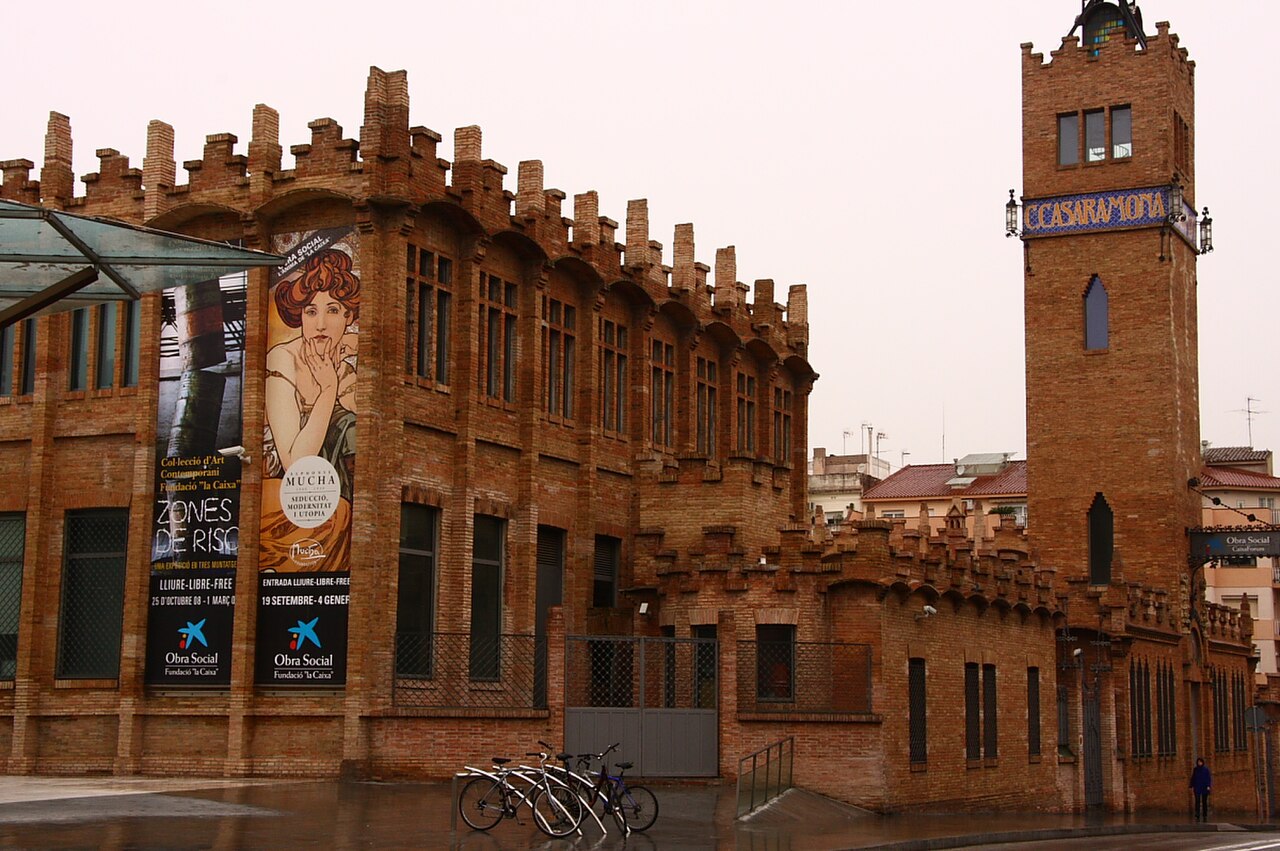
CaixaForum Barcelona
- Notable
- Museum
Historic monument · Barcelona
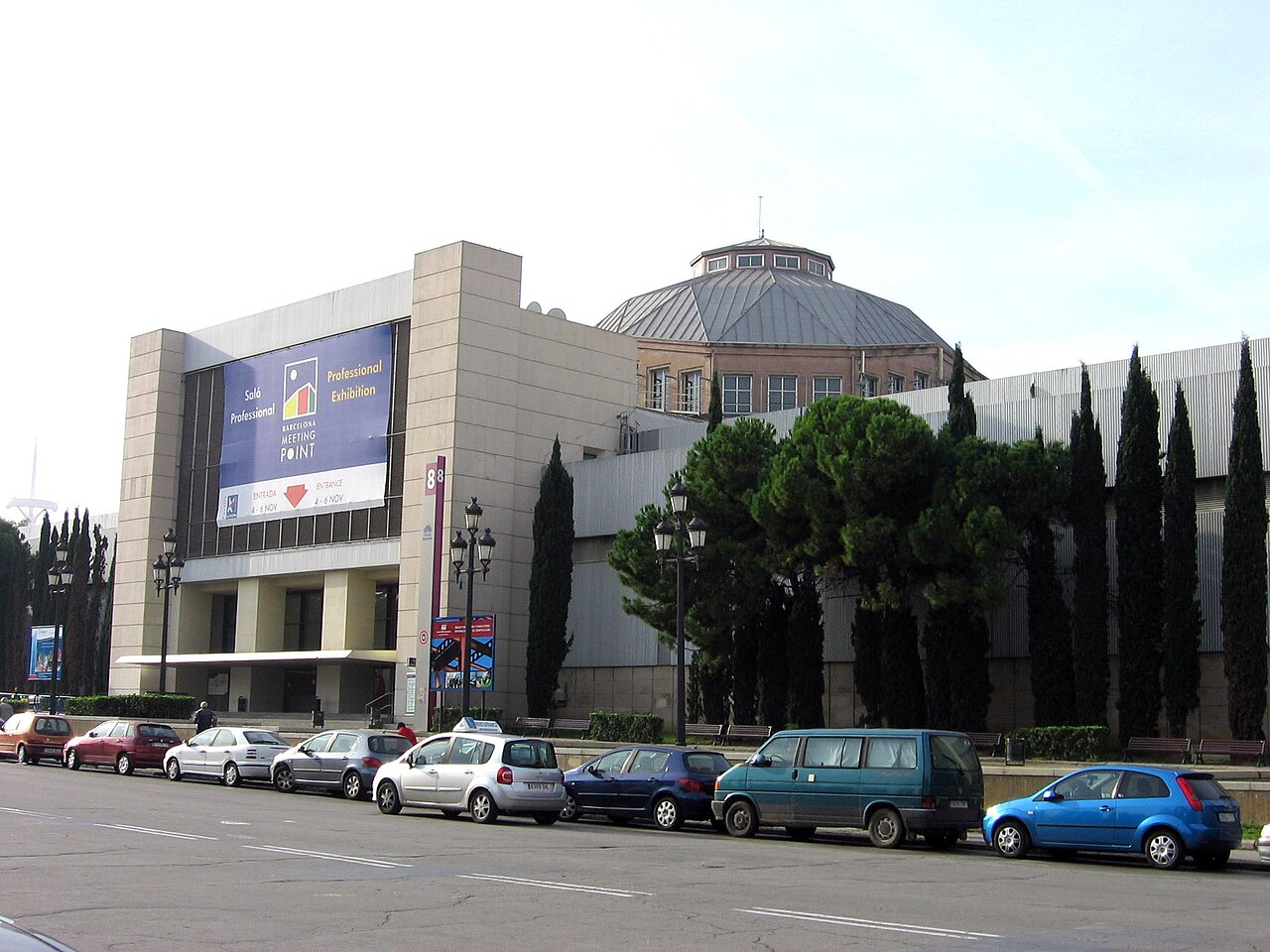
Palau de la Metal·lúrgia is a historic exhibition building in Barcelona’s Montjuïc area, within the Fira de Barcelona complex. Built for the 1929 International Exposition, it presented the metallurgy industry and remains linked to Barcelona’s long tradition of international fairs. Its industrial character makes it different from the nearby museums and monumental buildings. Treat it as an event venue and architectural landmark rather than a conventional museum with a permanent collection. Palau de la Metal·lúrgia is a historic building in Barcelona, located within the Fira de Barcelona exhibition complex on Montjuïc. Constructed for the 1929 International Exposition, it was designed to represent the metallurgy industry. The building exemplifies early twentieth-century Catalan architecture and remains an integral part of Barcelona's exhibition infrastructure. Its name directly translates to Palace of Metallurgy, reflecting its original industrial exhibition purpose. The structure continues to host events and trade shows alongside other venues in the Fira complex. No. The building functions as an event venue without fixed public access. Interior spaces are only accessible during scheduled exhibitions or conferences with appropriate registration.
Checked 2026-08-26 · Source
Inside, the building provides broad exhibition halls with high ceilings, strong structural lines and generous space for temporary installations. The arrangement changes with each fair, conference or presentation, so one visit may focus on industrial equipment while another centres on products, business meetings or public displays. The building’s 1929 origins remain part of its identity, even when contemporary event infrastructure fills the halls. There is no permanent gallery route described for independent sightseeing. The interior comprises expansive exhibition halls with high ceilings characteristic of industrial exposition architecture. These flexible spaces accommodate rotating trade shows, corporate presentations, and industry conventions throughout the year. The building retains structural elements from its 1929 origins, including substantial column grids and generous natural lighting from period fenestration.
Checked 2026-08-26 · Source
Plan two to four hours when attending a large trade fair and allow less time for a meeting or a focused event visit. Without an event, the exterior is the practical experience available from public streets. The surrounding Montjuïc district can turn this into a half-day outing, with museums, gardens and Olympic venues nearby. Build the day around the event programme, because the exhibition layout and activities determine how much time the venue rewards.
Checked 2026-08-26 · Source
Visit when a scheduled exhibition or conference gives you a reason to enter. Trade fairs take place during different parts of the year, while the exterior can be included in a Montjuïc walk in any season. Spring and autumn are comfortable periods for exploring the hill on foot, but the event itself matters more than the calendar. Match your arrival with registration, opening, talks or appointments so the visit has a clear purpose.
Checked 2026-08-26 · Source
There is no single sightseeing ticket for Palau de la Metal·lúrgia. Entry follows the event taking place inside: some fairs use professional accreditation, some welcome the general public, and some offer free registration or paid admission. A casual walk-up visit may not provide interior access. Read the event’s entry conditions before travelling and bring the registration or ticket required for that particular programme.
Checked 2026-08-26 · Source
The venue is in Montjuïc, reached from the Plaça d’Espanya area by Barcelona’s metro, buses and pedestrian routes. Metro lines L1 and L3 serve Espanya, after which the approach continues through the exhibition district and uphill sections of Montjuïc. The funicular connects the hill with Paral·lel. Taxis can reach the exhibition entrances directly. Walking from central Barcelona is possible, but the distance and elevation make public transport more practical for many visitors.
Checked 2026-08-26 · Source
Event entry can be limited to registered participants, especially at professional fairs. Expect security procedures and long periods on hard exhibition floors, so supportive footwear is useful. Crowded halls can feel warm and noisy, while food and drinks inside may cost more than in neighbourhood cafés. Keep personal belongings close in busy areas and identify exits when entering a large hall. The venue works best when your day leaves enough time for registration and movement between displays.
Checked 2026-08-26 · Source
The exterior provides the clearest opportunity to photograph the building’s historic exhibition architecture from public space. Inside, photography follows the rules of the individual event and exhibitors. Product displays, prototypes and presentations may have restrictions, while flash and professional equipment can interfere with demonstrations. Read signs at gallery or hall entrances and follow staff instructions. A wide view of the facade works well when combined with the broader Montjuïc exhibition setting.
Checked 2026-08-26 · Source
Interior access is tied to scheduled exhibitions, conferences and other events. Without an event, the practical visit is viewing the historic exterior from public streets.
It was built for Barcelona’s 1929 International Exposition to represent the metallurgy industry and now forms part of the Fira de Barcelona exhibition complex.
You can encounter temporary trade-fair displays, conferences, presentations and other event layouts in large industrial-style halls. The interior changes with each programme.
Yes. It is located within the historic Montjuïc exhibition complex, alongside other Fira de Barcelona venues.
Allow two to four hours for a substantial trade-fair visit. A short meeting needs less time, while combining the venue with Montjuïc museums and gardens creates a longer outing.
The historic facade can be photographed from public streets. Interior photography follows the rules of the event and its exhibitors, particularly for products and displays.
Loading the interactive map…
The interactive map could not be loaded.
Last updated:
Source: OpenStreetMap contributors, Wikidata ·